- 1
Book the first or second morning of your trip, ideally an 8 to 10 am slot, so weather has room to reschedule.
- 2
On the Big Island, a full-island flight from Waikoloa of about 1 hour 45 minutes delivers the widest scenery for your money.
- 3
Active lava is never guaranteed, so choose a route that still rewards you when the volcano is quiet.
Low clouds or heavy rain can force a pilot off the planned route, so a Hawaii helicopter tour may skip the volcano or a valley even when the flight goes ahead. Book your flight early in your trip, not the last day, so there is room to reschedule if weather cancels or reroutes it. If the volcano is clouded in, pilots take another route where conditions allow, often toward waterfalls and coastal lava flows that look even better after rain.
What Hawaii helicopter tours show you from the air
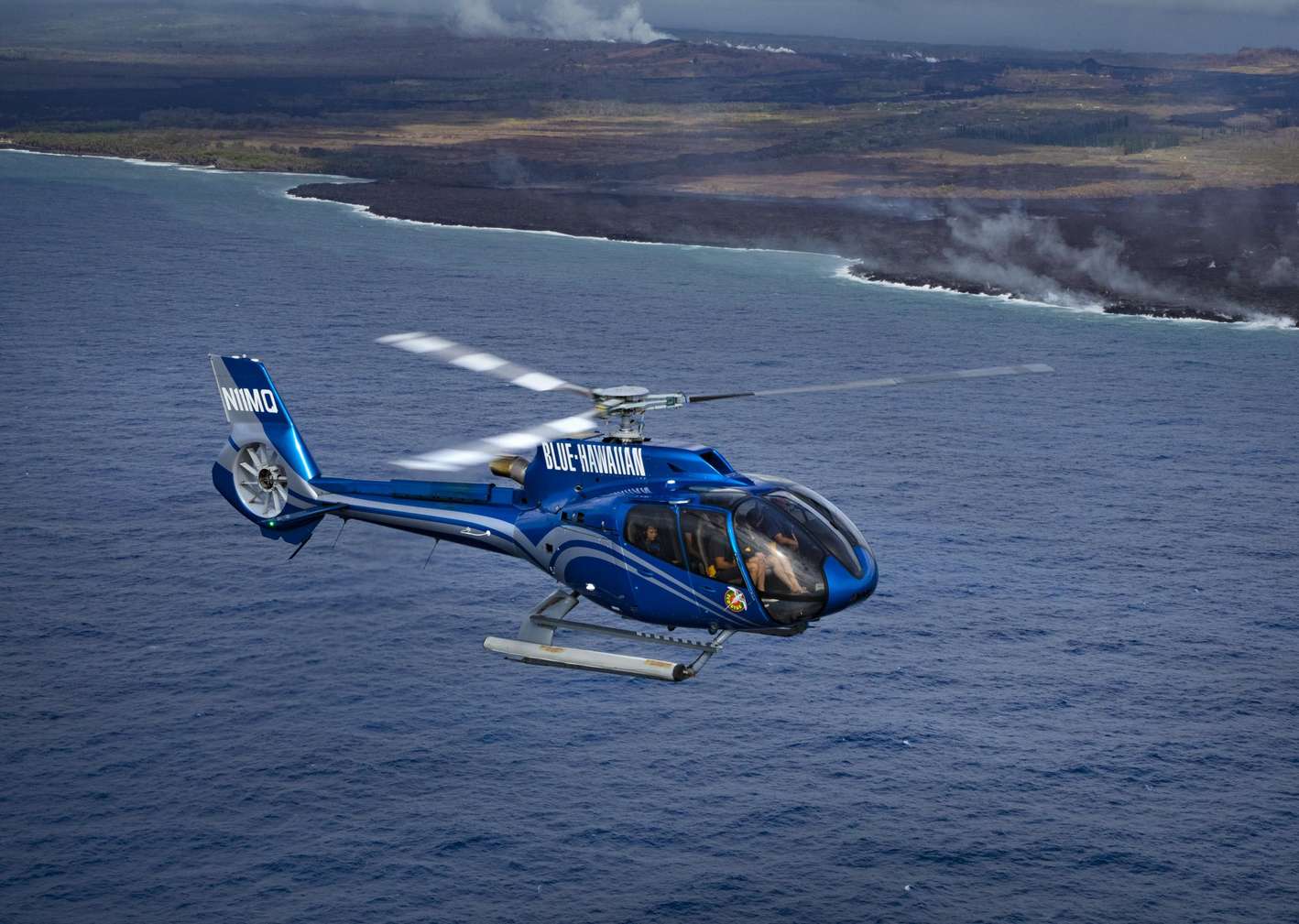
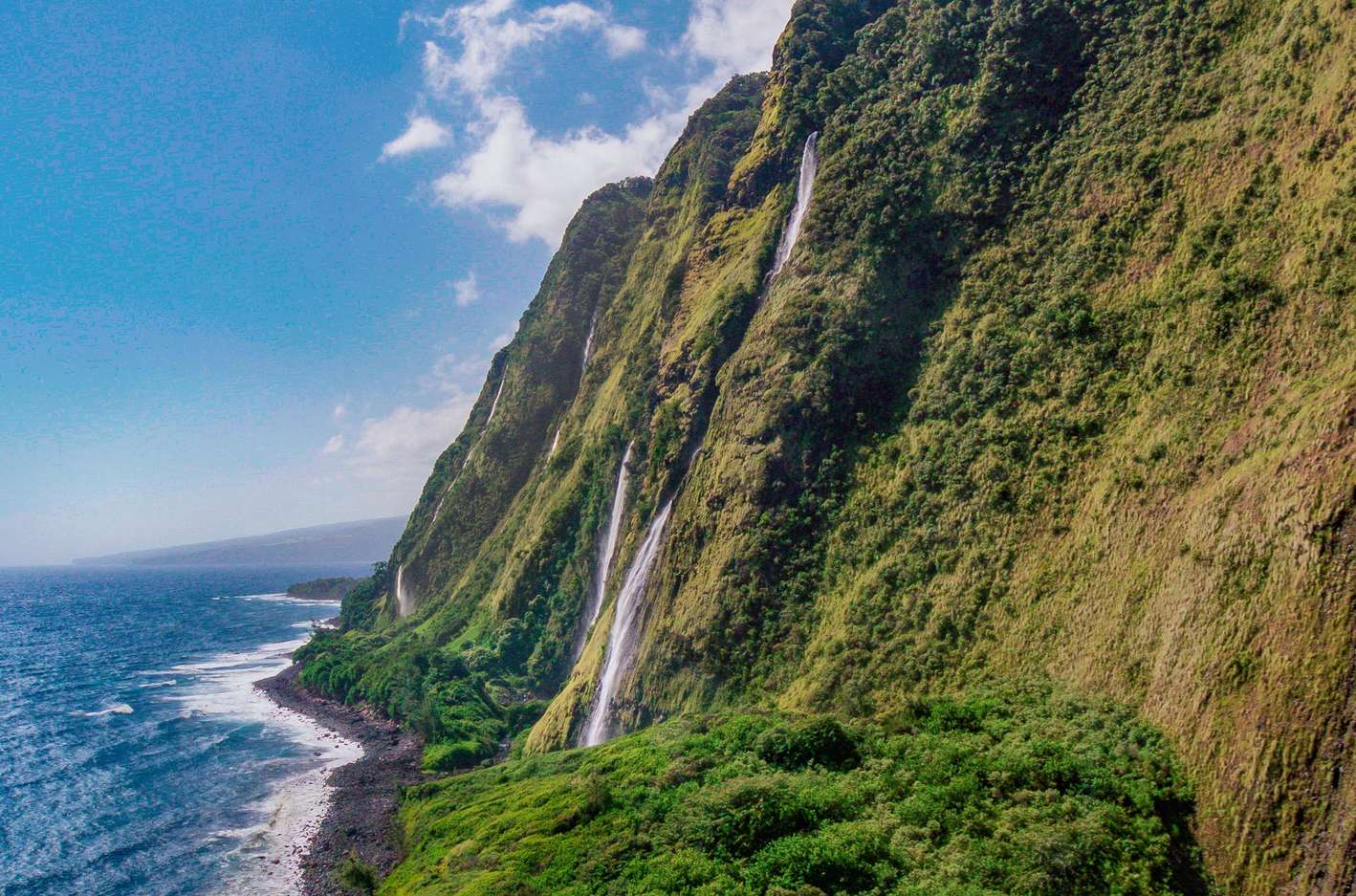
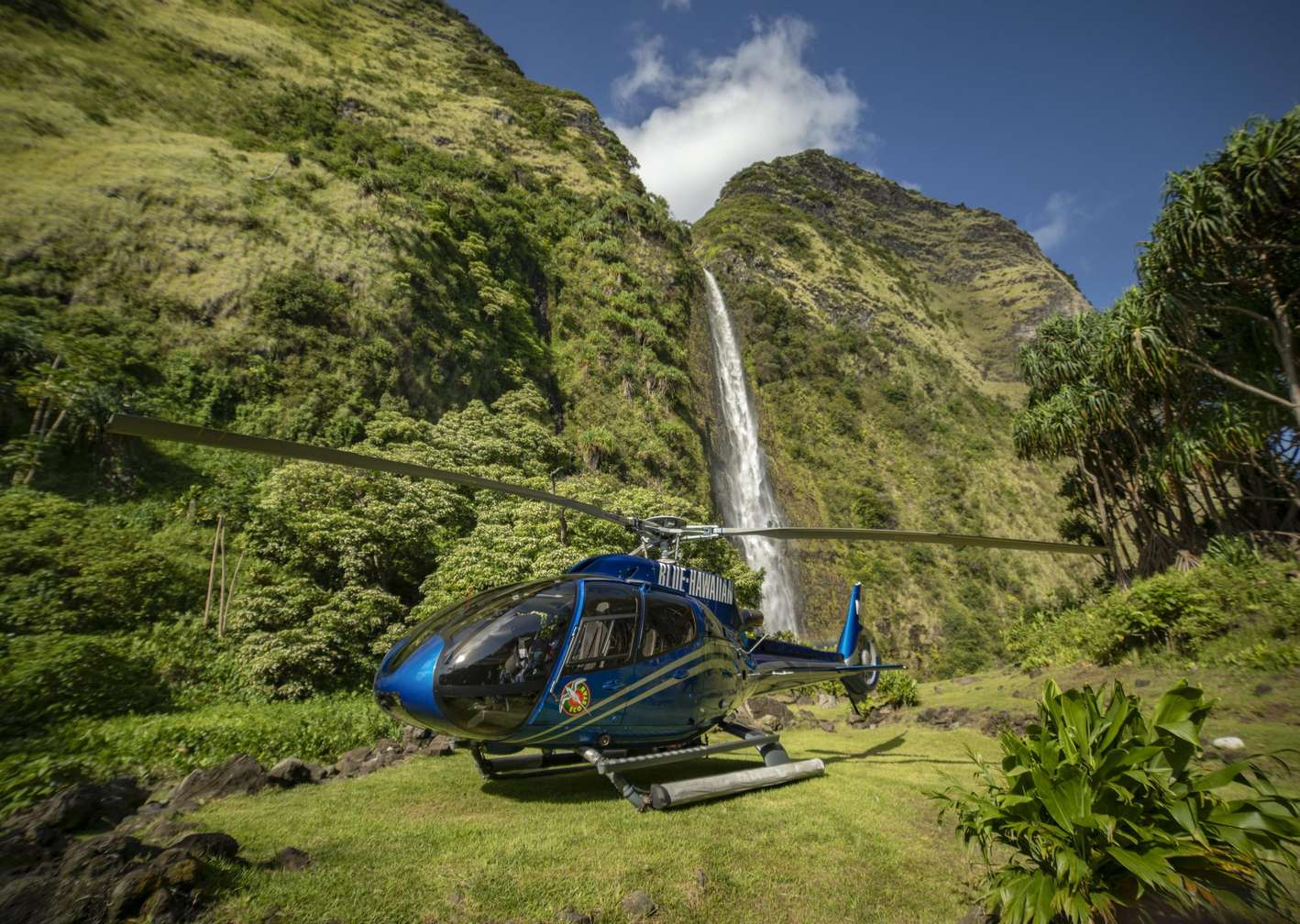
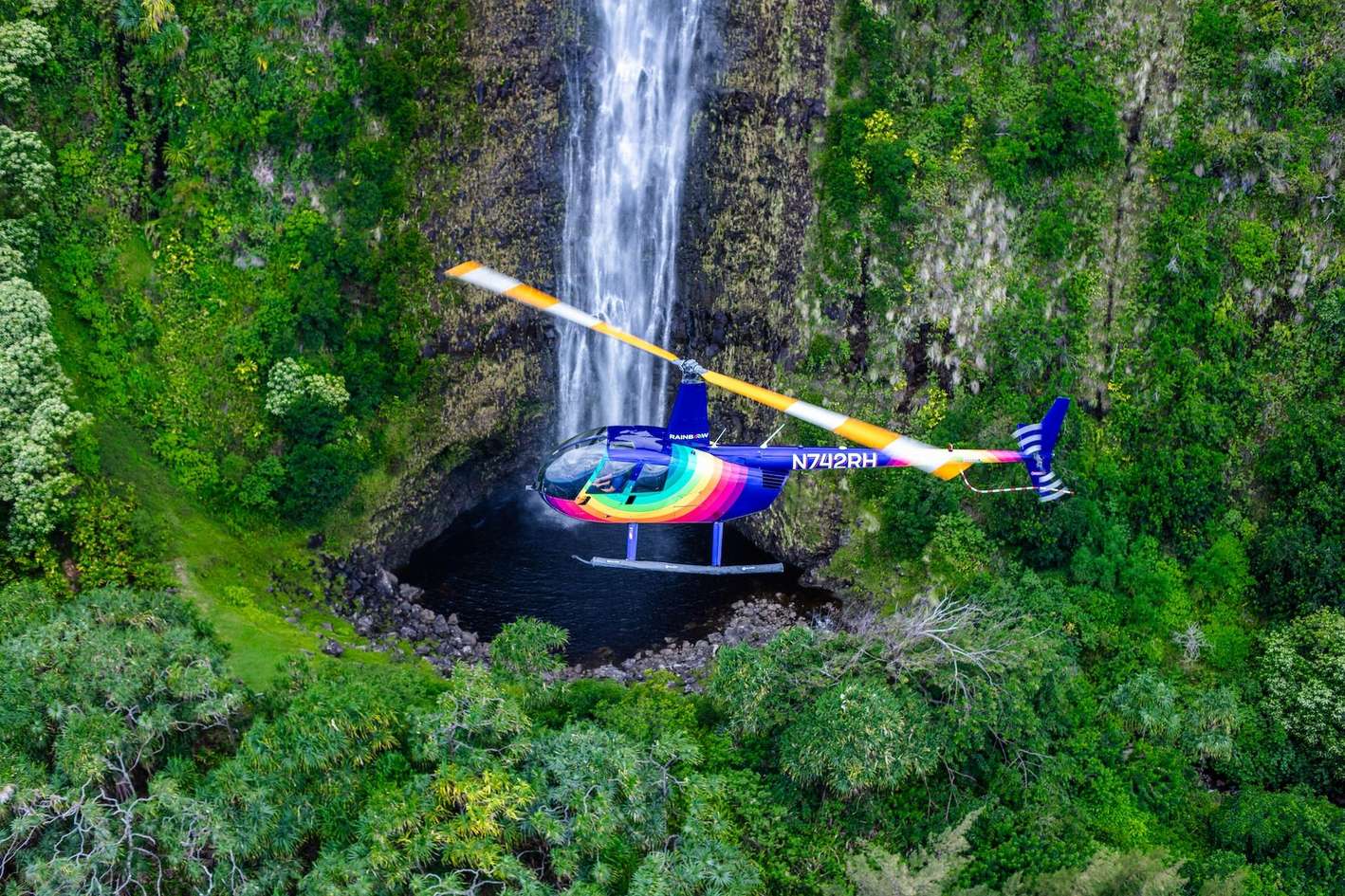
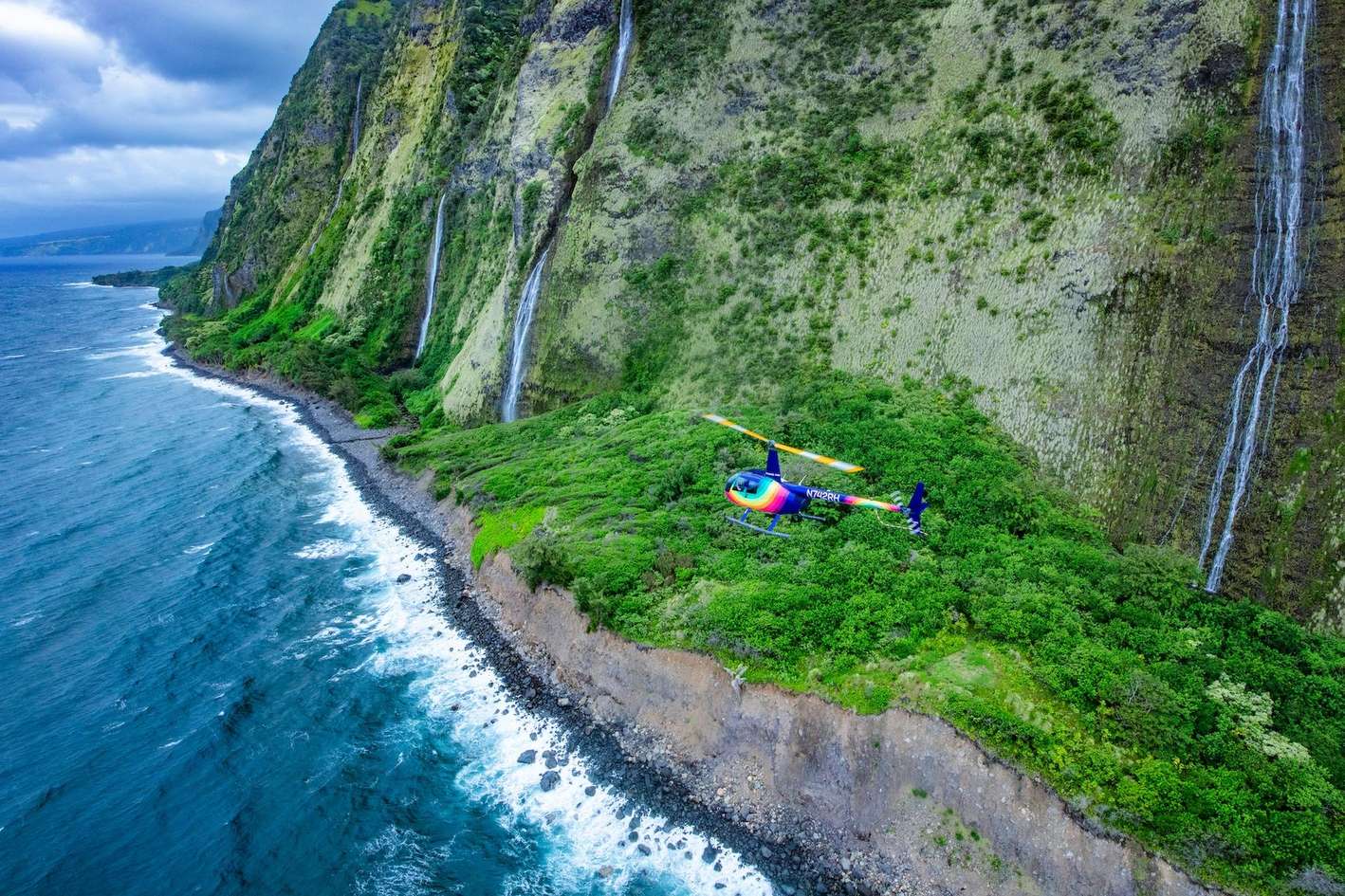
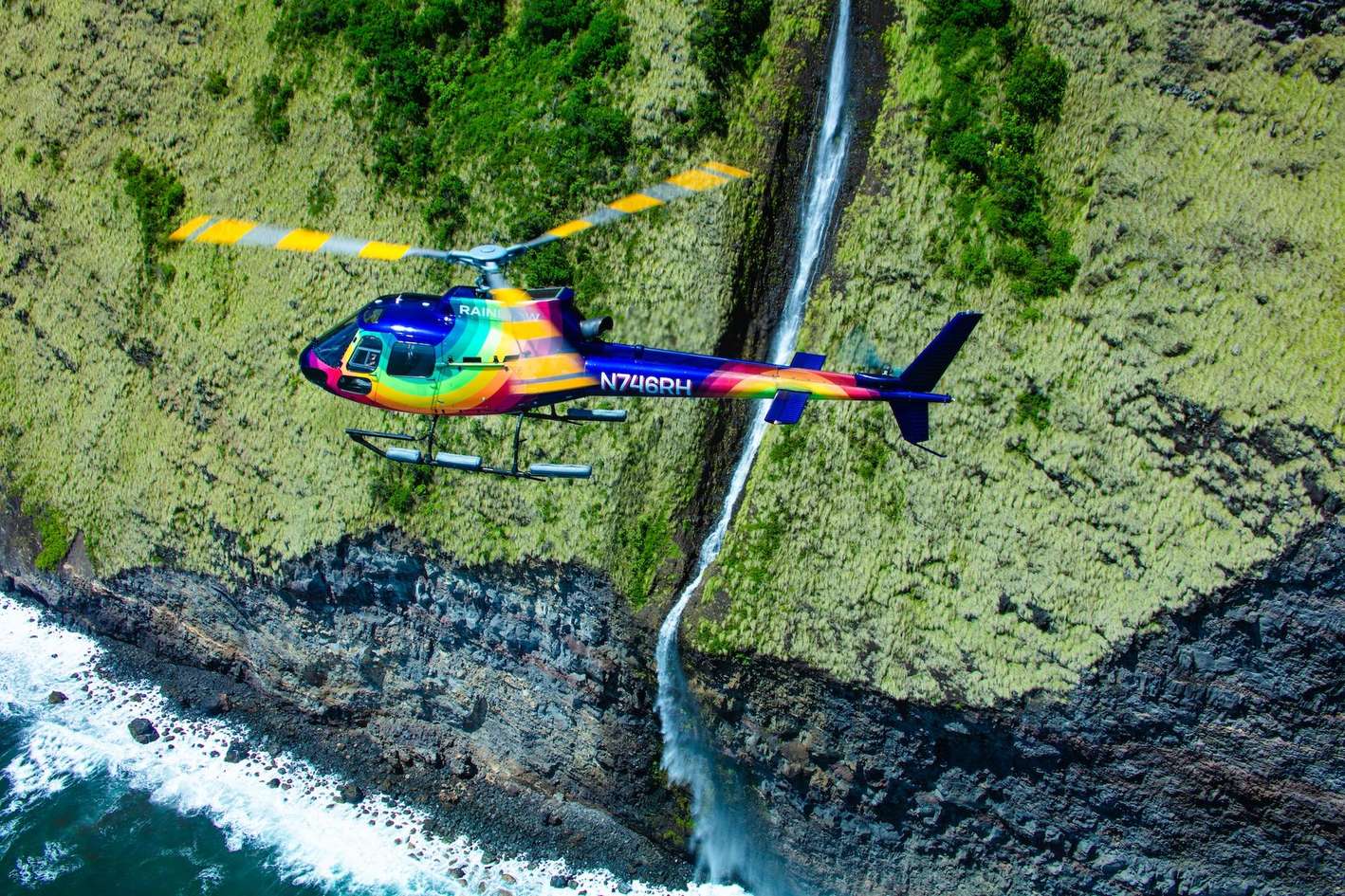
What a Hawaii helicopter tour actually buys you
The verdict first: yes, a Hawaii helicopter tour is worth it, on the right island and the right route. What you are paying for is terrain no road touches.
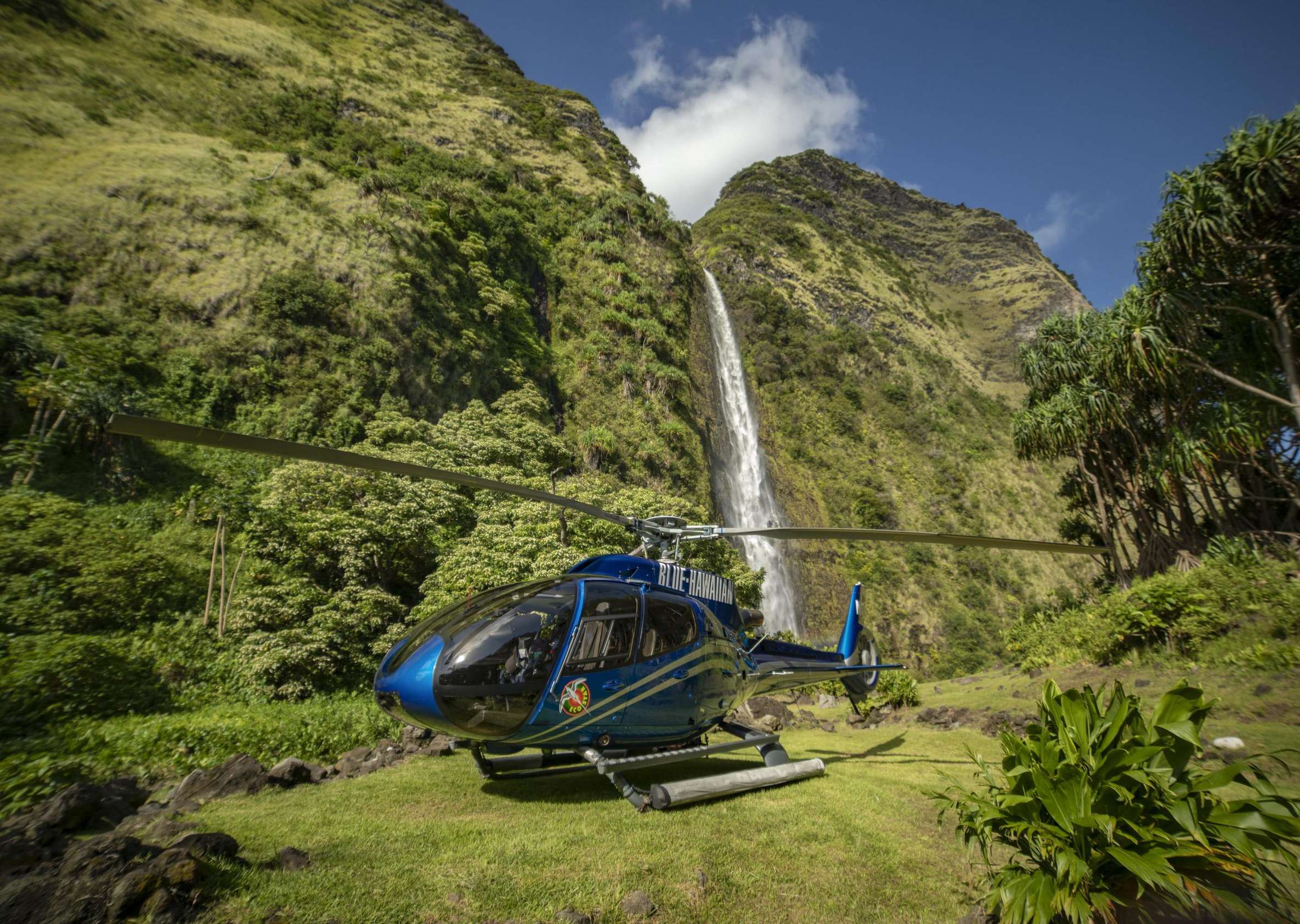
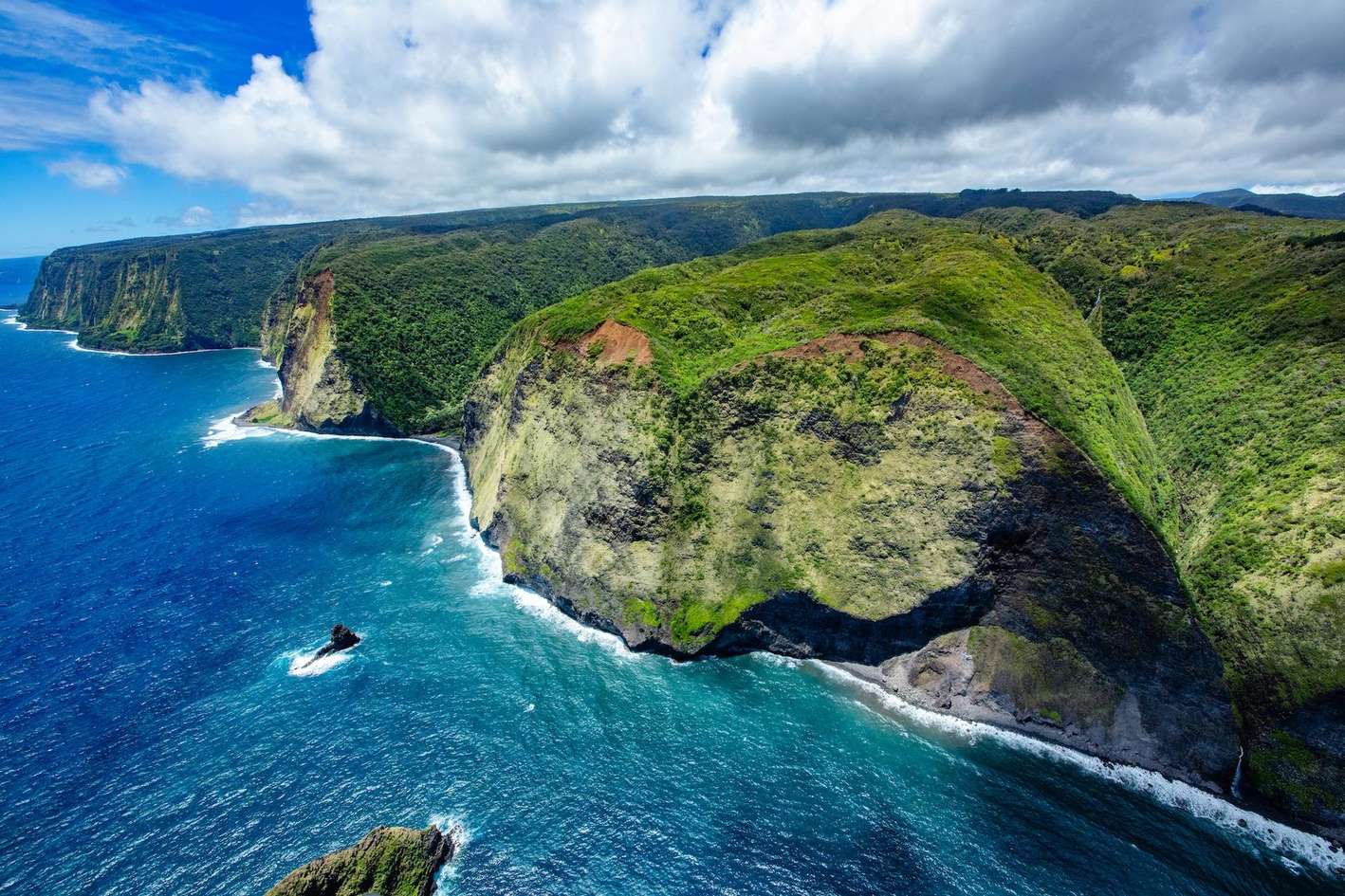
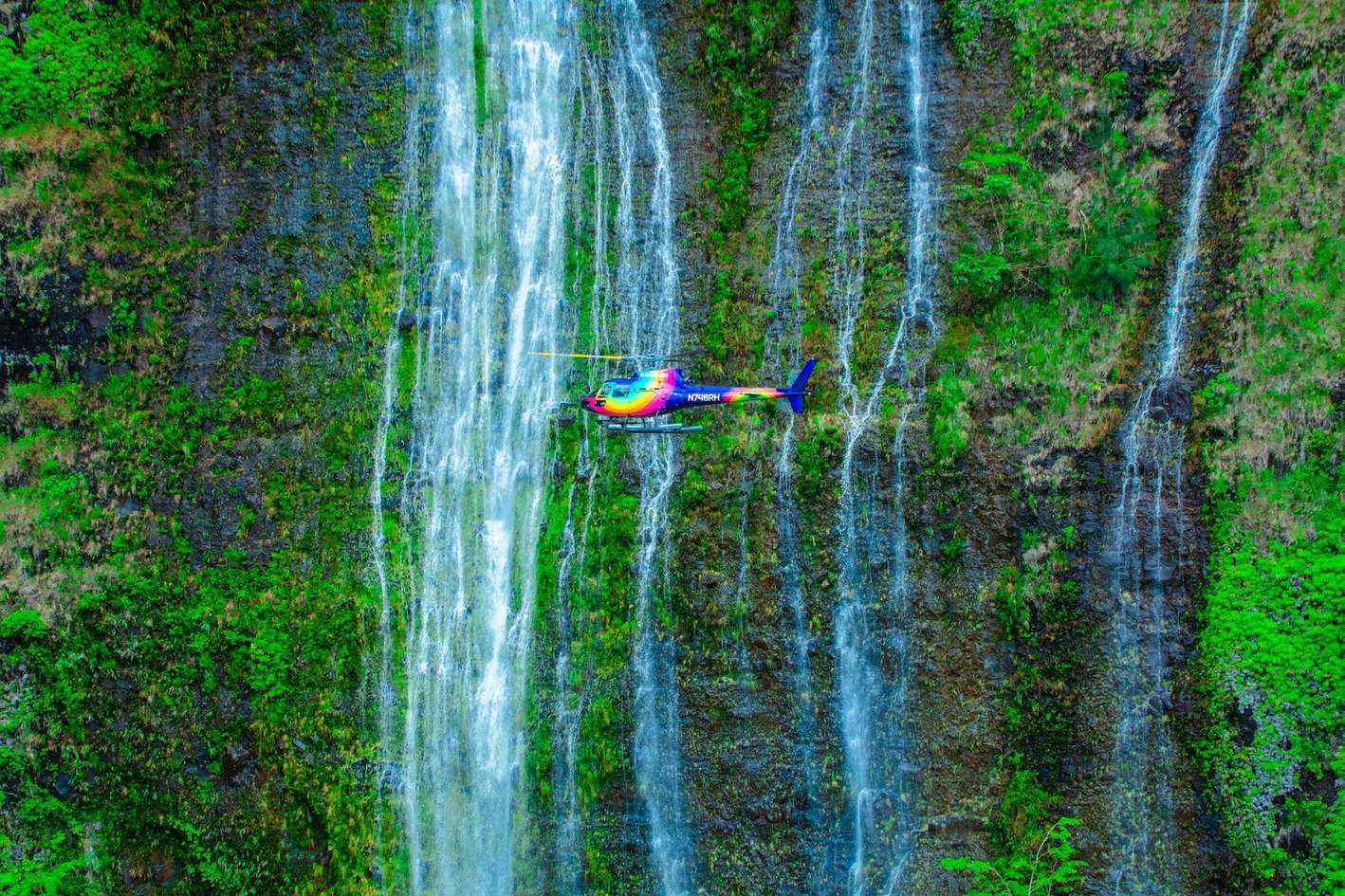
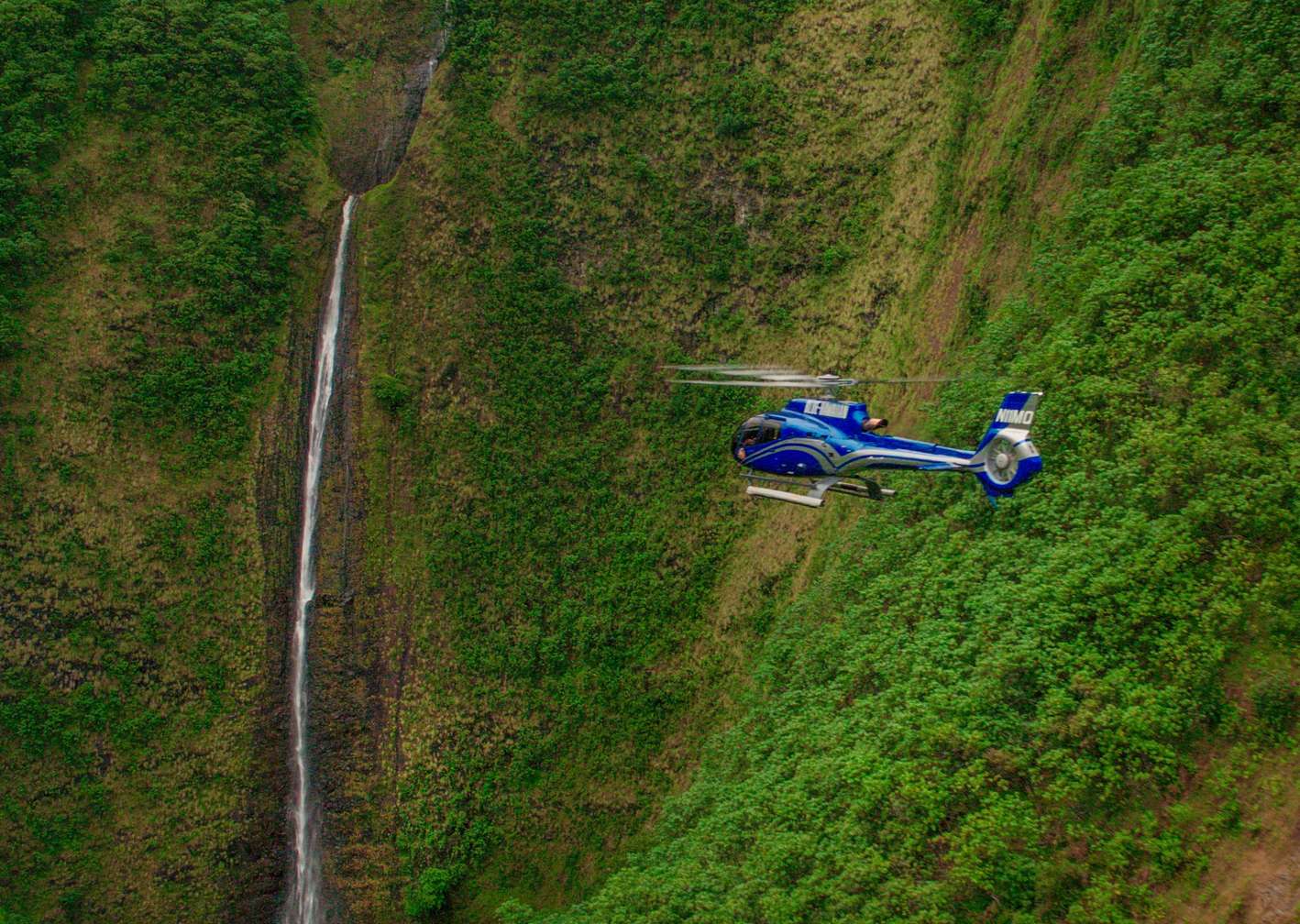
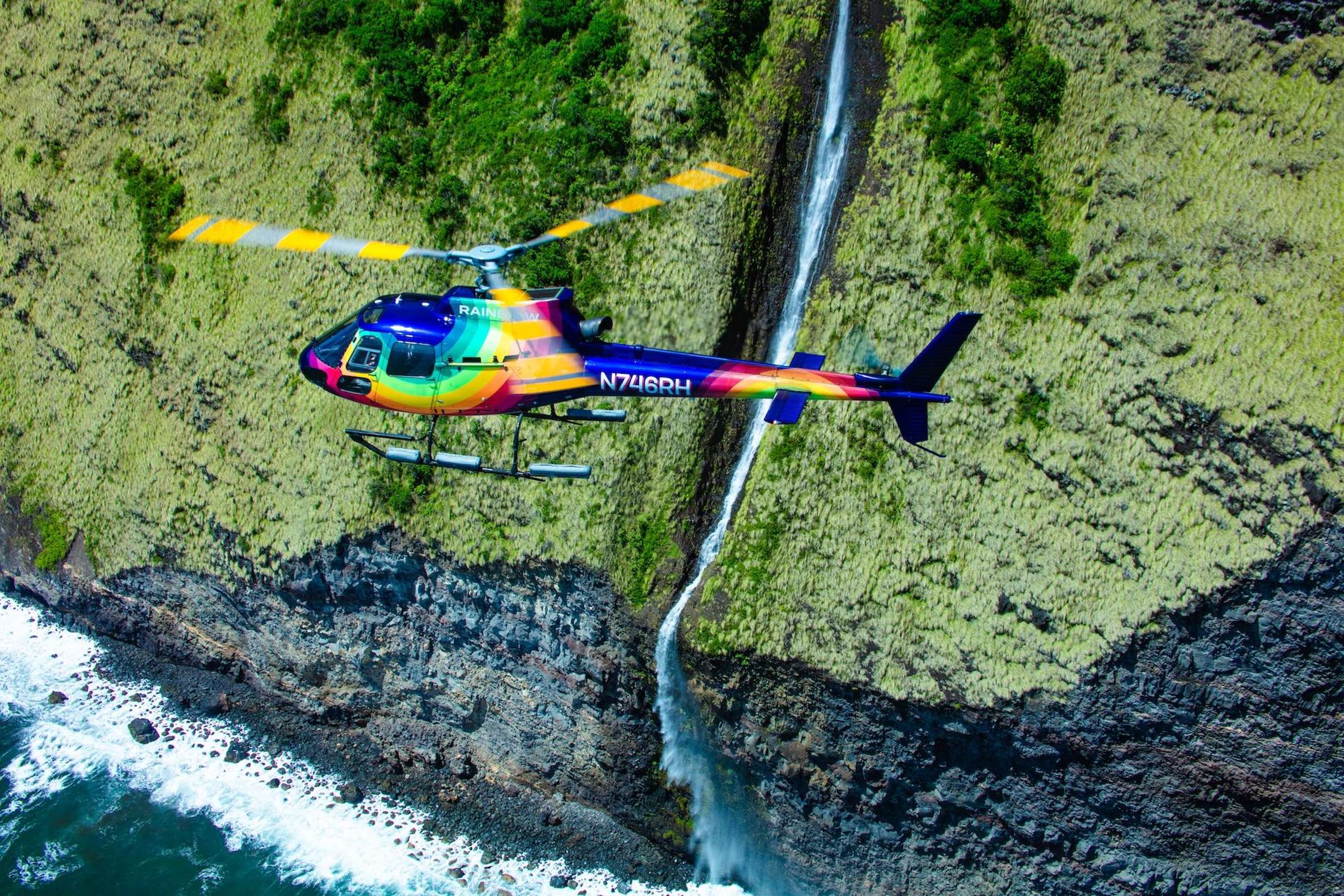
Helicopters hover and turn in place, so both sides of the cabin get the crater or the waterfall, and they drop low into valleys that dead-end at a cliff edge if you tried to drive there.
A commercial airliner window seat shows none of this. Planes fly higher and never pause over a caldera or hang beside a waterfall spilling off a green cliff.
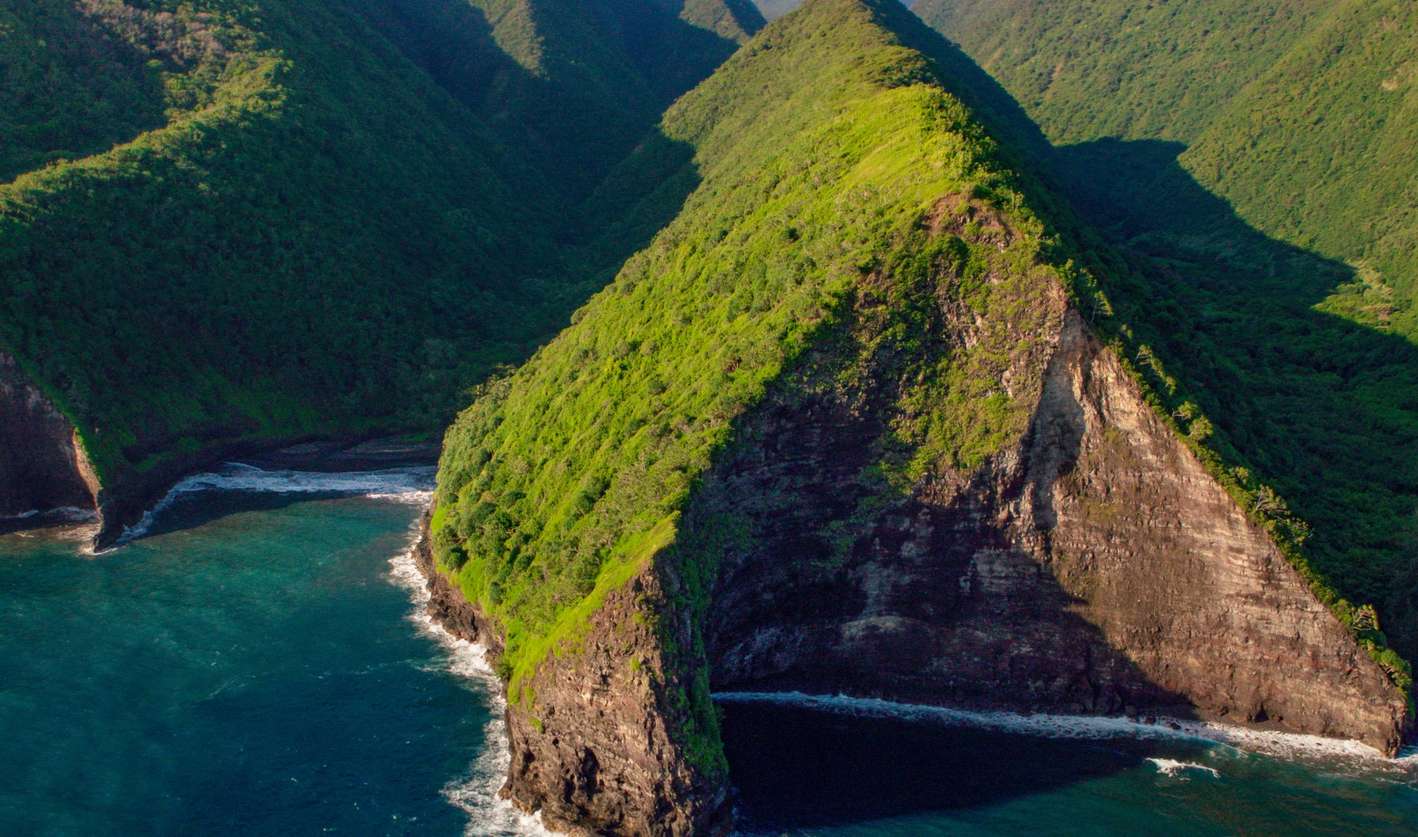
The tour's value sits in the roadless middle of these islands, the deep valleys and hidden falls that no rental car reaches no matter how many days you give them.
The pilots carry more of the price than people expect. Good ones narrate the geology, the history and the place names as you cross them, which turns a sightseeing loop into a story you remember. Regulars say even nervous first-timers settle in fast once the pilot's briefing is done.
One honest caveat: seating is assigned by weight for balance, and a middle seat can dent the value of an expensive flight. Ground staff can sometimes place a nervous flyer forward, where the horizon sits open, and it costs nothing to ask.
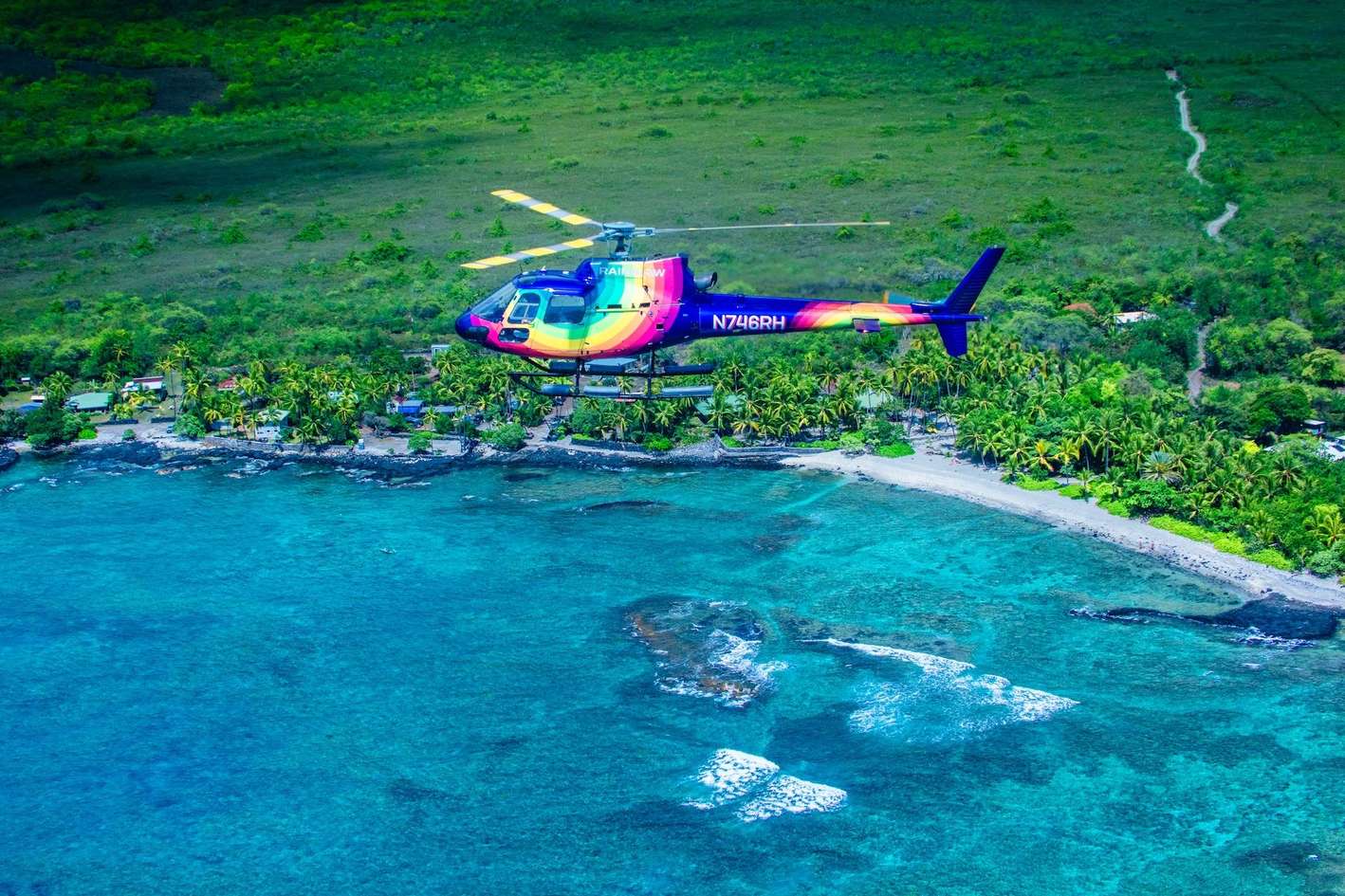
Which Hawaiian island has the best helicopter tour
Four islands, four different flights. Kauai is the one most pilots and regulars name first: about 90% of the island is unreachable by road, and a single compact route strings together the 17-mile Na Pali Coast, Waimea Canyon and Mount Waialeale, where waterfalls drop down 3,000-foot green cliffs.
For a first helicopter flight, that density of scenery is hard to beat.
The Big Island is the clear pick for volcanic terrain, and it is the only island where lava can appear beneath you at all. When Kilauea is erupting, the aerial landscapes here rival anything in the state.
Maui flights cover West Maui's knife-edged ridges and, on longer routes, cross the Pailolo Channel to Molokai's north shore sea cliffs, some of the most remote terrain in Hawaii. Oahu offers the widest variety of any island: Diamond Head, Waikiki, the Ko'olau valleys and secluded west-side beaches, with longer routes adding the North Shore.
| Inaccessible scenery | Aerial highlights | Flight time | Weather reroute risk | Worth the cost | |
|---|---|---|---|---|---|
| Big Island | roadless valleys, sea cliffs, hidden waterfalls | active lava, craters, Hamakua waterfalls | 1 hr 45 min full island | Hilo rain grounds flights | yes, best with active lava |
| Kauai | 90% inaccessible by road | Na Pali Coast, Waimea Canyon | compact flight area | not known | yes, top island choice |
| Maui | Molokai sea cliffs, roadless valleys | West Maui ridges, Molokai cliffs | not known | afternoon clouds cap Haleakala | scenic but less dramatic |
| Oahu | secluded beaches, ridge-top landing | Diamond Head, Ko'olau valleys | 65-minute complete island tour | Ko'olau clouds reroute to coast | stunning scenic variety |
- Inaccessible scenery
- roadless valleys, sea cliffs, hidden waterfalls
- Aerial highlights
- active lava, craters, Hamakua waterfalls
- Flight time
- 1 hr 45 min full island
- Weather reroute risk
- Hilo rain grounds flights
- Worth the cost
- yes, best with active lava
- Inaccessible scenery
- 90% inaccessible by road
- Aerial highlights
- Na Pali Coast, Waimea Canyon
- Flight time
- compact flight area
- Worth the cost
- yes, top island choice
- Inaccessible scenery
- Molokai sea cliffs, roadless valleys
- Aerial highlights
- West Maui ridges, Molokai cliffs
- Weather reroute risk
- afternoon clouds cap Haleakala
- Worth the cost
- scenic but less dramatic
- Inaccessible scenery
- secluded beaches, ridge-top landing
- Aerial highlights
- Diamond Head, Ko'olau valleys
- Flight time
- 65-minute complete island tour
- Weather reroute risk
- Ko'olau clouds reroute to coast
- Worth the cost
- stunning scenic variety
So the choice narrows to what you came to see. Cliffs and canyons, fly Kauai. Lava, fly the Big Island. If you have never flown and want the classic Hawaii route in the least airtime, Kauai still wins.
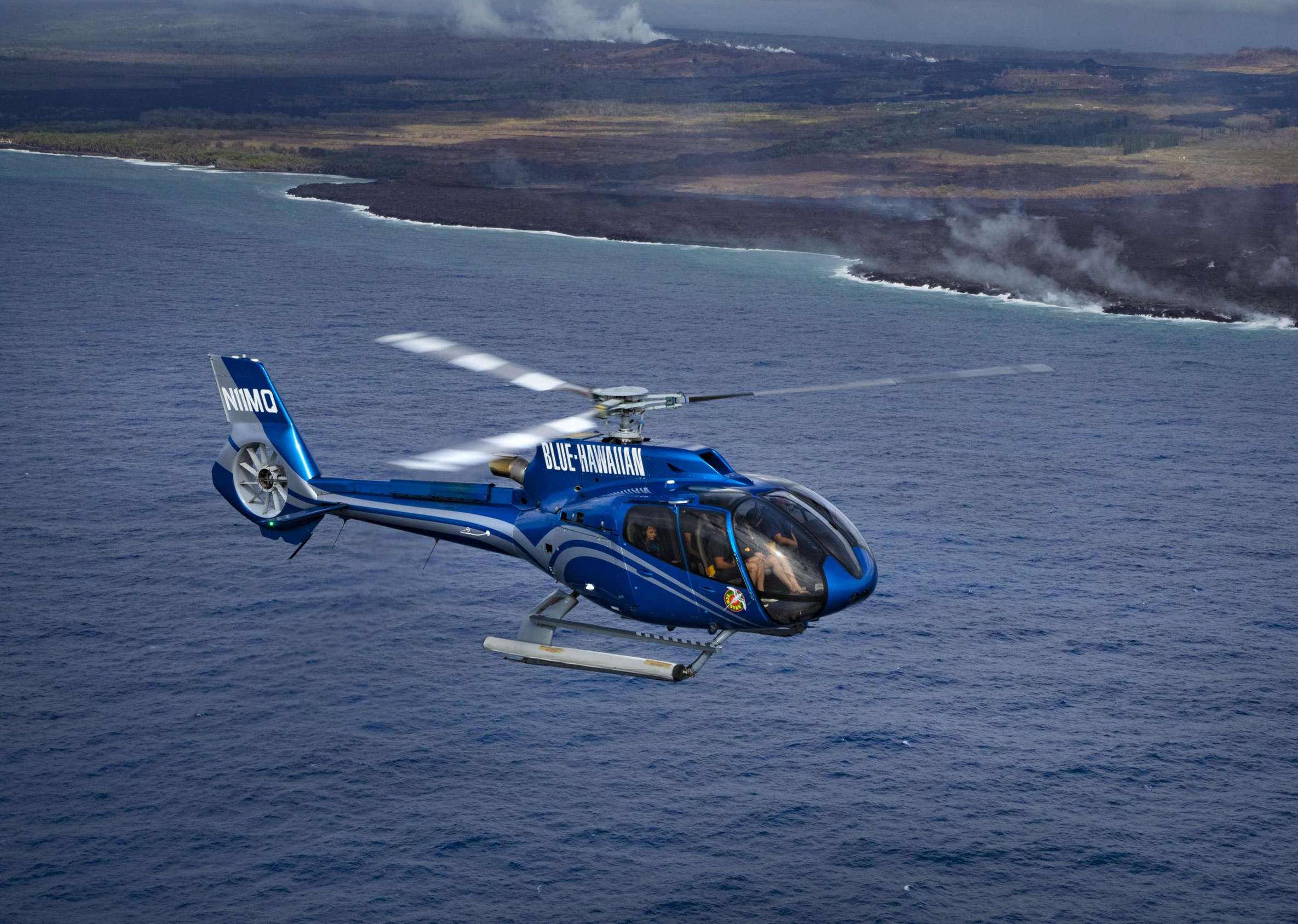
Best Big Island helicopter routes - full island vs volcano-only
Once you have picked the Big Island, the real decision is route. Hilo departures sit next to Kilauea, so a volcano-only flight gets there fast and costs less, but it retraces the same path both ways over old lava fields and spends roughly 15 minutes over the volcano zone itself.
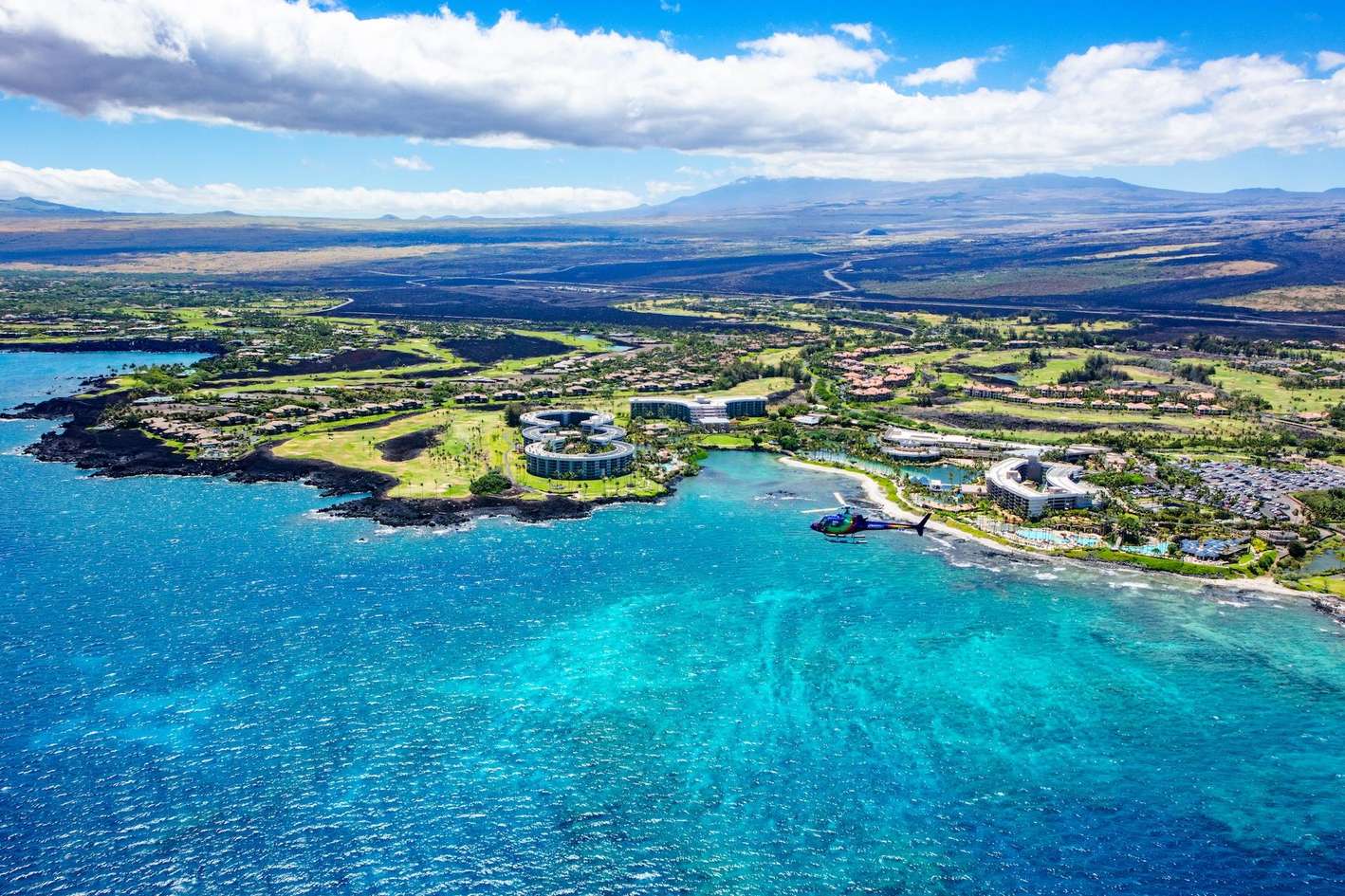
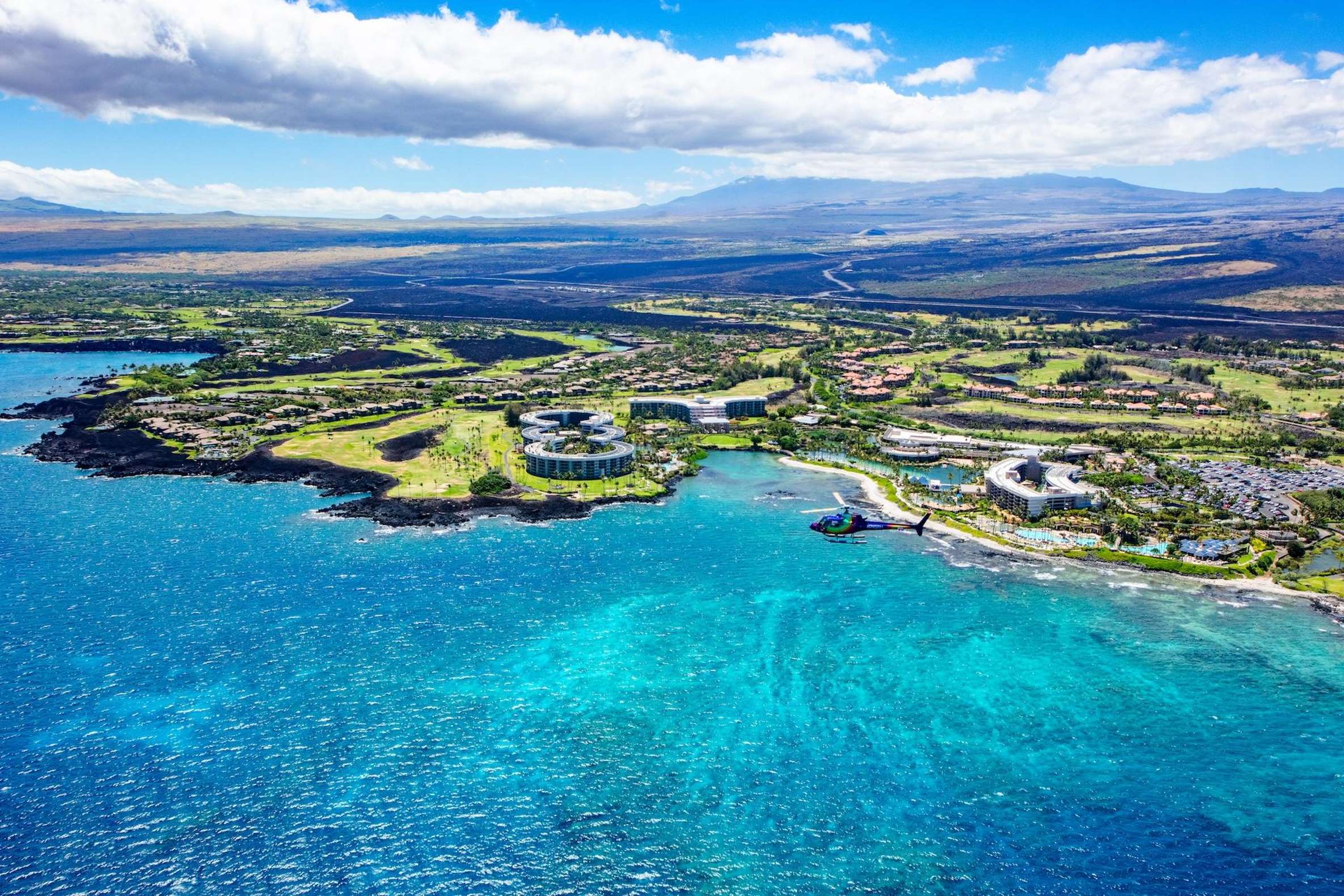
West-side departures from Kona or Waikoloa cover far more island. The flight that answers this page's question best is the Waikoloa: Big Island Spectacular Helicopter Tour, about 1 hour 45 minutes in the air and widely considered the route with the most scenery per minute on the island.
It strings together Kilauea's volcanic badlands, the Hamakua Coast rainforest and its waterfalls, then the deep valleys of the Kohala Mountains, a headset and pilot guide included.
There is a middle path too. One Waikoloa operator runs a Kohala Coast flight of about 50 minutes, with an option that adds a landing beside a waterfall on 1,200-foot cliffs, if the volcano holds less interest for you than the valleys do.
The math favors variety. A short volcano loop shows you one dramatic thing twice; the full sweep shows you lava, jungle, sea cliffs and green valleys in a single morning, which is what most people are really trying to buy.
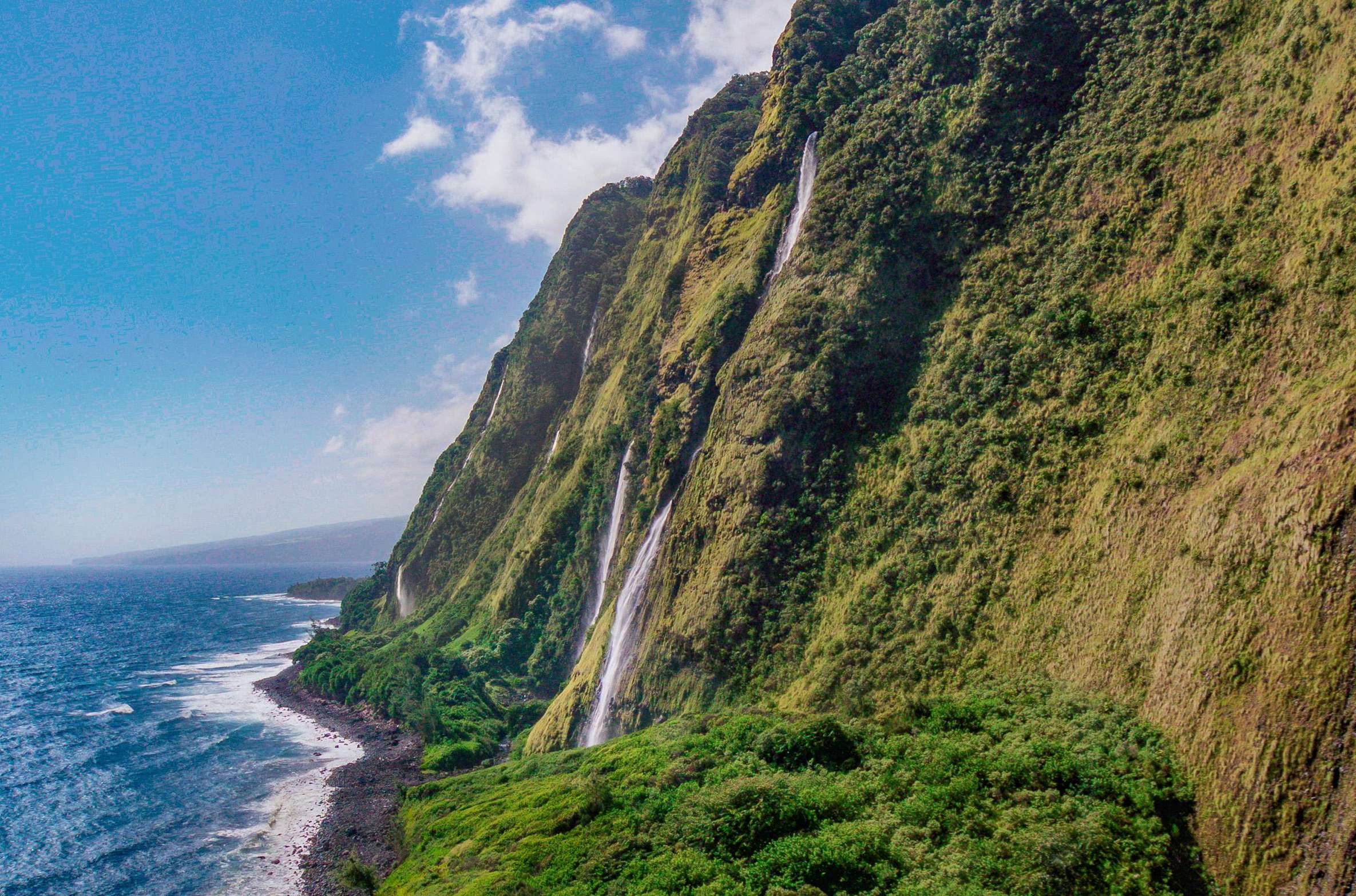
Will you see lava on a Kilauea helicopter flight
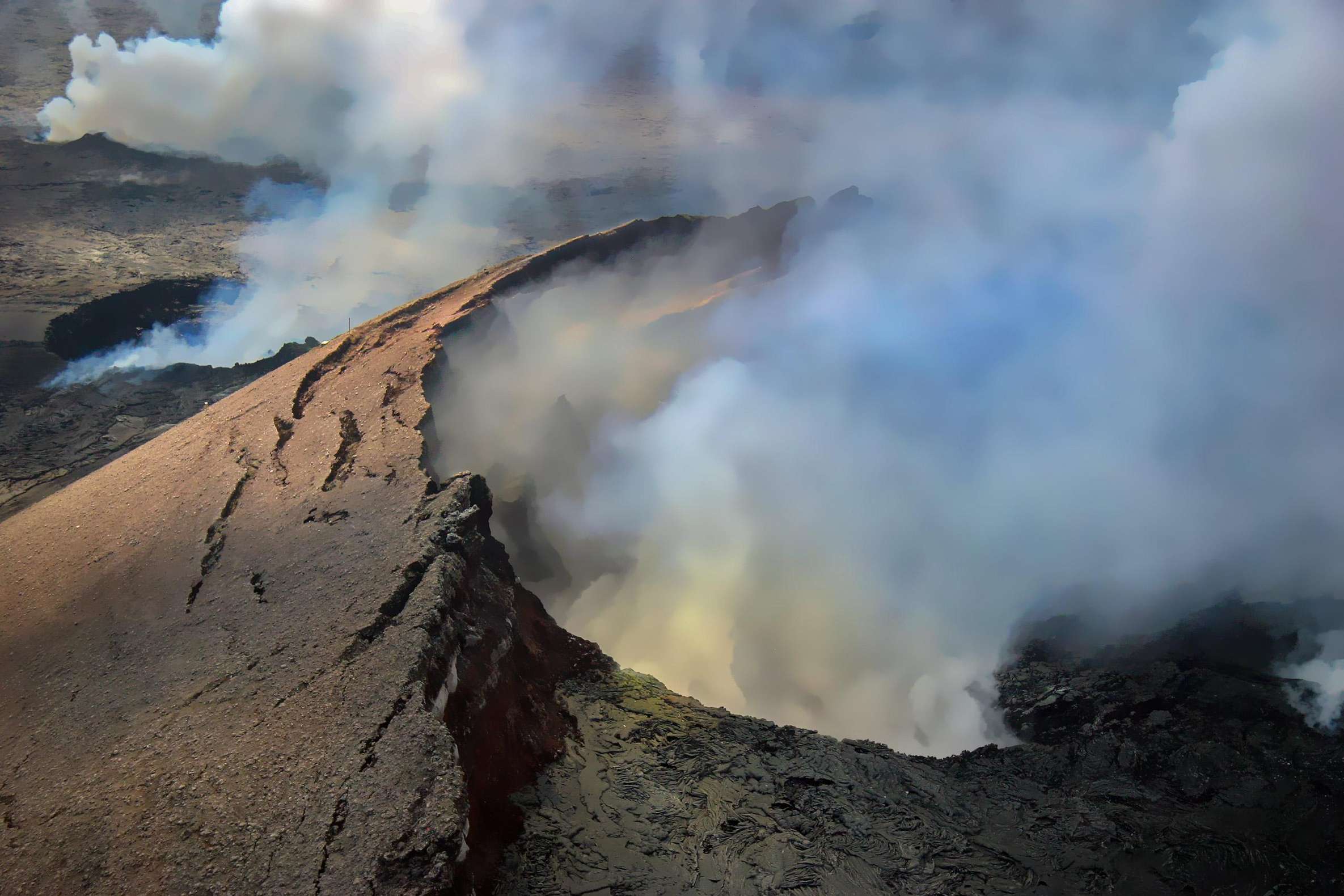
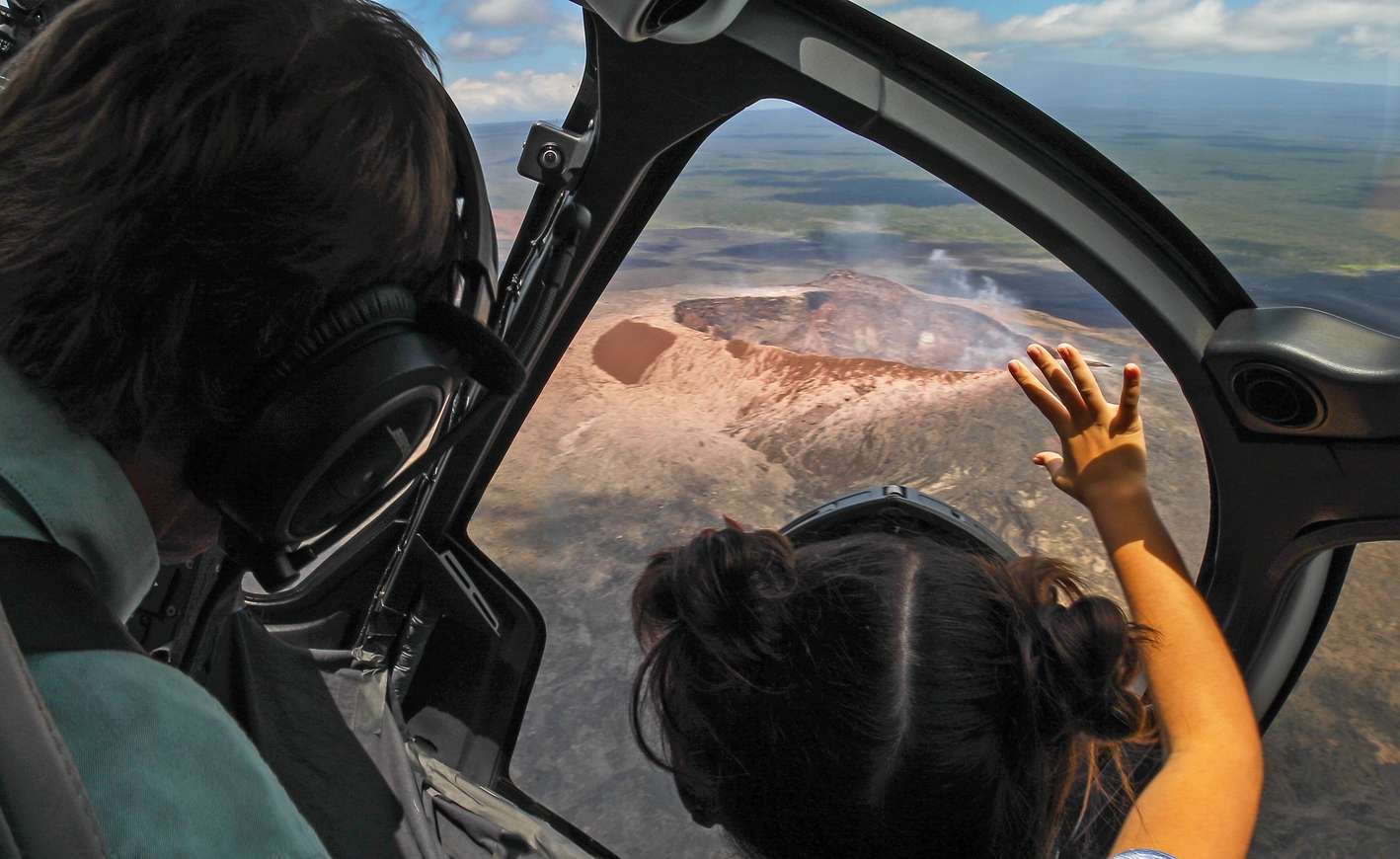
Set expectations now, because this is where disappointed reviews come from. Molten red lava is rare from the air. Kilauea erupts in brief, unpredictable windows, and between eruptions a flight sees steam vents, the vast crater formations and hardened flows from past eruptions instead.
That still earns its keep. The caldera itself, the black sand beaches where lava once met the sea, and the scale of the lava fields read differently from 1,000 feet than from any overlook.
Scenic volcano flights remain dramatic without active surface lava because of the crater shapes and the sheer contrast of black rock against green rainforest.
When the volcano is quiet, many visitors say the Kohala valleys and waterfalls outshine the craters. Sea cliffs and 3,000-foot falls along the Hamakua Coast are often the sights people talk about on the drive home. That argues for the full-island route over a volcano-only loop if no eruption is running.
The Hilo: Hawaii Volcanoes National Park Flight covers the caldera, the Pu'u O'o cone and distant Mauna Kea and Mauna Loa in about an hour, a clean way to see the volcano country itself.
Active lava is never guaranteed; eruptions pause and shift week to week Choose a route with valleys and waterfalls so the flight stands on its own, and check current activity before you book Weather or flight restrictions can close the airspace above the caldera Pilots reroute to older coastal lava flows and rainforest falls, so you still see the island Passenger tours never fly over the park after dark Book a daytime slot; there is no glowing night view to wait for
Treat the volcano as one act of the flight and the valleys as the other, and no single quiet week can hollow the whole hour out.
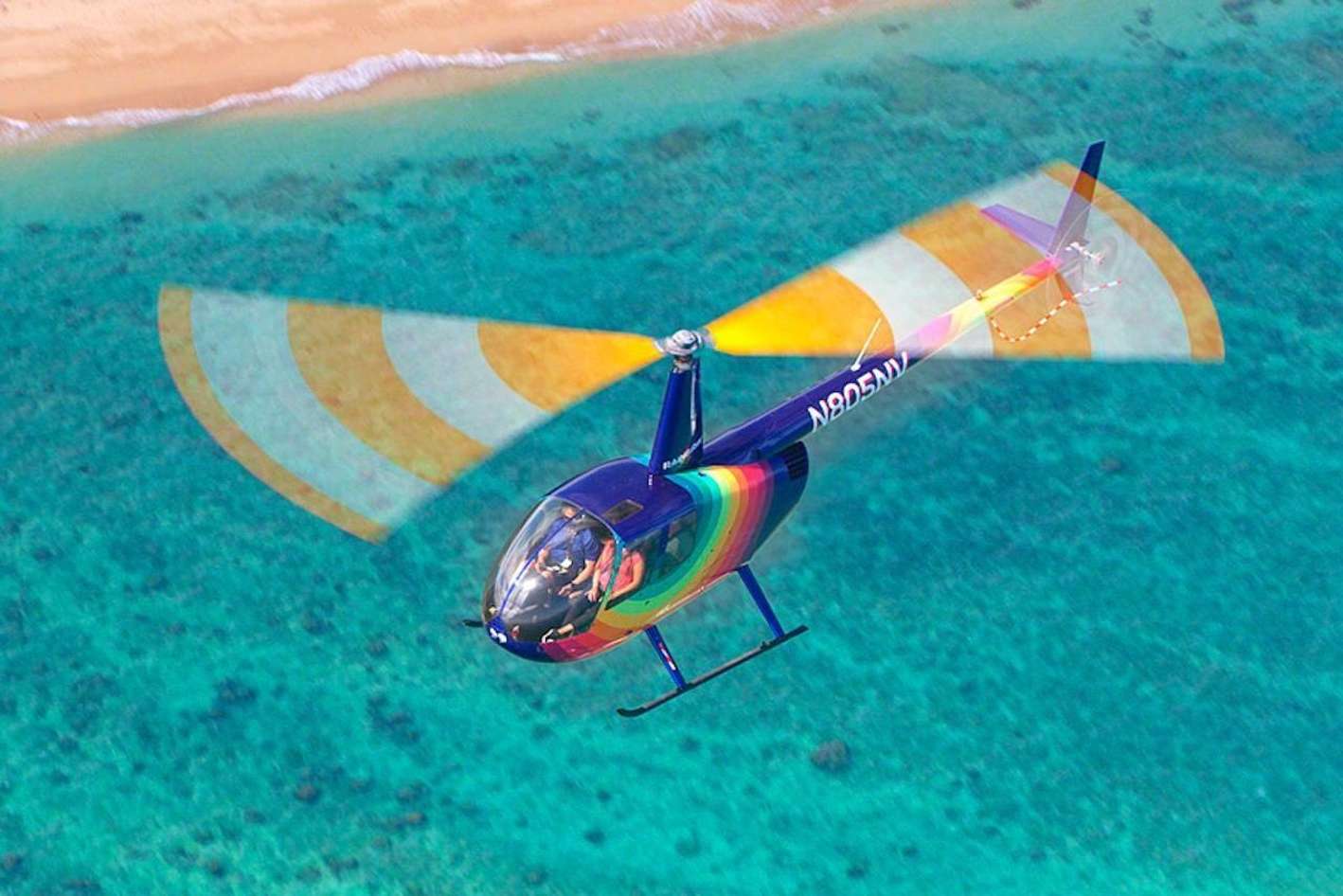
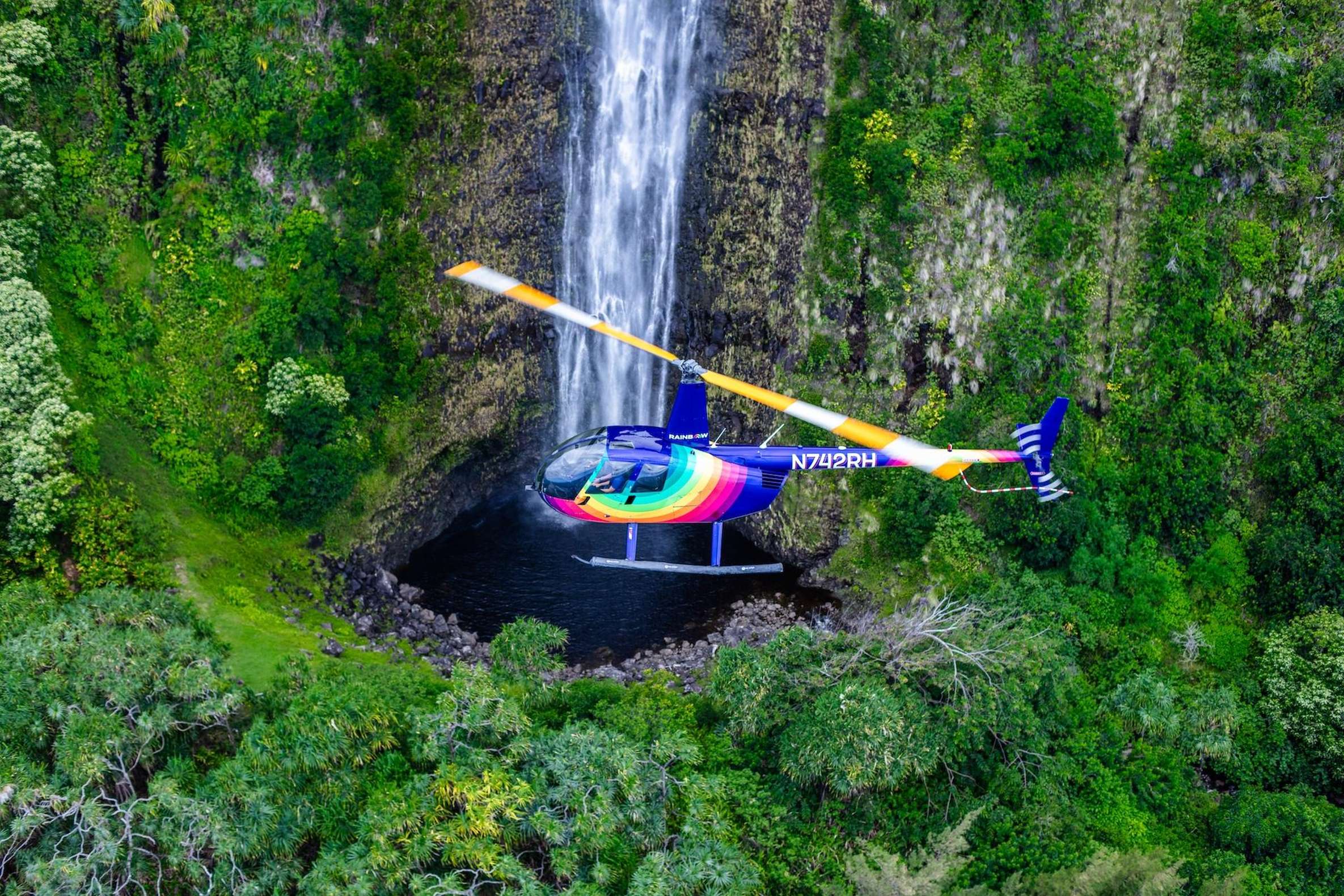
Driving from Kona or Waikoloa to Hilo vs flying from the west side
Here is the logistics trap worth naming. Hilo flights are shorter and cheaper because the heliport sits next to the volcano. From a Kona or Waikoloa resort, the temptation is to drive across Saddle Road to catch one.
The drive takes about 1 hour 45 minutes to 2 hours without stops, and the official airport guidelines suggest allowing 1.5 to 2.5 hours for weather and elevation along the highway.
Do that twice and you have burned most of a day, and it can backfire entirely: if Hilo's weather cancels the flight or a passenger minimum is not met, you are 100 miles from your resort with nothing to show for it.
A direct flight between the two airports takes about 35 minutes, so driving is rarely even faster.
The west-side heliports are close. From Waikoloa resorts, the Waikoloa Heliport is about a 6-minute drive; Kailua-Kona sits roughly 23 minutes from Kona International Airport. A west-side departure trades a lower fare for hours of your vacation, and the flight itself covers more of the island.
If you are staying east anyway, Hilo is the natural base. If you are staying west, fly west.
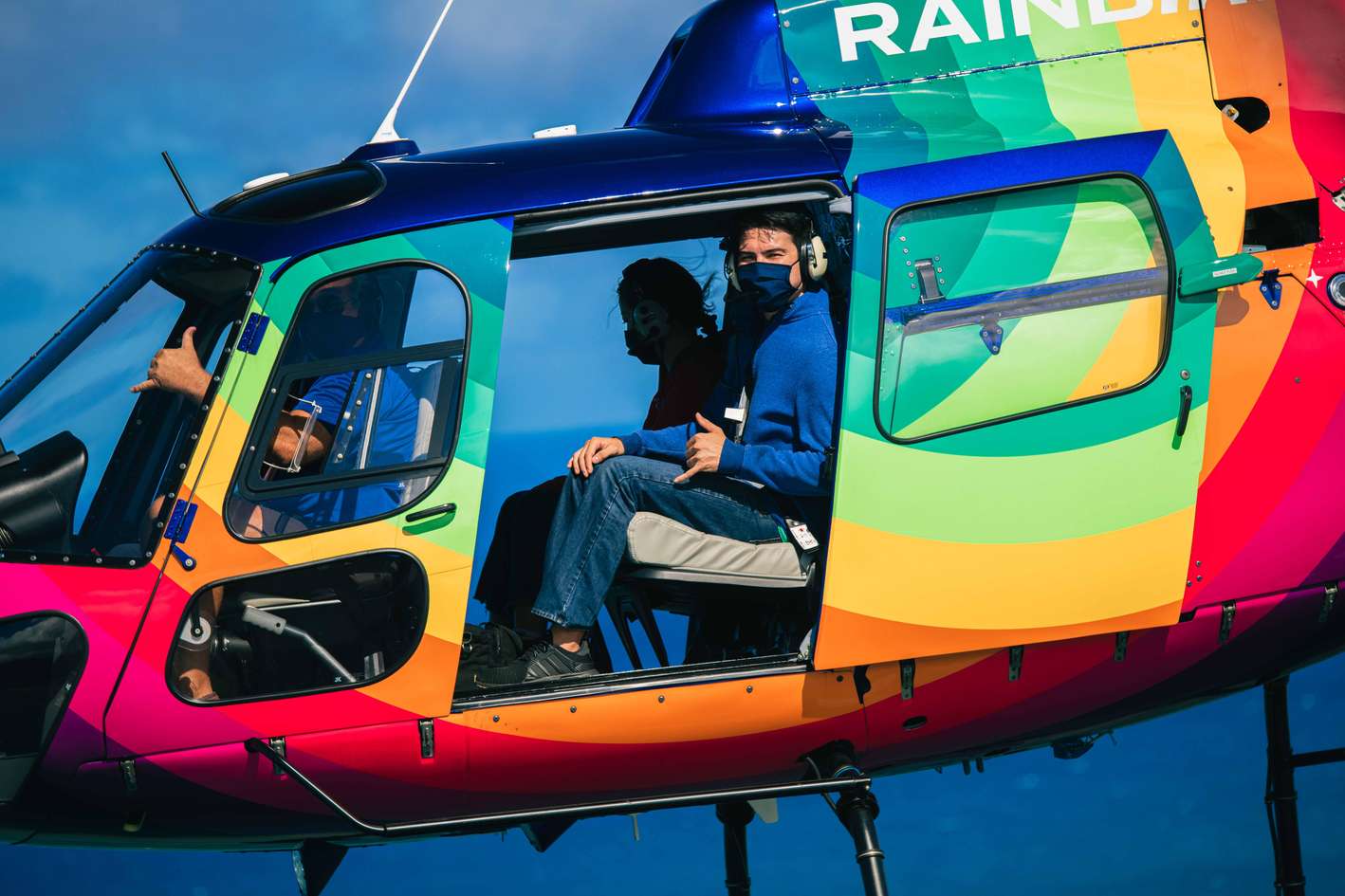
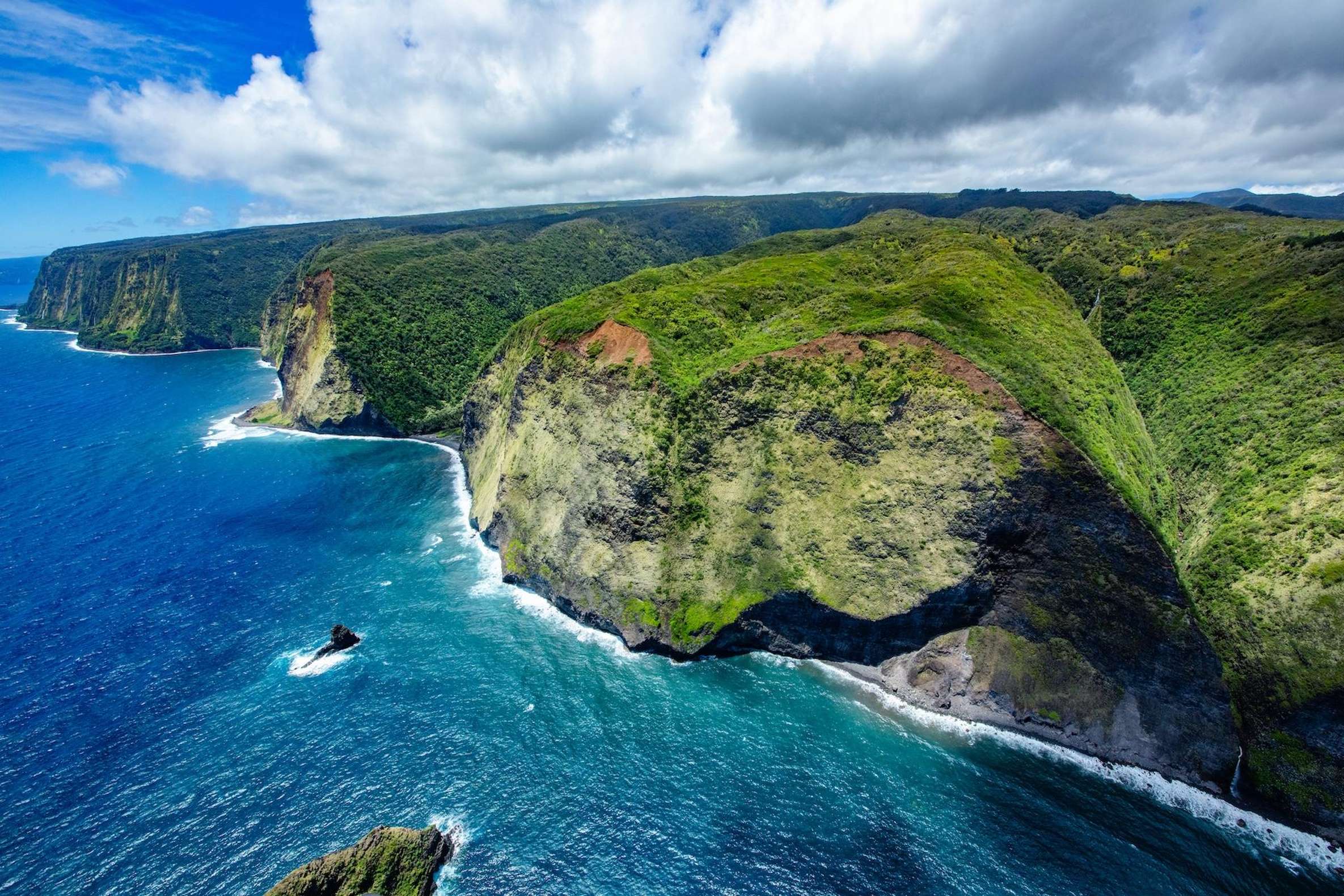
How Hawaii weather reroutes or cancels helicopter flights
Every Hawaiian island packs several microclimates into one flight path, and weather reshapes routes constantly. Low clouds, rain and volcanic vog can obscure the summits and crater areas, and when conditions fall below safety minimums pilots divert.
On park routes, a pilot who cannot hold the prescribed altitude in weather must leave the route and either pick another where conditions allow or exit the plan boundary altogether.
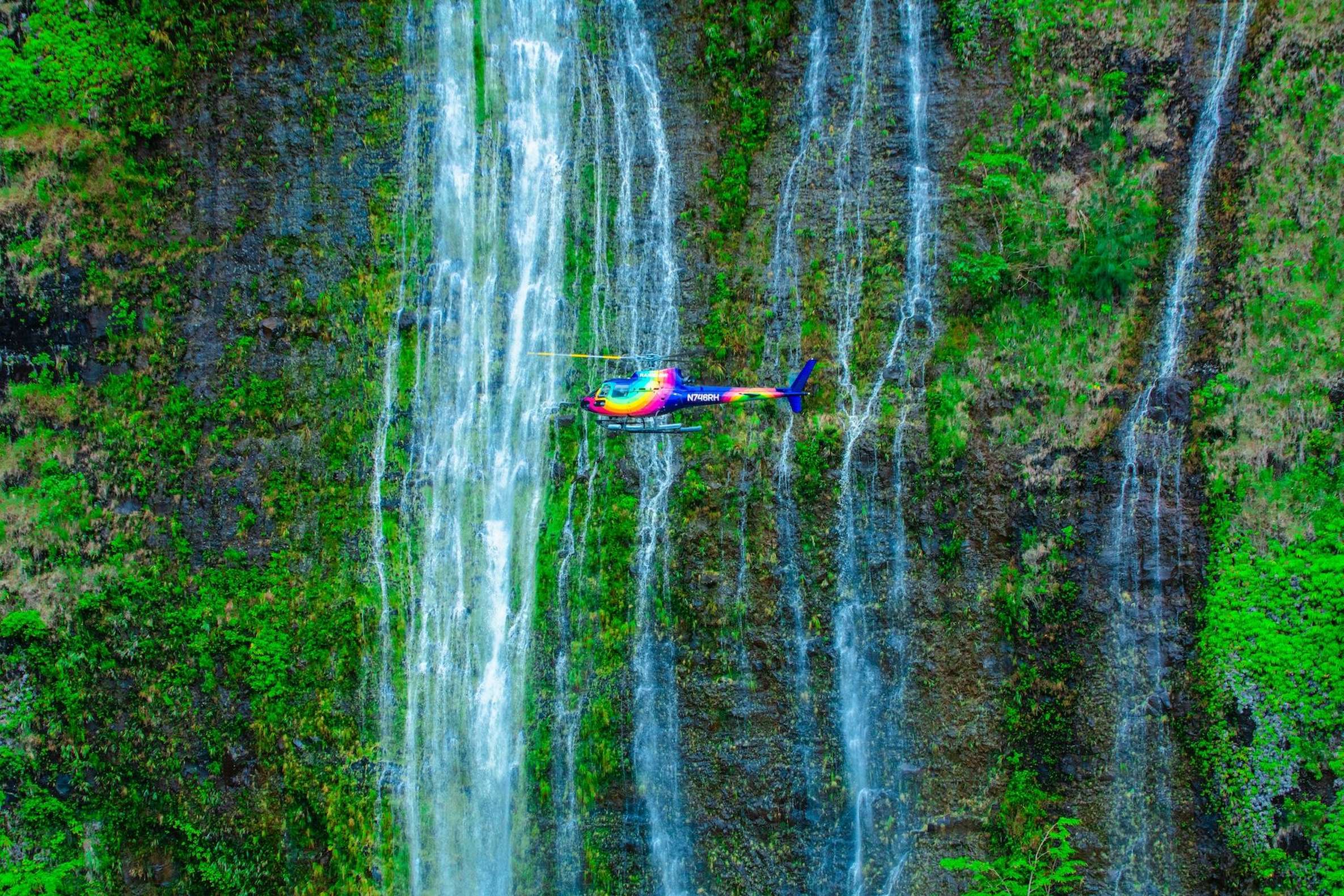
The reroute is standard practice for good operators. When clouds block the volcano, flights typically swing toward windward sights: older coastal lava fields and rainforest waterfalls, which often run stronger right after a passing shower.
Isolated showers along the Hamakua Coast are normal and rarely stop a tour; it is sustained low cloud and heavy rain that ground flights.
When a flight is canceled outright, reputable operators reschedule you or refund in full. One operator gives no refund for a rerouted route or shortened flight time, so a partial disappointment is possible even when the flight goes. Another reschedules to another day, or refunds fully if no slot works for you.
If the weather turns
| If this happens | What happens then |
|---|---|
| Weather closes your route | The pilot exits to another route where conditions allow, or leaves the plan boundary |
| Flight canceled for poor weather or low clouds | You get a reschedule or a full refund |
| Operator moves your tour to another day and no slot suits you | Full refund, no penalty |
| Operator reroutes or shortens the flight but still flies | Some operators pay no discount for the change |
All of this is why the flight belongs early in your trip, never on the last day, so a canceled morning has somewhere to move to.
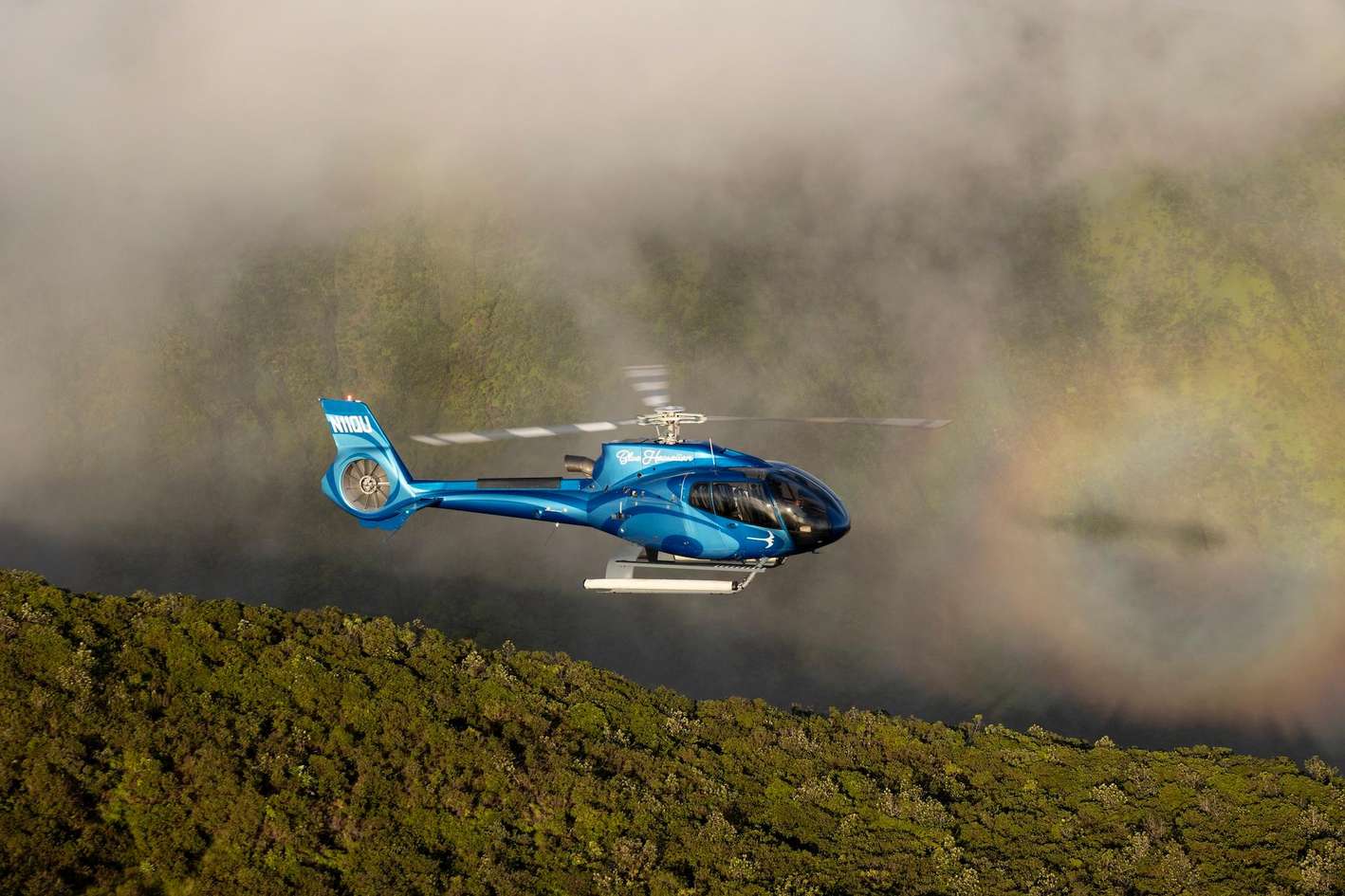
Best time of day to fly for clear views
The hour you book decides half your visibility.
Trade winds, thermal turbulence and cumulus cloud build over the interior ridges from midday, peaking between 2 and 4 pm, so morning slots between 8 and 11 am give the calmest air and the clearest skies over Kilauea, the Kohala valleys and the Kona coast before the afternoon haze stacks up.
The pattern repeats island by island. On Kona, morning waters sit nearly cloud-free while clouds gather on the middle and upper slopes later in the day.
Over Hualalai, afternoon upslope clouds form a belt that frequently forces flights to stay on the coastline instead of climbing to the volcano or Ka'upulehu Crater. An early slot also gives you the best chance at Mauna Loa's high peaks before clouds build over its upper slopes.
Hilo breaks the rule. The windward side sees early morning rain, so late morning around 11 am is the sweet spot there, after the showers pass and before the day's cloud fully settles in.
Cooler slopes usually mean less cloud over the mountains.
Windward showers may drift through, while interiors are often open.
Cloud begins stacking over mountains and interiors.
Cloud build-up can obscure the crater and change the route.
Cloud often thins toward evening, but views remain variable.
Peak-season mornings, June through August and the December holidays, sell out 2 to 4 weeks ahead, and the prime early slots often go a month or more in advance. Book the morning slot while it is still on the calendar.

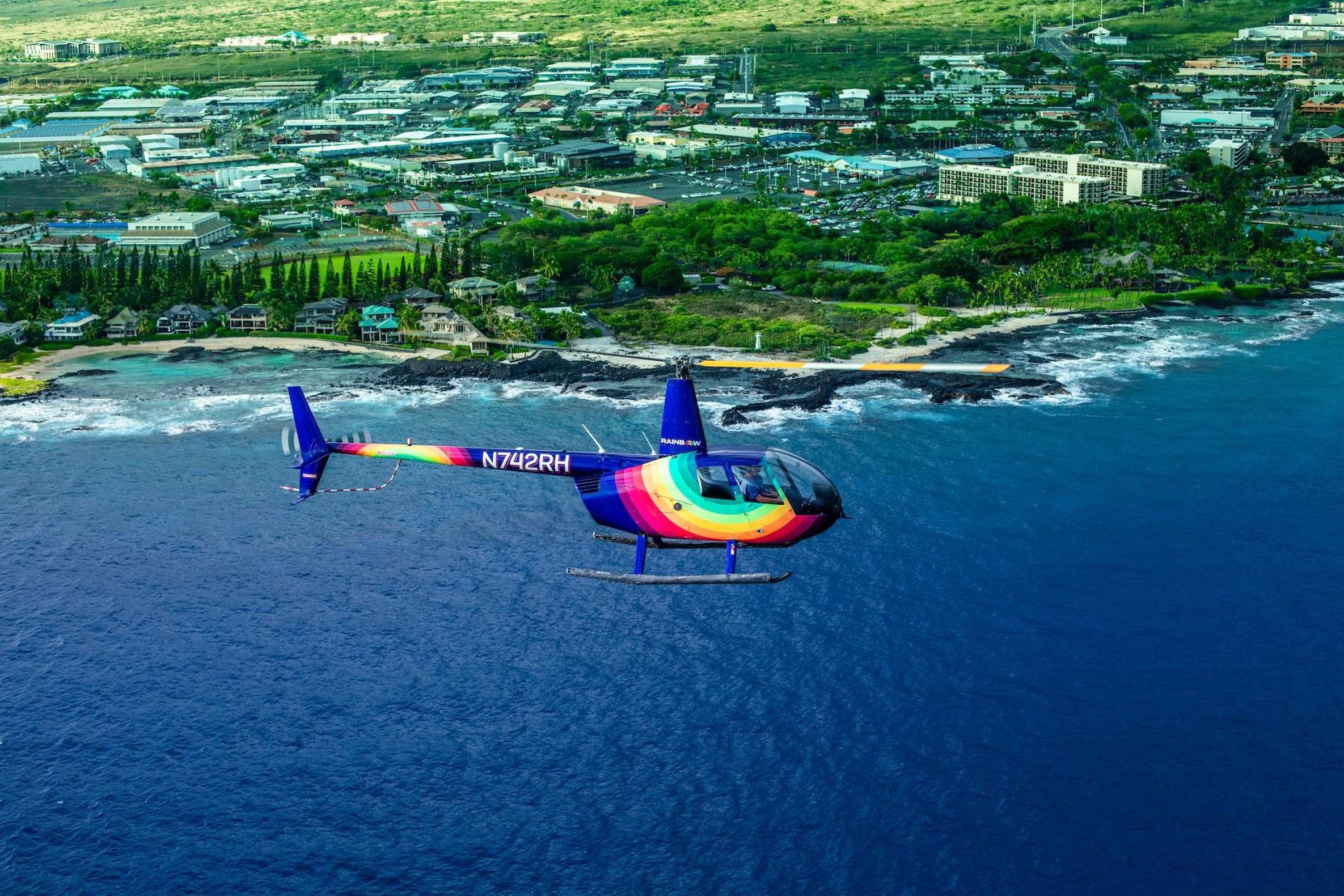
What Hawaii helicopter tours cost and cheaper alternatives
No avoiding it, this is a big-ticket activity. A short coastal hop of about 30 minutes is the gentlest entry, and two passengers on a 40-minute flight can easily spend around a thousand dollars at the top end of the market.
Full-island routes cost more still. Two practical trims exist: booking directly on an operator's own site often beats the rate at a hotel activity desk, and a timeshare presentation is a poor trade for hours of your island time.
If the fare stings, a fixed-wing airplane tour costs roughly half the price and gives panoramic views of the same volcanic terrain. The trade is real: planes fly higher and cannot hover beside a crater or drop into a valley, so the close-up vantage is the helicopter's alone.
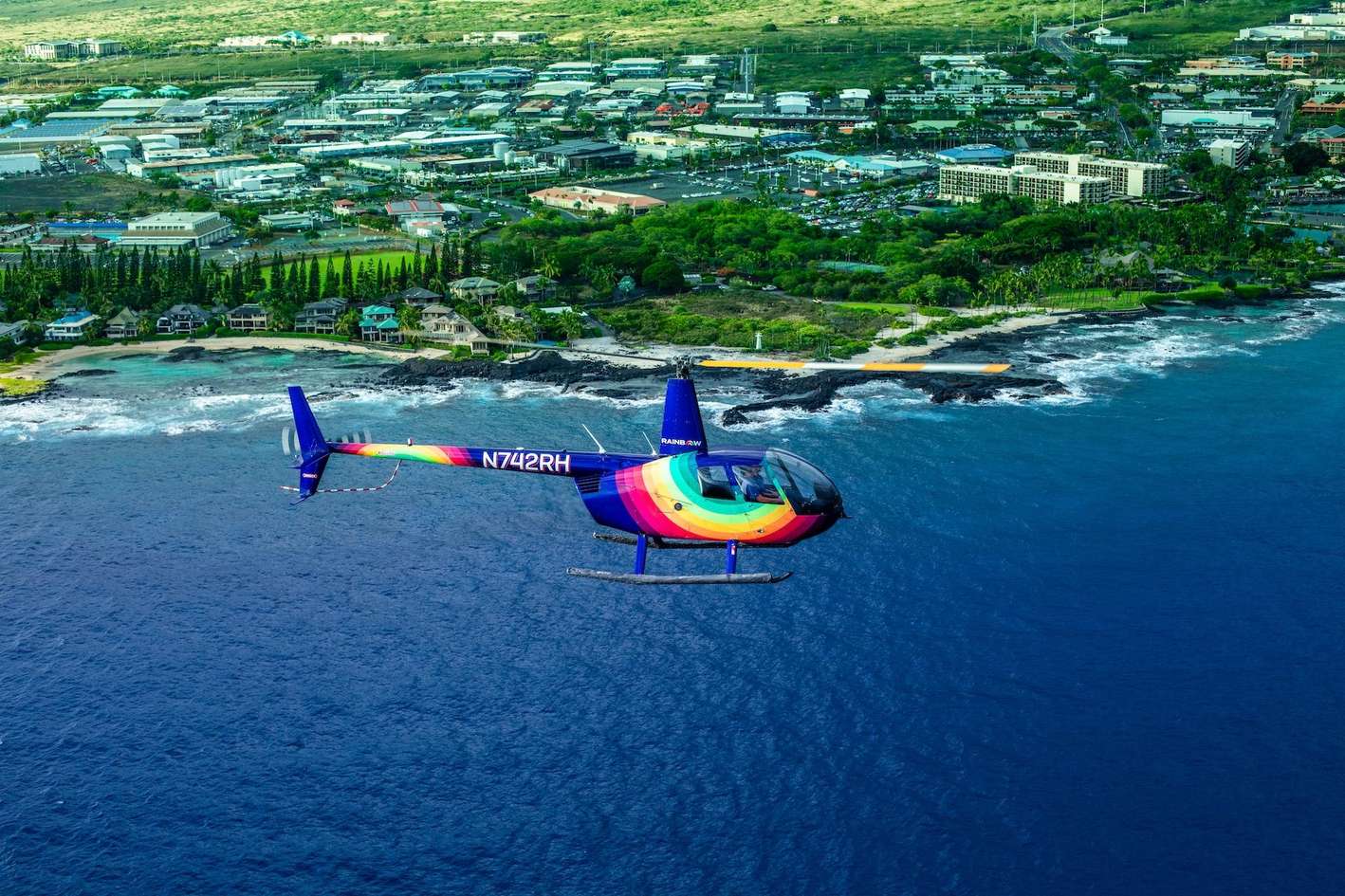
For anyone still weighing the spend, a short coastal loop answers the question cheaply. The Kailua-Kona: Scenic Coastal Helicopter Tour, Doors On or Off runs 30 minutes over Kailua Bay, the ancient Kaloko Fish Ponds, Kona coffee farms and Magic Sands Beach, with doors on or off and live commentary.
If that half hour leaves you hungry for the valleys and the volcano, step up to the longer routes with confidence.
How to prepare - seats, weight limits, clothing and motion sickness
Check-in comes first: arrive about an hour before takeoff for weigh-in and the safety briefing, though one Hilo operator asks for 45 minutes. Weights are taken for a reason. FAA balance rules dictate every seat assignment, which means you cannot pick your seat or count on sitting together.
Larger six-passenger helicopters have middle rear seats with partial obstructions; smaller four-seat aircraft give every passenger a window. Mention severe motion sickness to ground staff and they can sometimes place you forward, where the open horizon helps.
Clothing does real work. Wear dark, solid colors, since bright clothes reflect in the windows and end up in your photos.
Doors-off flights run 10 to 15 degrees cooler with the wind, so long pants, a long-sleeved shirt and a windproof layer, with closed-toe shoes and long hair tied back. Loose hats, scarves and bags stay behind, and phones and cameras need a wrist or neck strap.
Helicopter flights are generally smooth, and travelers prone to car or boat sickness often feel nothing in the air
FAA weight-and-balance rules set every seat, so groups are often split across rows
Modern touring helicopters use raised theater-style rear seating and wraparound glass, so the view stays wide
Motion itself is rarely the problem; the tight banking turns through Kohala's valleys are. Ginger chews or non-drowsy medication taken before boarding work far better than anything taken after the first turn. Eat light, skip alcohol, and know that anyone who has scuba dived in the previous 24 hours cannot fly.

How safe are helicopter tours in Hawaii
The numbers first. Fatal air tour accidents in Hawaii average fewer than one a year across all islands and high daily flight volumes, and the statistical risk of injury on a commercial tour compares with, or sits below, a daily interstate commute on the mainland.
The rules behind that record are specific to Hawaii. Air tours may not fly below 1,500 feet or closer than 1,500 feet to people or property, and pilots may operate only at height and speed combinations that allow a safe landing if an engine fails.
Every rotorcraft tour files a performance plan before departure, and the pilot must fly it. Single-engine helicopters crossing open water carry flotation gear, and passengers are briefed on water landings before any offshore segment.
A 2009 study found the crash rate fell 47% after Hawaii's 1994 air tour rule, from 3.4 to 1.8 per 100,000 flight hours. If an engine does fail, helicopters do not fall; pilots train on autorotation glides that bring the aircraft down under control.
Operators also refuse bad weather, canceling, delaying or rerouting rather than pushing into heavy rain. Two checks worth making before you book: which helicopter model the operator flies, and how long the company has run tours continuously. Both say more about a flight than any brochure.
What else to do near Hilo after your flight
A morning volcano departure leaves most of a day, and Hilo spends it well. Rainbow Falls, the 80-foot Waianuenue, sits just 1.5 miles from downtown, and Boiling Pots lies two miles upriver; the two fit easily into a single 45-minute outing along the Wailuku River.
North of town, Akaka Falls drops 442 feet, reached on a paved 0.4-mile loop trail about 25 minutes from Hilo.
Back in town, Lili'uokalani Gardens spreads along Hilo Bay with Coconut Island just offshore, and the Hilo Farmers Market opens daily at 7 am at Kamehameha Avenue and Mamo Street. The Pacific Tsunami Museum keeps downtown hours from 10 am to 4 pm.
The bigger prize sits 45 minutes away: Hawaii Volcanoes National Park is a 45-minute to one-hour drive from Hilo, versus a 2-to-2.5-hour drive from Kailua-Kona on Highway 11.
Ground time and air time answer different questions here. The park's paved lookouts and crater rim trails give you the intimate, on-foot scale, while the morning's flight showed you the roadless context around it.
- 1Big Islandroadless valleys, sea cliffs, hidden waterfallsDirections
- 2Kauai90% inaccessible by roadDirections
- 3MauiMolokai sea cliffs, roadless valleysDirections
- 4Oahusecluded beaches, ridge-top landingDirections
This is also the argument for Hilo departures in general: the flight, the park and the waterfalls all sit within an hour of the same small town, so the day stacks instead of spreads.
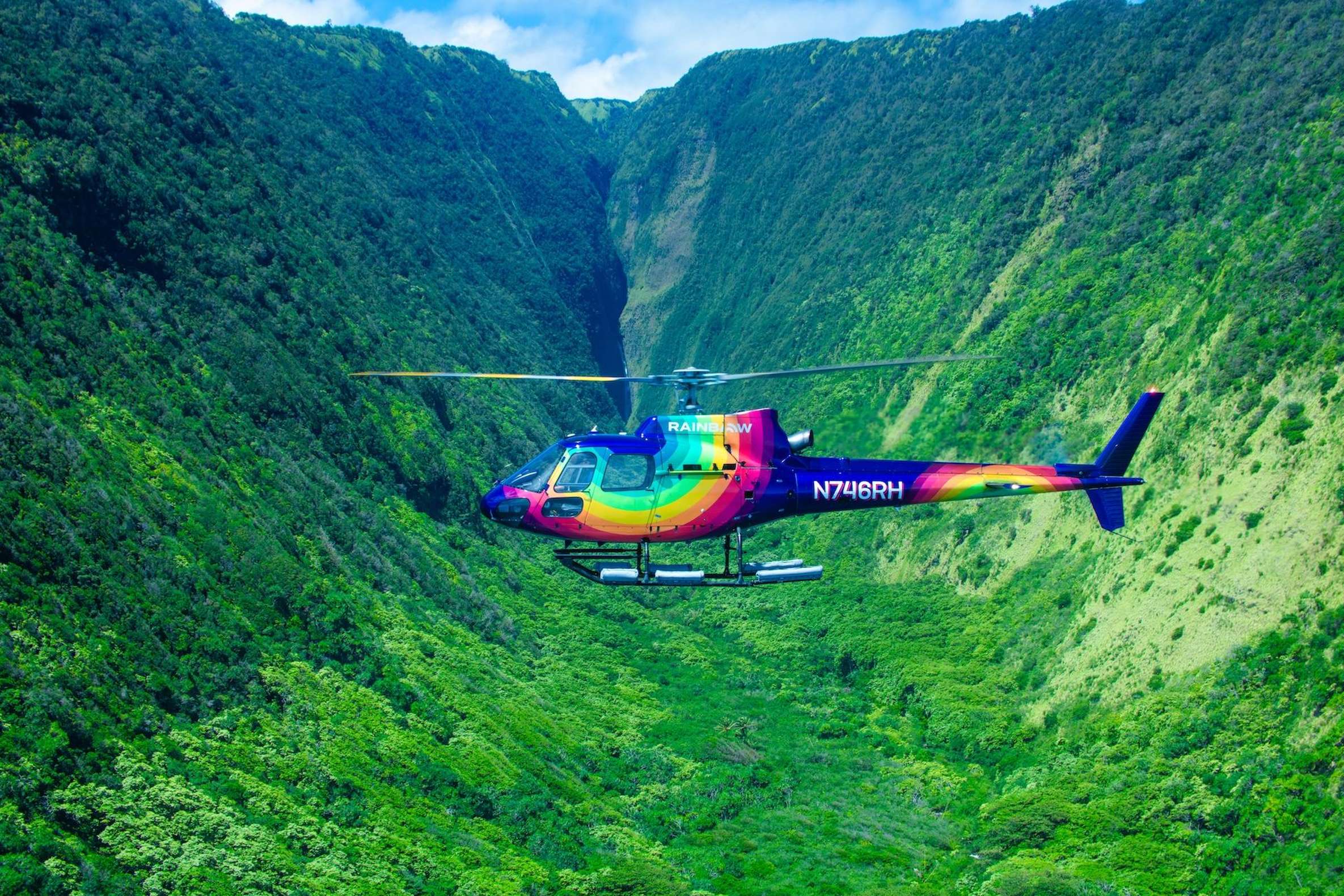
The verdict - who should book and who should skip
Worth it, plainly, for travelers who want terrain no road reaches: fly Kauai for cliffs and canyons, or the Big Island when you want lava country, with a full-island route from Waikoloa as the strongest single flight.
Book an early morning slot on your first or second day, wear dark clothes, and treat a weather reroute as part of the deal.
The answer shifts for a few readers. If the budget is the deciding factor, an airplane tour delivers the volcanic overview at roughly half the cost, minus the hovering. Families with children under ten often find fixed-wing flights gentler.
If you have already flown Kauai, a Big Island flight still adds something distinct, its volcanic focus, but a quiet volcano makes it a harder spend, so time it to current activity.
One last note on the aircraft itself: an EC130 EcoStar runs quieter and smoother with wider glass than a conventional A-Star, while a Hughes 500 doors-off flight trades comfort for wind and unobstructed photography. Pick the machine that matches what you want from the hour.
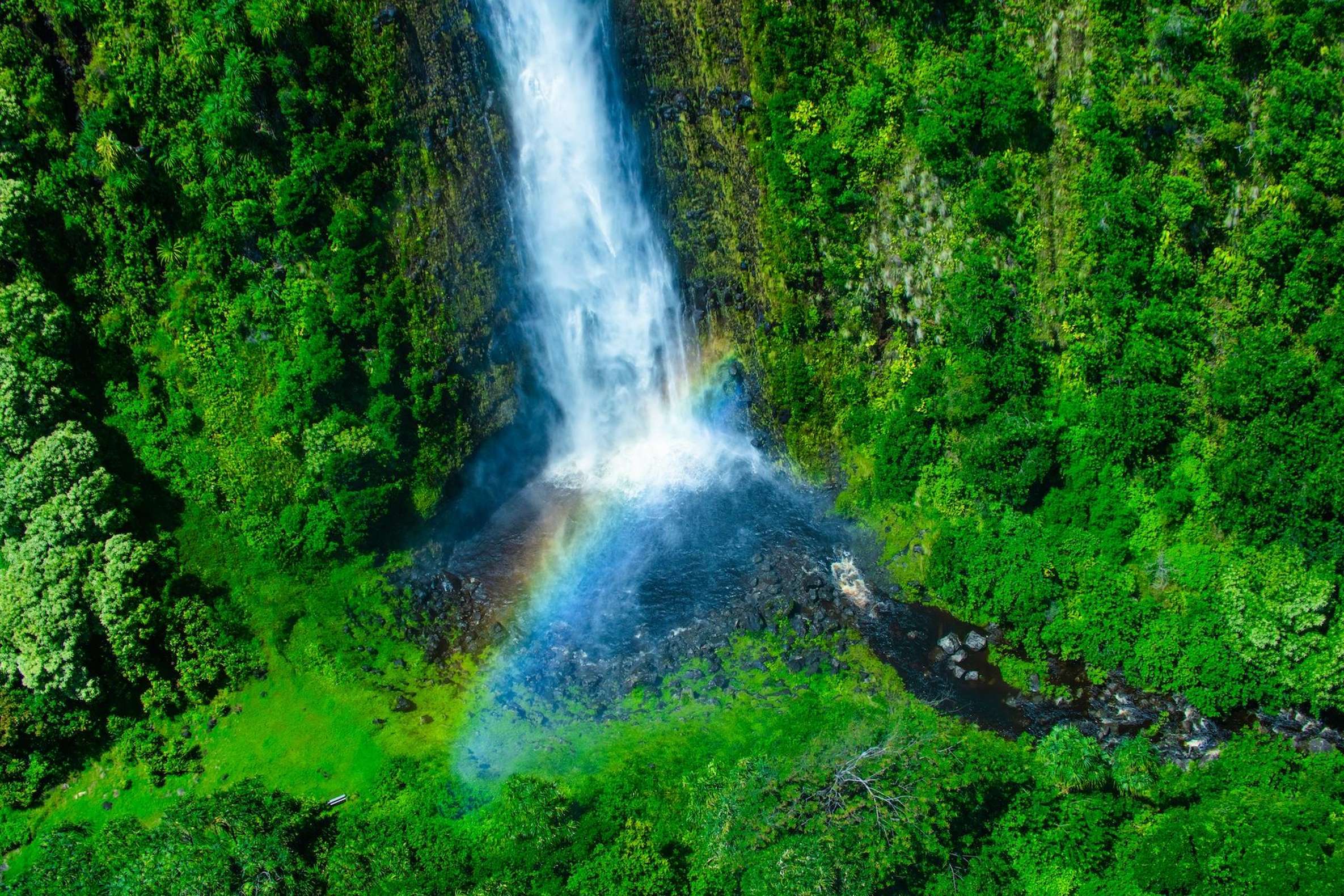
Fantastic trip! Pilots Ben and Joey knew so much about the Big Island and volcanoes. Weather cooperated and we saw everything. The open-door tour was so different - so glad we did it!
Worth it, on the right island and route
A Hawaii helicopter tour is worth the money when it flies terrain you cannot drive to, which is exactly what Kauai and the Big Island deliver.
On the Big Island, book the full-island route from Waikoloa for the widest scenery, or a Hilo volcano flight when lava is running and you want the crater focus. Book morning, early in the trip, in dark clothes.
What to know before you book a Hawaii helicopter tour
You do not pick your seat. The operator assigns seating by passenger weight to balance the aircraft, and federal rules set the assignments, so couples and families cannot count on sitting together. In larger six-seat helicopters, a middle rear seat can have a partly blocked view.
Plan to arrive well before departure: one Big Island operator asks passengers to be there a full hour ahead. Weigh-in and the safety briefing take that time, and late arrivals can be turned away without a refund.
Doors-on cabins are climate controlled, so casual clothes work and a heavy jacket gets warm. Doors-off flights run 10 to 15 degrees cooler in the wind, so wear long pants, a long-sleeved shirt and a light jacket. Dark colors help, because light clothing reflects in the windows and shows up in photos.
On doors-off flights, nothing loose rides in the cabin. Hats, scarves, purses, bags, water bottles, selfie sticks and spare lenses get stowed or left behind, and phones and cameras must sit on a wrist or neck strap. Long hair needs tying back, and closed-toe shoes are required.
If you have been scuba diving within 24 hours of the flight, you cannot board. Lower cabin air pressure raises the risk of decompression sickness, so operators turn divers away. Schedule a dive after the flight, not before.
Rain and low clouds cancel or reroute flights, and that is a good sign: operators ground flights rather than push into bad conditions. When weather cancels a flight, you get a full refund or the chance to reschedule.
Book the earliest slot you can. Mornings before 11 am give the calmest air and clearest skies over the ridges and valleys, while trade winds and clouds build from midday and peak in the mid-afternoon. Booking early in your trip also leaves buffer days if a flight has to move.
Helicopters fly smoothly, so even people who get carsick or seasick often feel fine in the air. If turns bother you, take ginger or a non-drowsy remedy before takeoff, keep your eyes on the horizon, and ask ground staff about a forward seat, where the wide view steadies the stomach.
“The flight was absolutely worth it. Friendly staff seated us well in the heli.”
Are Hawaii helicopter tours worth it? - FAQ
Are Hawaii helicopter tours worth it?
For most visitors, yes, because the best sights sit in terrain no road or trail reaches: roadless valleys, hidden waterfalls and lava fields you would otherwise never lay eyes on.
A helicopter can also hover and turn in place, so both sides of the cabin get the view. Pilots who know the island's geology and history narrate the whole way, and people who go often say the commentary is half the experience.
One honest caveat: seating is assigned by weight, so a middle seat can trim the value of an expensive ticket.
Which Hawaiian island is best for a helicopter tour?
Kauai and the Big Island top the list. On Kauai, most of the island is unreachable by road, and flights trace the Nāpali Coast, Waimea Canyon and waterfalls dropping off green cliffs in a compact flight area.
The Big Island is the clear pick for volcanic terrain: one flight can cross arid lava fields, rainforest, waterfalls and deep valleys, and it is the only island where lava can appear from the air. Oahu offers the widest mix of landmarks, beaches and cityscape if variety matters most to you.
Is a Big Island helicopter tour still worth it when Kilauea is not erupting?
Scenic volcano flights stay visually dramatic even in a quiet phase, thanks to vast craters, steam vents and old hardened flows set against green rainforest. Some travelers do find long stretches of black lava repetitive when no eruption is running.
In that case people who fly often say the lush valleys and waterfalls of the Kohala Coast impress them more than an inactive crater. If varied landscapes appeal to you, the flight still earns its keep.
Will I see molten lava from the air?
Only when Kilauea is actively erupting, and eruptions come and go in short windows. During a quiet stretch you will see steam vents, crater formations and hardened flows from past eruptions, which remain dramatic from above.
Weather and temporary flight restrictions can also close the airspace over the caldera during an eruption, so pilots reroute around it. Active lava is never guaranteed on any flight.
How does flying compare with driving through Hawaii Volcanoes National Park?
The two give you completely different views of the same landscape. Ground lookouts in the park are paved and easy to reach straight from the parking lot, and trails like the Kilauea Iki hike let you feel the crater up close.
From the air you see how lava flows, vents and craters connect across terrain that is hard to piece together at ground level. Doing both is the strongest combination; the flight alone misses roadside craters and black sand beaches.
Should I book a helicopter tour or a cheaper airplane tour?
A fixed-wing flight costs roughly half of a helicopter seat and gives wide panoramic views, but it flies higher and cannot hover near a crater or a waterfall.
A helicopter drops low into deep valleys and canyons and rotates in place so everyone sees the sight. Families with young children sometimes find the airplane less intimidating. For a close, agile look at the scenery, the helicopter wins.
What happens if bad weather grounds my flight?
Operators cancel, delay, or reroute when heavy rain, low cloud or vog would spoil the route, and a weather cancellation brings a full refund or the chance to reschedule.
Fine print varies: one operator gives no refund when weather forces a change to the route or flight time, keeping the flight itself. Book early in your trip so you have spare days to rebook if the skies close in.
Why can't I pick my own seat or sit next to my partner?
Federal weight distribution rules govern how a helicopter must be balanced, so operators assign seats from passenger weights measured at check-in.
That keeps the aircraft safe in flight, and it also means no one can promise your whole group sits together. On larger six-seat aircraft a middle rear seat can have a partly blocked view; mentioning this at check-in sometimes helps.
Do I tip the helicopter pilot?
Tipping is optional in Hawaii but common, and many guests hand the pilot a gratuity when they land. Ground crew generally share tips left at the desk. A flat amount per couple or per solo passenger is the usual custom, more like a taxi than a percentage of the ticket.
Are Hawaii helicopter tours worth it?
For most visitors, yes, because the best sights sit in terrain no road or trail reaches: roadless valleys, hidden waterfalls and lava fields you would otherwise never lay eyes on.
A helicopter can also hover and turn in place, so both sides of the cabin get the view. Pilots who know the island's geology and history narrate the whole way, and people who go often say the commentary is half the experience.
One honest caveat: seating is assigned by weight, so a middle seat can trim the value of an expensive ticket.