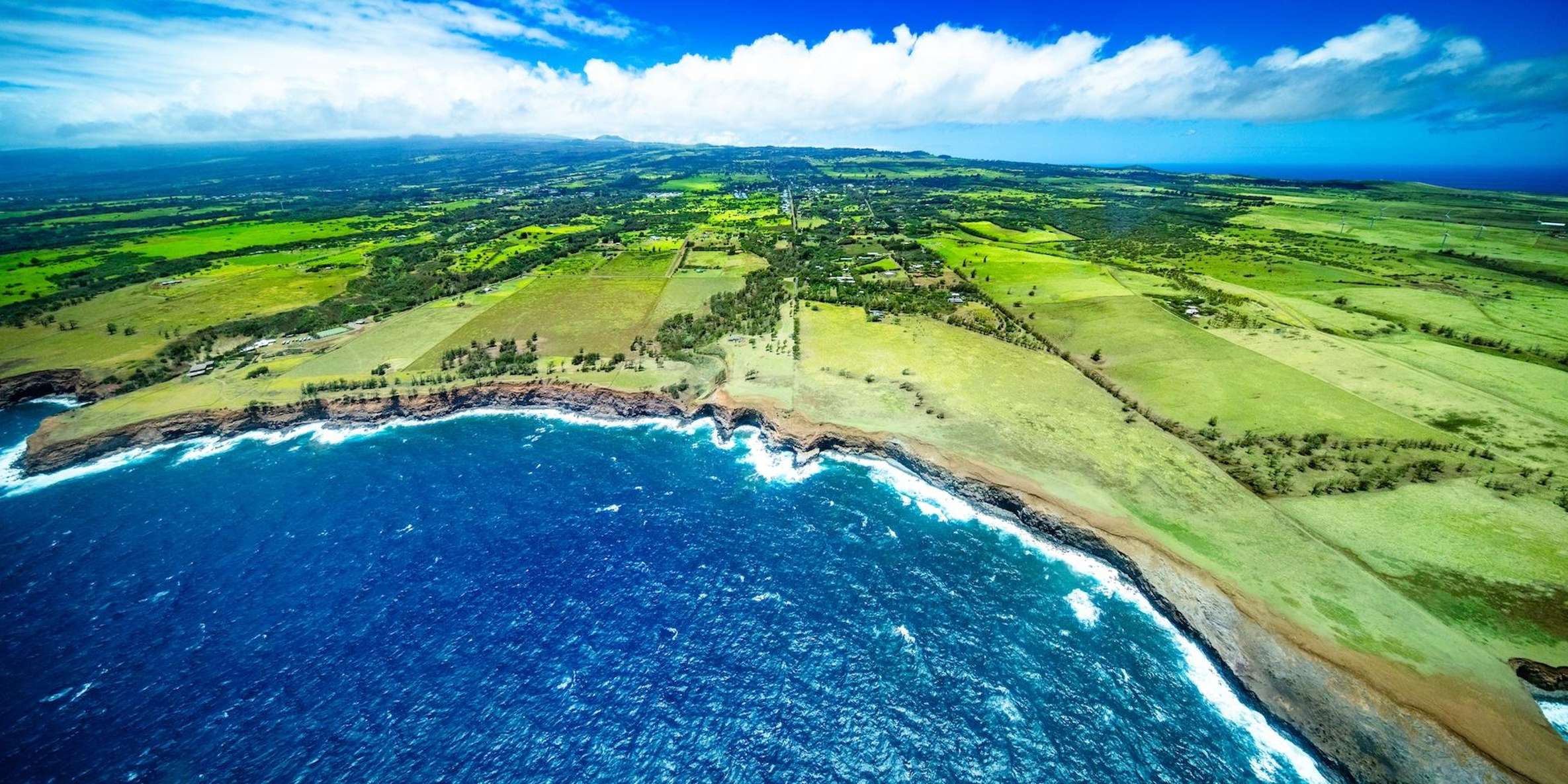
4.5309 watched the 2022 rift lava flows from the air
Mauna Loa Helicopter Tours - Summit and Caldera Flights
See Mauna Loa whole - a shield that covers half of Hawaii Island, and a summit caldera no road ever reaches. Fly with experienced local pilots from Kailua-Kona, doors on or off, on the morning slot that beats the clouds. Pick your flight and lock in a seat today.
4.5★average rating309traveler reviews100%free cancellation23countries travelers came from
Mauna Loa helicopter tours - which one is yours
Mauna Loa covers 51 percent of Hawaii Island, and its full shape only makes sense from the air. The flights here split by departure base and focus: short volcano loops out of Hilo, island-wide routes from Kona and Waikoloa, and private charters that land.
Scuba divingWait at least 24 hours after your last dive before flying, or you can be refused boarding.
ChildrenEveryone from 24 months up buys a full-fare seat, and doors-off flights set their own minimum ages and weights, so check those before booking with kids.
TimingCheck in 45 to 60 minutes before takeoff, and an hour ahead on the Hilo volcano flight, where late arrivals can lose the seat.
Booking windowIn summer and the December to January holidays, morning slots can sell out two to four weeks ahead.
Flight timeAim for a morning departure between 8 and 11 am for the calmest air and the clearest look at the summit.
WeatherLow clouds and vog can close a route; if a flight is canceled for weather, you get a reschedule or a full refund.
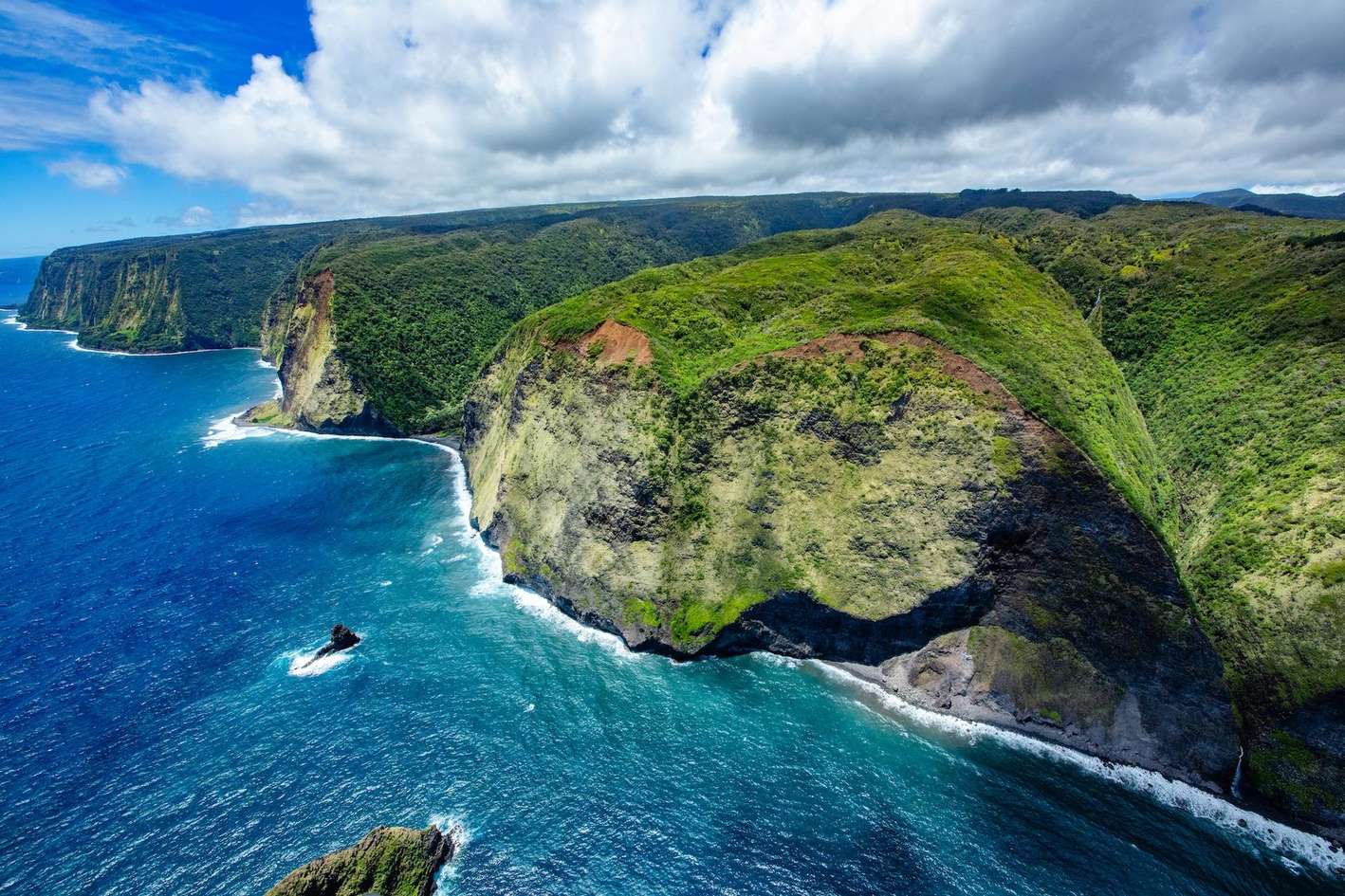
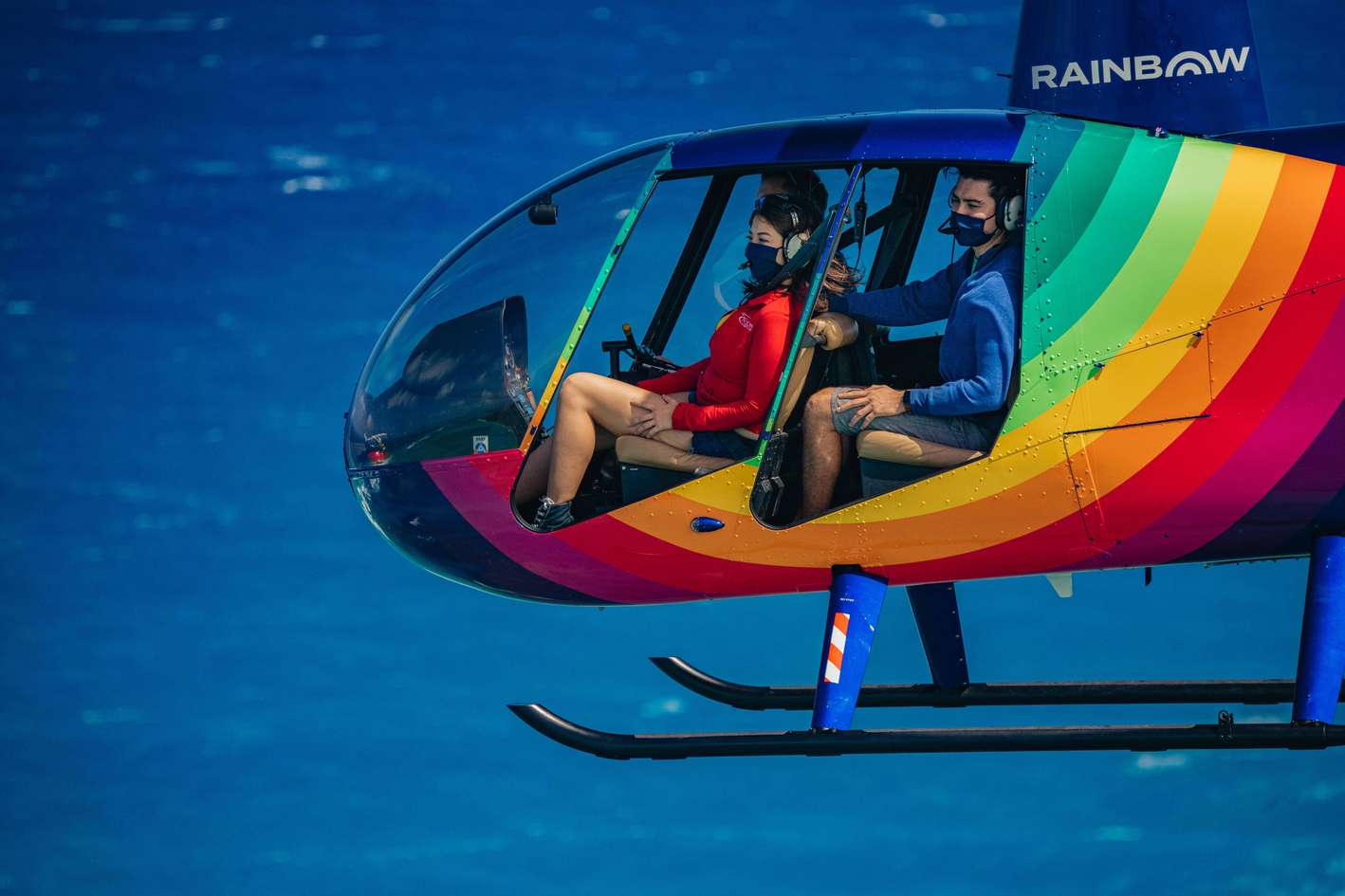
What to wearClosed-toe shoes, warm layers and long pants for doors-off flights, and dark solid colors on any flight to keep window glare out of your photos.
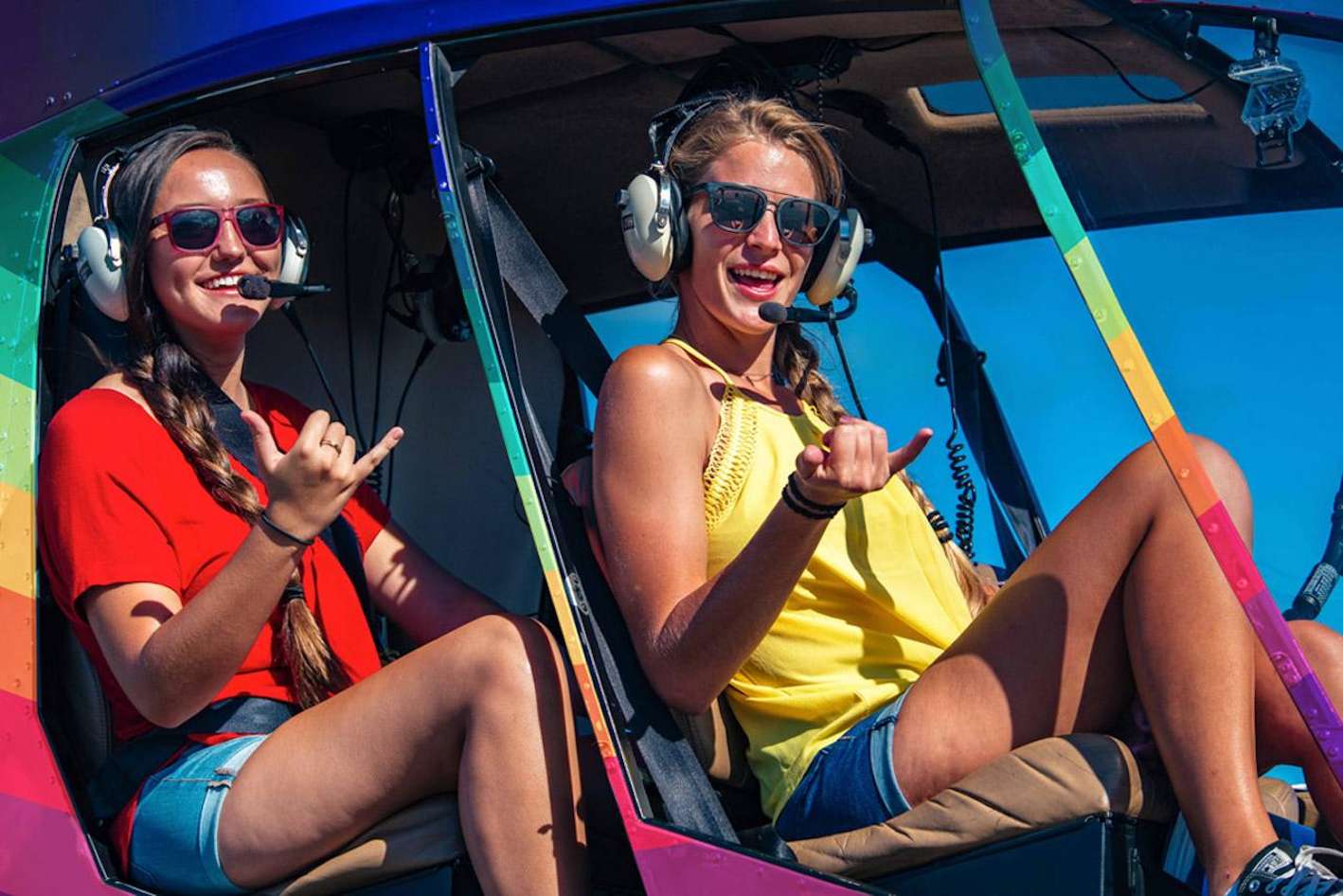
Loose itemsDoors-off flights bar hats, bags, selfie sticks and unstrapped phones; cameras and phones need a wrist or neck strap, and long hair goes back in a tie.
Which Mauna Loa helicopter tour fits your trip
Best value from Hilo
1 hour·English
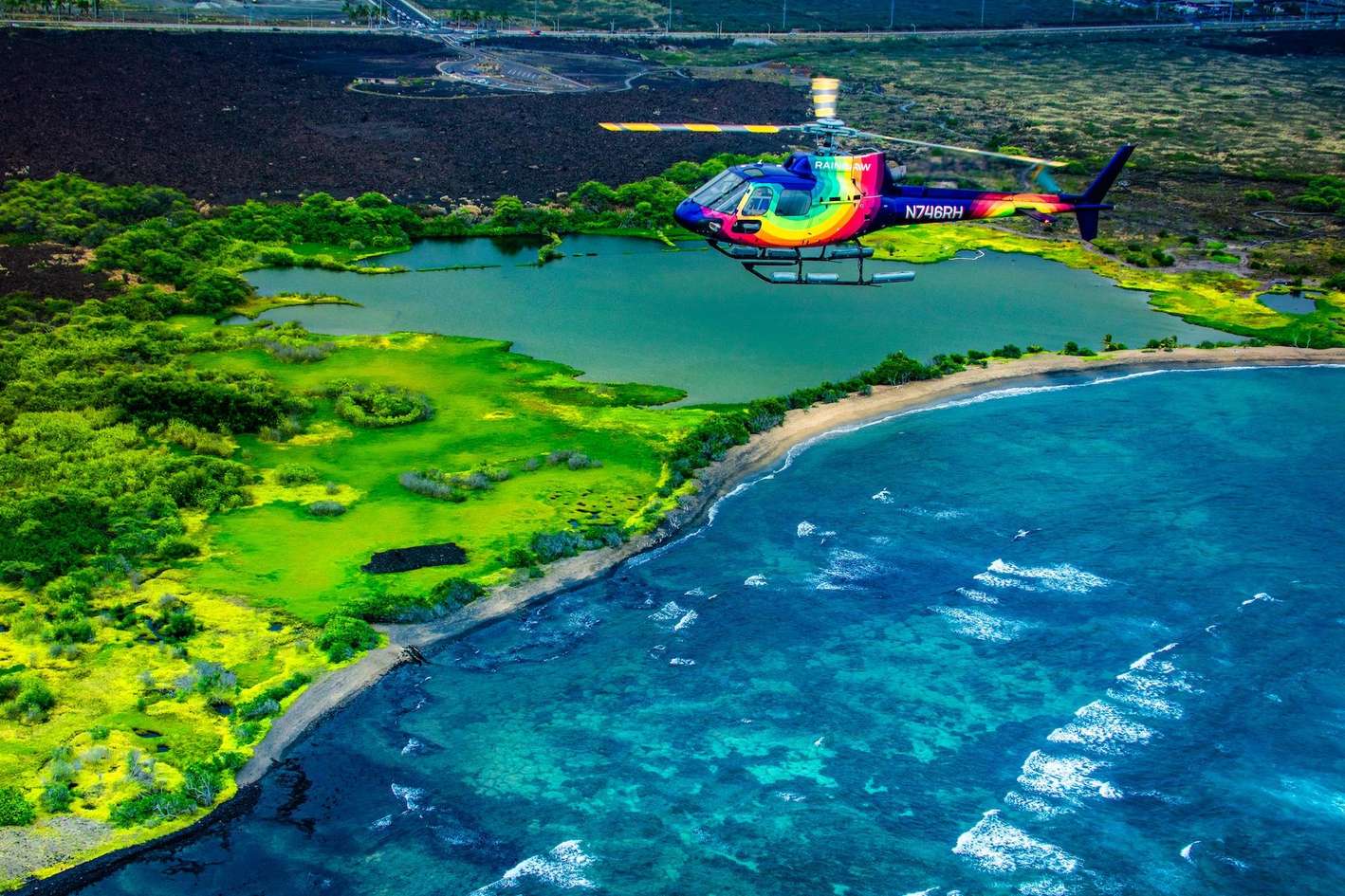
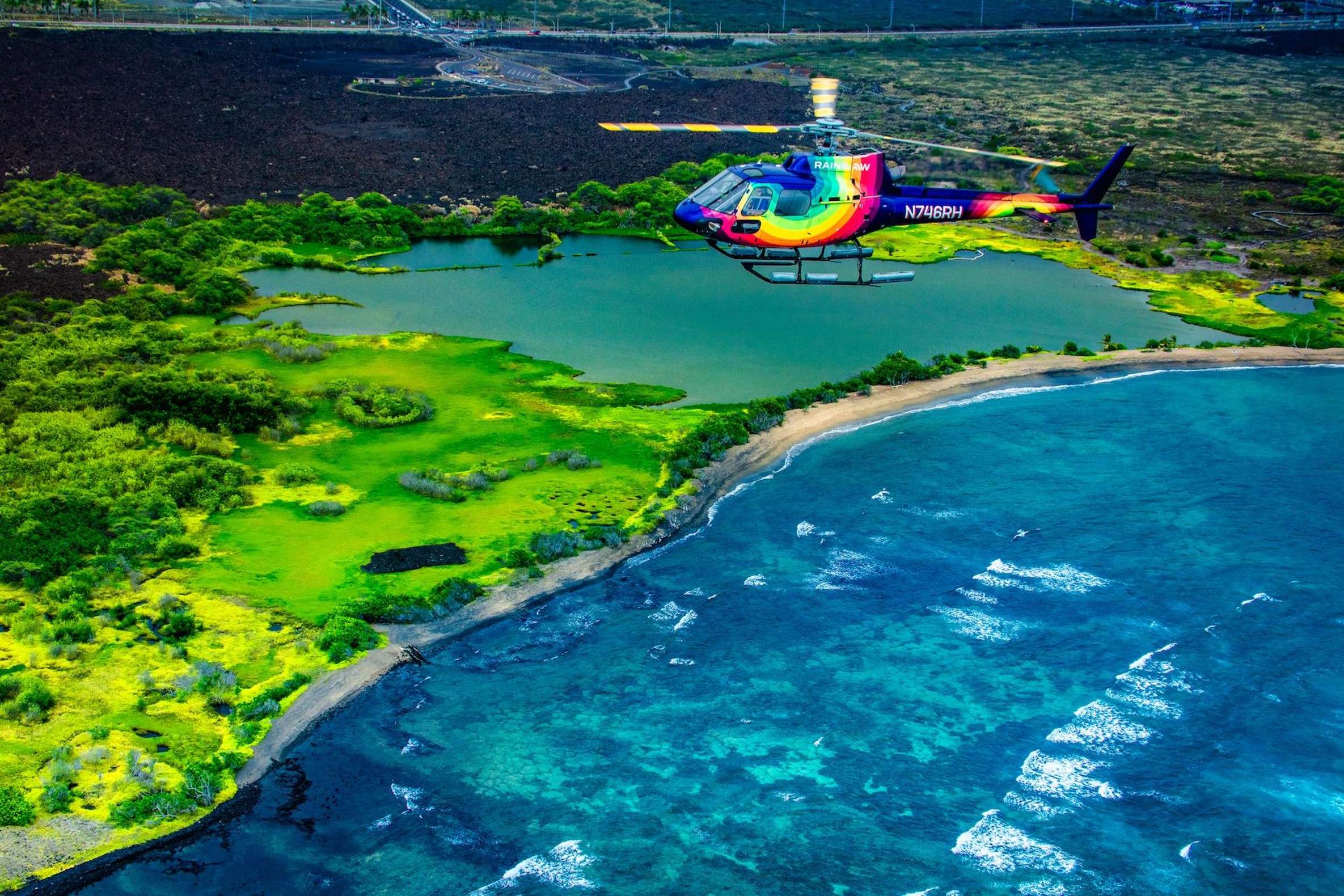
4.2(272)
Hilo: Hawaii Volcanoes National Park Flight
The shortest flight here at one hour, with the most traveler feedback of the four: a 4.2 rating across 272 reviews, and Mauna Loa in view from Hilo.
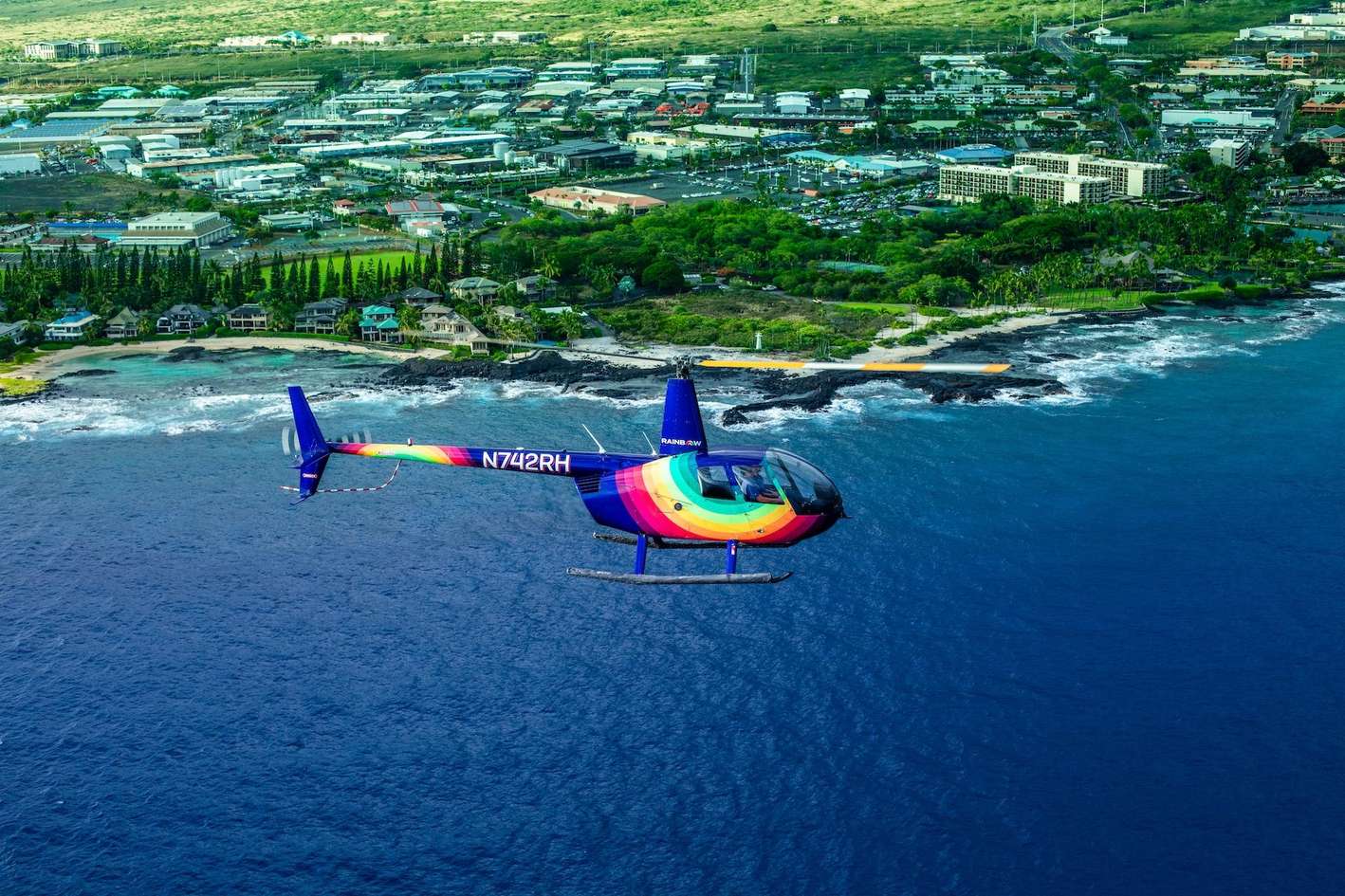
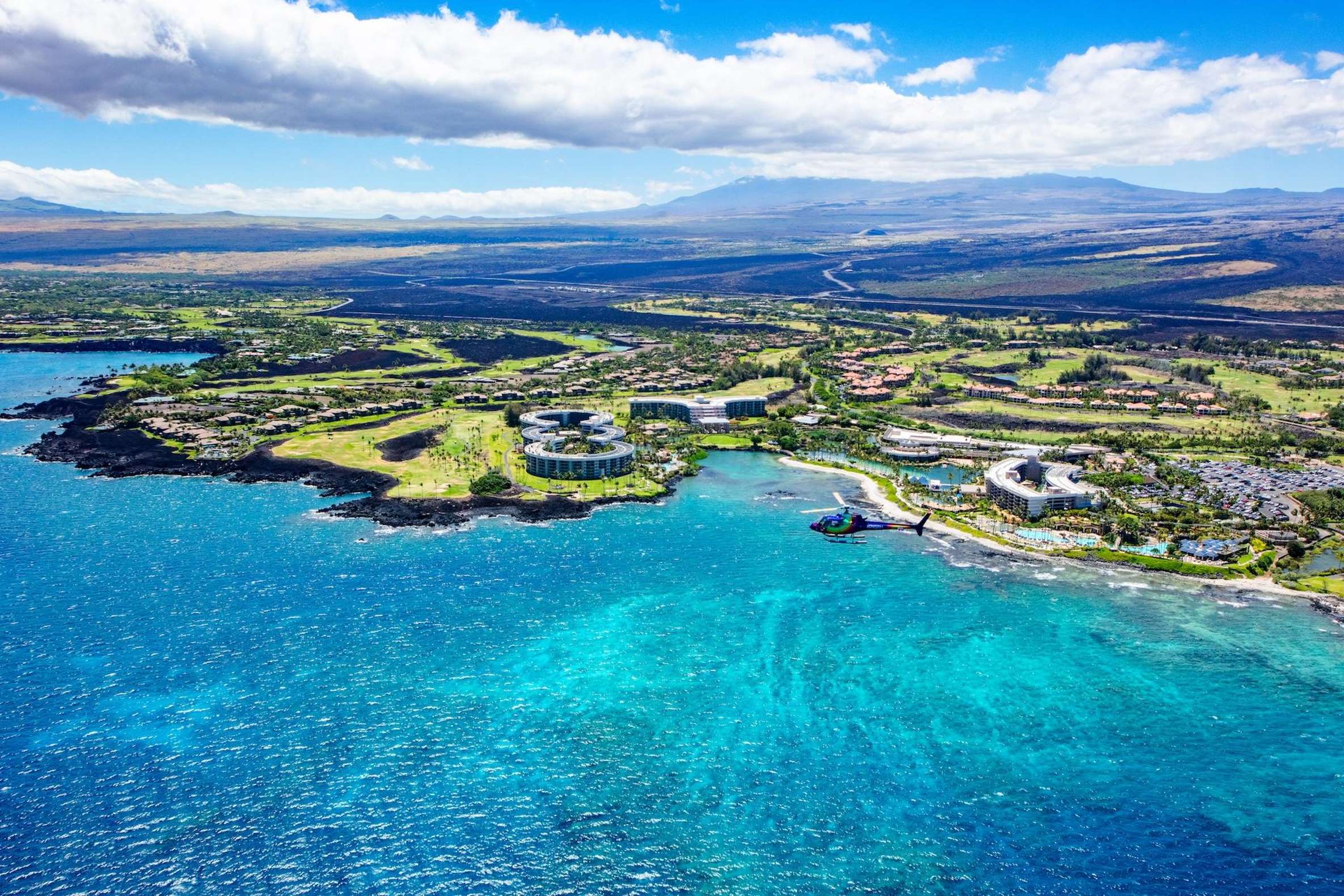
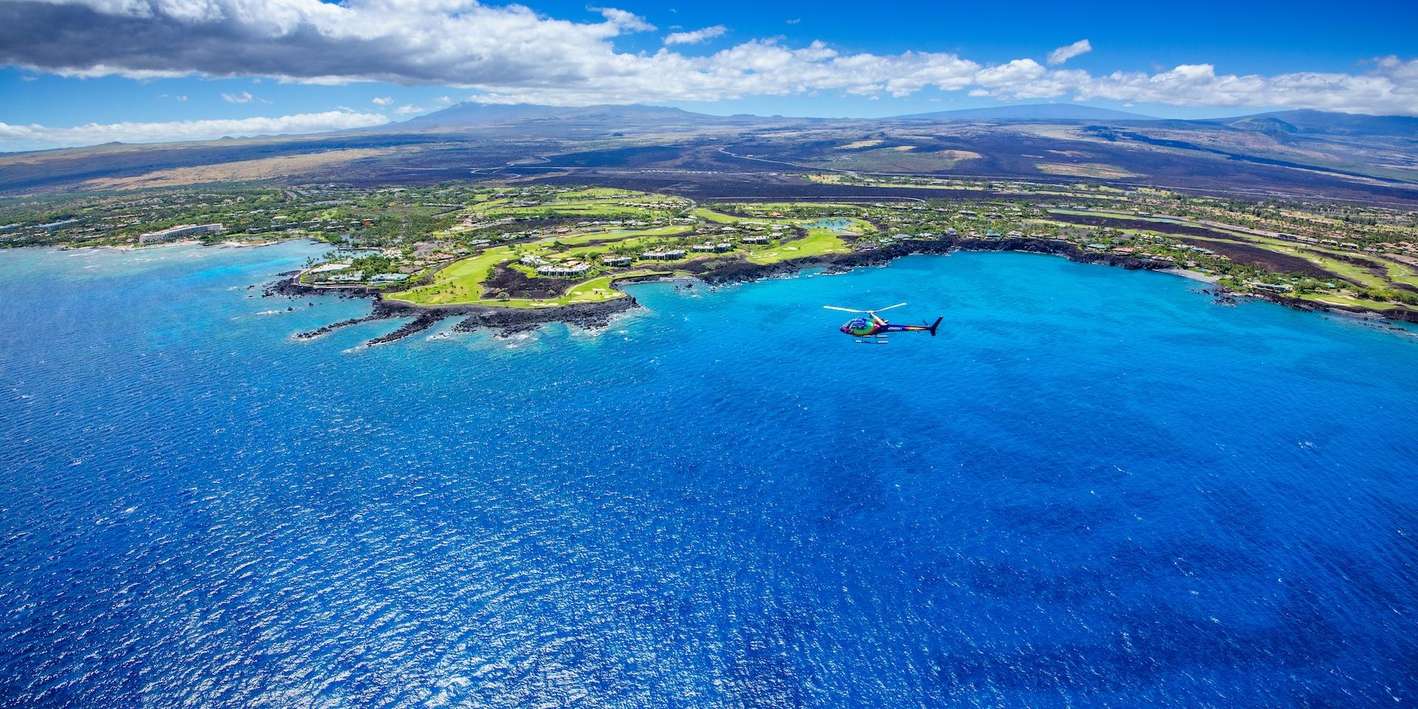
Mauna Loa covers 51 percent of Hawaii Island, and the first long look at it comes early: the pilot climbs out over Kailua Bay and the Long Mountain's broad shield fills the horizon.
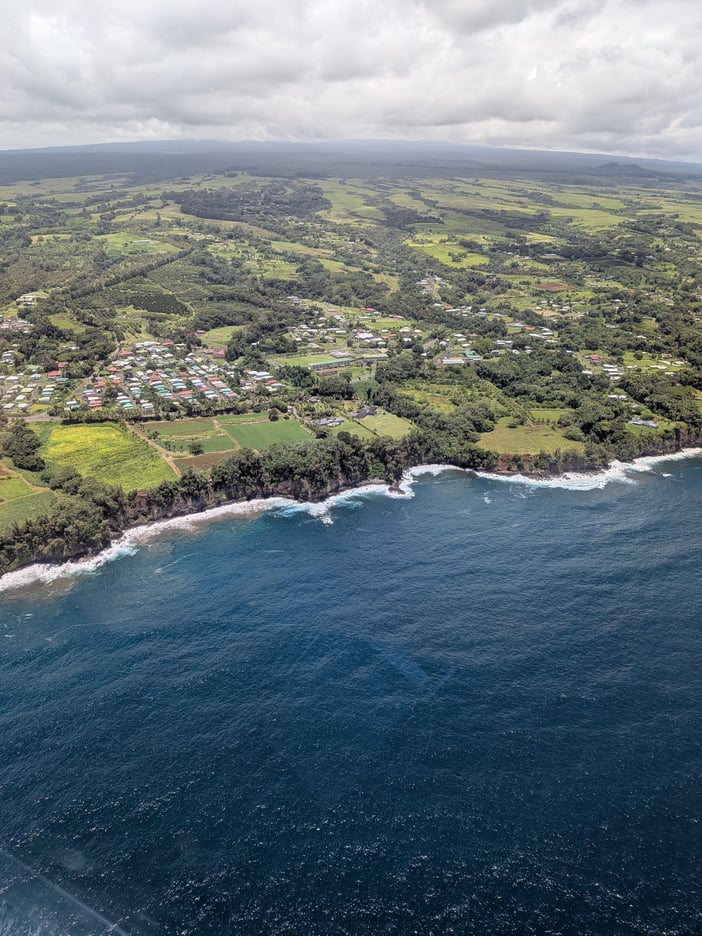
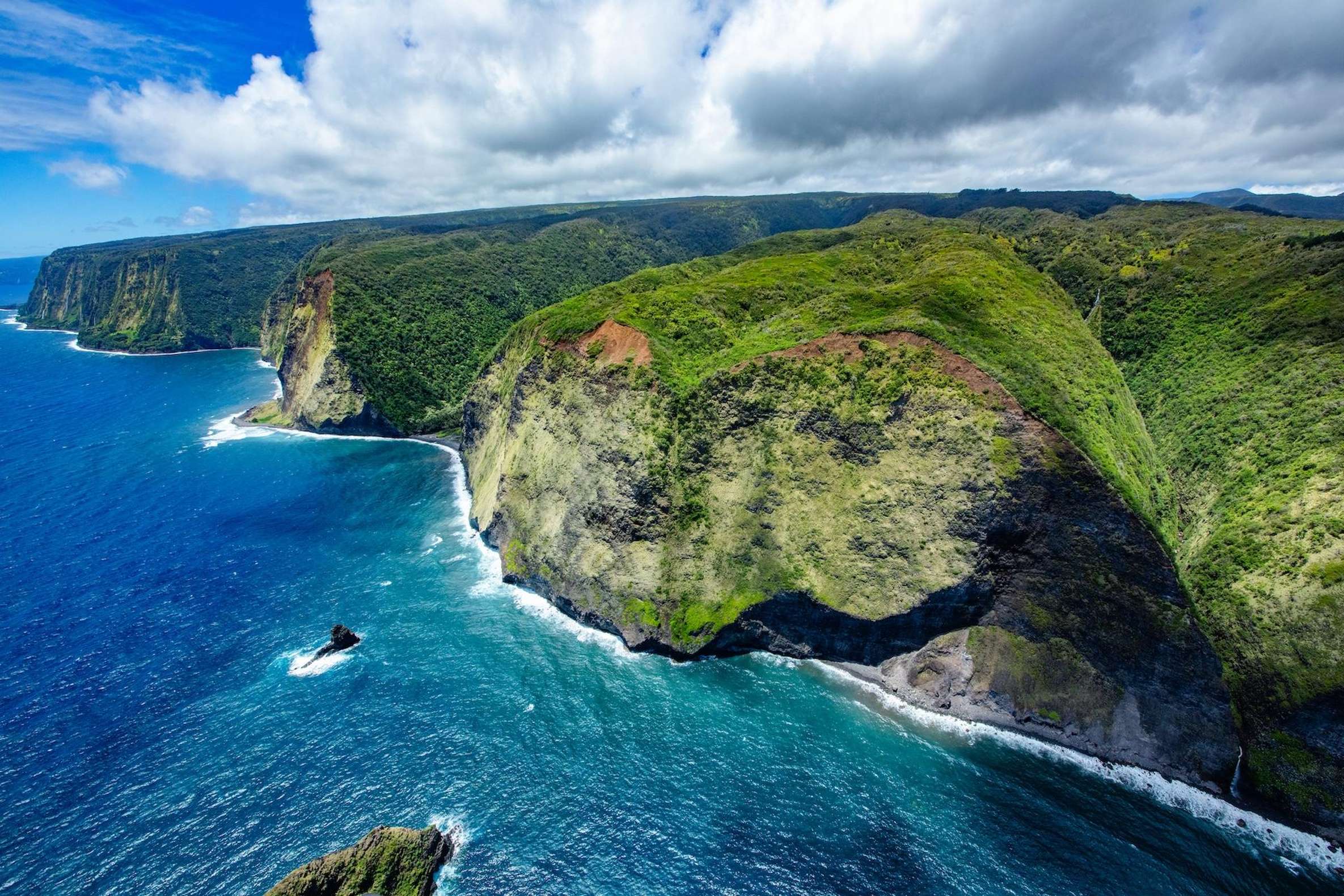
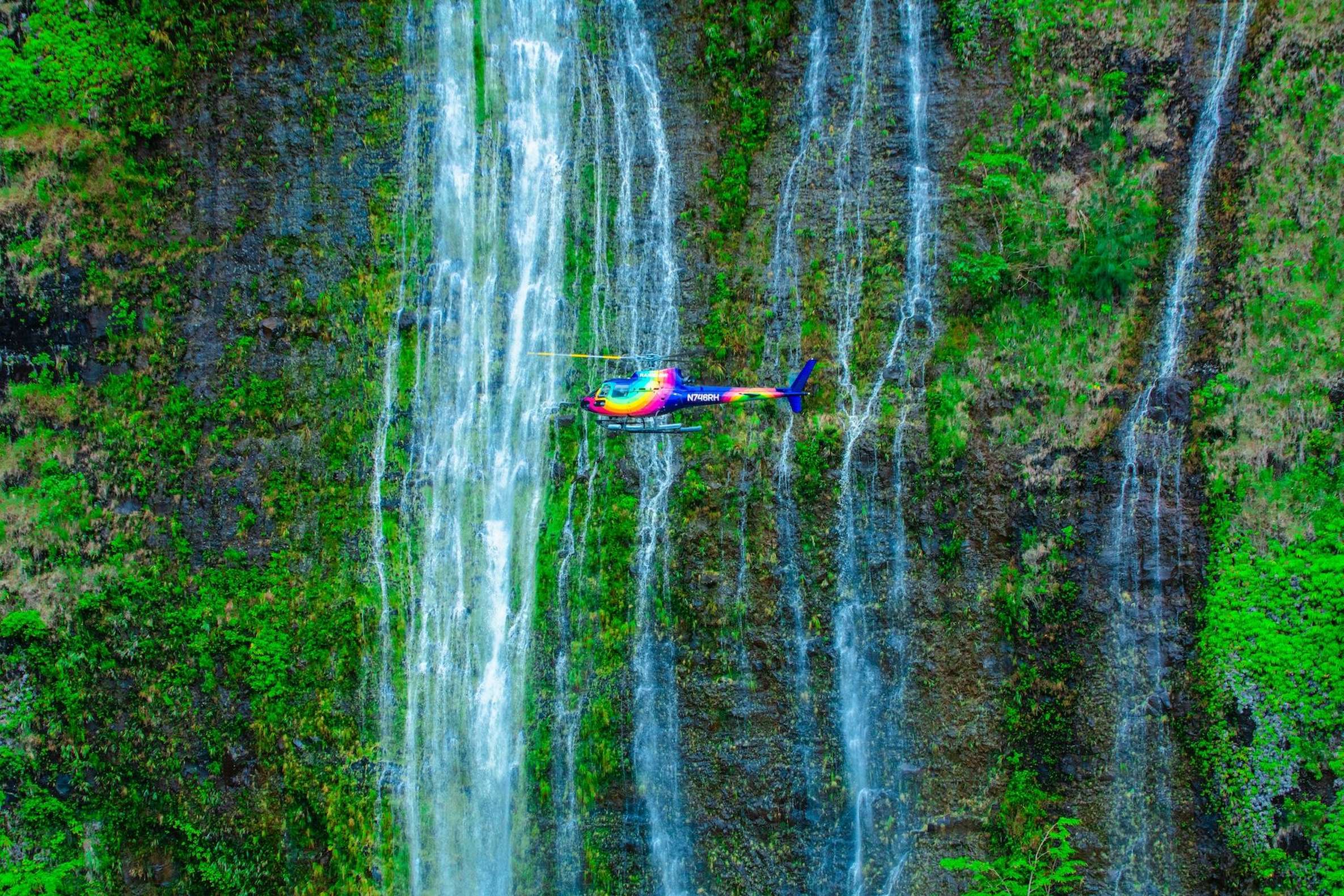
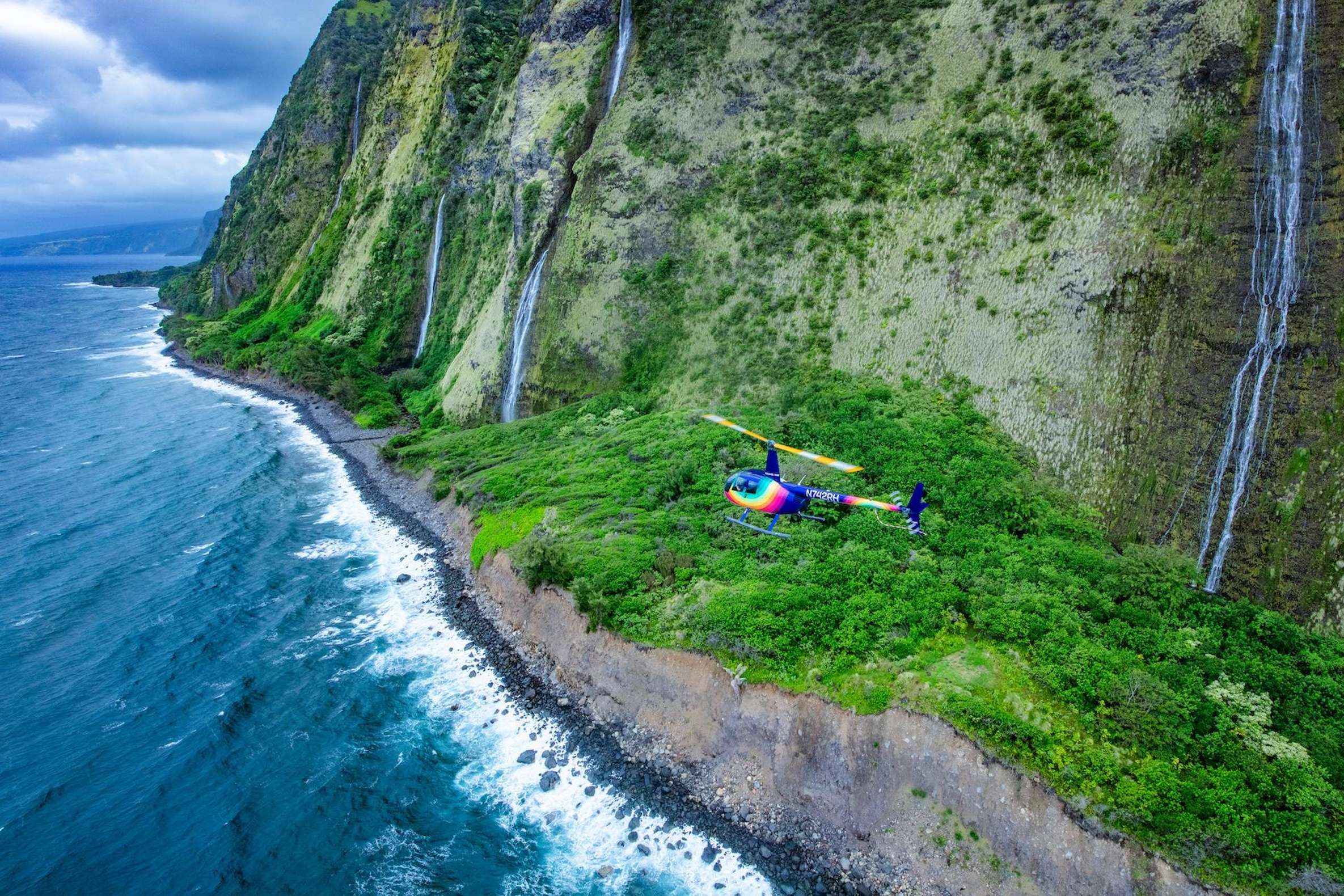
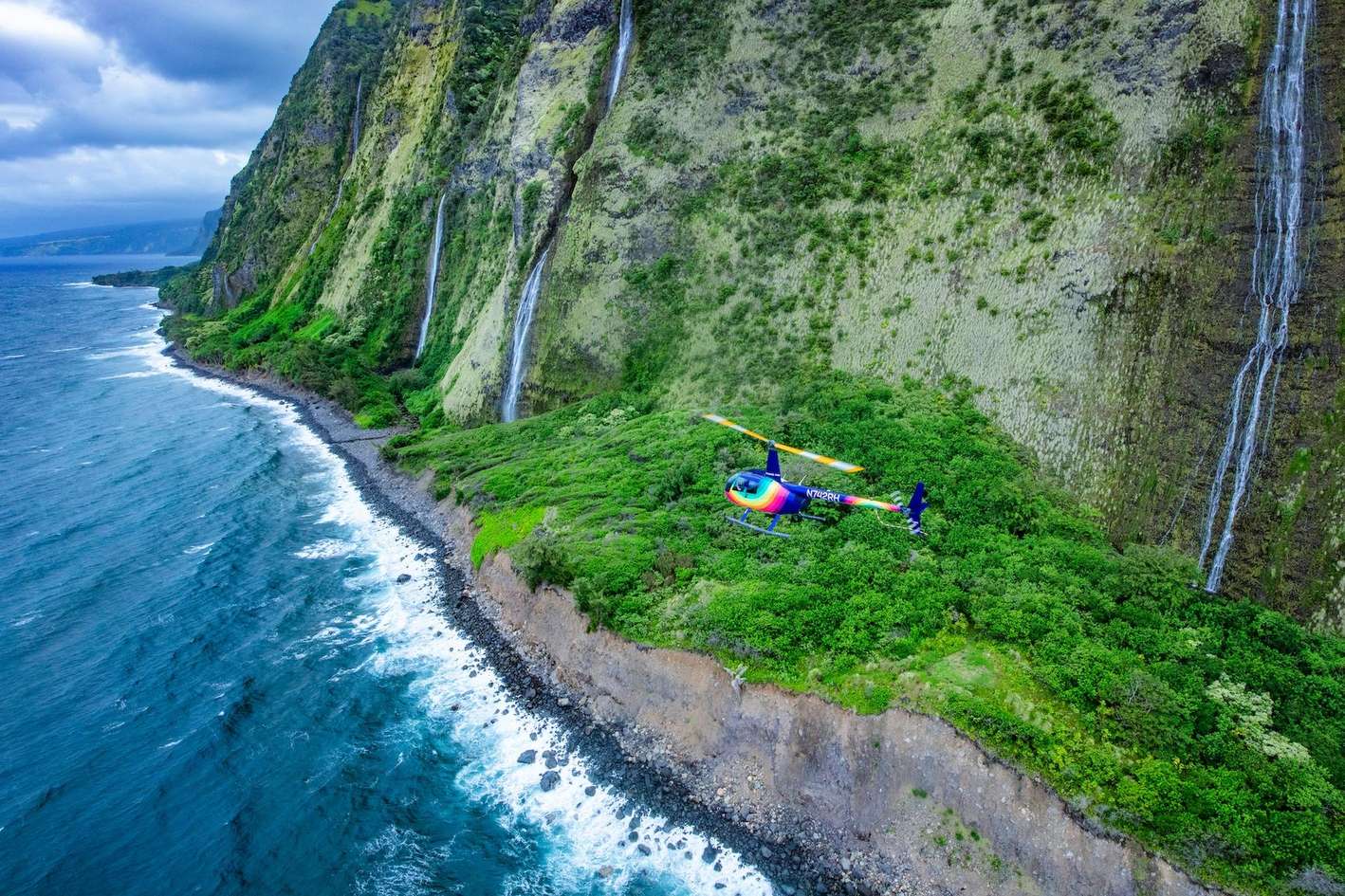
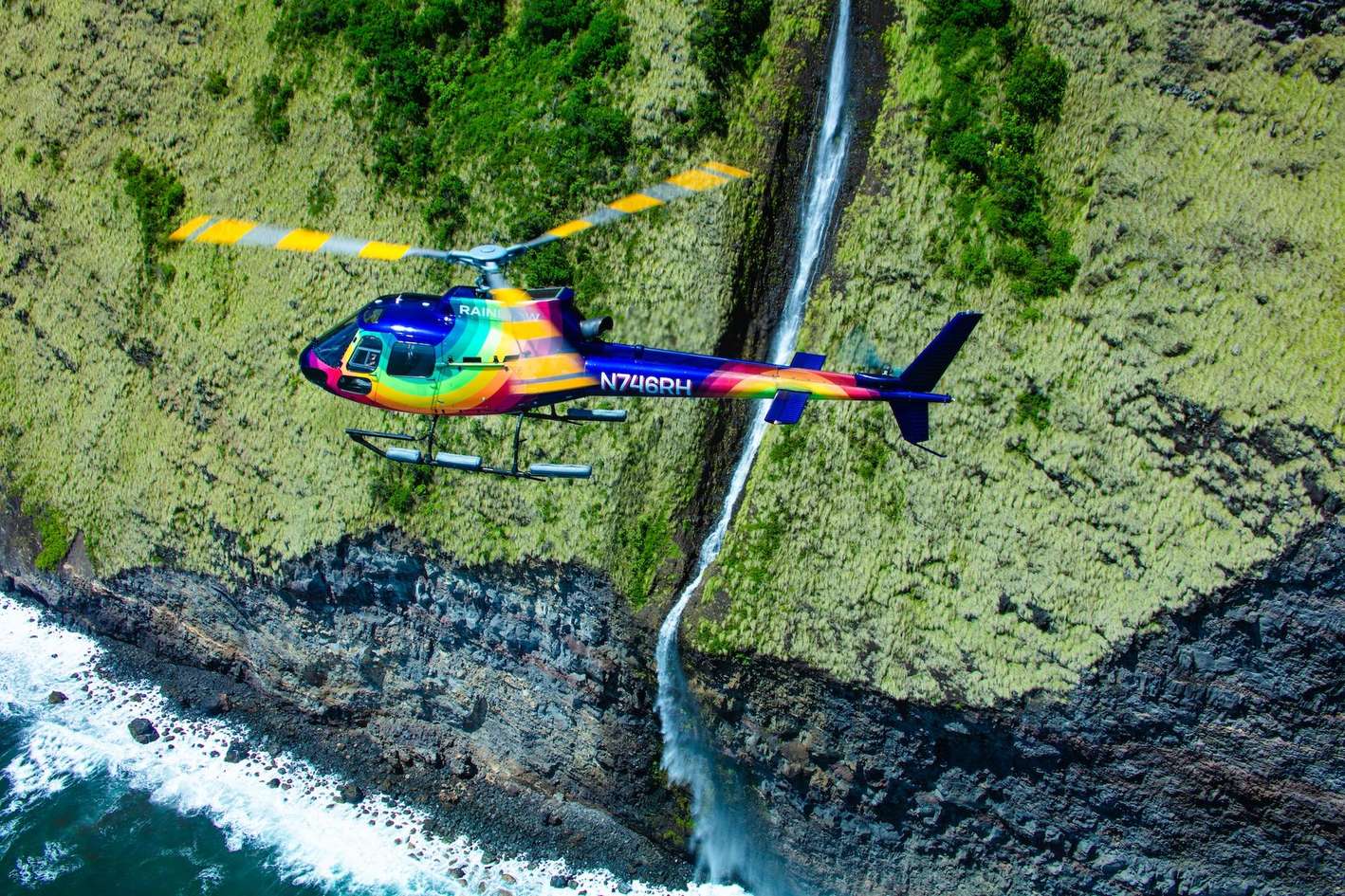
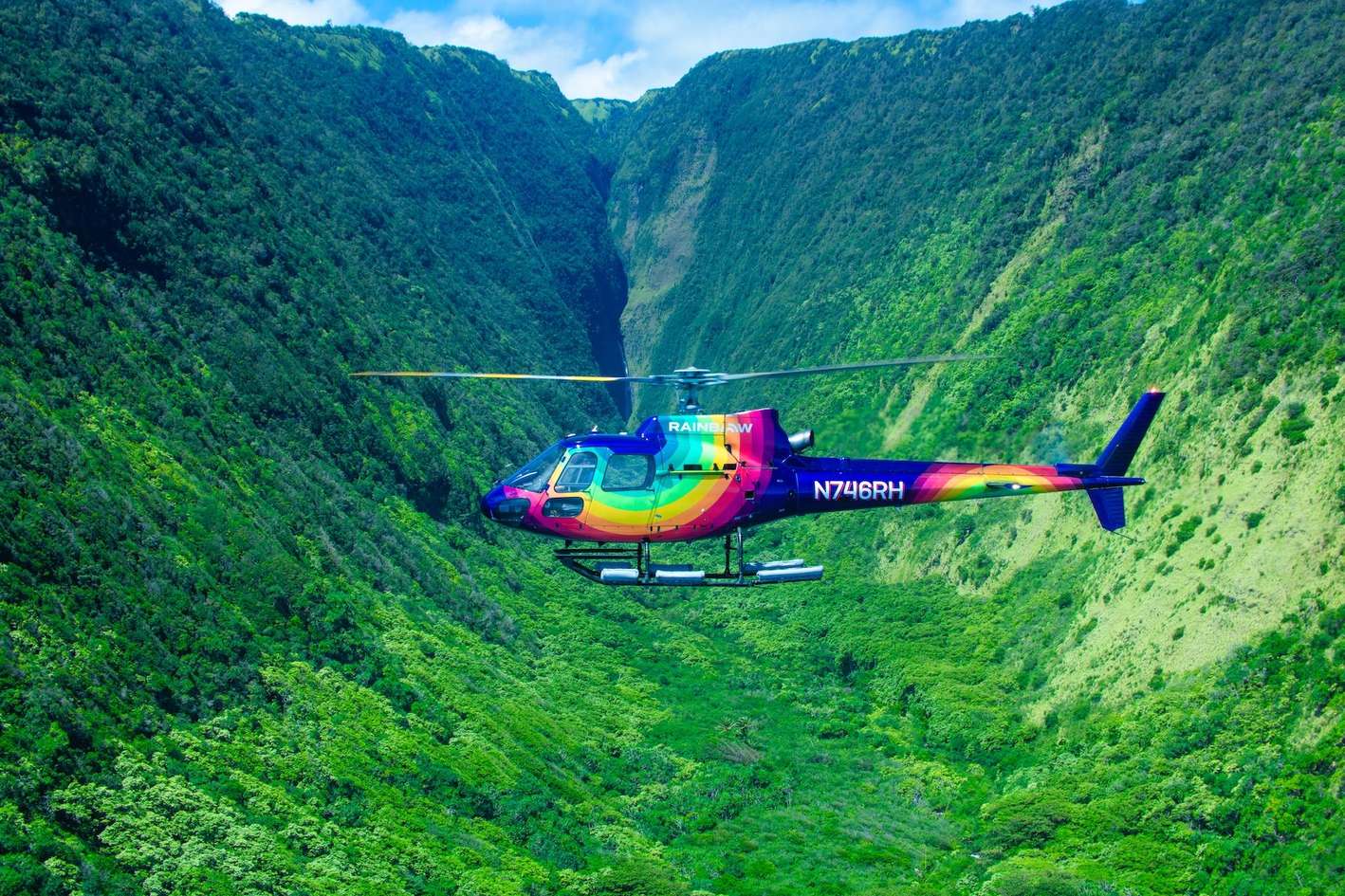
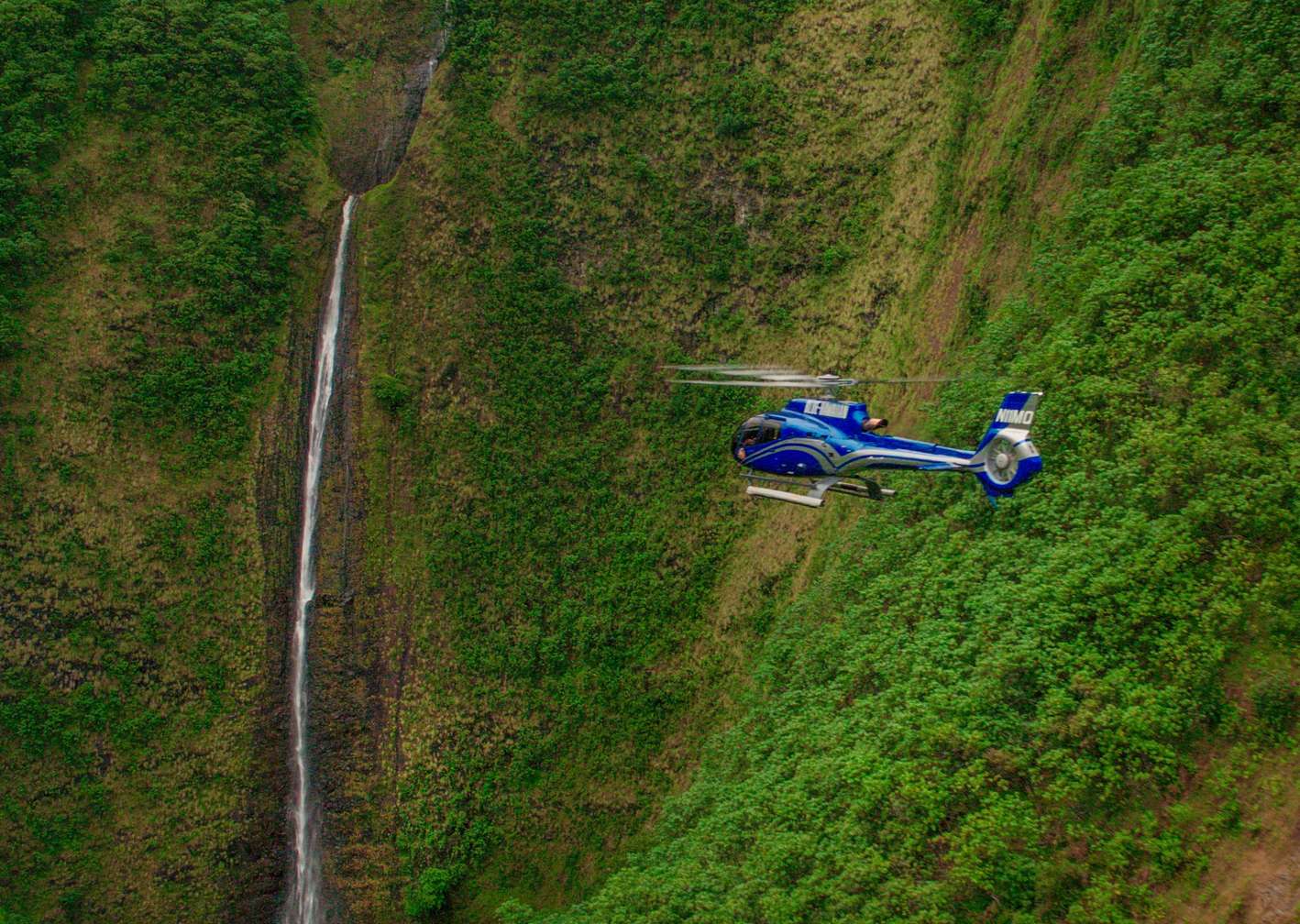
From there the route follows the volcano's slopes and rifts, then sweeps across the green valleys and waterfalls of the north before turning back down the Kona coast.
Live commentary comes through your headset the whole way, with doors on or doors off depending on the option you book. Straps and cases for your phone, plus parking at the pad, are included.
Pick a morning departure if you can: air over the volcano stays smoother and skies stay clearer before the trade winds build after midday.
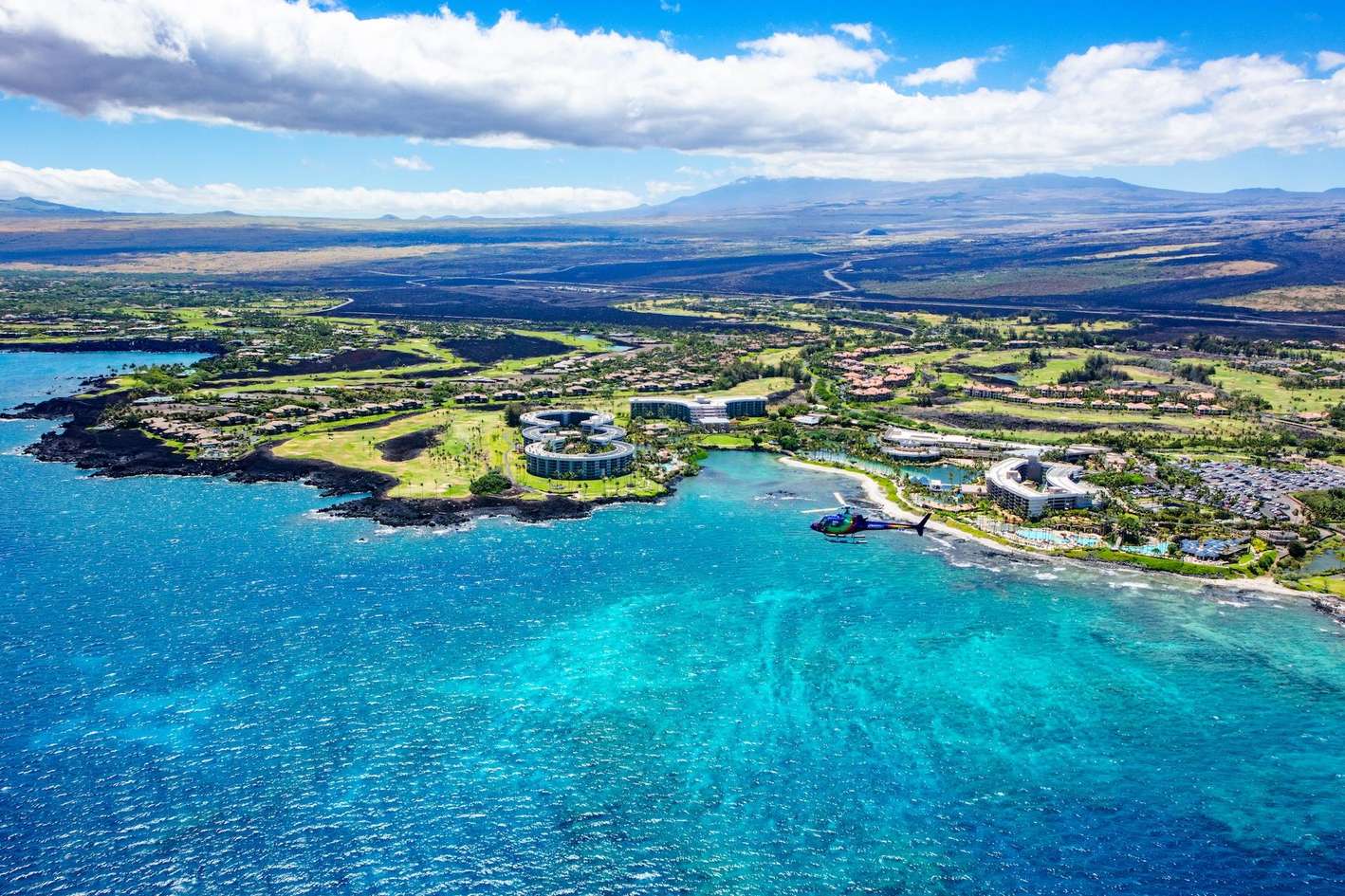
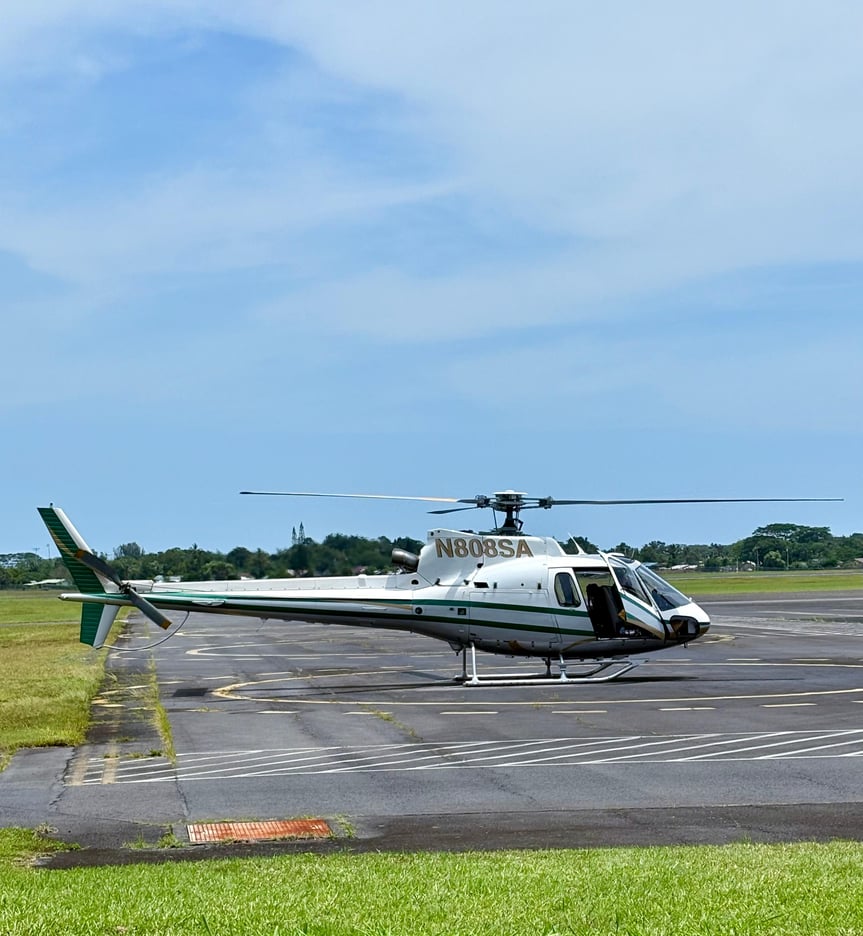
Meeting pointRainbow HelicoptersArrive about an hour before takeoff to check in, get weighed for the aircraft's balance, and hear the safety briefing before walking to the pad.Street View2Kailua BayThe flight lifts off over the bay's clear water and reef-lined shore, giving you an opening sweep of the Kona coast as the helicopter climbs.From this tour3Mauna LoaThe world's largest active volcano, whose shield spans roughly 1,900 square miles of the island. Measured from its base on the ocean floor it rises about 56,000 feet, nearly twice the height of Everest.From this tour4Ka‘ūpūlehu CraterA crater set on the slopes above the Kona coast, crossed on the way toward the island's high volcanic country.Street View5Hualālai, Island of HawaiiThe third of the island's young volcanoes, rising directly behind Kailua-Kona. You trace its upper slopes before heading inland.From this tour6Pu'u Wa'awa'a Forest ReserveA forest reserve on dry, layered lava terrain, seen from above as the route works north between the volcanoes.From this tour7Mauna KeaThe White Mountain rises 13,796 feet above sea level, often with its summit standing clear above the trade-wind cloud layer.From this tour8KohalaThe oldest of the island's five volcanoes, a mountain of deep-cut valleys and stark ridgelines at the island's northern end.9KawaihaeA small harbor town on the dry northwest shore, passed along the coast as the flight turns toward the windward valleys.From this tour10Wai‘ilikahi FallsA waterfall dropping through dense green country on the remote northeastern coast, best seen from the air because no road reaches it.11Laupāhoehoe NuiA tall waterfall spilling down the Hamakua cliffs. Its flow is strongest in the wet winter months from November through March.12Waimanu ValleyA roadless valley on the Hamakua coast, walled in by steep cliffs and cut through with streams and waterfalls.From this tour13Honopue ValleyOne of the small, empty valleys along the remote northeast shore, visible only from a boat or the air.14Pololū ValleyThe northernmost of the Kohala valleys, where a black-sand valley floor meets tall green cliffs above the sea.15Waipio ValleyThe largest and best known of the Kohala valleys, a wide green amphitheater with cliffs and waterfalls along its edges.From this tour16Anaehoomalu BayA wide golden bay on the resort coast south of Waikoloa, with fishponds and palm-lined shore seen on the return leg.17Kiholo BayA curve of coast with turquoise water and old lava flows meeting the shoreline, passed on the way back down the coast.From this tour18Kailua-KonaThe town and its harbor come into view as the flight settles back toward the departure side of the island.19Makalawena BeachA pale white-sand beach backed by dunes and old lava, reached by the flight on the final stretch of coast before landing.Street View
Where the other tours go
2220 Kekuanaoa StHawaii Volcanoes National ParkPu‘u ‘Ō‘ō, Hawaii
1.5-hour helicopter tour above the Big IslandDoors off or on (depending on the option selected)Live guided tour with commentaryStraps and cases for cell phonesParking
Not included
Tips (optional)Hotel pickup or drop-off
Comparing Mauna Loa flights, side by side
Green marks the lowest price. Each price says whether it is per person or per group.
Tour
Price
Duration
Best for
Our pick
Kailua-Kona: Kohala, Volcanoes and Waterfall Helicopter Tour
4.6★ (7)
from $895per person
1.5 hours
travelers who want Mauna Loa, Hualalai and the Kohala coast in one 90-minute flight
Most reviewers praise their pilot, naming them for being knowledgeable about volcanoes and flying a smooth ride.
Best surprise
Several first-time flyers say they were nervous at first and ended up relaxing, even tilting toward the view.
Most common wish
Many reviewers wished the weather had let them fly over the crater, and some wanted earlier notice to rebook.
How to book a Mauna Loa helicopter tour
01
Pick your date early in the trip
Choose a date near the start of your Big Island stay rather than the final day. Low clouds or rain can cancel a flight, and booking early leaves days to reschedule with a full refund instead of losing the flight altogether.
Pro tipMorning slots sell out two to four weeks ahead in summer and the December to January holidays, so book those first
Pro tipAn early flight gives the best chance of clear views of Mauna Loa's high peaks, since cloud cover and wind build through the afternoon
02
Choose the doors on or doors off option
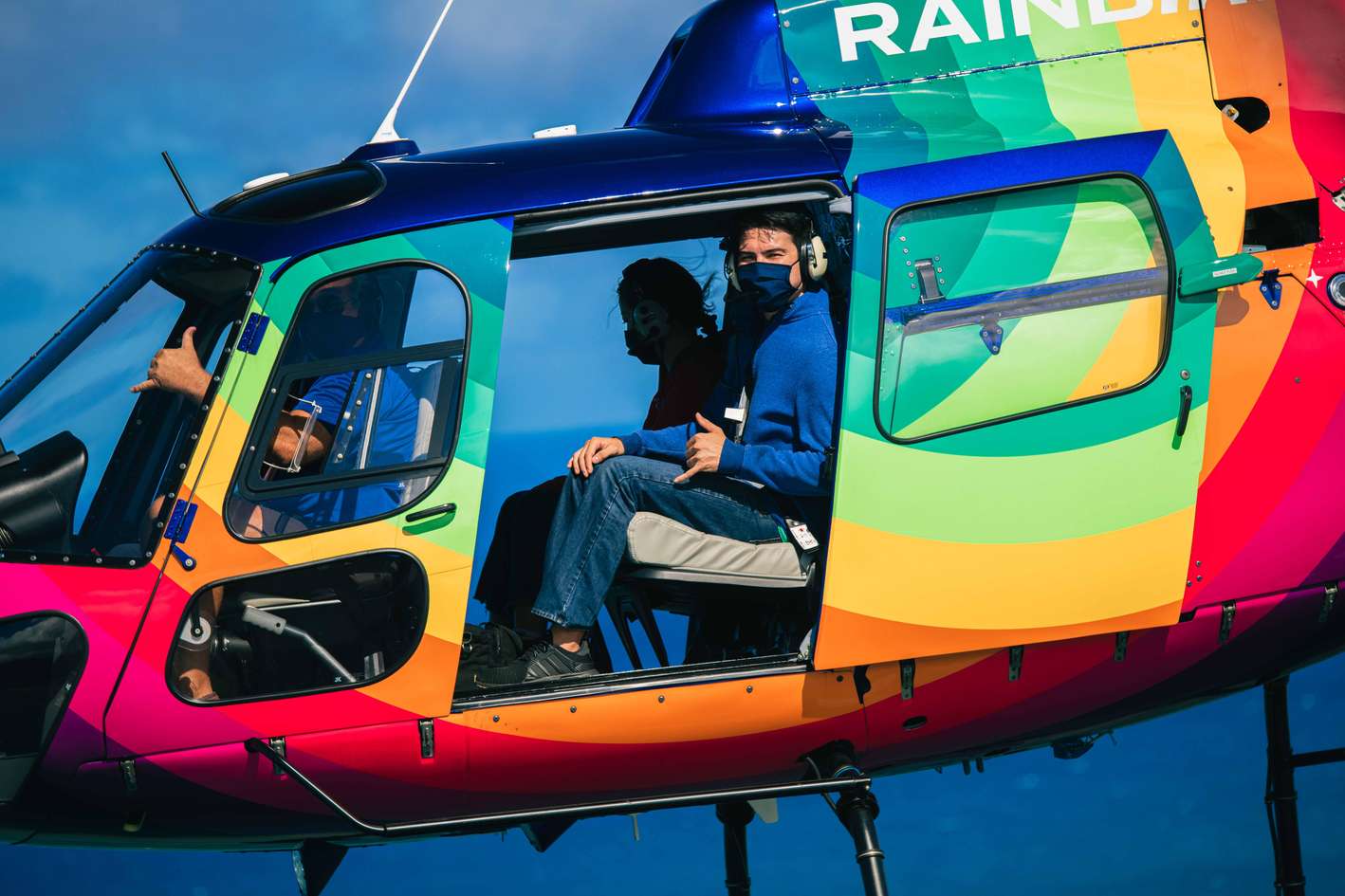
On the Kona, Waikoloa and private tours you pick between doors on and doors off when you book. Doors off gives unobstructed photos but requires closed-toe shoes, a warm jacket and hair tied back, and your seat may or may not sit right beside an open door.
Importantdoors-off flights have minimum weights per seat, 80 lbs in one helicopter type and 100 lbs in the other, and children should be at least 12 to sit by an open door
Common mistakeWearing loose clothing, hats or scarves, which are barred from open-cabin flights for good reason
03
Book and read the fine print
Pay through the booking page, then read the weight and health rules before you pay: guests at or above 250 lbs may need an extra seat, and anyone who has scuba dived within 24 hours cannot fly. You can cancel up to 24 hours or two days ahead, depending on the tour, for a full refund.
Common mistakeBooking a dive the day before your flight, which costs you the seat
04
Watch for confirmation and prep your clothes
Your voucher and the operator's messages arrive by email, with the meeting point and your departure time. Wear solid dark clothing, since light colors reflect in the window glass and show up in your photos, and put a hair tie in your pocket if you have long hair.
Pro tipDark, solid colors mean cleaner photos through the glass, so skip the bright aloha shirt that day
RecommendedPack a windproof layer and long pants, because cabins run 10 to 15 degrees cooler than the ground
05
Show up early on the day
Plan to arrive about an hour before departure for weigh-in and the safety briefing, since seats are assigned by weight to balance the aircraft. Expect a headset, a briefing from the pilot, and walking out to the pad with the ground crew.
RecommendedArrive a full hour early for a Hilo departure, as late arrivals can forfeit the seat
Pro tipMention any motion sickness to the ground staff, since a forward seat with a clear horizon often helps
What to know before you book a Mauna Loa helicopter tour
Can stop the dayGood to knowGood news
01
ChoosingWhat it is, who it suits, when to go
5
Doors off
Several Mauna Loa routes run with doors on or doors off at the same seat count.
Loose items
Nothing loose may ride in the cabin on doors-off flights: bags, water bottles, selfie sticks and extra lenses stay behind. Phones and cameras go out only with a wrist or neck strap, and operators hand out straps and cases for cell phones.
Motion sickness
Banking turns and mountain air drafts can make some passengers queasy, though most flights stay smooth. Ginger candy or non-drowsy motion medicine taken before takeoff works best, and keeping your eyes on the horizon helps.
Timing
Book the earliest slot you can. Cloud builds over Mauna Loa's upper slopes through the day and winds strengthen in the afternoon, so morning flights give you the clearest chance at the summit.
Tipping
Gratuities for the pilot are optional and common, usually a flat amount per couple or solo traveler when you land rather than a percentage of the fare. Ground crew generally share whatever is left at the desk.
02
Before you goPapers, health, what to bring
4
DocumentsCan stop the day
Bring a passport or ID card and a credit card to check in. Some flights on this island also list a passport as the required ID, so carry the same document you traveled with.
Age limits
Every passenger aged two and up buys a full-fare seat, and infants under two usually ride on an adult's lap. Doors-off flights tend to set their own minimum ages, so confirm the rule for the exact departure you book.
Health limits
Anyone who scuba dived within the last 24 hours cannot fly, because cabin pressure raises the risk of decompression sickness. Pregnant travelers and people with vertigo, severe motion sickness or claustrophobia are also advised against certain flights.
What to wear
Wear long pants, closed-toe shoes and a warm jacket or windbreaker, since the air runs 10 to 15 degrees cooler than the ground and wind chill adds to it on doors-off flights. Tie back long hair, and leave hats, scarves and loose clothing behind.
03
On the dayWhere to be, when, and how you get there
1
Check-in
Arrive about an hour before your departure for weigh-in and the safety briefing, and check in 45 to 60 minutes ahead on most flights. Miss the show time and you can lose your seat with no refund.
04
During the tourWhat is expected of you
2
Weight rulesCan stop the day
You will be weighed at check-in, because seating and balance follow FAA weight-and-balance rules and you cannot pick your own seat. The charge is settled after booking.
Photos
Straps and cases for phones come included on several tours, so you can shoot with both hands free. On doors-on flights, dark solid clothing helps keep your own reflection out of the window in photos.
Mauna Loa by helicopter, a traveler's Guide
The world's largest active volcano covers half of Hawaii Island, and no trail or road reveals its true shape. Whether the flight earns its price, and which base, route and morning give you that view, is what the next sections work through.
Kawaihae· 19.72° N, 156.04° W
If you only remember three things
1
Book the first slot of the morning, before 11 am, for the calmest air and the clearest summit views.
2
Arrive 60 minutes before takeoff for weigh-in and the safety briefing; late arrivals can lose the seat with no refund.
3
Book the flight early in your vacation so clouds or wind leave buffer days to reschedule.
Why the only way to grasp Mauna Loa is from the air
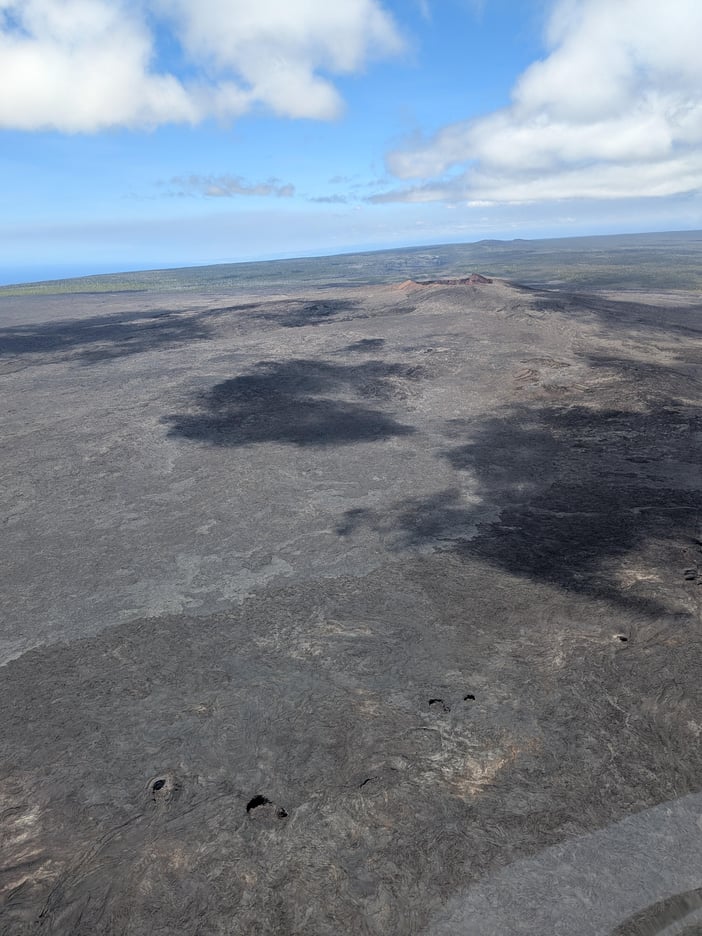
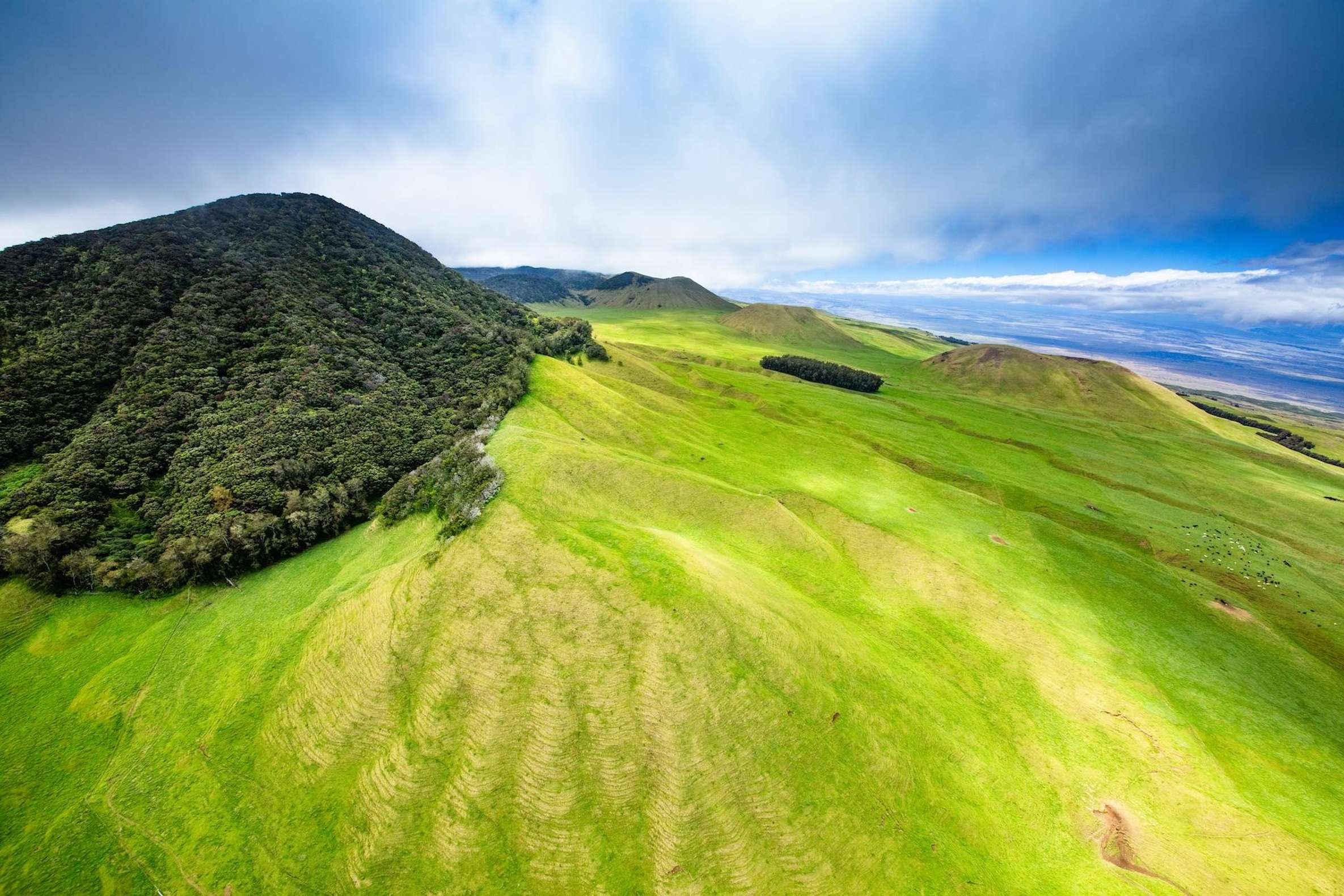
The mountain does not look like much from the highway. That is the problem. Mauna Loa is a shield volcano so broad and so low-slung that the ground hides what it is: a single landform covering 51 percent of Hawaii Island, about 1,900 square miles of it above water.
Measured from its true base on the ocean floor, the mountain rises around 56,000 feet, nearly double the height of Everest. No viewpoint, and no photograph taken from one, holds that in frame. From the air, the long shallow dome finally reads as what it is.
Its summit caldera, Mokuʻāweoweo, sits in high backcountry reached by a hike over rough, jagged lava rock. The helicopter gets you there in minutes, which is why volcano flights are the most visually worthwhile in Hawaii and why this is usually the priciest single activity of the trip.
Set expectations now. The Big Island is the only Hawaiian island where lava can be seen from the air, but surface flows are never guaranteed. A quiet volcano still delivers: vast crater formations, steam vents and black fields of past eruptions, with the island's green valleys and coastline as the backup act.
Scale of Mauna Loa on Hawaii Island
51%of Hawaii Island landmass
1,900 sq misurface area covered
Half the island under one volcano. Once you see the number, the case for flying it makes itself: a rental car cannot give you this shape, only a sky view can.
What you see over Mauna Loa's summit and rift zones
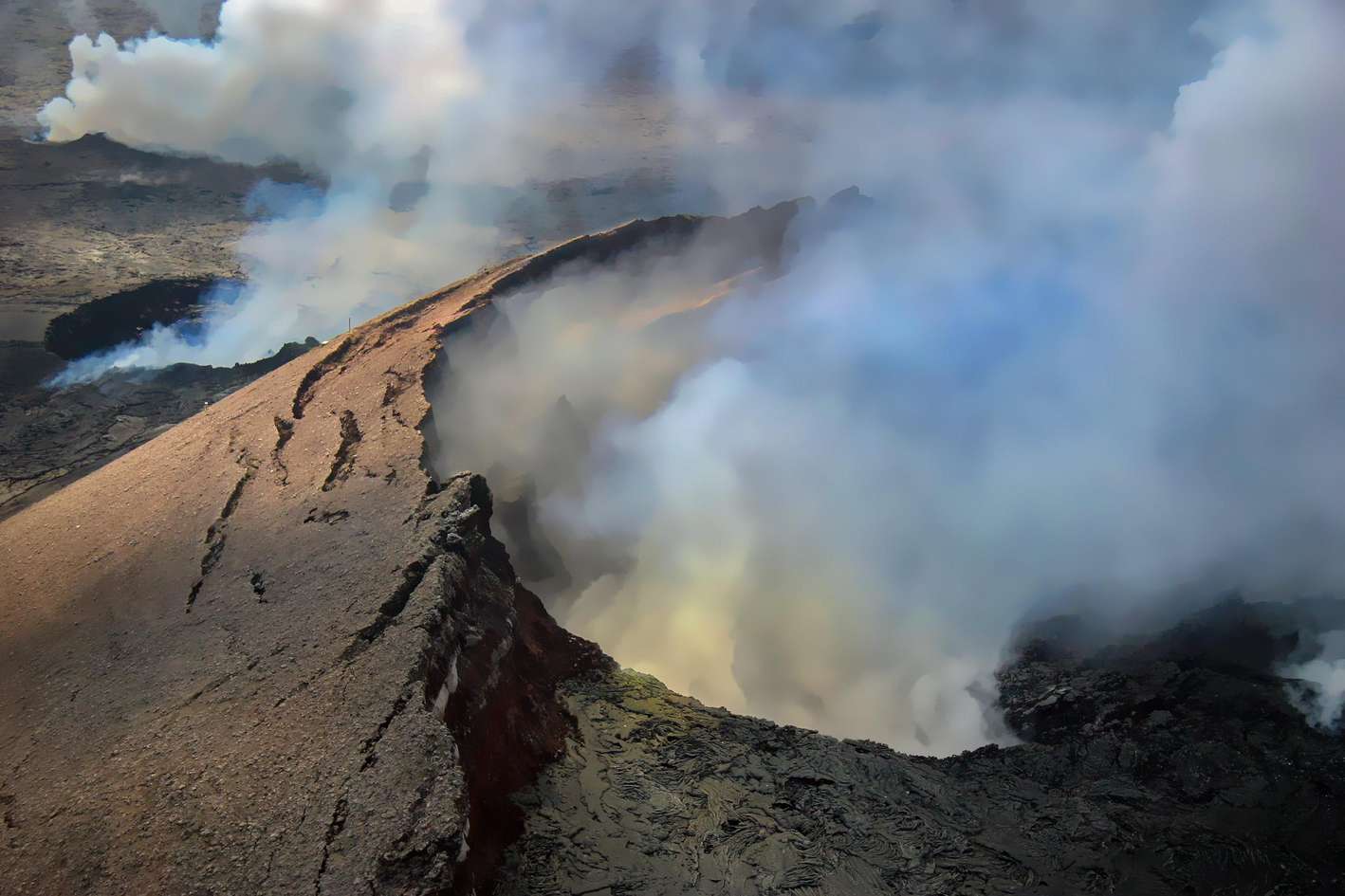
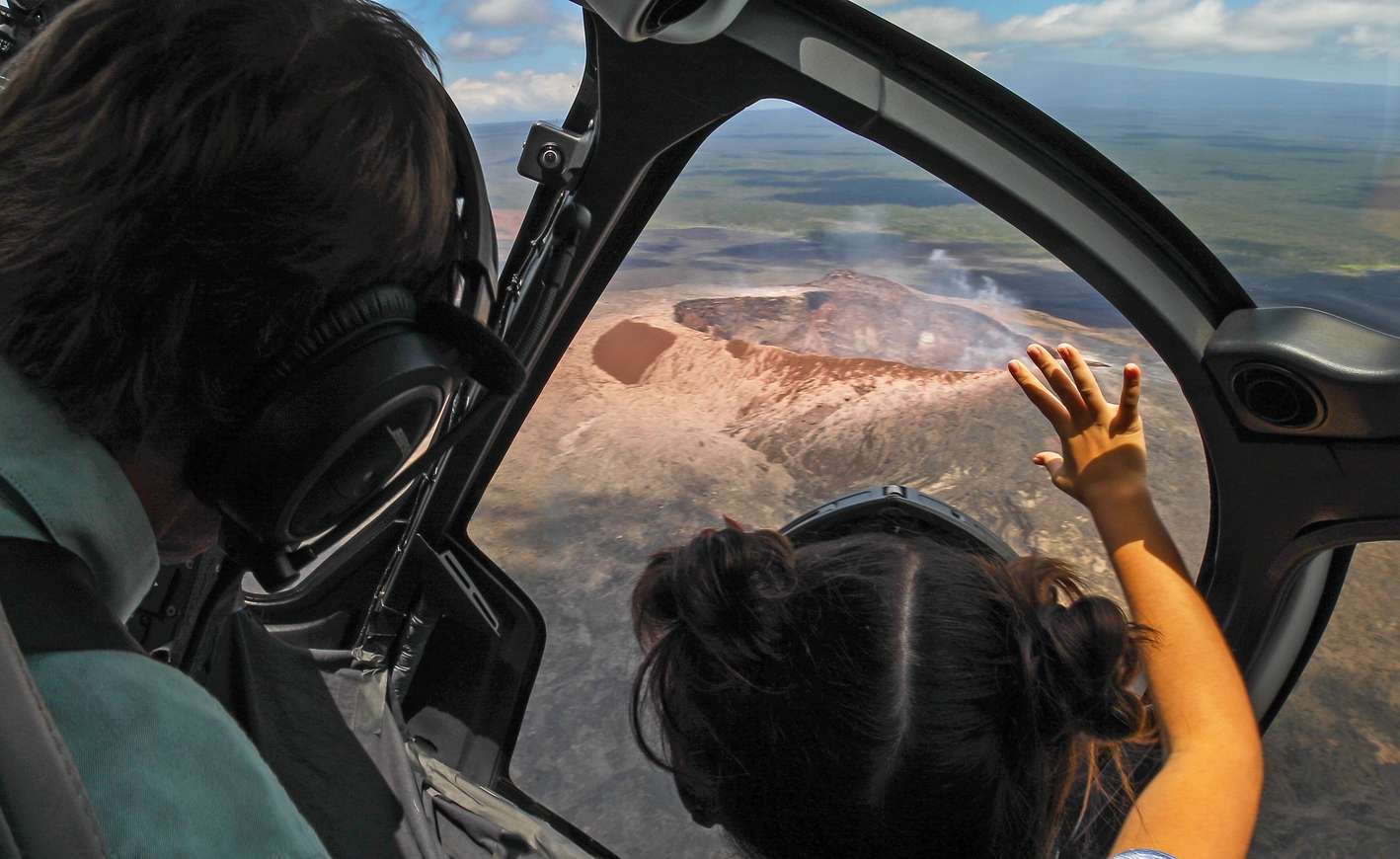
Mokuʻāweoweo resolves from above into three oval depressions, with cinder cones left on the floor and on the rim by the eruptions of 1940 and 1949.
Kilauea's Halemaʻumaʻu, by comparison, reads as a single pit with a small lava lake taking up less than one percent of its floor. The two summits look nothing alike, and seeing both in one flight is the quiet pleasure of the route.
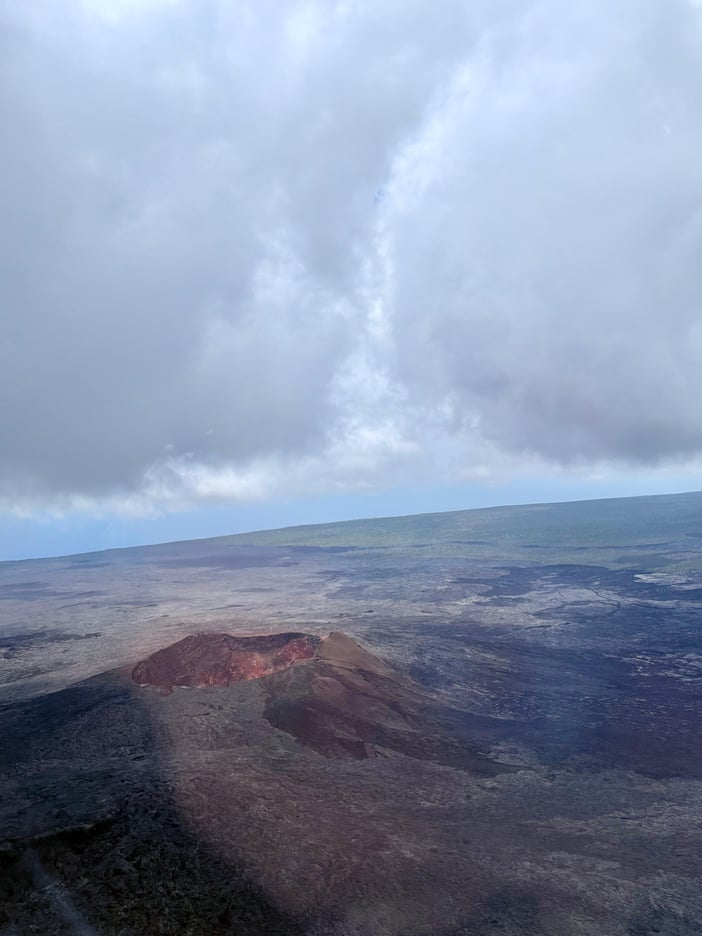
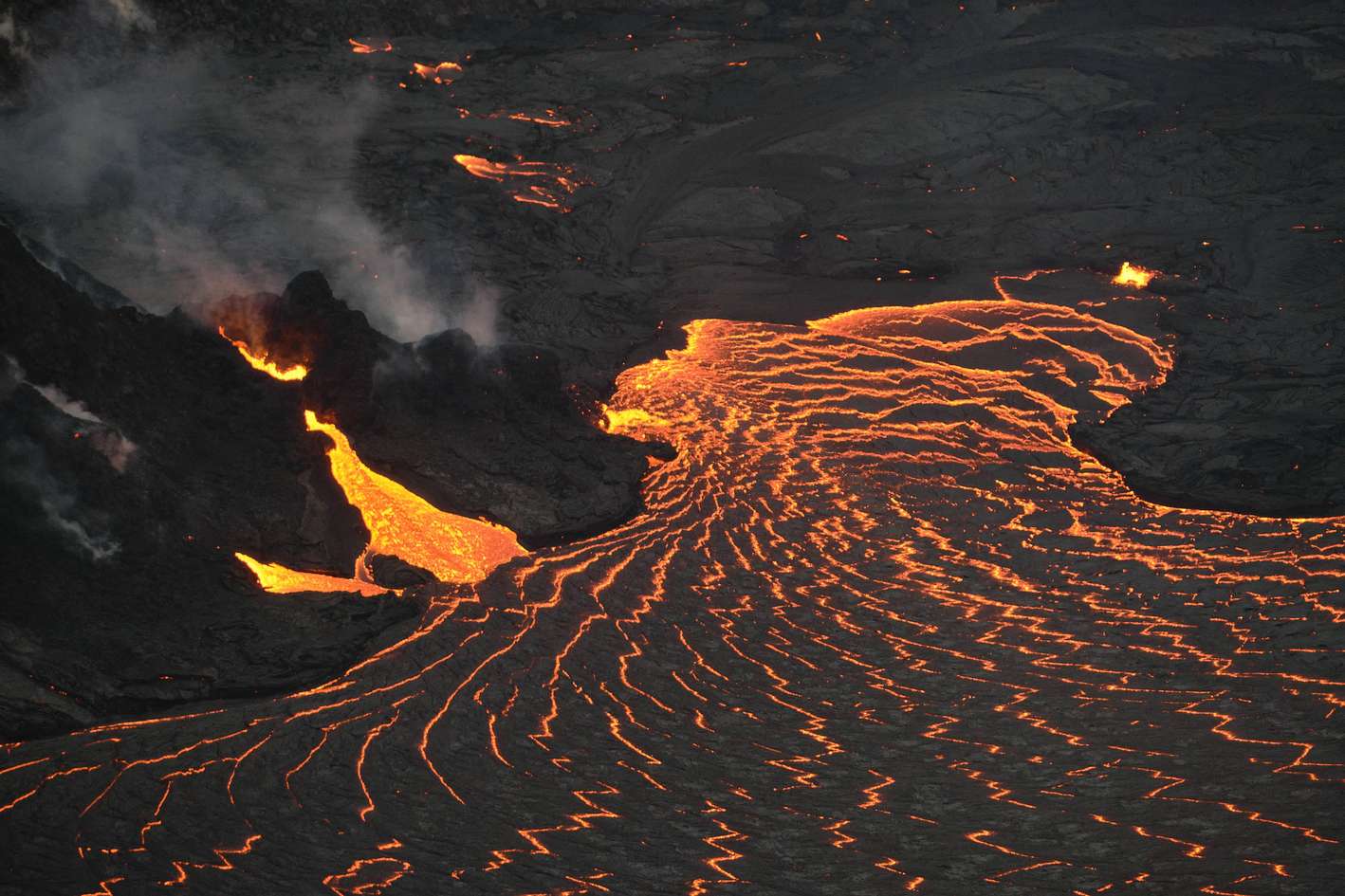
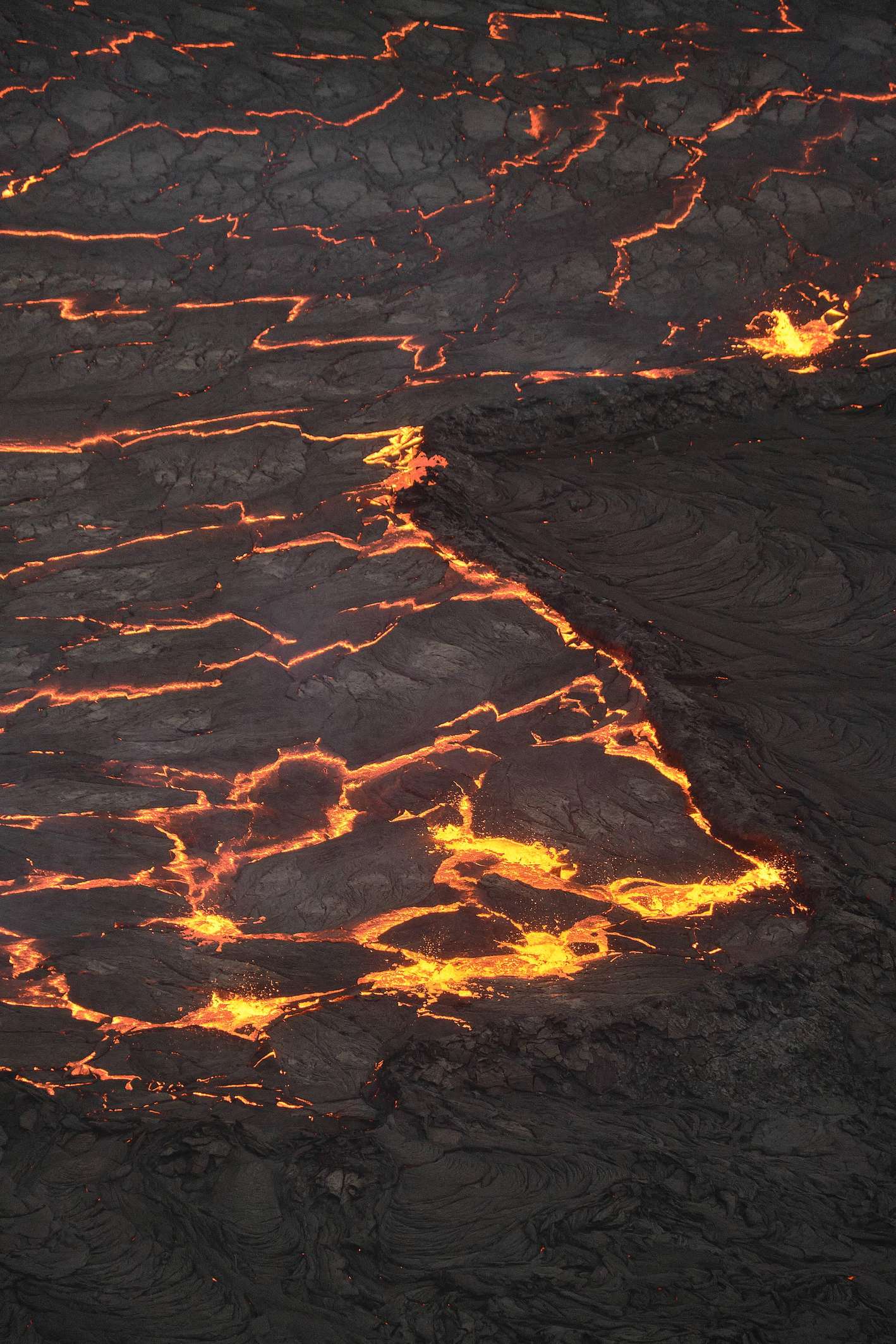
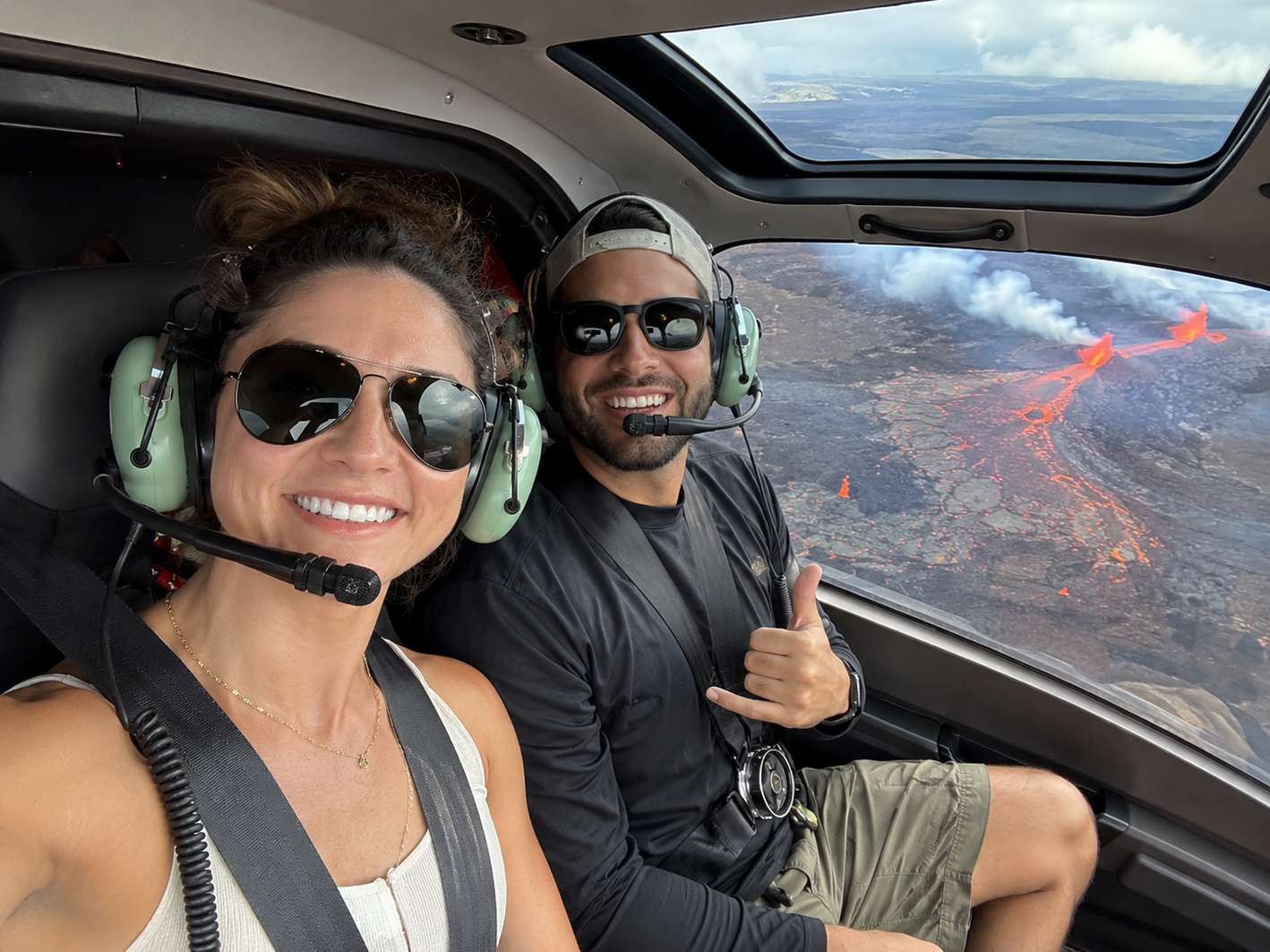
The mountain's newest work is on its northeast flank. The 2022 eruption began at the summit, then moved into the upper Northeast Rift Zone, where activity centered on fissure 3.
Aerial views show its lava channels running down the slope, several of them joining into a single flow front, with fissure vents sitting above 10,000 feet.
Honest caveat: glowing lava depends entirely on current activity, which can pause for weeks. Without an eruption you get steam vents, crater walls and hardened historical flows instead.
A traveler's note
Worth it! Pilot Andrew was knowledgeable and skilled. Amazing way to see the island and learn its history and geology. Breathtaking views, excellent ground staff, patient with schedules. Safari flights: 10/10.
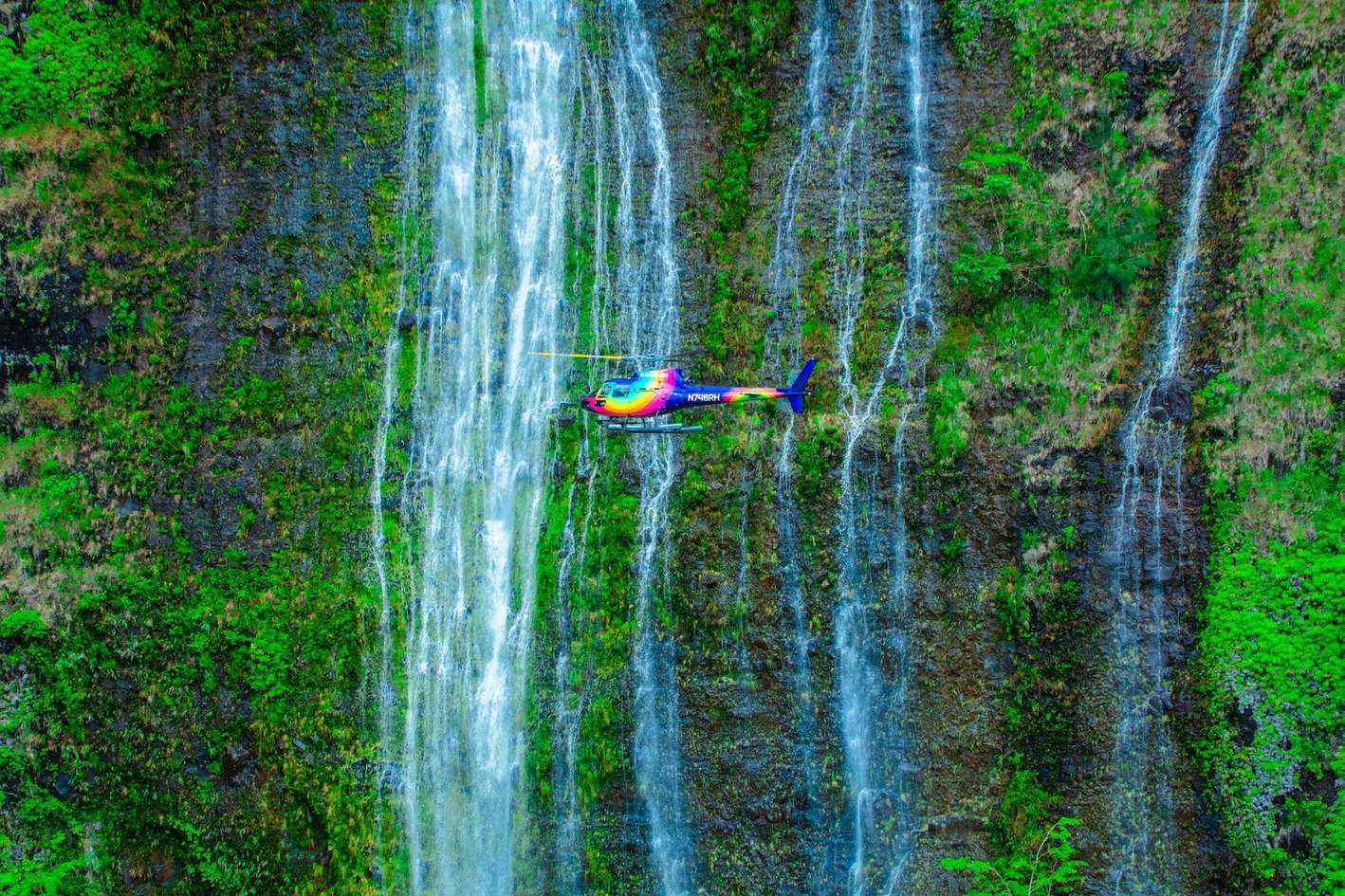
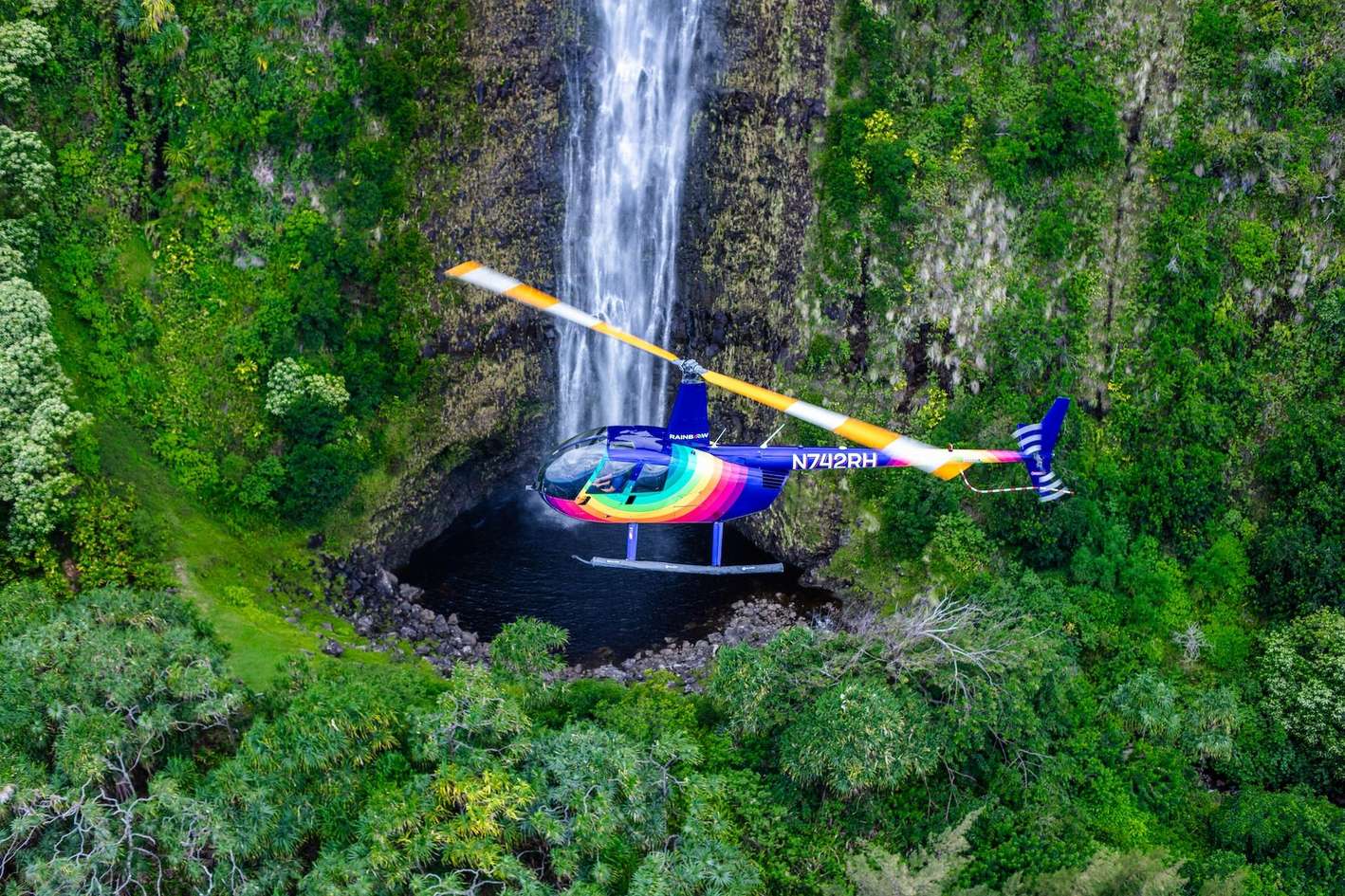
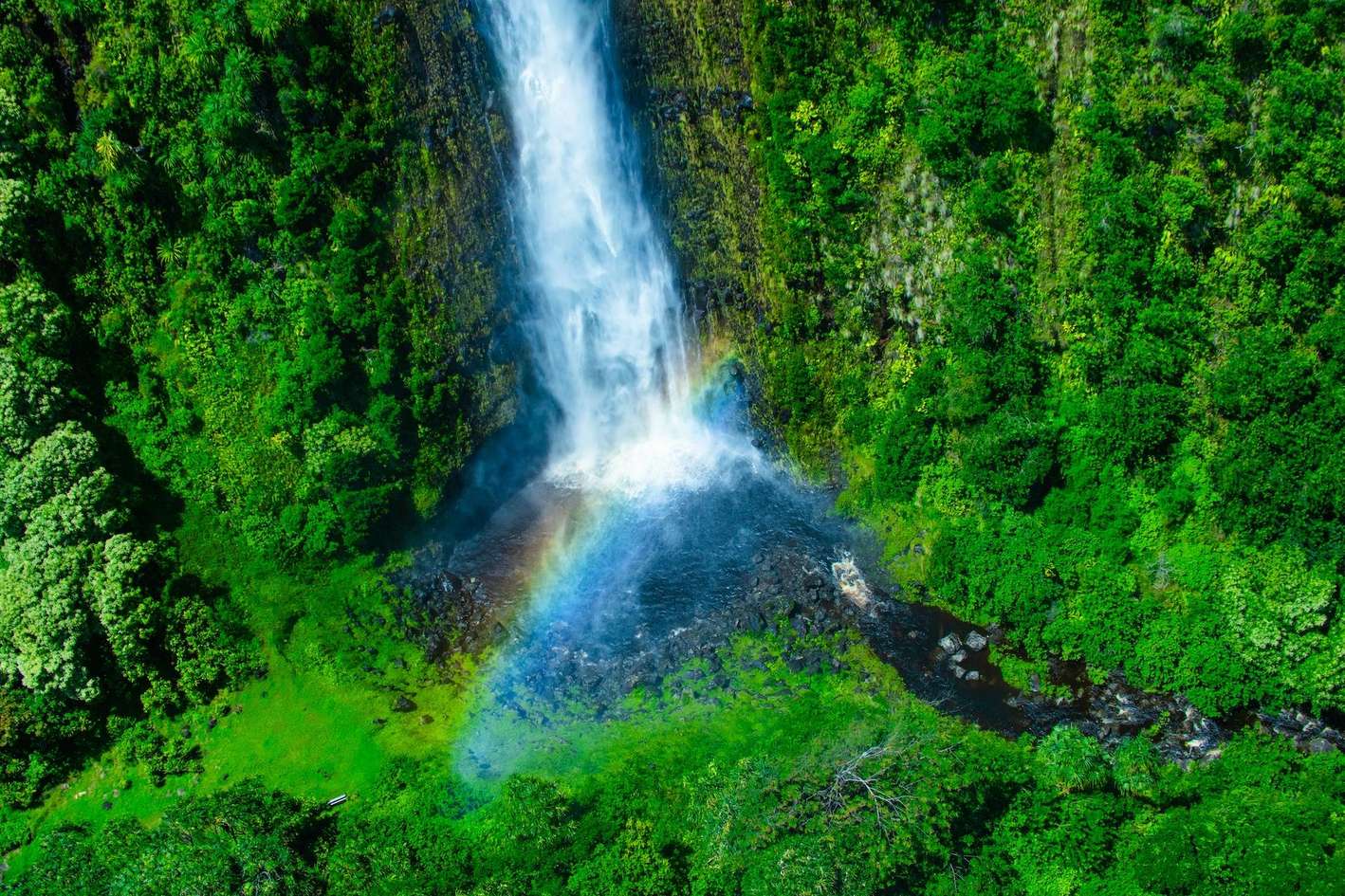
A one-hour flight from Hilo, the Hawaii Volcanoes National Park Flight, covers Kilauea's caldera, the Puʻu ʻŌʻō cone and Mauna Loa rising in the distance. Rain during a flight is no disaster either; passing showers throw rainbows across the terrain and send waterfalls surging.
Tour for this
Hilo: Hawaii Volcanoes National Park Flight4.2★ (272) · 1 hour · Free cancellation
First decision: how much of the day goes to the volcano itself. A dedicated volcano flight keeps the focus tight, working close over Mauna Loa's craters, fumaroles and lava flows.
A circle tour folds the mountain into a longer itinerary that also takes in Kilauea, valleys, waterfalls, beaches and coastlines. If the summit is the whole reason you booked, focus wins; if the island is, the circle earns its extra airtime.
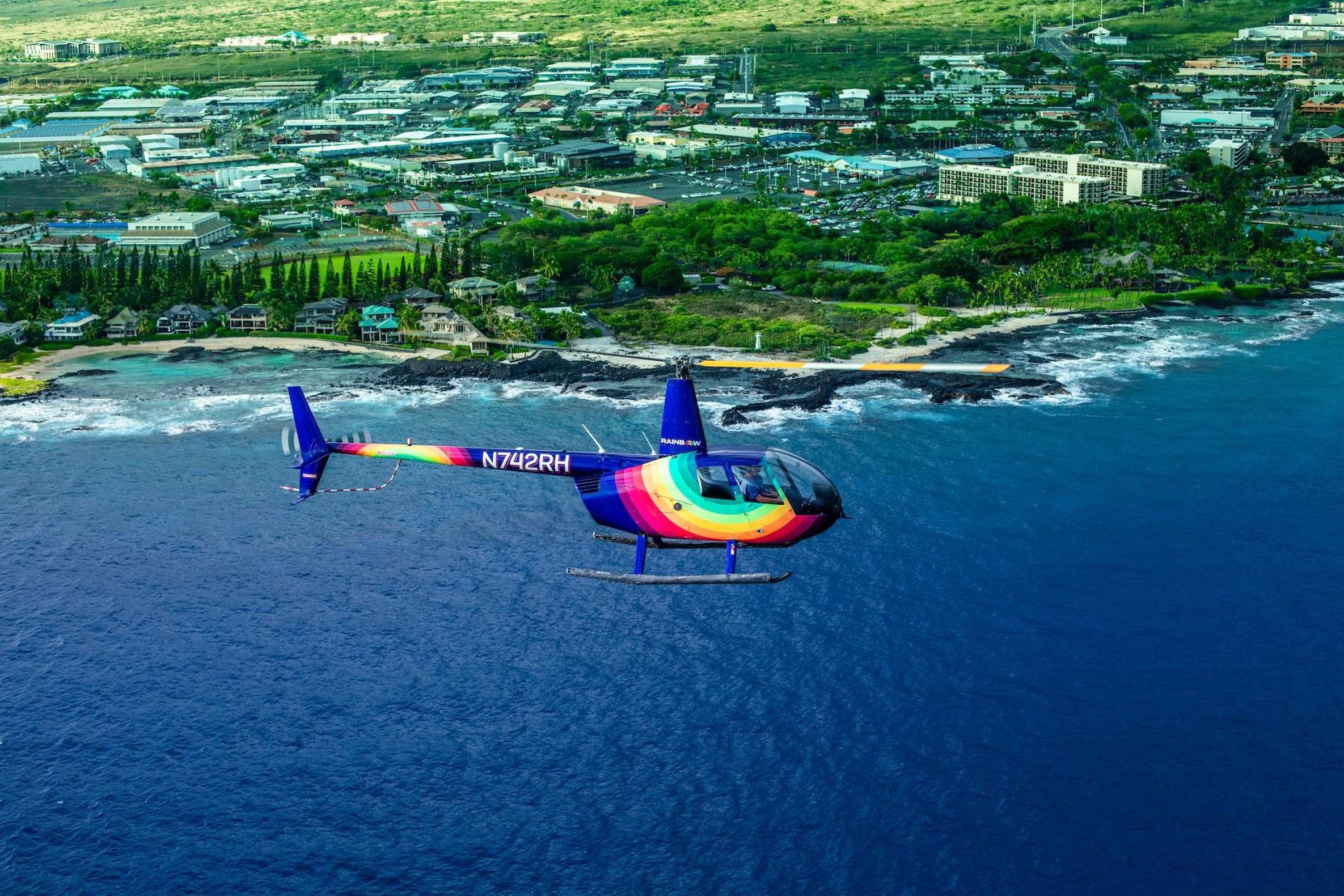
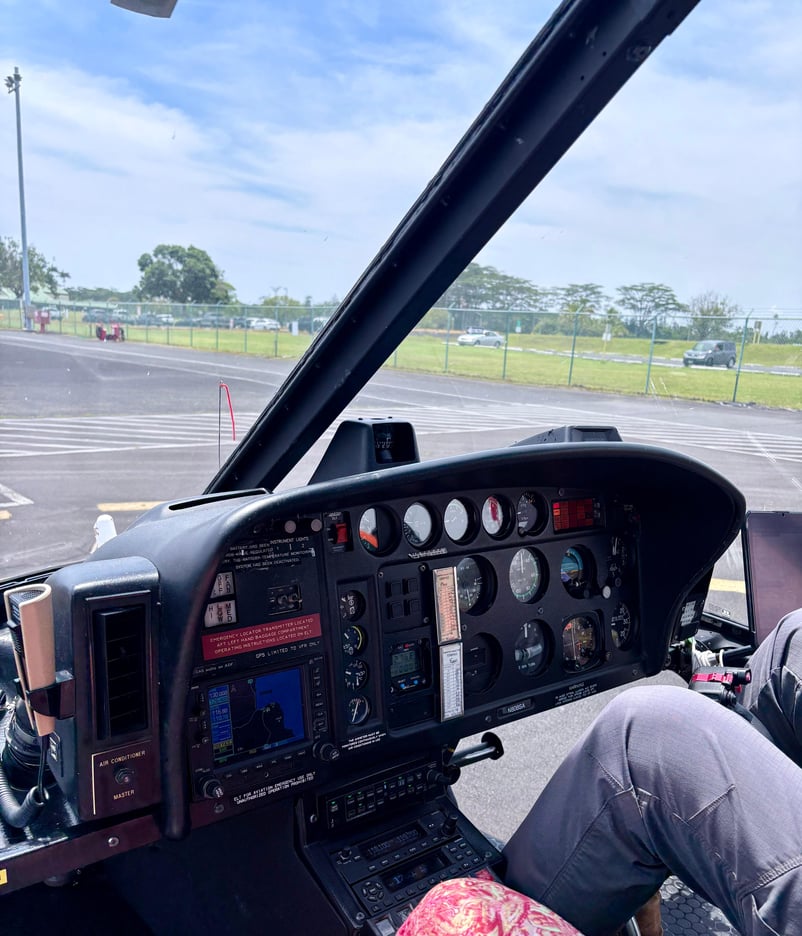
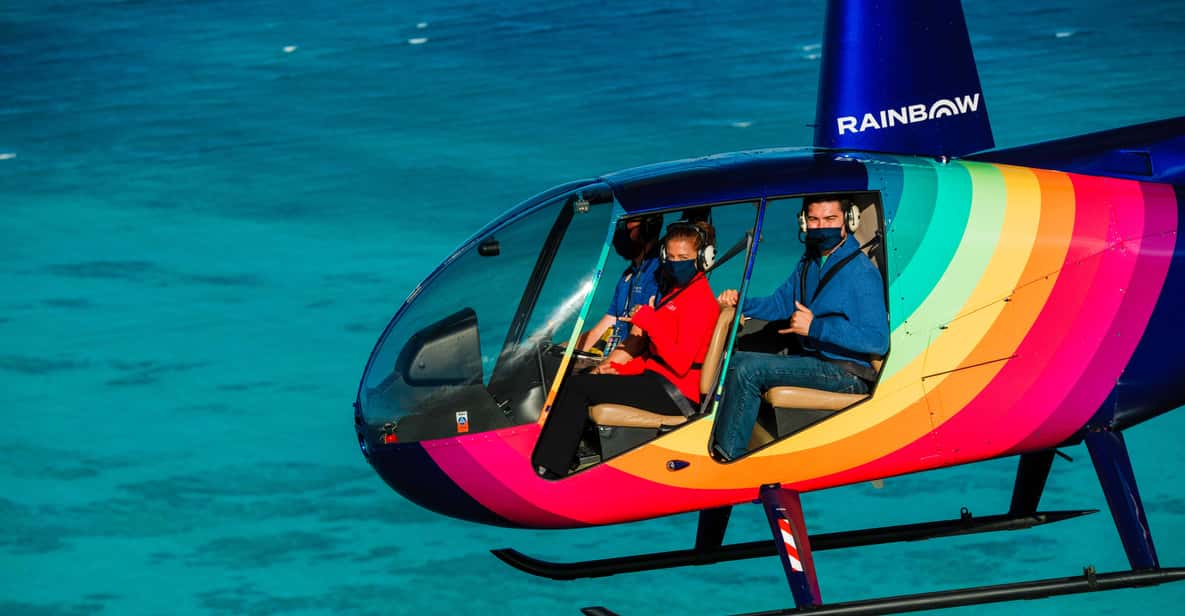
Aircraft matters as much as route. Smaller four-seat helicopters like the Robinson R44 guarantee every passenger a window seat with no middle seating. Larger six-passenger touring helicopters carry middle rear seats where views get partly blocked, and the EcoStar EC-130 adds raised rear theater seating behind wraparound front glass.
Seats get assigned at check-in by weight and balance math, so you cannot pick your own window in advance. If a middle seat would break the day for you, an extra seat purchase guarantees the view.
How to choose a Mauna Loa helicopter tour
Check
Why it matters
Our pick
Route focus
A volcano-only route lingers over craters and flows; a circle tour trades summit time for valleys and coast
The Waikoloa Big Island Spectacular splits its 105 minutes between volcano and island scenery
Aircraft and seats
Small four-seat ships guarantee windows; big six-seaters can stick you behind someone's head
Confirm the aircraft type before you pay
Doors on or off
Doors off gives photographers unobstructed views and helps the claustrophobic; doors on stays warm and climate-controlled
Both configurations are offered, so you can decide at booking
One more note from people who fly often: doors-off ships linger longer over the scenery, and shooting without glass kills window glare entirely.
Where you sleep decides half the logistics. West-side departures put you in the air fast: Kailua-Kona flights leave from the airport in town, and Waikoloa Heliport sits about 50 minutes north of Kailua-Kona resorts. The trade is flight time, because the volcano lies across the island.
A Kona-based volcano tour runs about 1 hour 45 minutes overall to cover the crossing, while Hilo departures log roughly 50 to 55 minutes since the volcano starts next door. Shorter coast-only loops out of Kona, without the volcano, run about 30 minutes.
Hilo, then, minimizes transit flying time over the dry lava plains. But only if reaching the heliport is easy for you, which is the next chapter's problem.
For parties, know the pattern regulars mention: groups of six end up on larger A-Star type aircraft, while two or three people can charter a smaller private helicopter.
The Kailua-Kona Kohala, Volcanoes and Waterfall Helicopter Tour splits 1.5 hours between the Kona coast and the volcano country, with doors-on or doors-off options, live commentary and phone straps included, which makes it the natural pick for travelers already based on the west side.
The Saddle Road crossing, the Daniel K. Inouye Highway, is the price of a Hilo departure from the west side.
Without traffic it runs about 91 minutes from Kona International Airport and about 65 minutes from Waikoloa Heliport; other estimates quote 1 hour 20 to 1 hour 30 from the resort areas, which measure a slightly different start point, so plan on the longer figure.
Airport guidance is stricter than the map: allow 1.5 to 2.5 hours for the crossing, because elevation and weather changes along the highway are real, and a missed check-in forfeits the seat. Leave early and treat the drive as buffer.
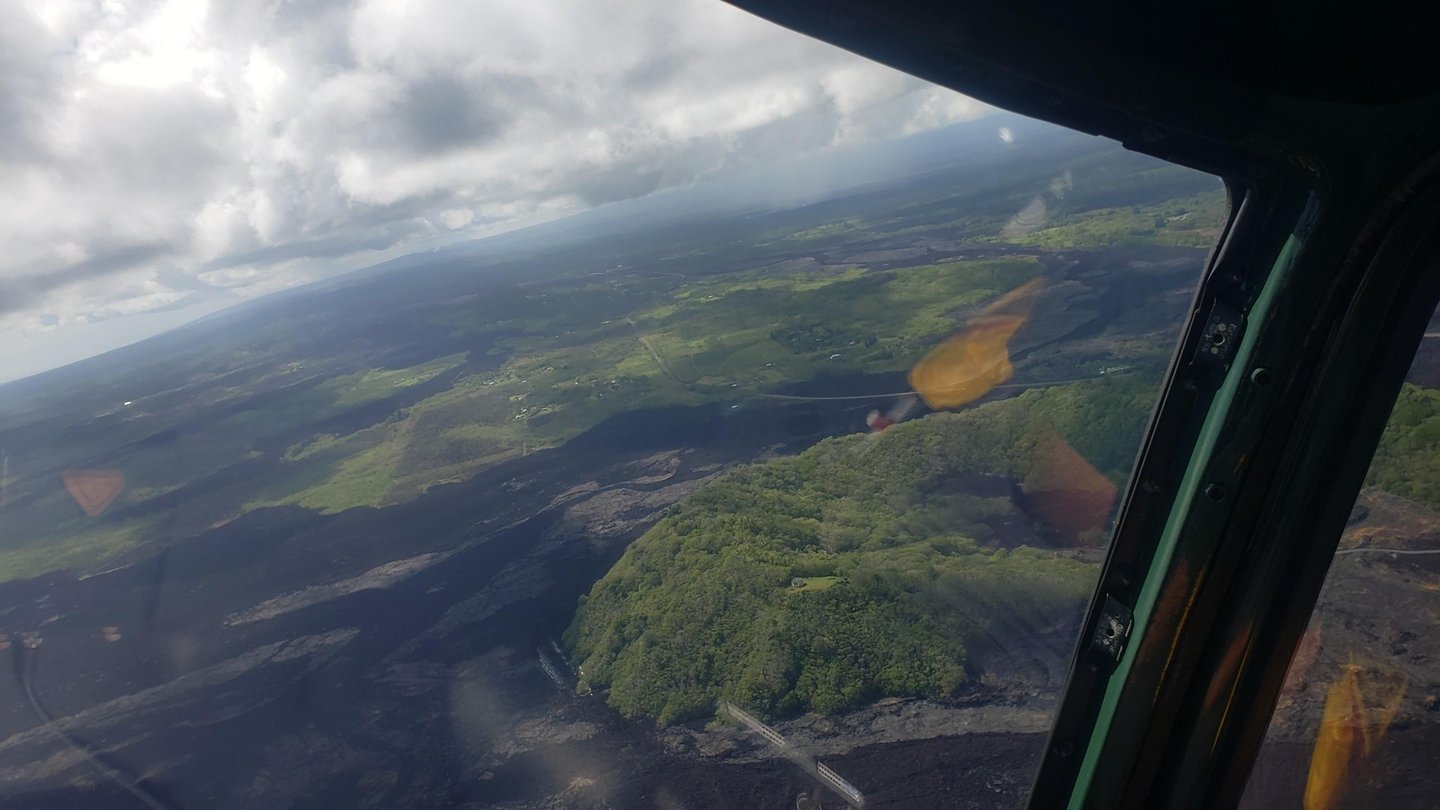
The scenery is the consolation. The road runs between the two great volcanoes, past forested cinder cones ringed by younger Mauna Loa flows, the black margins of the 1855 and 1935 eruptions, and a roadside spatter rampart marking old fissure vents. You preview the flight from the ground.
How hard each way to the departure base is
Drive from Kailua-Kona to Kona AirportDepartures in town, no crossing needed
Easy
Drive from Waikoloa to Waikoloa HeliportMinutes from the resort strip
Easy
Drive from Waikoloa to Hilo via Saddle RoadAbout 65 minutes each way without traffic
Moderate
Drive from Kailua-Kona to Hilo via Saddle RoadAbout 91 minutes each way, longer in bad weather
Moderate
Drive Kona side to Hawaii Volcanoes National Park95 miles and 2 to 2.5 hours each way on Highway 11
Difficult
The arithmetic is simple. Flying from Hilo saves more than an hour of driving each way to the park, but only makes sense if the drive is part of the adventure.
Driving yourself
Rent a car in Kailua KonaCompare cars from the rental companies in one search, then pick yours.
When to fly for the clearest Mauna Loa summit views
The mountain builds its own weather through the day, and the morning is your window. Trade winds, thermal turbulence and cumulus clouds build over the interior ridges from midday, peaking between 2 pm and 4 pm. Mornings before 11 am, especially the 7 am to 10 am slots, bring the calmest air and clearest skies.
Cloud frequency over Mauna Loa's upper slopes increases from morning to afternoon, and winds strengthen through the day. The peaks are not cloud-free every morning, but earlier odds are simply better. Book the first flight of the morning and the summit usually shows itself.
Sides differ too. Kona skies are clearest in the morning, with the offshore waters nearly cloud-free early. The windward Hilo side runs cloudier all day, and its flights meet rain often enough that late morning around 11 am tends to be the sweet spot there.
Notably, Mauna Loa and Mauna Kea rise above the trade-wind inversion, so cloud sits around them more than on them.
September averages the least cloud at 42 percent against November's 51, and July is the wettest month on the mountain. Summer trades are stronger and steadier, while winter fronts can stall them for days.
Weather and wind at Mauna Loa by month
July averages 16.8 wet days, 50% cloud cover and 0.2 windy days, with temperatures around 19.7-25.1°C.
HighestJul16.8 days
In betweenMar, Aug13.4 to 13.6 days
LowestApr to Jun, Sep to Feb9.4 to 11.4 days
Darker months: higher, from 9.4 to 16.8 days
Tap a month to read it.
April averages 11 wet days, 57% cloud cover and 0 windy days, with temperatures around 17.7-23.4°C.
HighestMar to May52 to 57%
In betweenFeb, Jun to Jul, Oct to Dec48 to 51%
LowestJan, Aug to Sep42 to 43%
Darker months: higher, from 42 to 57%
Tap a month to read it.
February averages 10.6 wet days, 49% cloud cover and 0.8 windy days, with temperatures around 16.6-22.3°C.
HighestFeb0.8 days
In betweenAug, Dec0.4 days
LowestJan, Mar to Jul, Sep to Nov0 to 0.2 days
Darker months: higher, from 0 to 0.8 days
Tap a month to read it.
Book the slot early in your vacation, not the last day, and in peak summer or the December-January holidays expect morning departures to sell out 30 days to six weeks ahead.
Tour for this
Big Island: Kilauea Volcano Eruption Heli Tour - Door On/Off4.4★ (5) · 1.5 hours · Free cancellation
Fatal air tour accidents in Hawaii average fewer than one per year across all islands, and a study of Hawaii helicopter tour crashes found the rate fell 47 percent after the 1994 Hawaii-specific rule took effect. The injury risk on a commercial tour flight sits at or below the level of a daily interstate commute.
Hawaii air tours fly under dedicated federal rules. Pilots may operate only at height and speed combinations that permit a safe landing after engine failure, flights generally stay at least 1,500 feet above the surface, and every rotorcraft tour runs on a performance plan the pilot must follow before each flight.
And if an engine quits? A helicopter does not fall. Pilots train autorotation gliding to land safely without power, a technique drilled until it is routine.
Weather gets the final word, which should reassure you. Operators cancel, delay or reroute when heavy rain or cloud builds, and an eruption can close the airspace above a caldera outright.
The aircraft you fly in has passed maintenance requirements set by federal regulation, and first-time flyers consistently report that nerves dissolve within minutes once the views start.
Mauna Loa flight weight limits, ages and health rules
The boring rules are the ones that end a booking, so run through them before you pay. Doors-off flights add their own floor. Operators also screen for health.
Vertigo, claustrophobia, recent motion sickness, a cold or flu, pregnancy and inability to sit upright all rule passengers out on certain flights.
Every passenger aged 24 months and up buys a full-fare seat. ::alert Check this before you book Dived within 24 hours of the flight | You can be denied boarding, since lower cabin air pressure raises decompression sickness risk; schedule the dive after the flight Pregnancy, vertigo, claustrophobia or a recent cold or flu | Several tours list these as unsuitable for flight; choose a doors-on flight or fly another day Children under 2 | FAA rules do not approve harness-type child restraints for aircraft, so toddler seats are not an option
Your seat, finally, is not yours to choose. Weight-and-balance math assigns it at check-in, which is why couples are sometimes split across the cabin.
What to wear and expect on Mauna Loa doors-off flights
The morning starts earlier than the flight. Check-in runs 60 minutes before a Waikoloa or Kona departure and 45 minutes to an hour before Hilo flights, covering weigh-in and the safety briefing, so build it into the drive.
Then dress for altitude. Open-cabin flights run 10 to 15 degrees cooler than the ground with wind chill on top, which over Mauna Loa's slopes reads as properly cold even in summer.
A snug base layer under a windproof jacket, long pants and closed-toe shoes is the working kit. Doors-on cabins are climate-controlled, so casual clothes are fine, though heavy jackets overheat. ::w2
Loose things are the other battle: no loose items ride in an open cabin. Hats, scarves, purses, water bottles, selfie sticks and spare lenses stay behind, and every phone or camera must ride on a wrist or neck strap, which operators supply cases for.
Long hair goes back in a tight tie or it whips across your face for an hour. Dark solid colors photograph best on doors-on flights, keeping your shirt out of the window reflection.
Mauna Loa flight weather cancellations and refunds
Sooner or later the mountain closes a route. When clouds or vog block the volcano, pilots typically divert toward windward sights instead, older coastal lava flows and rainforest waterfalls that often run stronger after passing showers. Expect that change and it disappoints nobody.
On national park routes, a pilot who cannot hold the prescribed altitude in weather must leave the route, either taking another line where conditions allow or exiting the plan boundary. The route is never pushed.
What happens to your money depends on the operator, so read the terms at booking. A canceled flight brings a full refund or a reschedule; if an operator moves your tour to another day and you cannot make it, you get the full amount back.
One operator gives no refund for a weather-related change of route or flight time, only for outright cancellations.
If the day changes
If this happens
What happens then
Flight canceled for poor weather or low clouds
Full refund or the option to reschedule, your choice
Operator moves the tour to another day and you cannot attend
Full refund, no penalty
Weather changes the route, sights or flight time
The flight runs as changed; one operator gives no refund or discount for it
You miss the check-in window
The seat can be forfeited with no refund, so arrive early
This is why the booking strategy matters more than luck: slot the flight into your first days of the trip, keep a buffer day behind it, and a canceled morning becomes a rearranged afternoon instead of a lost experience.
Pairing a Mauna Loa flight with the rest of the day
A Hilo departure leaves the whole afternoon to work with, and the town stacks its sights tightly.
Rainbow Falls, the 80-foot Waianuenue in Wailuku River State Park, sits 1.5 miles from downtown, and Boiling Pots lies two miles upriver; the two pair easily in a 45-minute stop. ʻAkaka Falls, a 442-foot drop on a paved 0.4-mile loop, waits about 25 minutes north of town.
Closer in, Liliʻuokalani Gardens on Hilo Bay is free and includes Coconut Island just offshore, the farmers market opens daily at 7 am, and Kaumana Caves offers a lava tube you can walk into from a roadside park.
Hawaii Volcanoes National Park itself sits about a one-hour drive away for the ground-level half of the volcano story.
On the west side, the departure bases put the Kailua waterfront at your feet. Kailua Pier, Hulihee Palace and the Ironman finish line all sit within a few minutes' walk of the Kona airport's tour terminals' home town, with Keauhou Bay and the botanical gardens a short drive down the coast.
Either way, the day closes the same: the mountain seen whole in the morning, the island's smaller pleasures filled in after, and no ground itinerary that could have shown you the first half.
Mauna Loa from the air is the one Big Island experience the ground cannot fake, and the flight rewards planning over luck. Take the first morning slot, depart from whichever base your hotel makes easy, and put the flight in the opening days of the trip with a buffer day behind it.
Go ifYou want to see Mokuʻāweoweo or the 2022 rift flows, which no road reachesYou are based on the Kona or Waikoloa side and want the volcano without a cross-island driveYou can book two to four weeks ahead for a peak-season morning slot
Skip ifYou have scuba dived within 24 hours of the flight timeYou are pregnant, or vertigo, claustrophobia or a recent cold or flu is in the pictureYou cannot spare buffer days, so a weather cancellation would end the trip
Straight answers on routes, lava, weather and the small print before you book a flight over the mountain.
Kawaihae2026
Half the island is one volcano, and you only grasp that from above. Book the earliest slot you can, in case the clouds argue.
Can you see active red lava on a Mauna Loa helicopter tour?
Only if the mountain is actually erupting. Volcanic activity comes and goes, sometimes pausing for weeks, so many flights show historical flows, crater walls and steam instead.
Mauna Loa's 2022 eruption left fissure vents above 10,000 feet and long lava channels on its northeast flank, and those frozen features are visible from the air on any clear day.
What is Mokuʻāweoweo, and will the flight circle it?
It is Mauna Loa's summit caldera, a set of three oval depressions with cinder cones on the floor and rim from the 1940 and 1949 eruptions. Reaching it on foot takes days of hiking over rough, jagged lava.
From the air, pilots must keep at least 1,500 feet above the surface, and cloud or eruptive plumes can push the route away from the summit.
Is a helicopter the only way to see the summit caldera?
A flight is by far the most practical way on a normal vacation. The hike to the summit is arduous and needs serious preparation over loose lava rock. The USGS webcams at the caldera's north and south rims give you a look for free, but they show one fixed view, not the whole mountain.
Where do Mauna Loa helicopter tours depart from?
Three bases work: Kona, Waikoloa and Hilo. West side departures put the mountain roughly 50 miles away, about 36 minutes of point-to-point flying, so a full volcano loop runs 1.5 to 2 hours. Hilo sits much closer to the volcano country, which shortens the flight itself.
Is it better to fly from Kona or drive across to Hilo?
Driving the Saddle Road to Hilo takes about an hour and a half from Kailua-Kona each way, and officials suggest allowing up to 2.5 hours for weather and elevation.
Departing from the Kona or Waikoloa side erases that drive entirely, though the flight is longer and the crossing adds to the total time in the air.
Should I choose a doors-on or doors-off Mauna Loa flight?
Doors-off gives you unobstructed photos but real wind: expect air 10 to 15 degrees cooler than the ground, so bring long pants, a windproof jacket and closed-toe shoes, with hair tied back and every phone or camera on a strap.
Doors-on flights are climate controlled, and dark clothing helps keep window reflections out of your pictures.
Do I need to buy a second seat?
The rule depends on the flight. Weight also decides where you sit, since FAA balance rules set the assignments and you cannot pick your own seat.
I scuba dived this morning. Can I still fly?
No, not on any tour. Operators require a full 24 hours between your last dive and boarding, because the lower cabin pressure raises the risk of decompression sickness. Plan your dive day and your flight day so they never touch.
How safe are helicopter tours in Hawaii?
Fatal air tour accidents average less than one a year across all the islands, and Hawaii-specific rules tightened after 1994 cut the crash rate nearly in half. Pilots fly only at speeds and heights that allow a safe landing if an engine quits, and tours stay at least 1,500 feet above the ground.
What happens if clouds close in on the summit?
The pilot reroutes rather than pushing through, often toward the coast, older lava fields and rainforest, and operators delay or cancel when conditions fall short. If weather cancels your flight, you get a full refund or a reschedule. Booking early in your trip leaves room for that second chance.
How early should I arrive for check-in?
Plan on an hour before takeoff. Weigh-in and the safety briefing take that long, and showing up late can cost you your seat. Wear your jacket and closed-toe shoes ready, and keep loose items like hats and bags at home or in a locker.
Will I get airsick over the mountain?
Probably not. Helicopters fly smoothly, and many people who struggle in cars or boats feel fine in the air. If turns and updrafts on the slopes worry you, take ginger chews or motion sickness medicine before takeoff, keep your eyes on the horizon and move your head as little as possible.