4.5360 photographers got the glare-free cliff shots
Big Island Helicopter Tours with Doors Off - Open-Door Photography Flights
Book a doors-off flight over the Big Island and shoot Kona's sea cliffs, craters, and valleys with zero glass between you and the view. Every open-door tour here includes straps and cases for your phone, a live guided commentary, and pilots used to first-time flyers. Pick your route and lock in the morning slot with the calmest air.
4.5★average rating360traveler reviews100%free cancellation25countries travelers came from
Doors off Big Island helicopter tours - which flight to pick
Doors-off flights on this island come in three shapes: short coastal loops out of Kona, longer runs that add Hualalai or the volcano, and full island expeditions from Waikoloa or Hilo. The deciding factor is how much time in the air you want and which side of the island you are staying on.
Scuba divingNo flying within 24 hours of a dive, since cabin pressure raises the risk of decompression sickness.
What to wearClosed-toe shoes and a jacket or sweatshirt are required, long hair must be tied back in a ponytail, braid or bun, and hats and loose clothing stay behind.
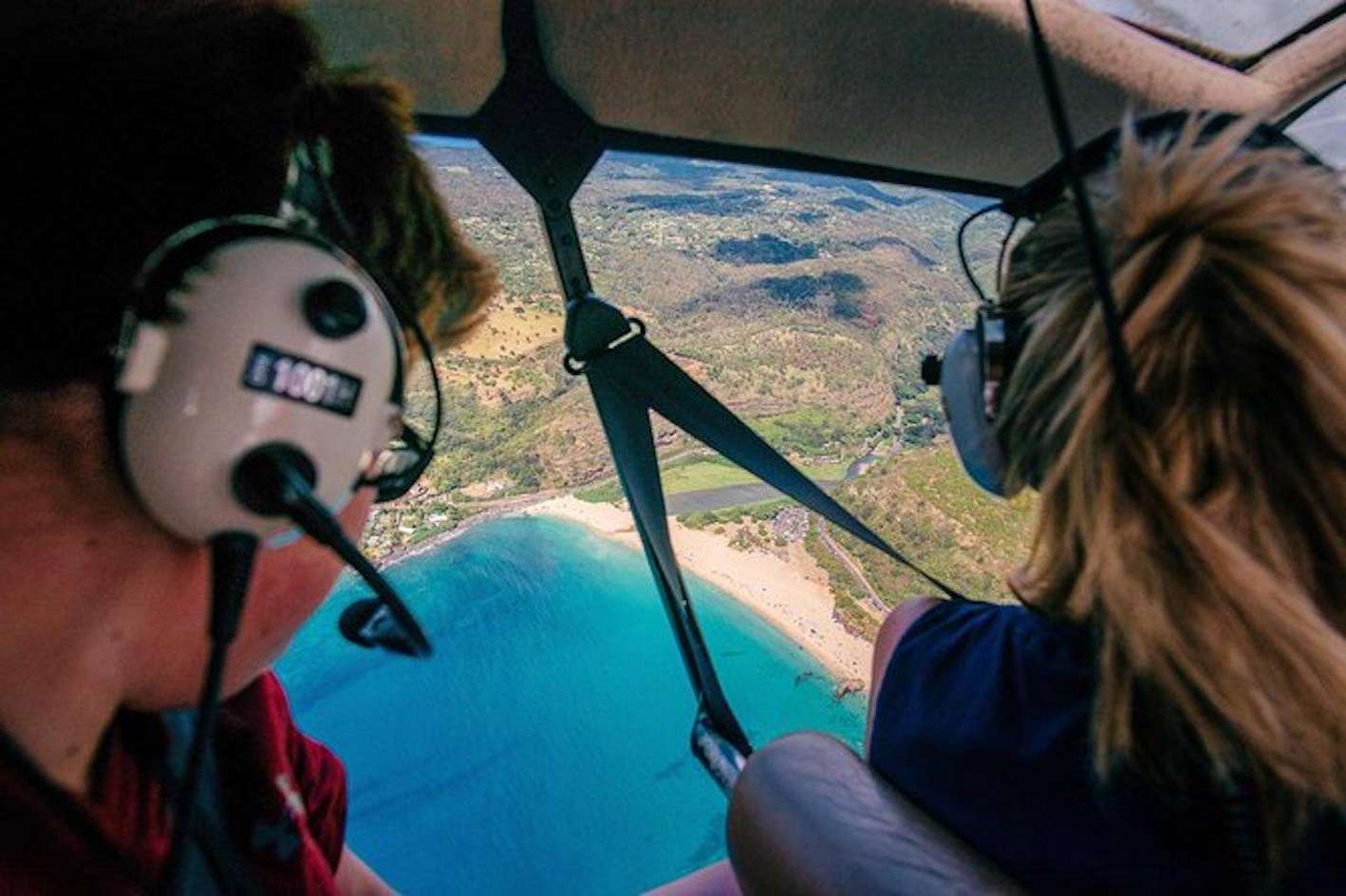
Cameras and phonesNothing loose rides in an open cabin; cameras and phones need a wrist or neck strap, and the Kona tours provide straps and cases for phones.
Your seatWhen you book doors off, your seat may or may not sit directly beside the open door, so check how the operator assigns seats.
TimingMorning departures before 11 am usually bring the calmest air and clearest skies over the Kona coast and the Kohala ridges.
Check-inArrive about an hour before takeoff for weigh-in and the safety briefing; a Hilo flight requires check-in 45 minutes ahead.
WeatherLow clouds and rain can reroute or cancel a flight; operators offer a full refund or a reschedule when weather grounds the flight.
Booking aheadPrime morning slots in summer and the December to January holidays sell out weeks in advance, so book early in your trip to keep a buffer day.
Doors off tour options on the Big Island
Cheapest
30 minutes·English
Kailua-Kona: Scenic Coastal Helicopter Tour, Doors On or Off
The shortest run at 30 minutes, with doors off included and the lowest starting price of the four.
Free cancellation30-minute helicopter tour around Kailua-KonaLive guided tour with commentary
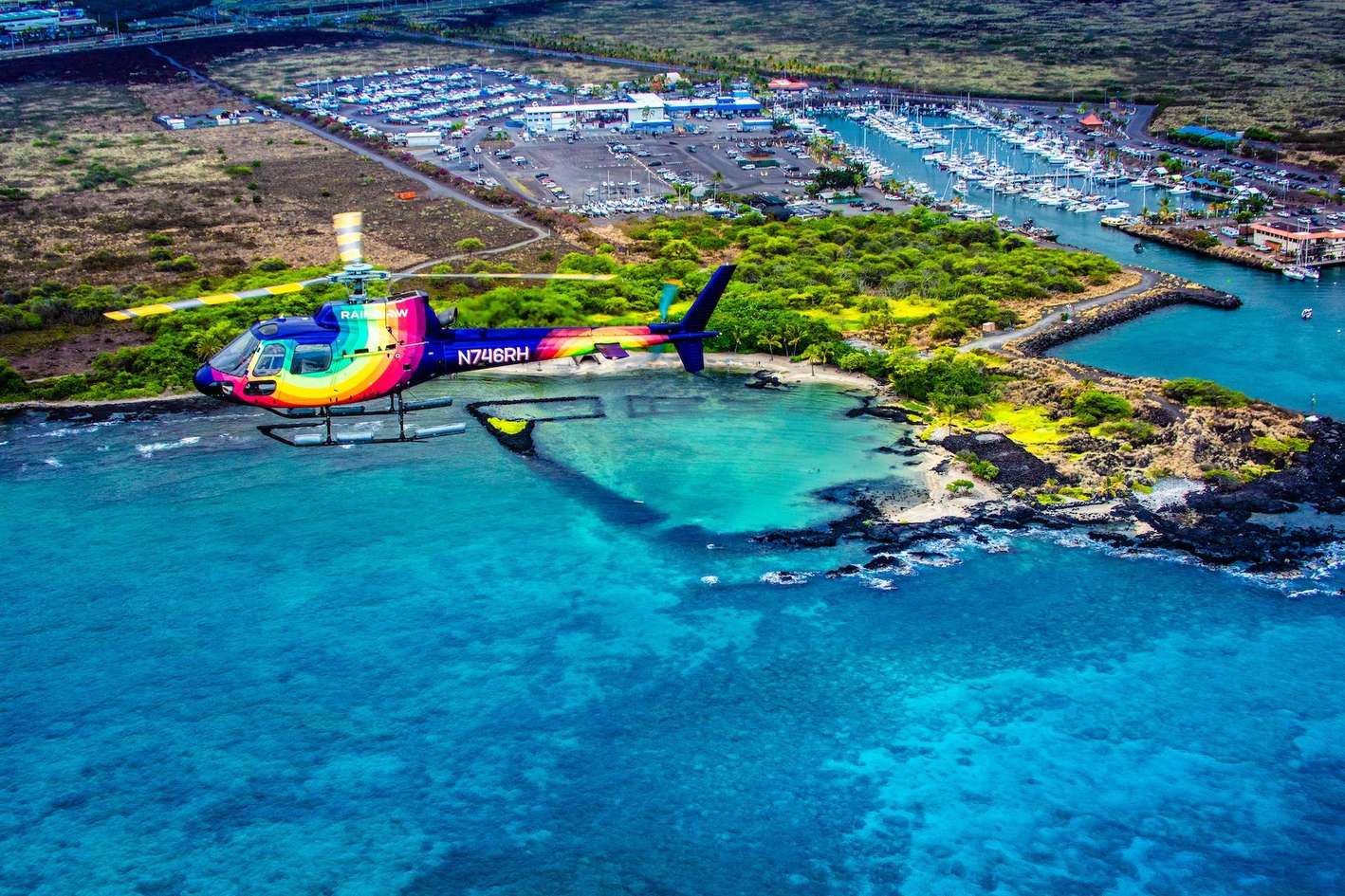
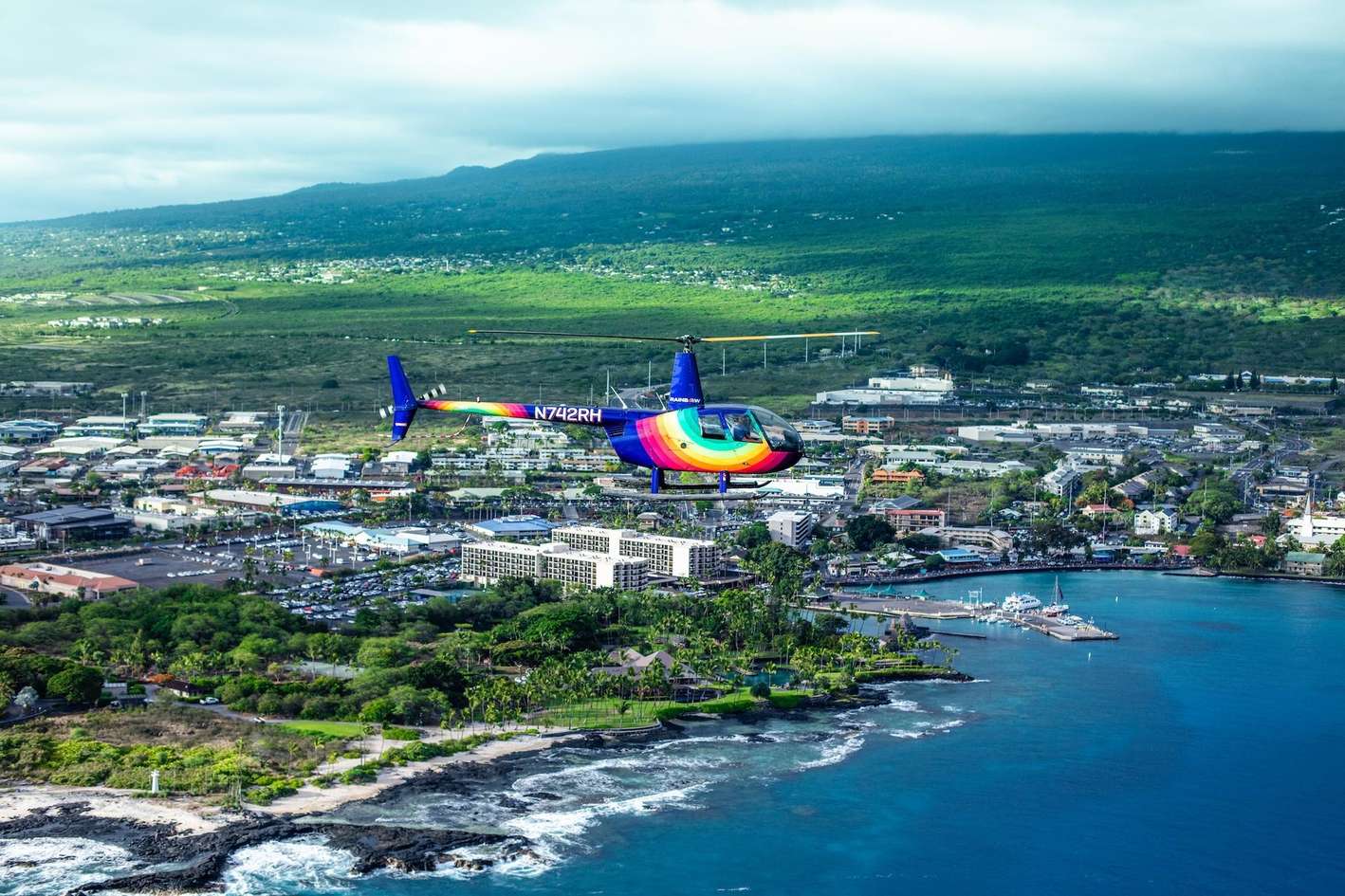
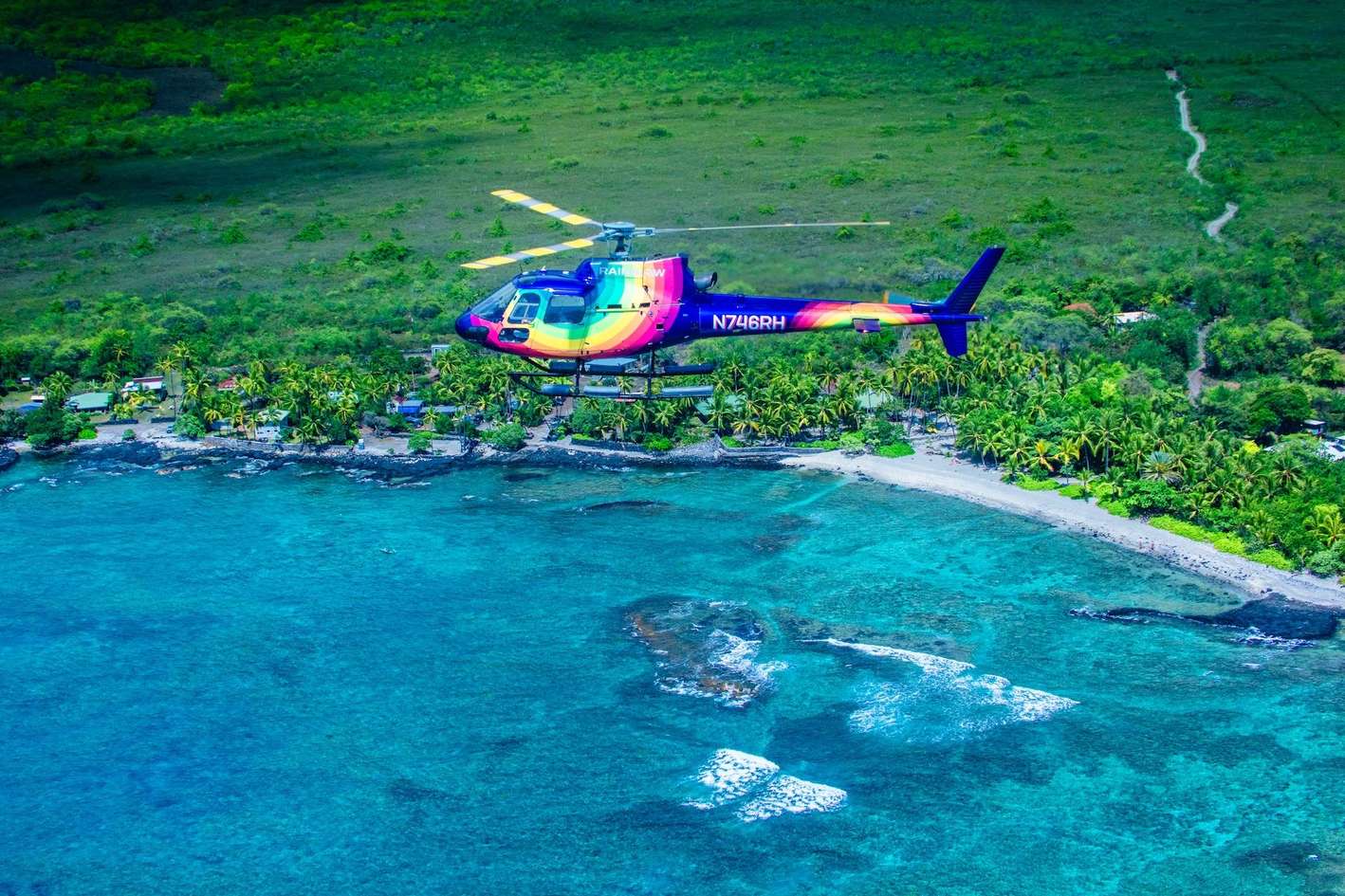
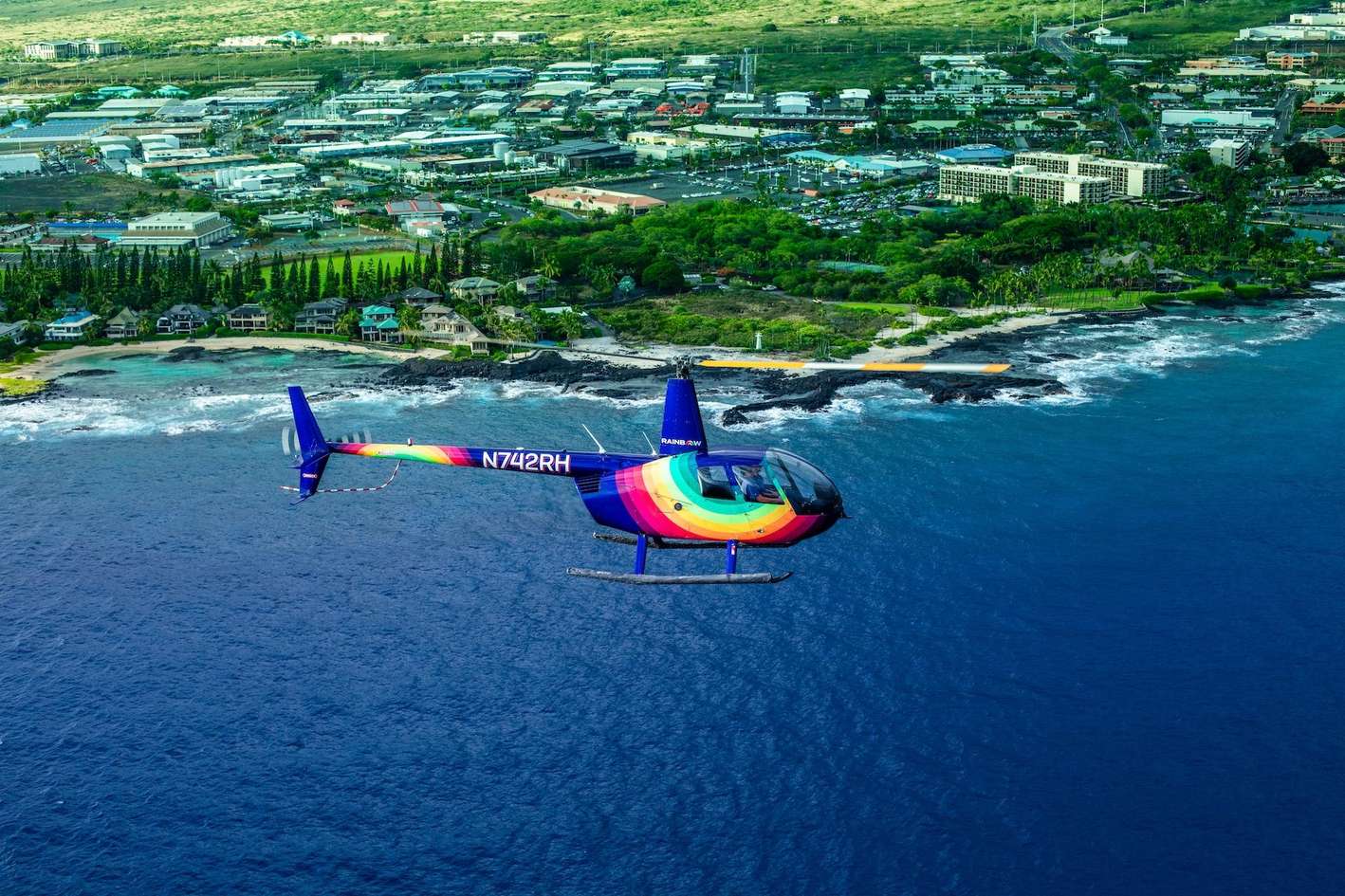
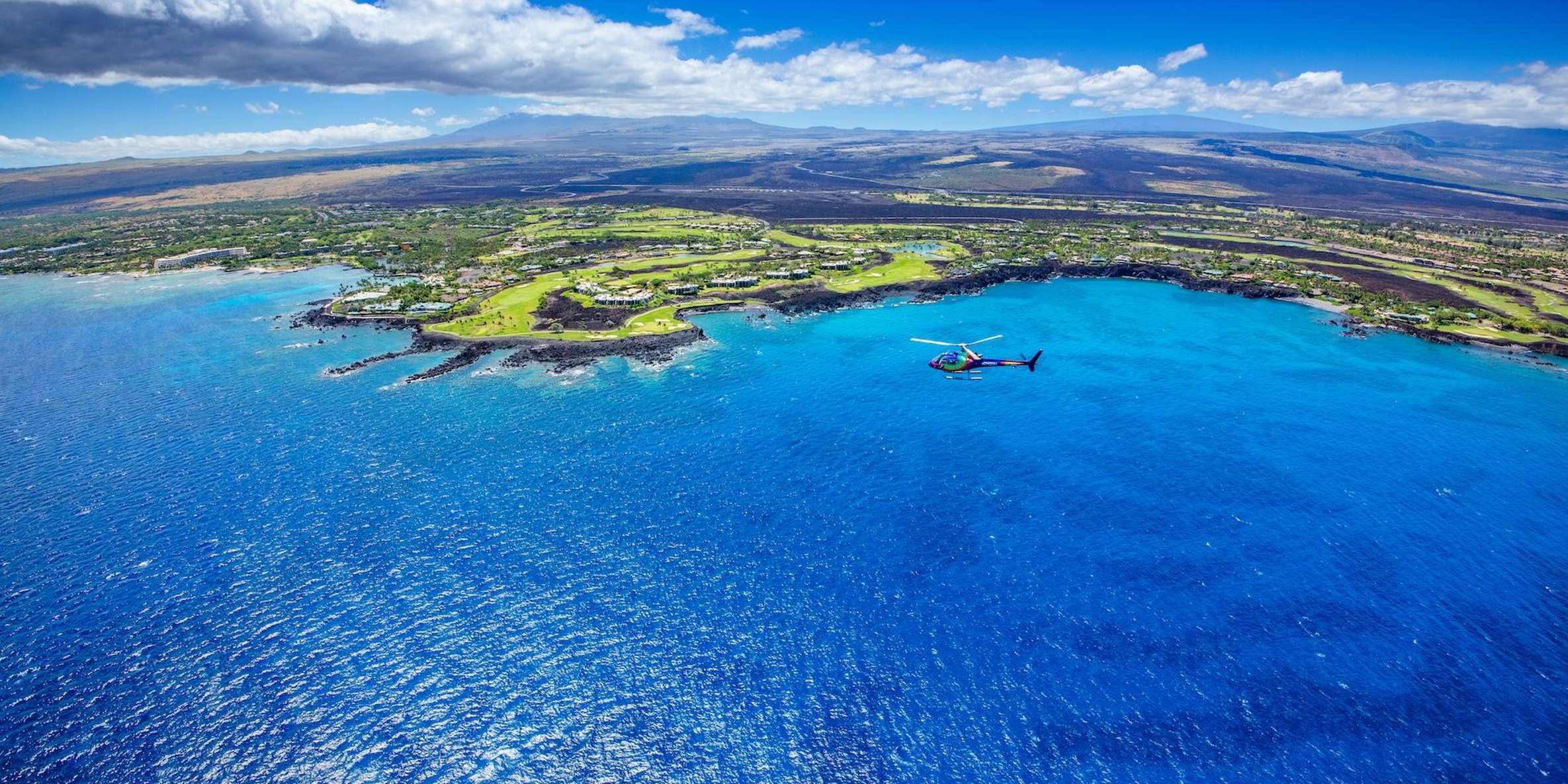
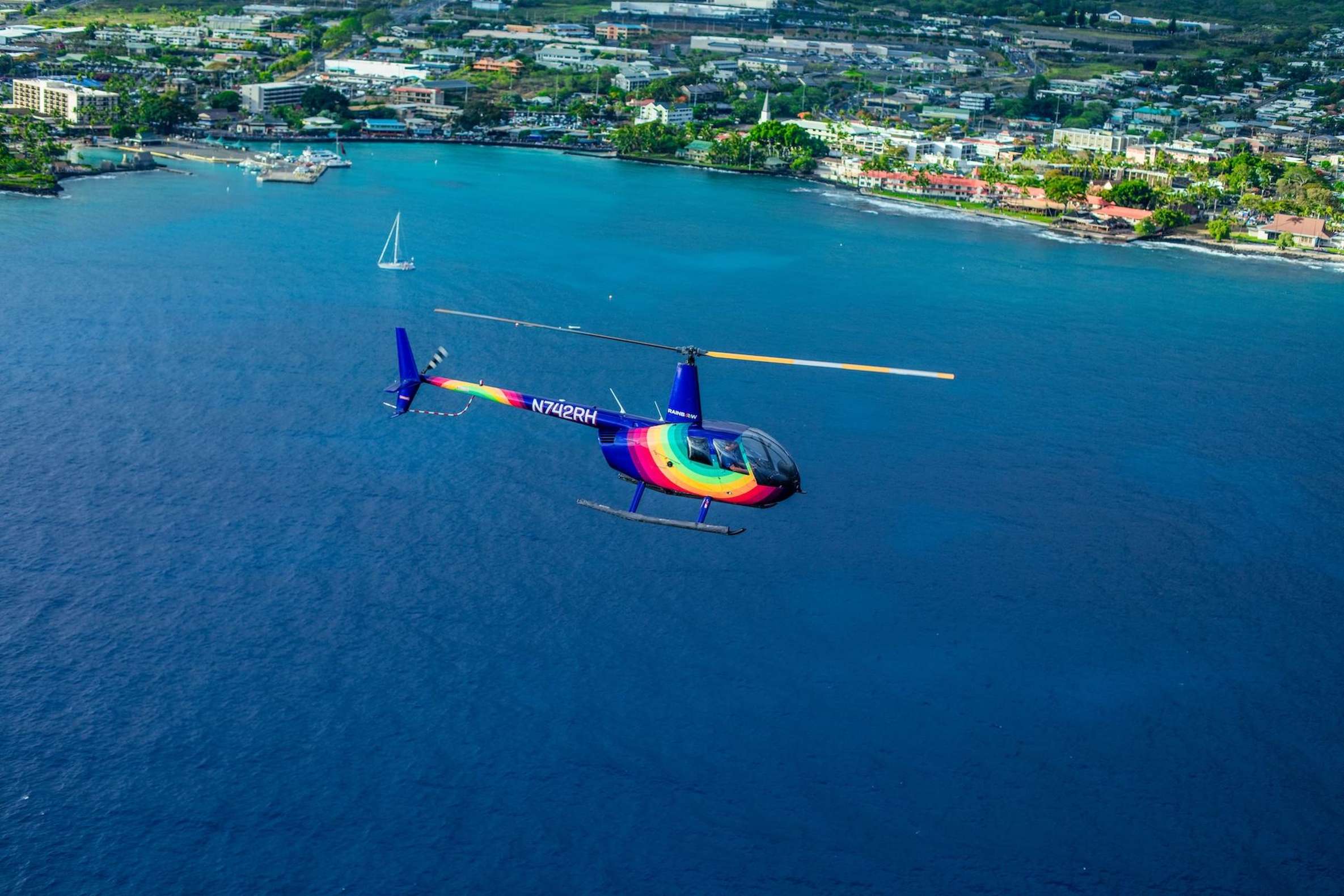
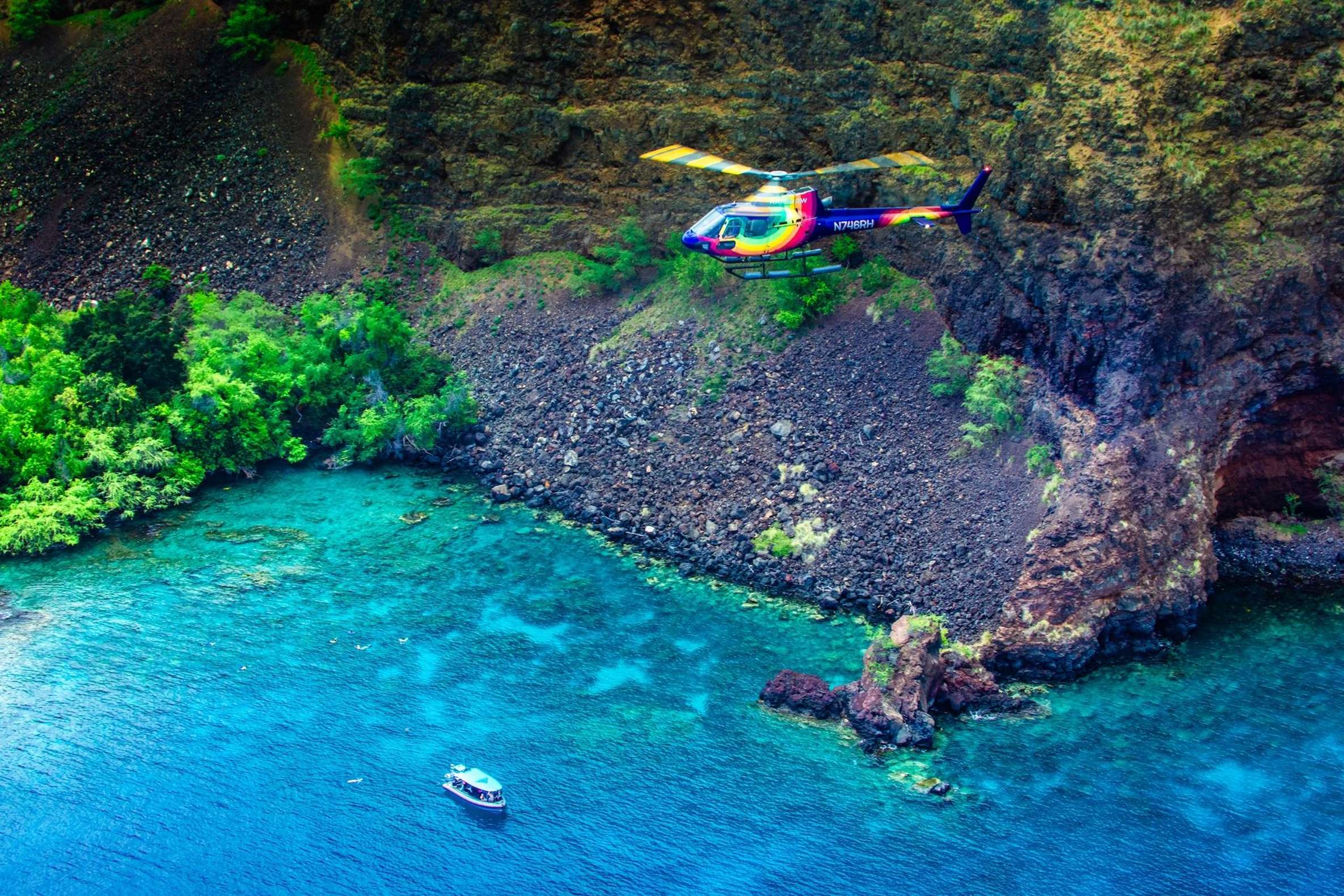
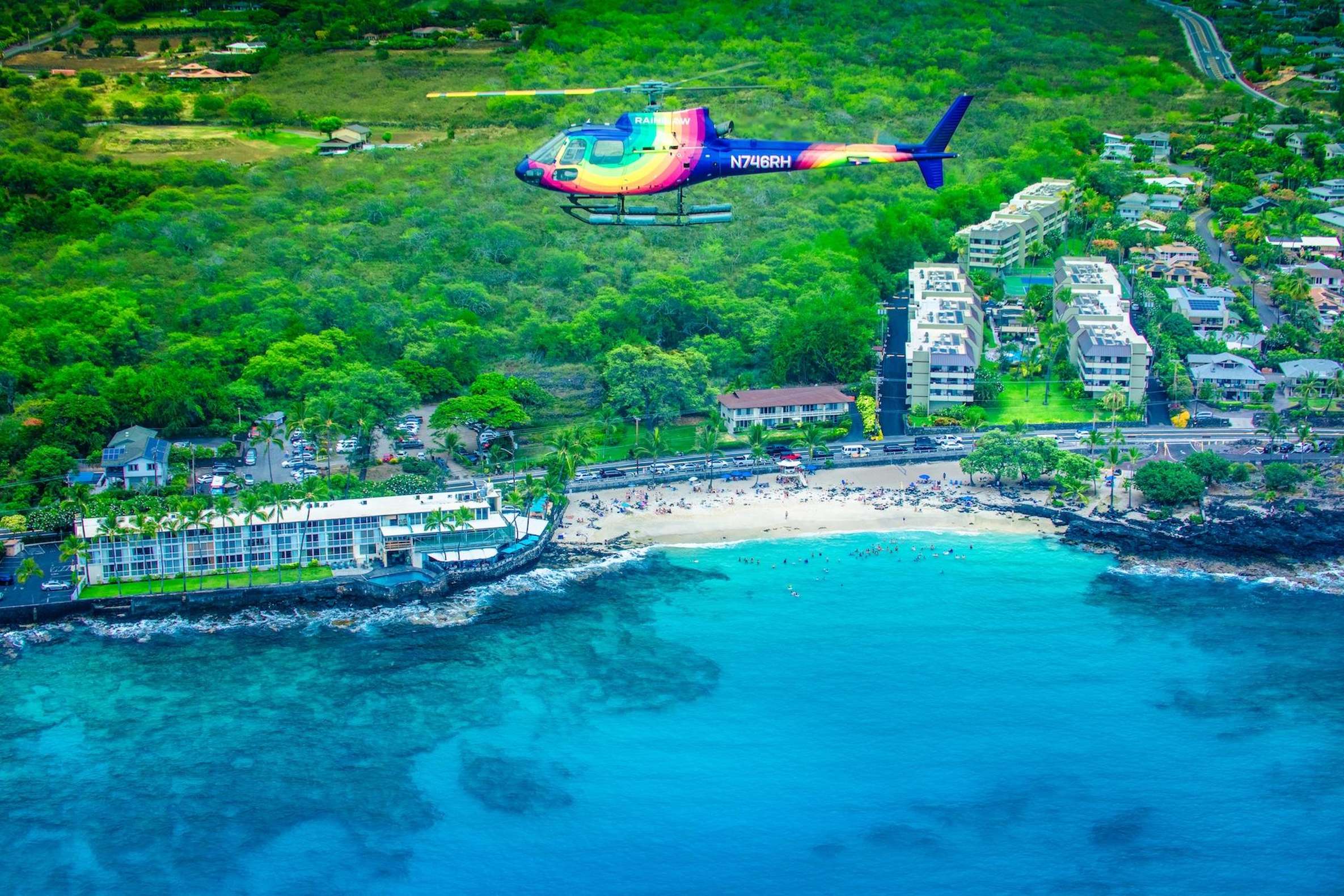
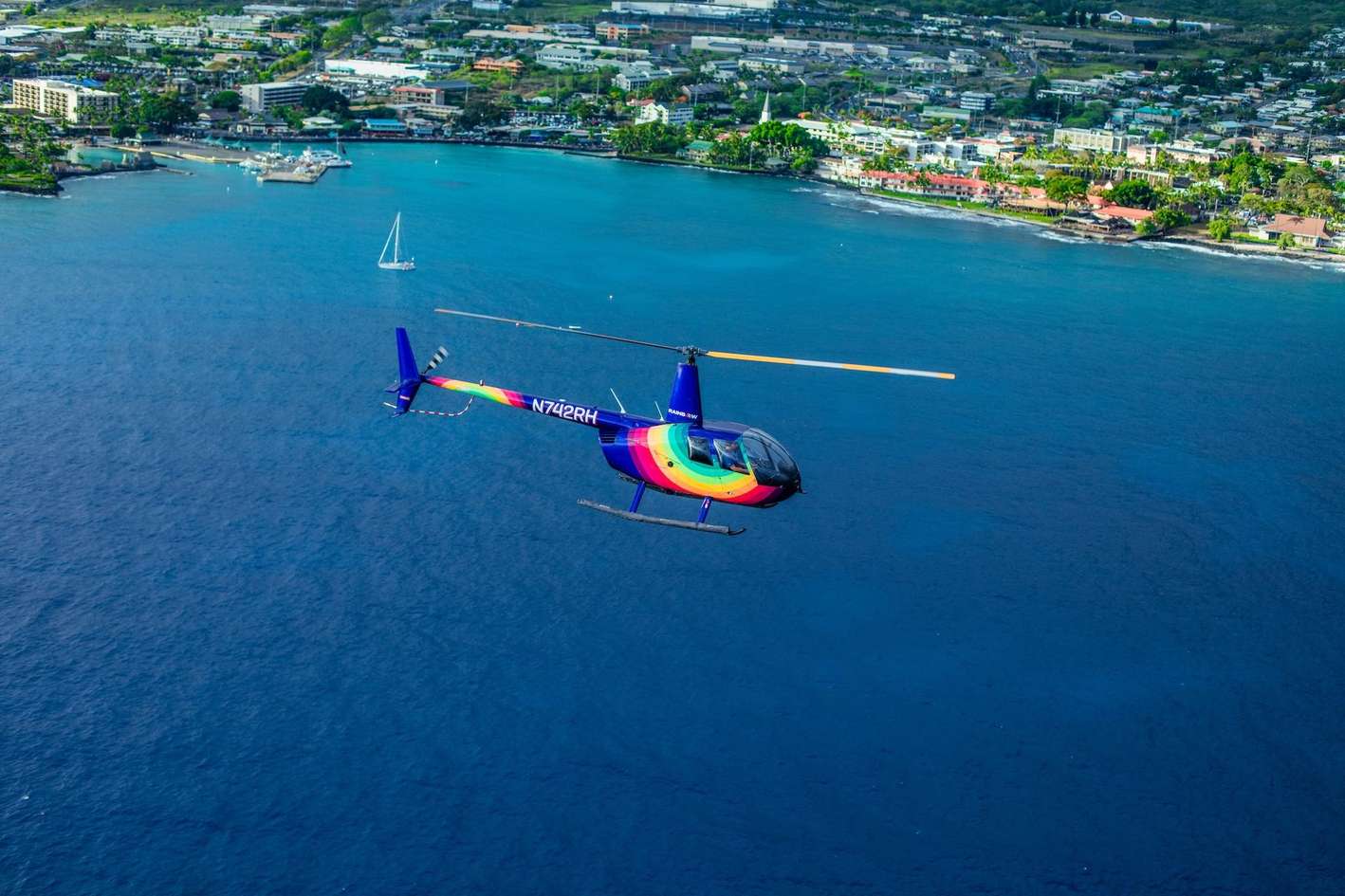
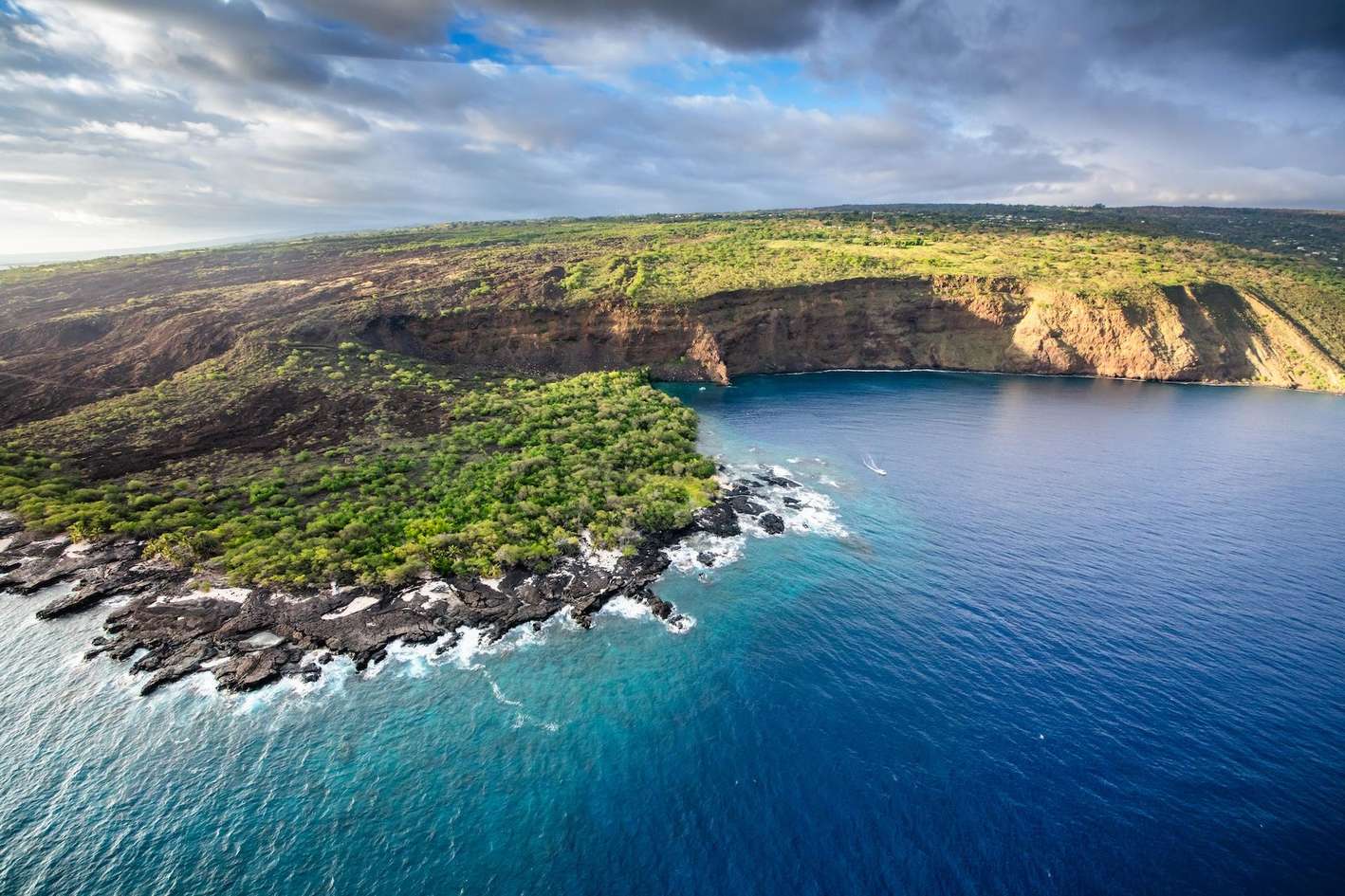
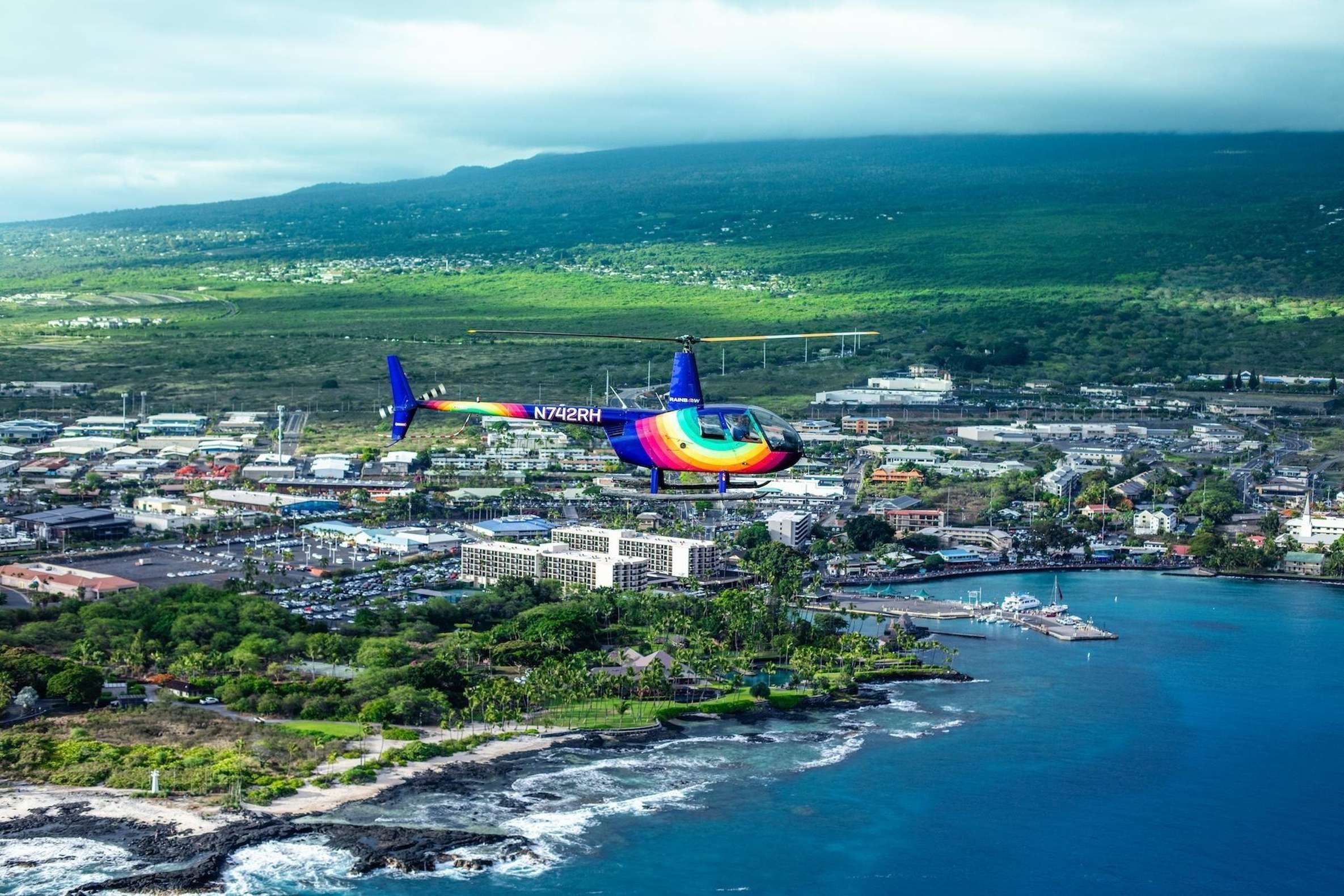
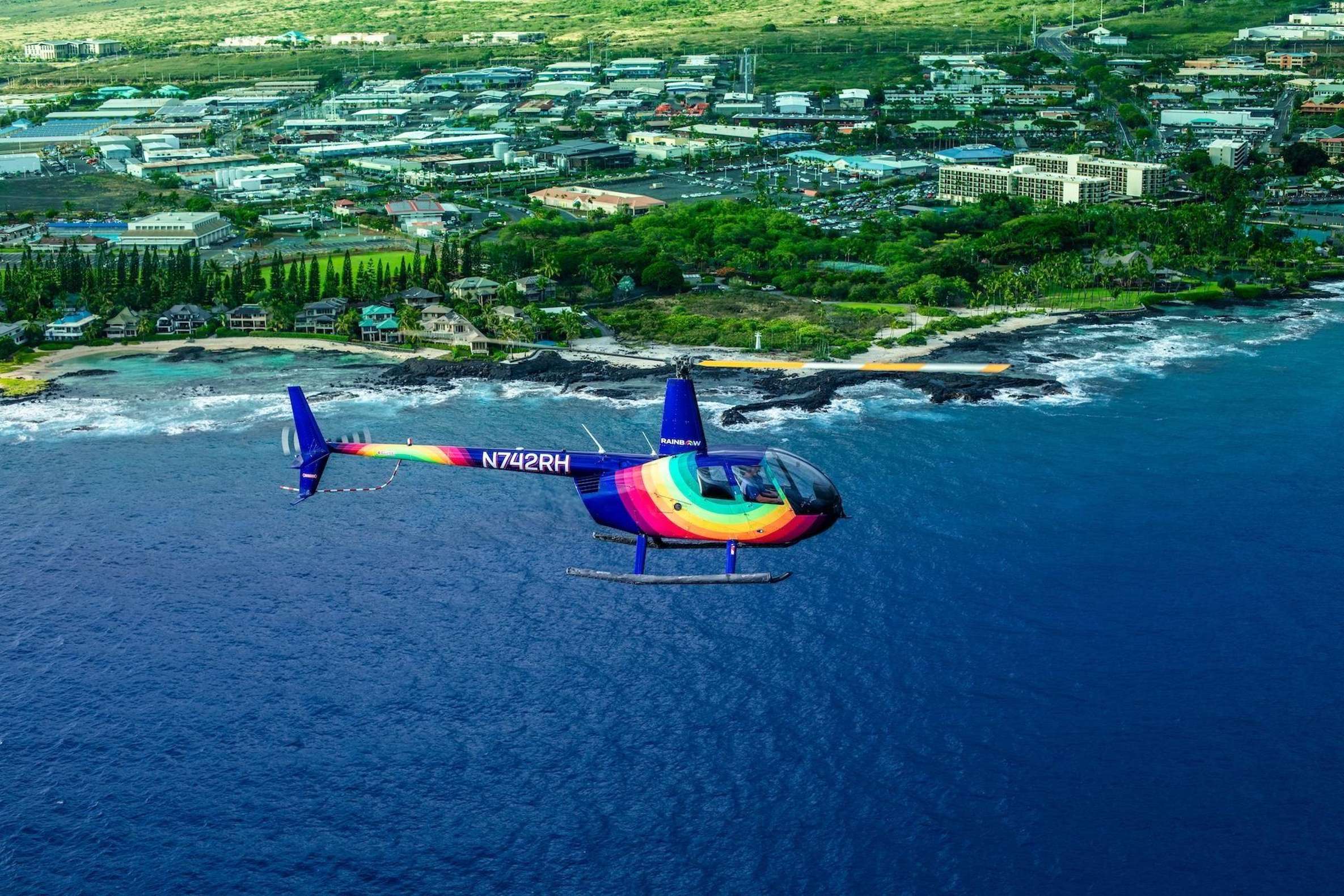
First sight of the day is Kailua Bay from above, its water clear enough to pick out the reef.
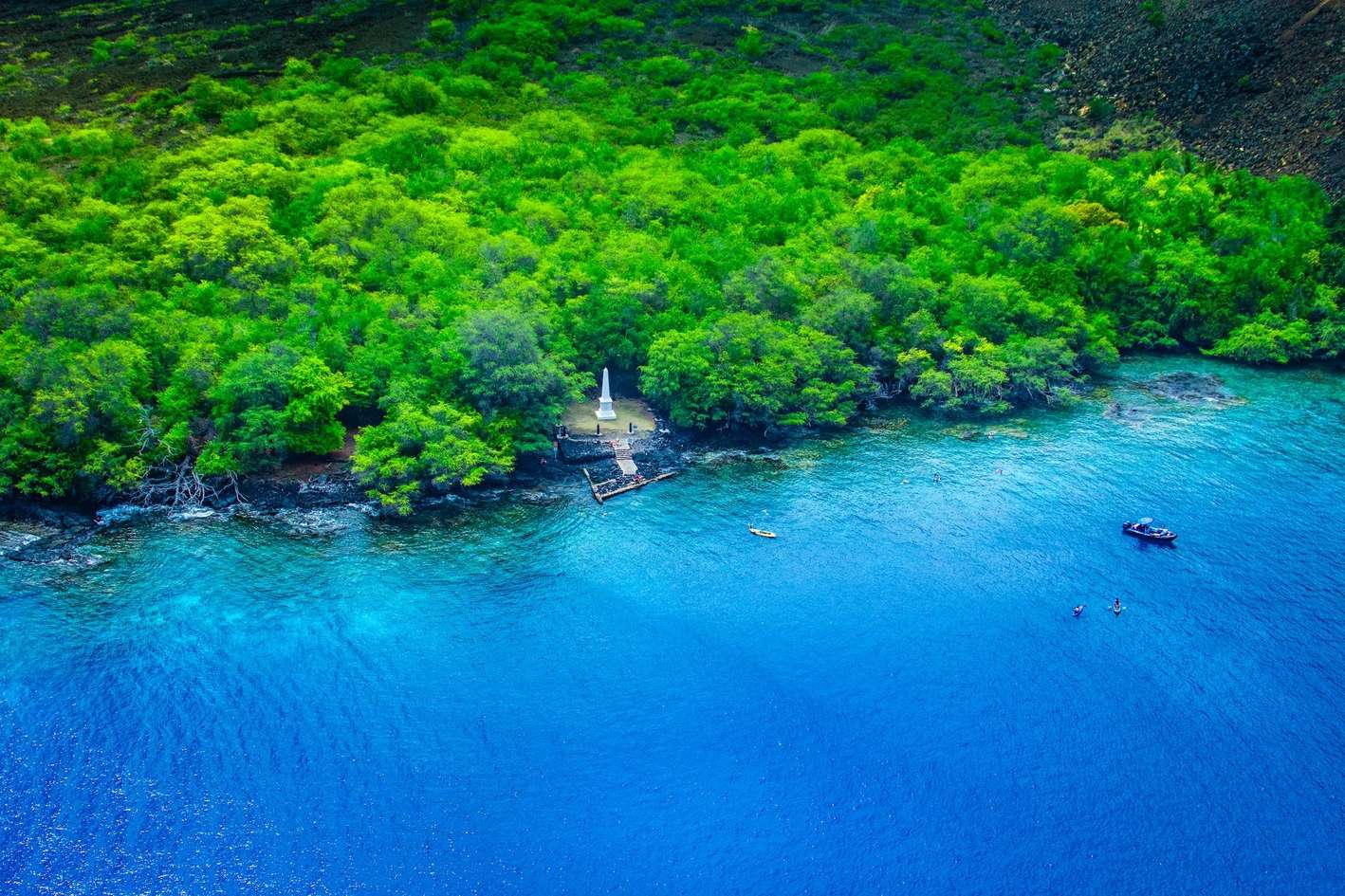
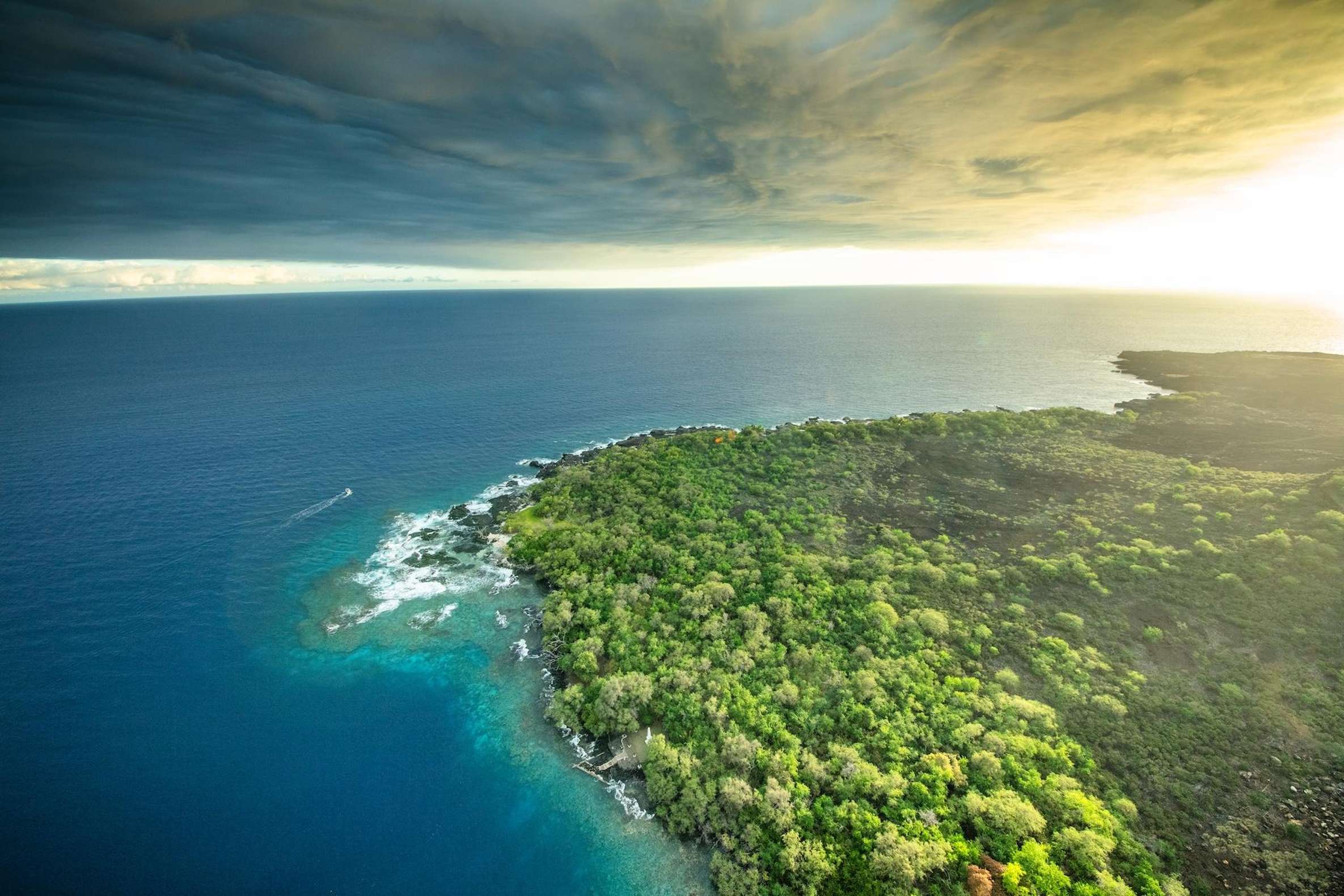
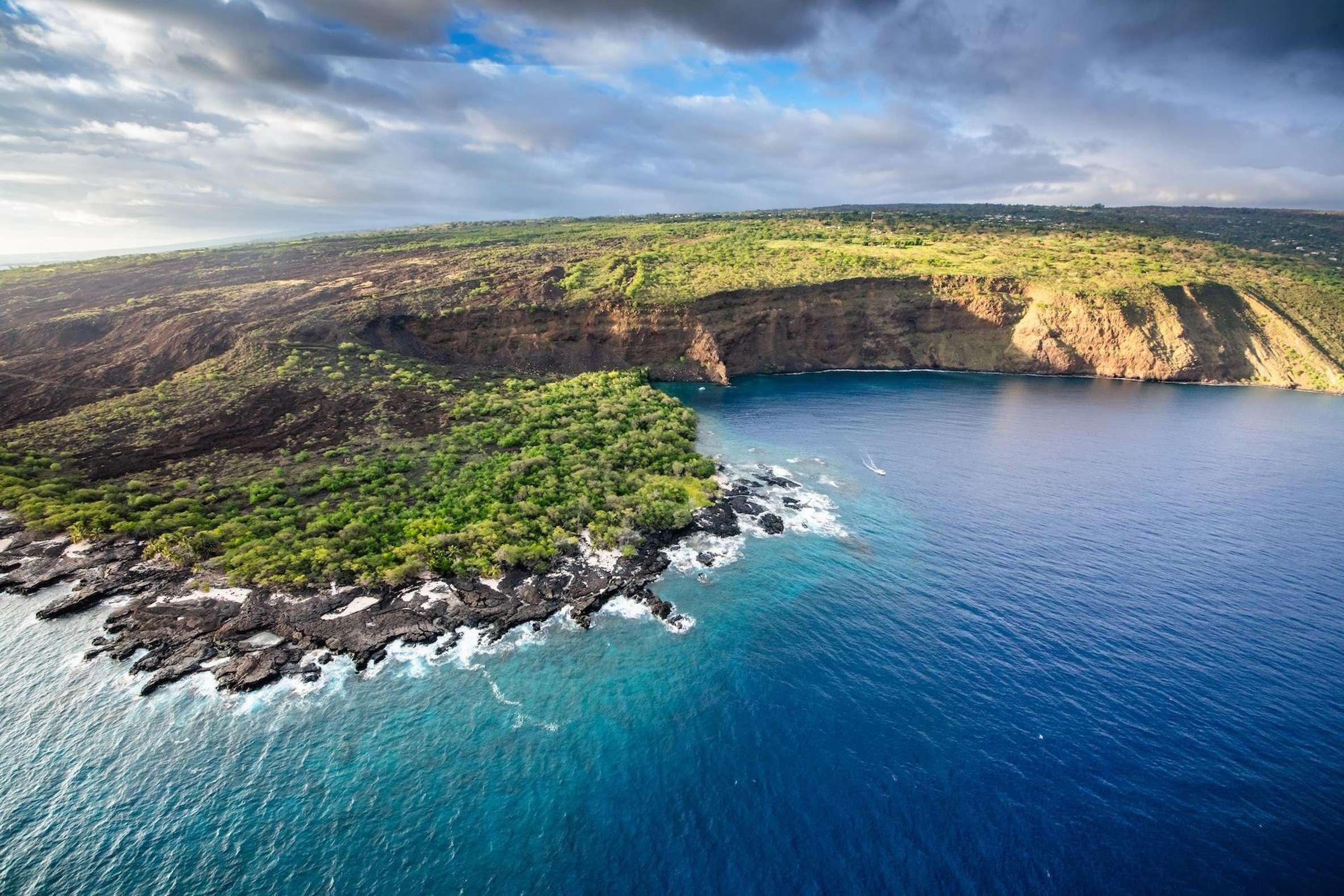
From there a one-hour open-door flight runs the whole Kona coastline: the ancient fishponds, Ali'i Drive, the white crescent of Magic Sands, coffee farms, then the Captain Cook Monument and the Place of Refuge before climbing inland.
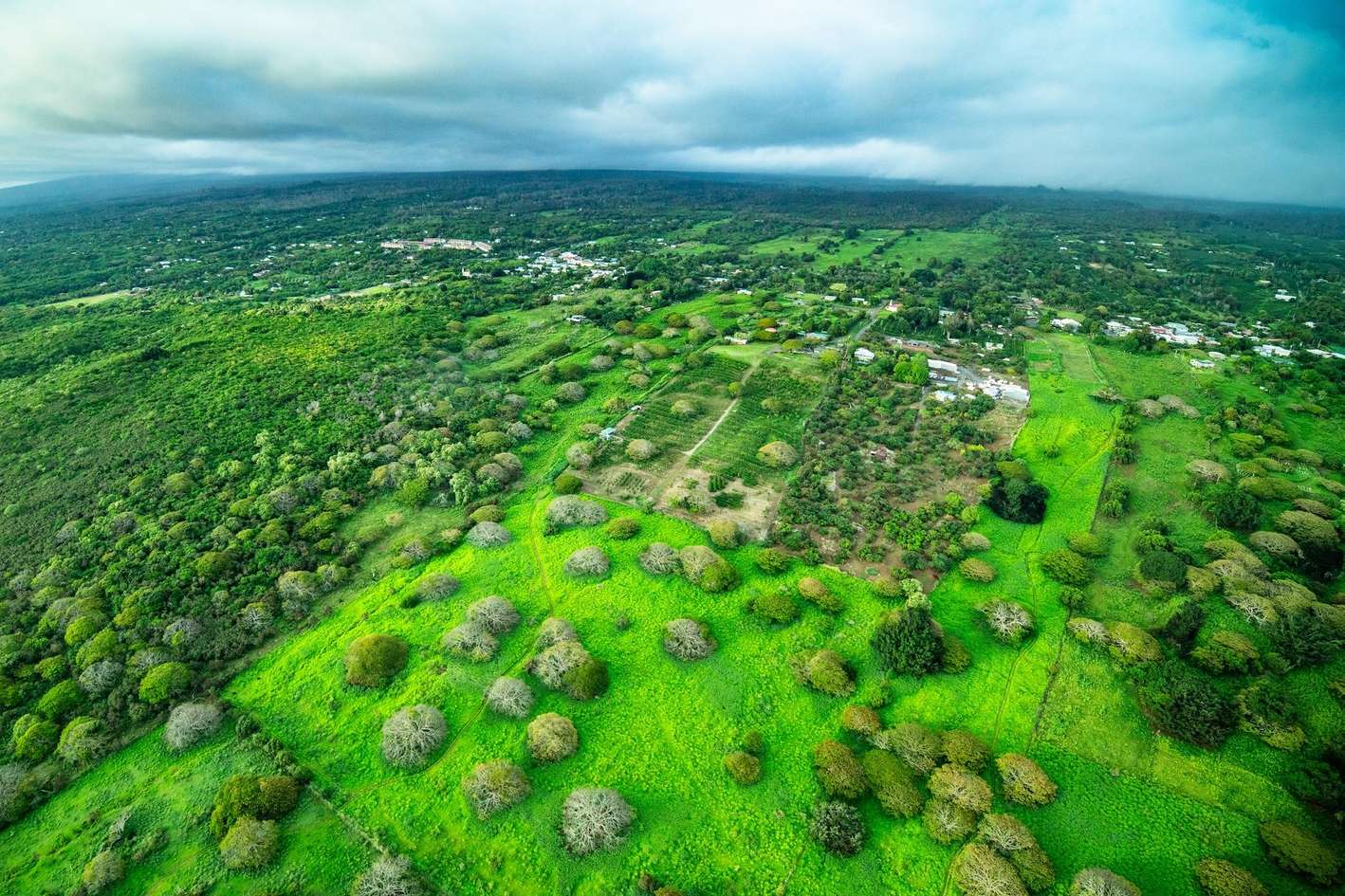
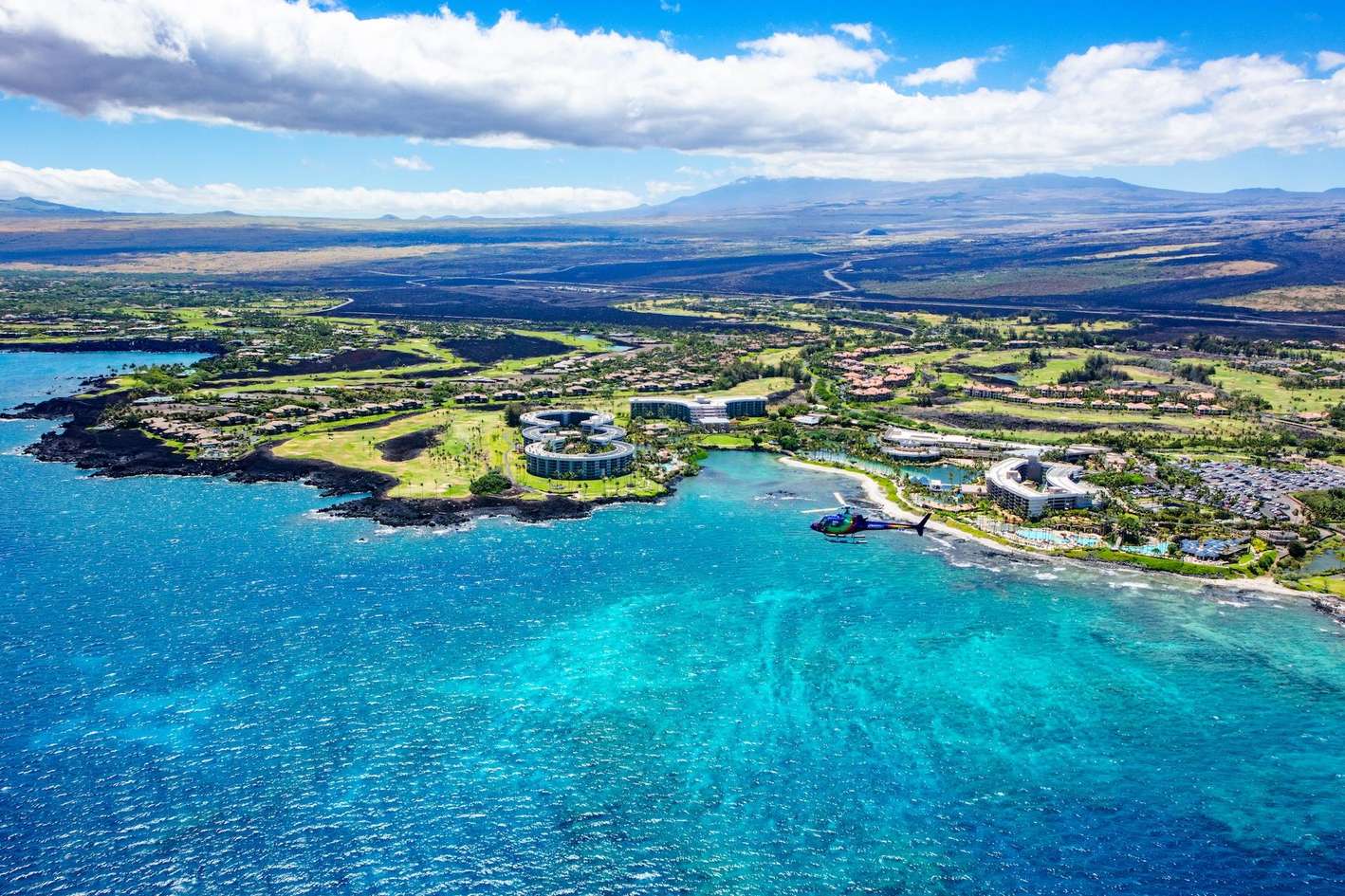
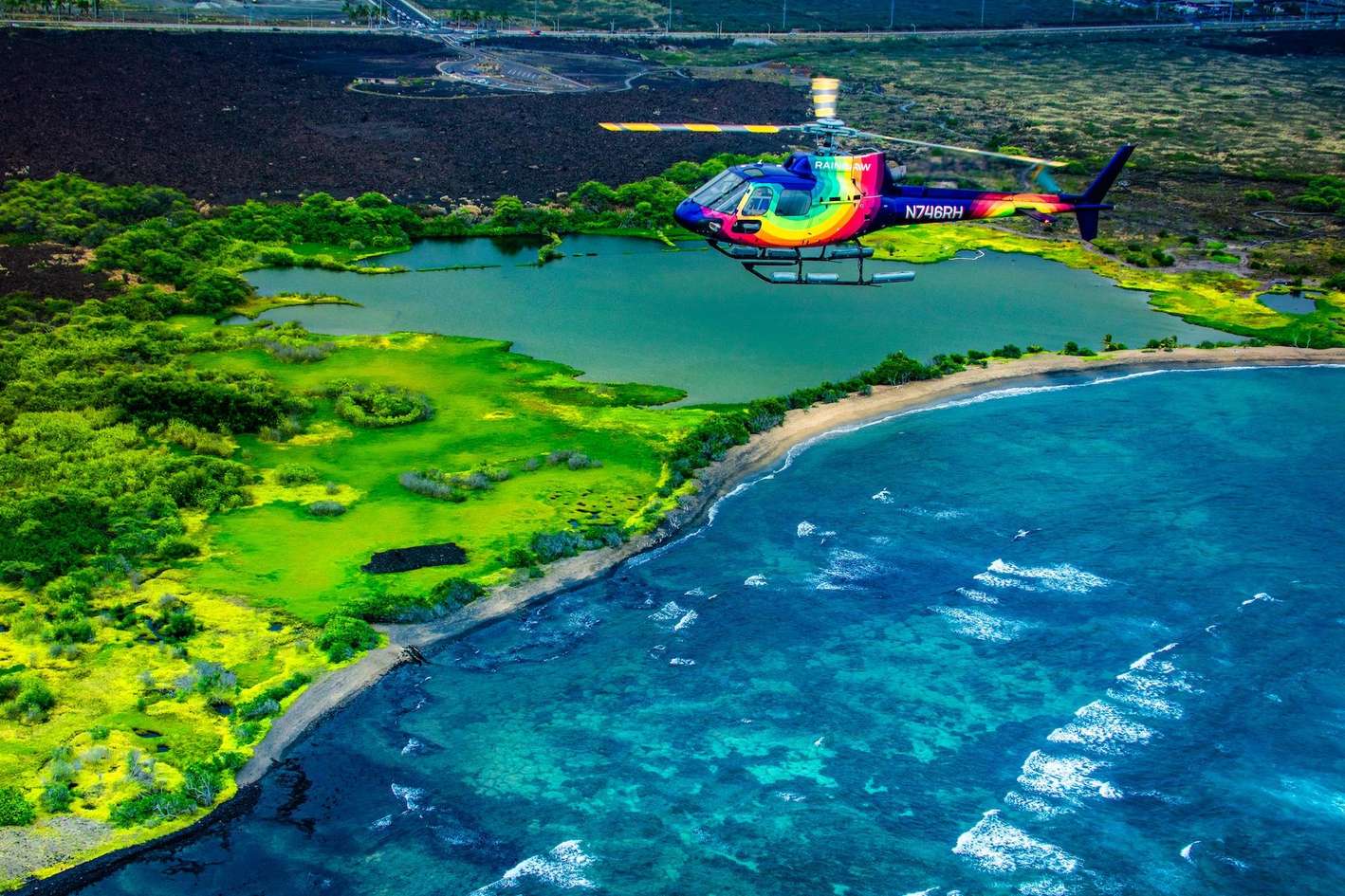
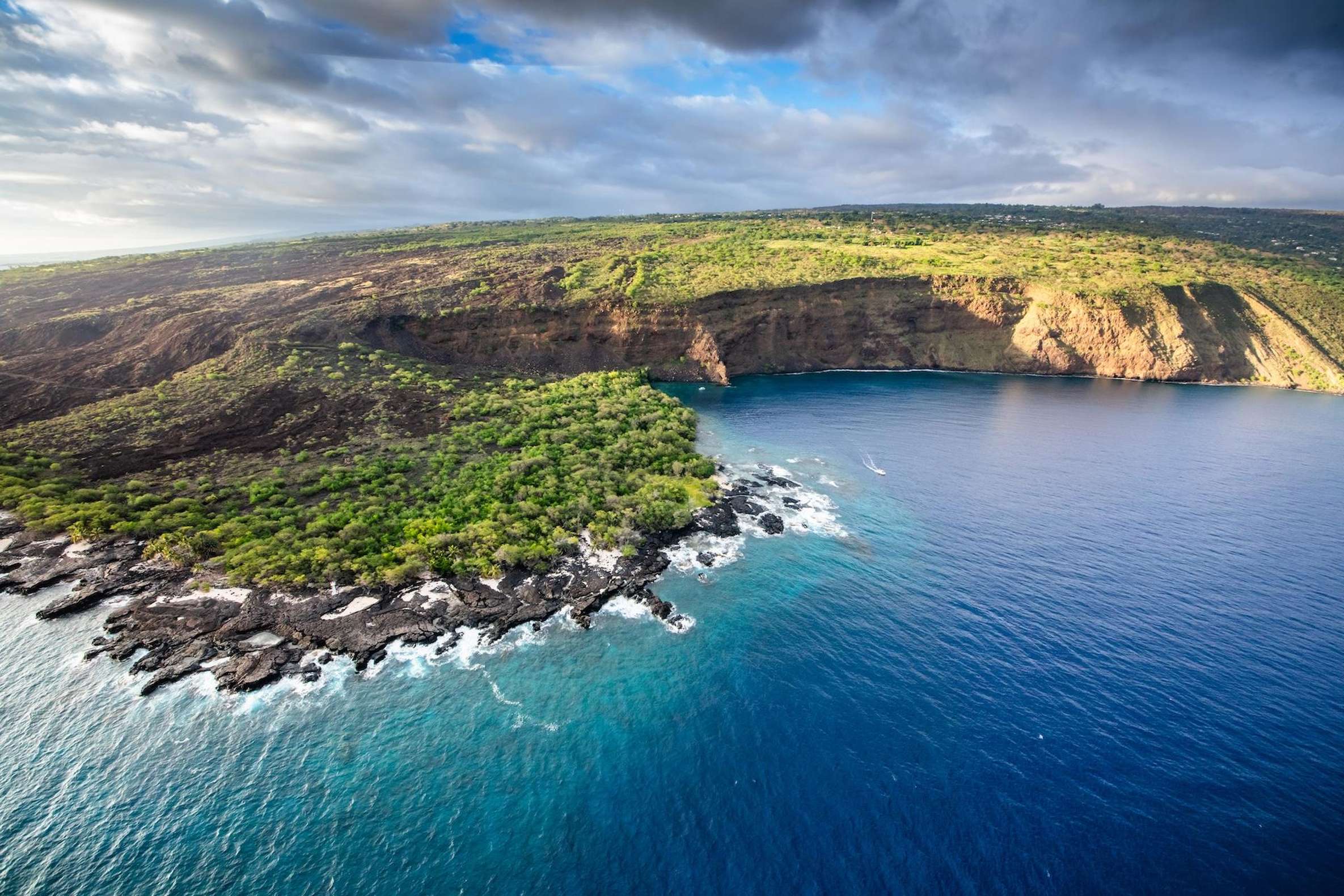
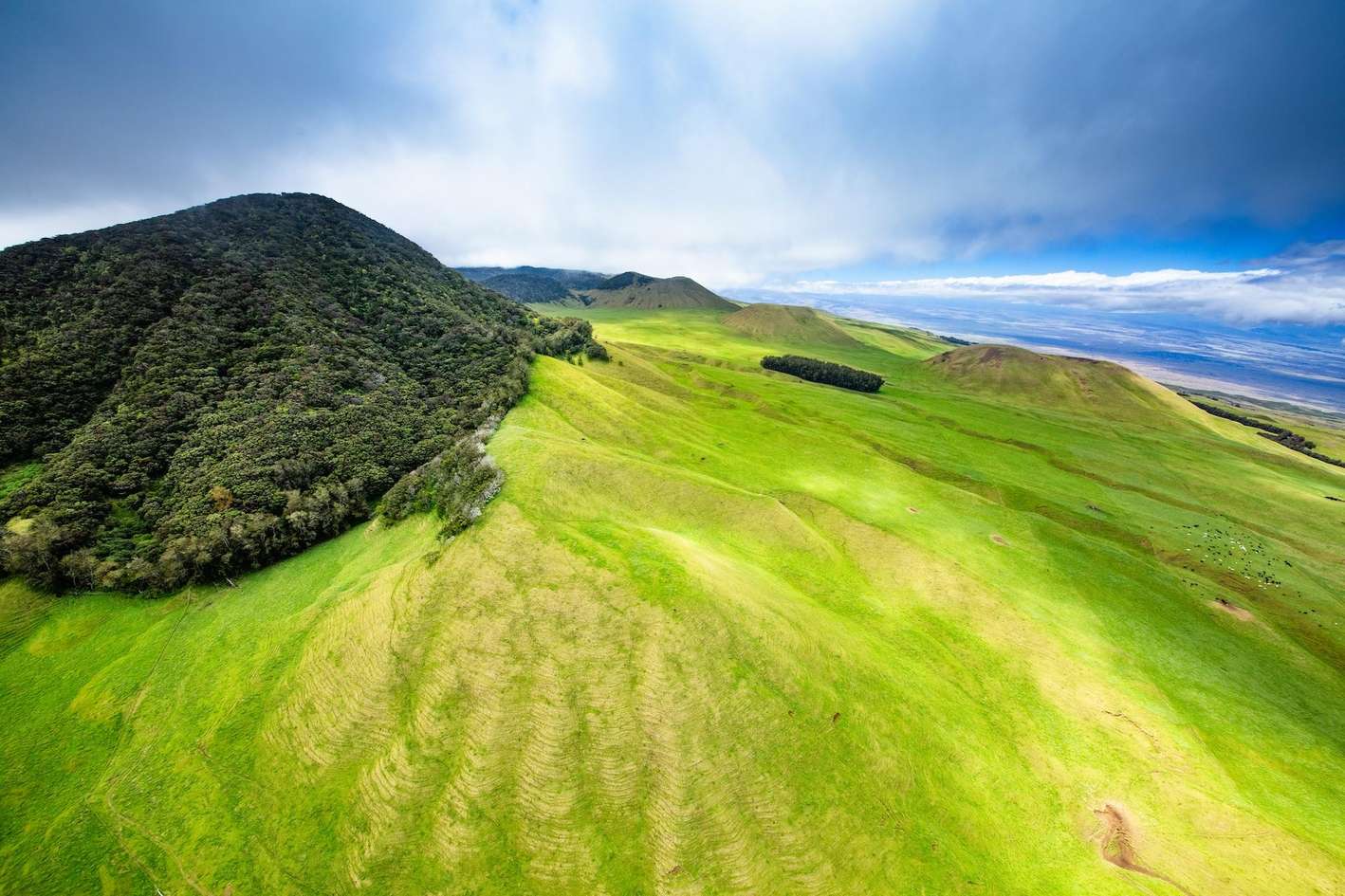
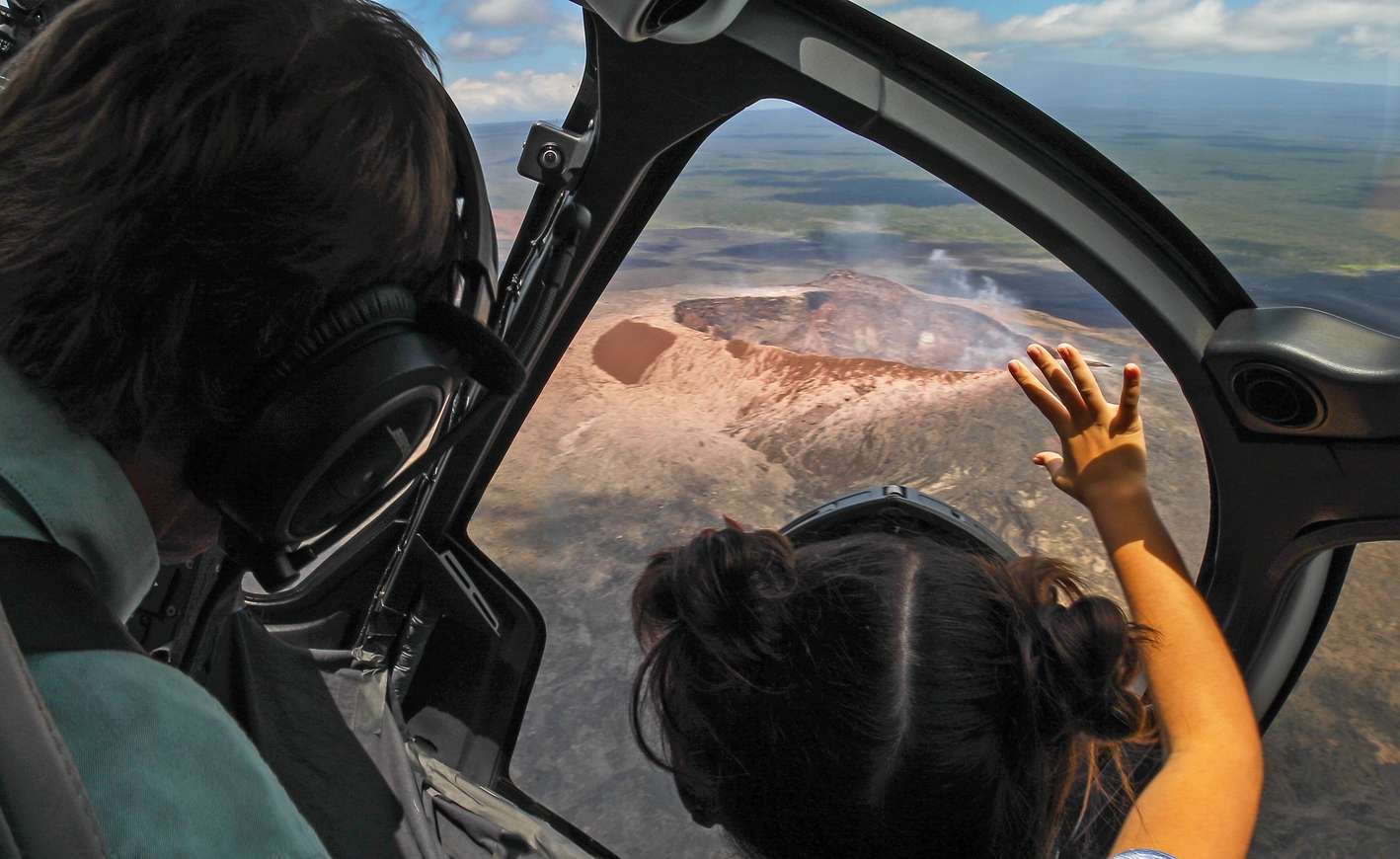
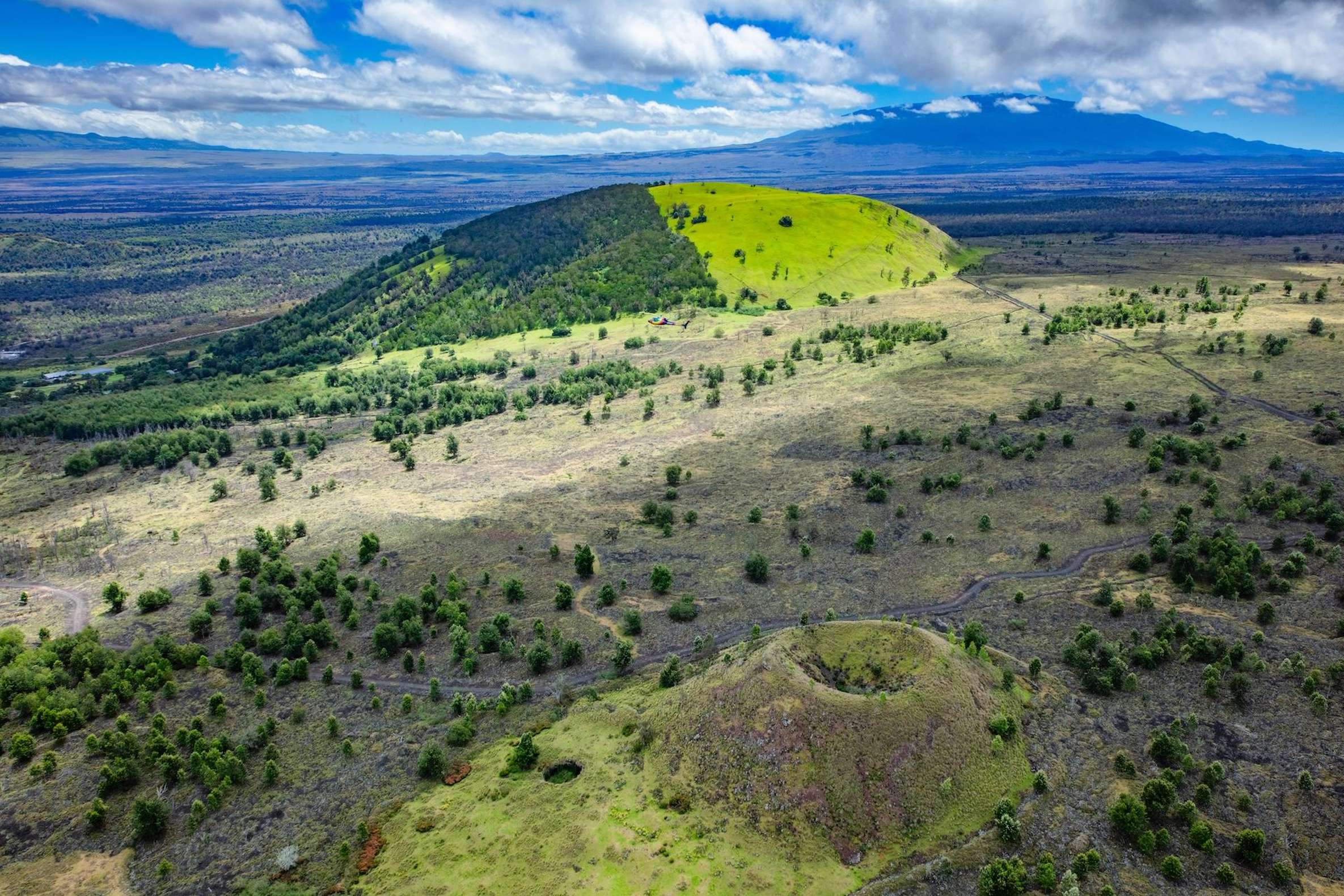
The inland half is where this route earns its hour. You circle Ka'upulehu Crater, ride past the slopes of Hualalai volcano, cross the Pu'u Wa'awa'a Forest Reserve, then swing back along the shore over Anaehoomalu Bay, Kiholo Bay and Makalawena Beach.
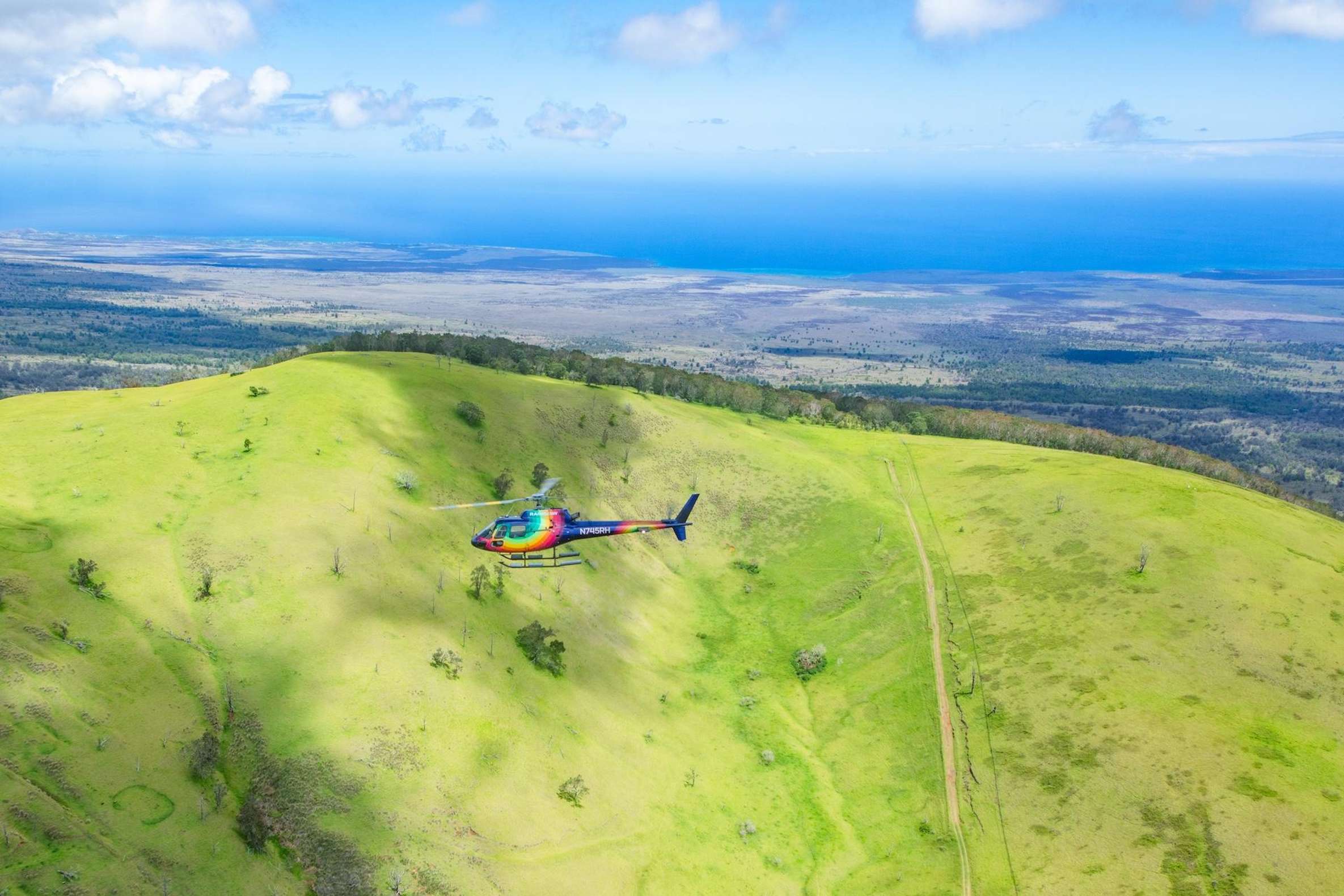
With the doors off there is no glass between you and any of it, and the operator hands you straps and cases for your phone.
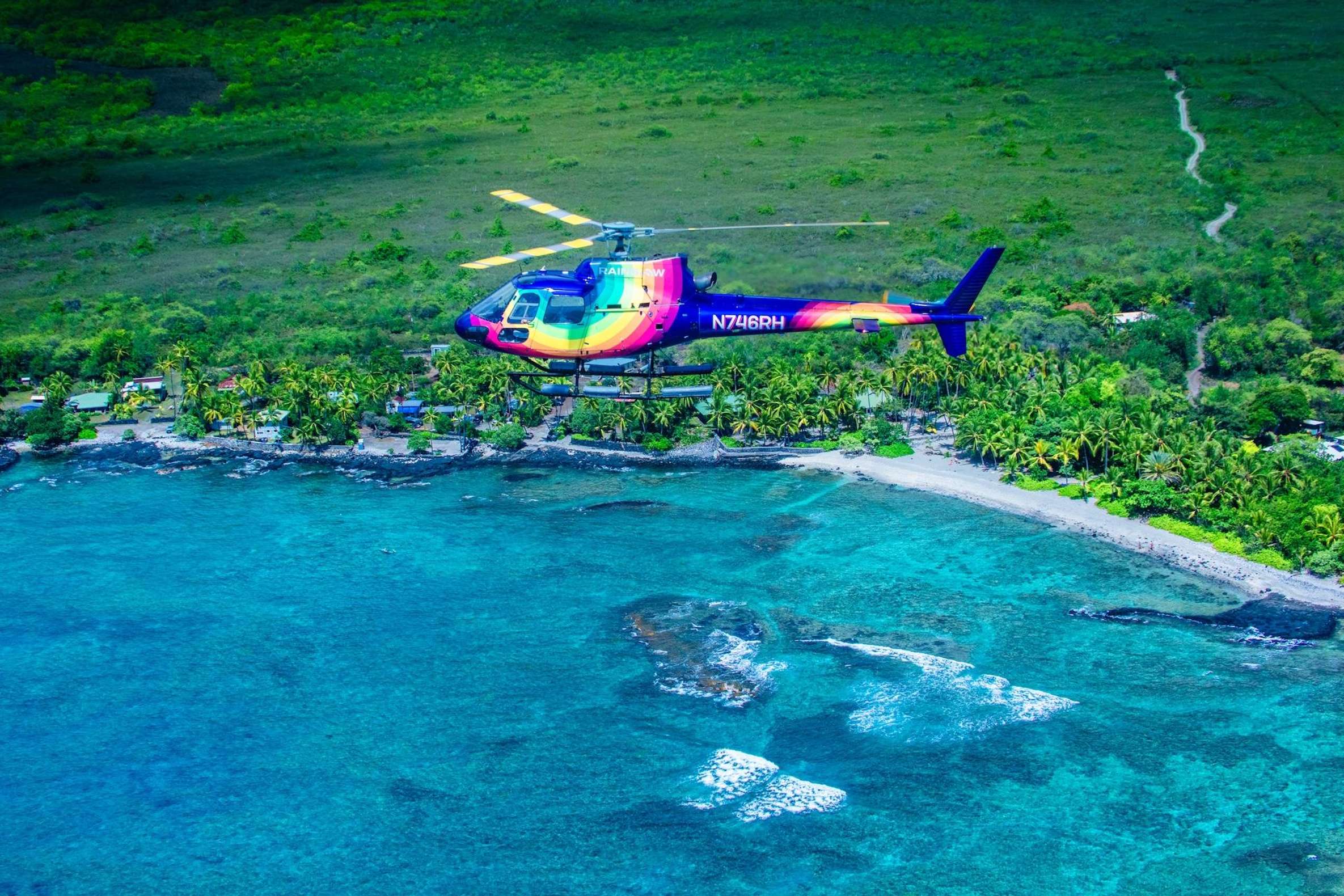
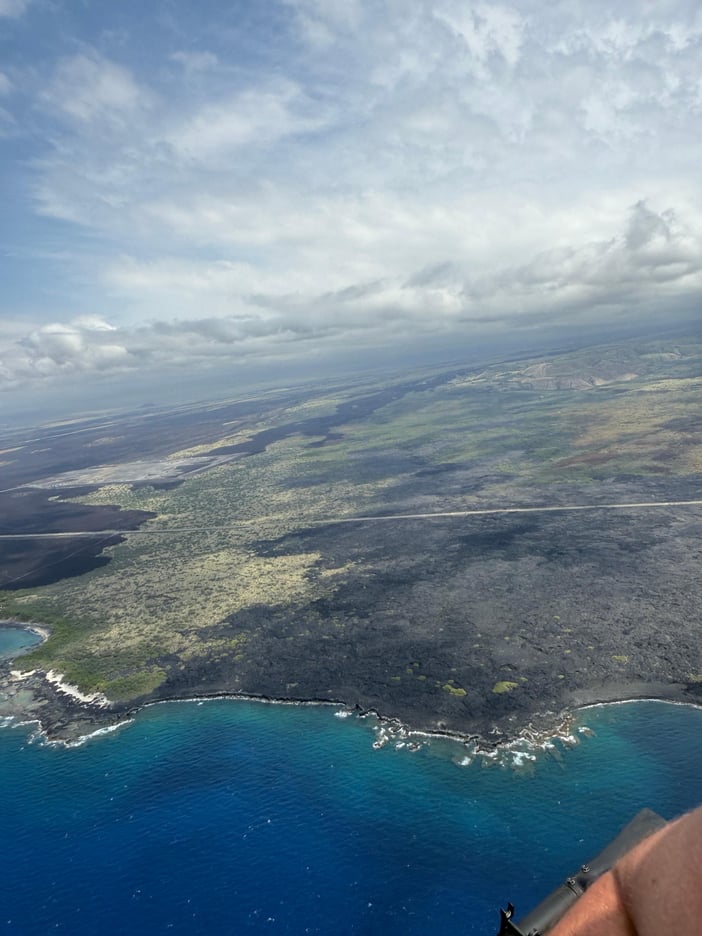
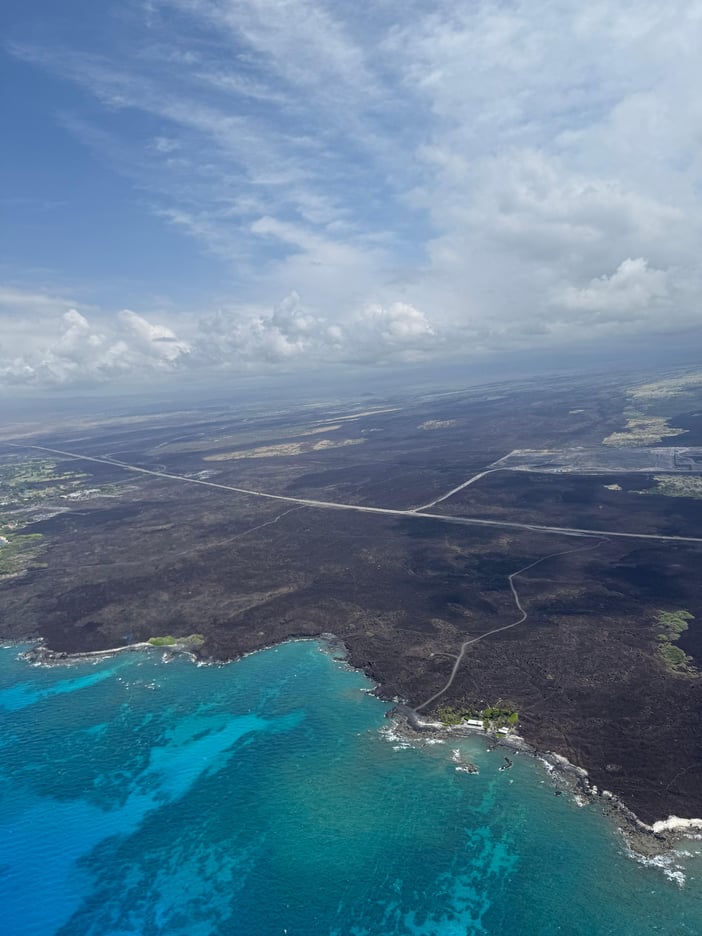
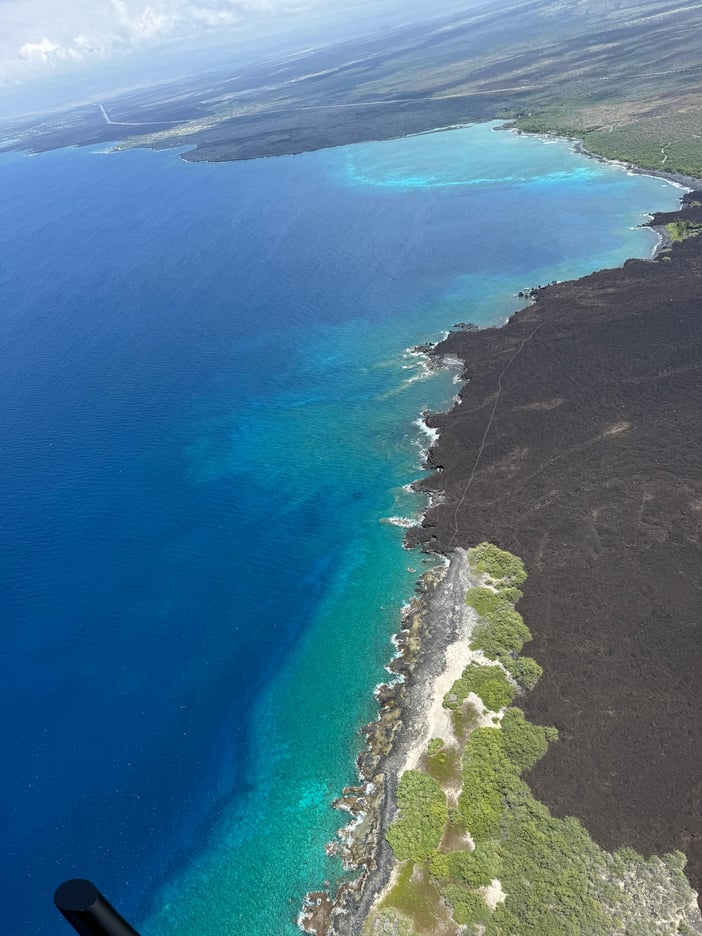
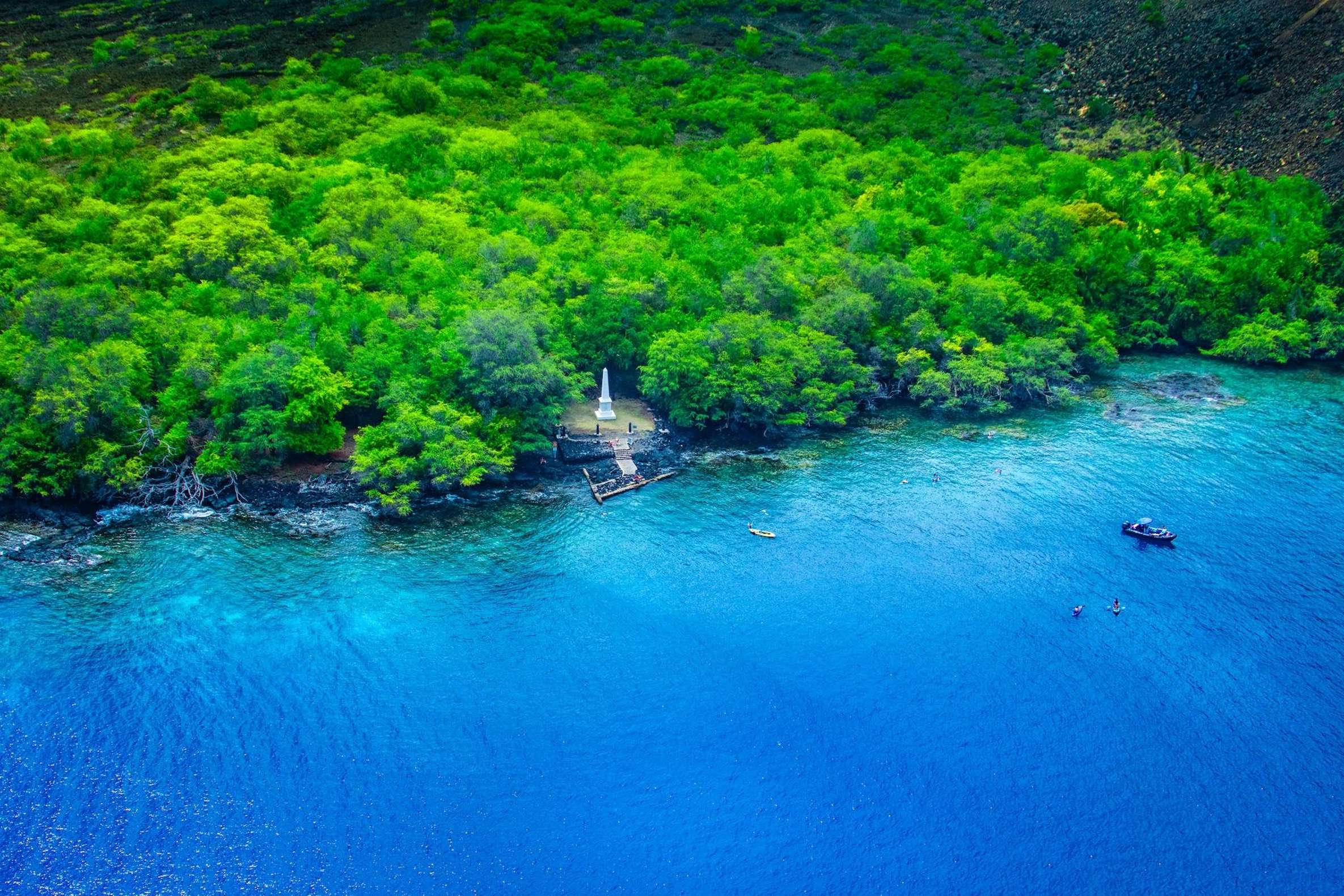
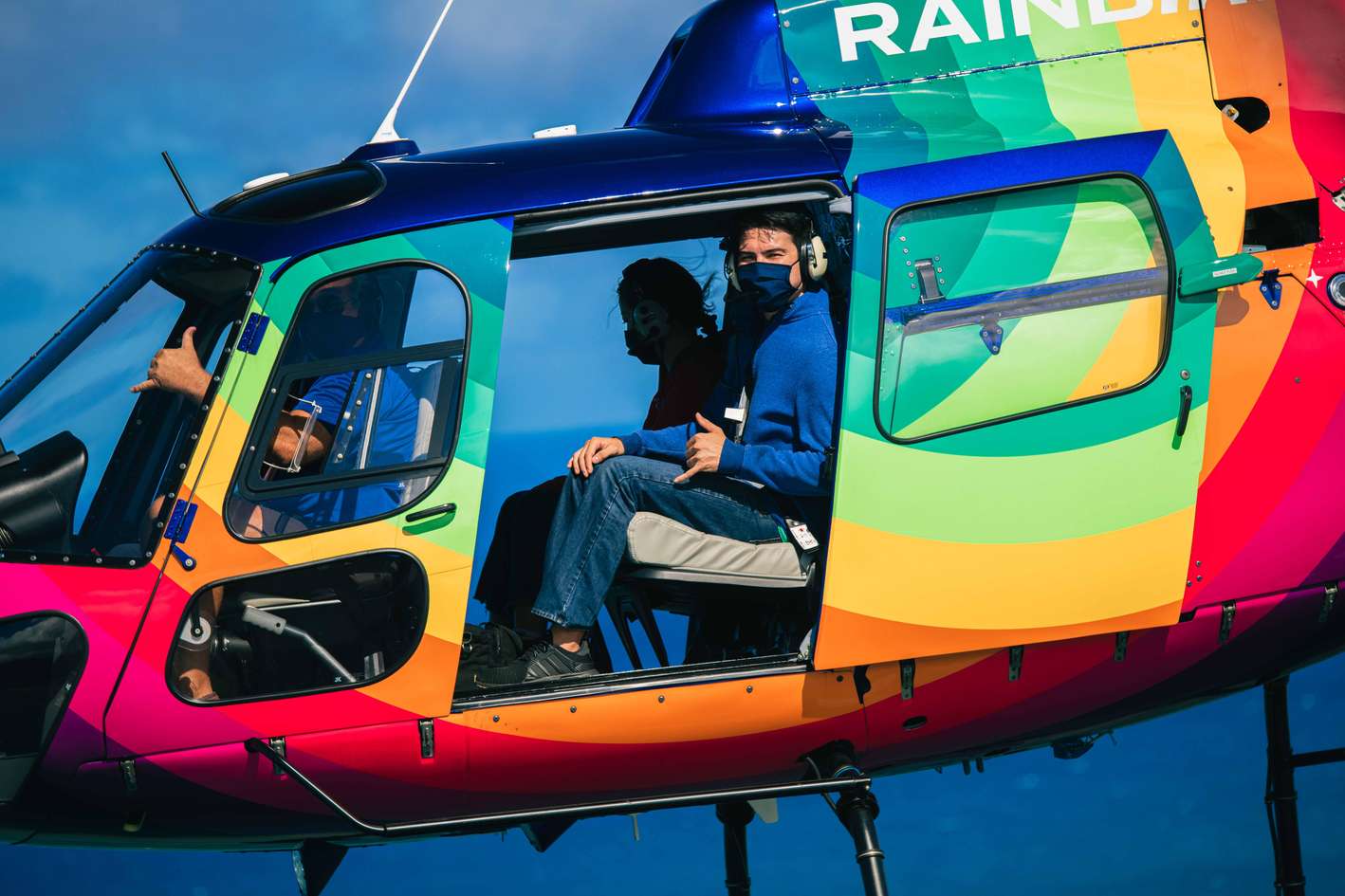
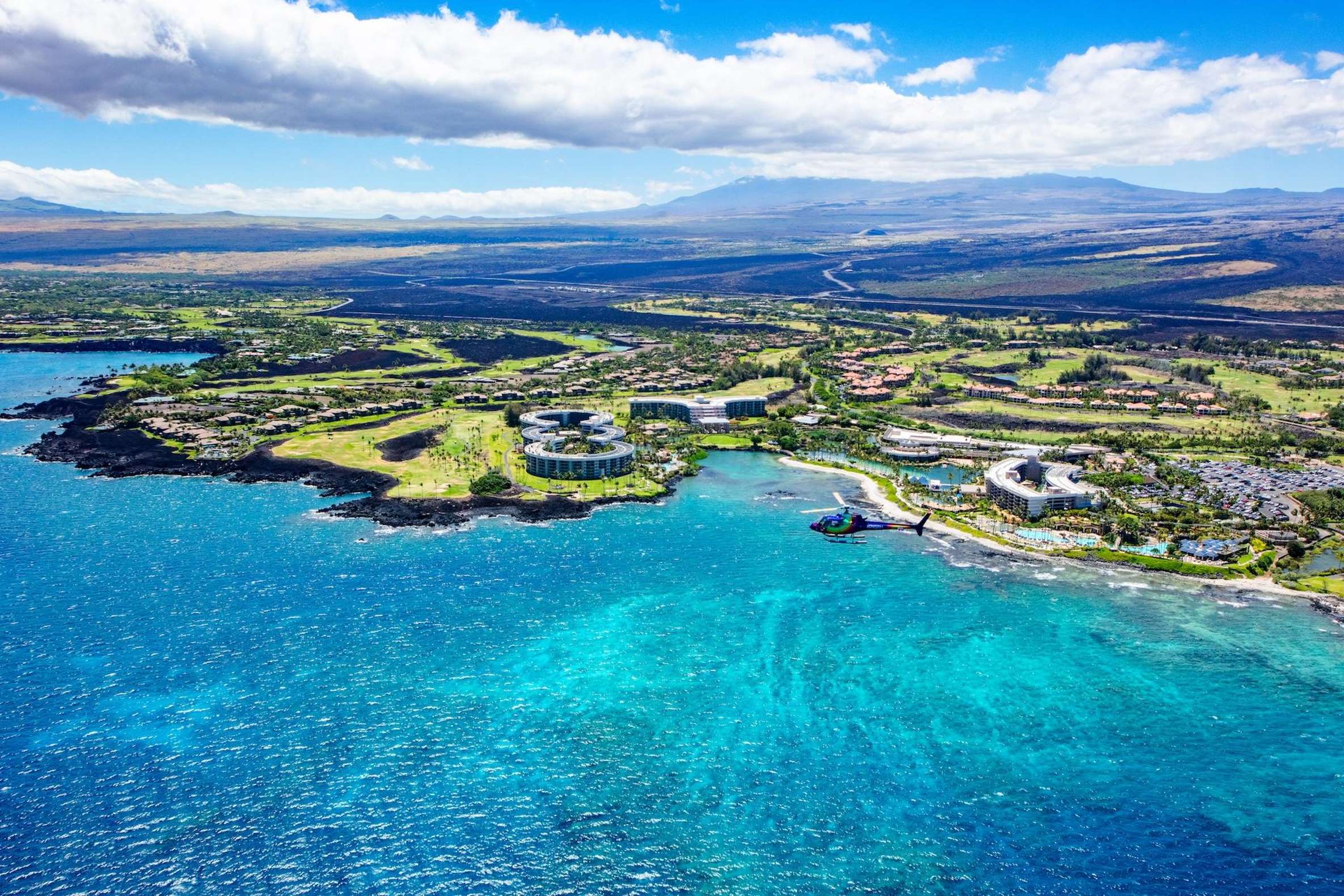
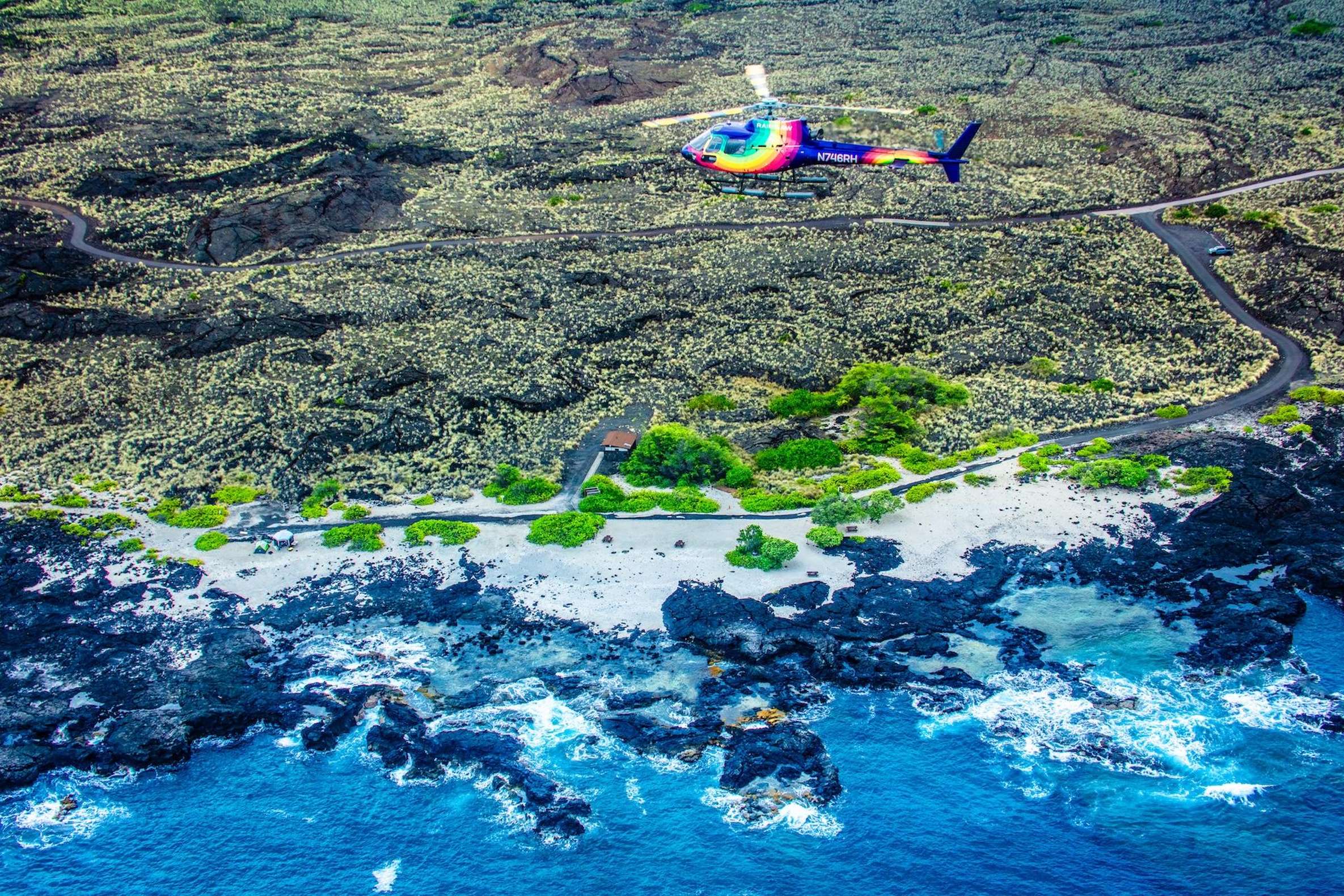
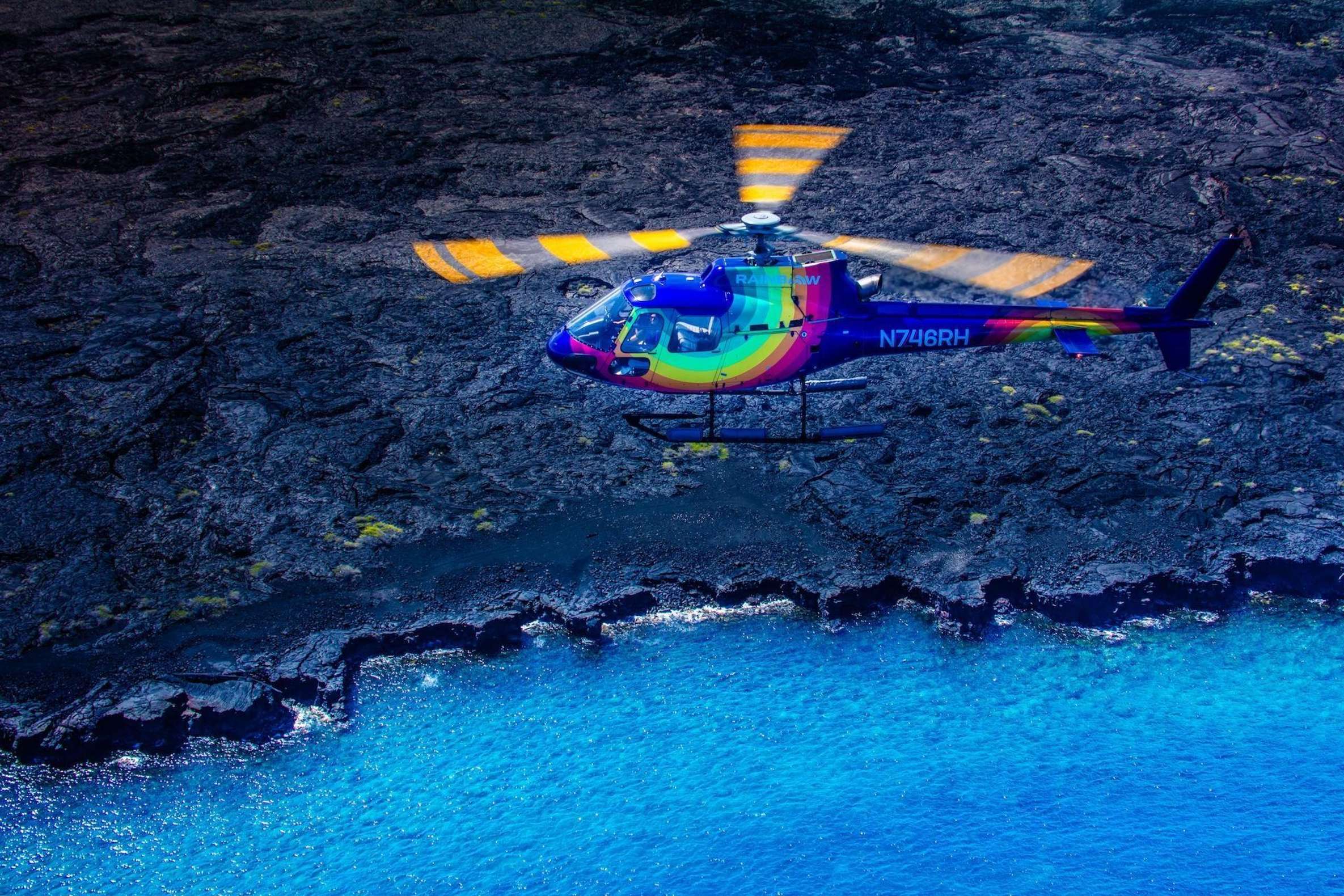
Meeting pointRainbow HelicoptersThe departure point sits at Kona International Airport's general aviation area, inside the brown Big Island Jet Center building by the front doors. Check in, weigh in, and take the safety briefing here before walking to the pad.2Kailua-KonaThe rotor lifts you over town almost immediately, so the whole coast is under you within minutes of takeoff.3Kaloko-Honokōhau National Historical ParkAncient Hawaiian fishponds and petroglyph fields lie just south of the airport. From the air you see the full shape of the pond walls that are hard to read from the ground.From this tour4Kailua BayClear water and living reef under the doors-off opening. The bay is the tour's first wide view, and there is no window glare to fight in photos.From this tour5Ali‘i DriveThe shoreline road through Kailua-Kona town, traced from above along the water's edge.From this tour6Magic Sands Beach ParkA small white-sand beach that visibly shifts with the surf. It reads as a bright crescent against the dark lava shore from the air.From this tour7Coffee plantationRows of Kona coffee trees spread across the green slopes above the coast, a contrast to the bare lava further inland.From this tour8Kealakekua Bay State Historical ParkA marine preserve on the south Kona coast, reached here by air only. The bay's reef and calm water show their full pattern from above.9Captain James Cook Monument, HawaiiThe white obelisk on the shore of Kealakekua Bay, marking where the British explorer first landed and later died. It stands on land with no road access, so most visitors never see it up close.From this tour10Pu'uhonua O Hōnaunau National Historical ParkThe sacred Place of Refuge, where in old Hawai'i people who broke a law could be pardoned. The pilot circles above it for a slow look at the royal grounds.From this tour11Ka‘ūpūlehu CraterA volcanic crater on the flanks of Hualalai, with rugged molten rock around it. The pilot climbs from the coast into this inland stretch.From this tour12Hualālai, Island of HawaiiOne of the five volcanoes that built this island, rising behind Kona. Afternoon clouds often gather on its slopes, which is why morning flights get the cleaner summit views.From this tour13Pu'u Wa'awa'a Forest ReserveA reserve of native forest set in rugged lava country, a sanctuary for native plants and birds. It appears on the turn back toward the coast.From this tour14Anaehoomalu BayA wide sandy bay on the resort coast north of Kailua-Kona, with fishponds tucked behind the beach.15Kiholo BayA bay of turquoise water and black lava, with a small lagoon inside. The color change between deep ocean and shallow pond is sharpest from the air.From this tour16Makalawena BeachAn undeveloped white-sand beach behind the lava, reachable on foot only by a long walk. From the open door you see it whole in seconds.From this tour
Where the other tours go
KohalaWai‘ilikahi Falls
Kailua-Kona: Kohala, Volcanoes and Waterfall Helicopter Tour
1-hour helicopter tour above the Big IslandDoors off or on (depending on the option selected)Live guided tour with commentaryStraps and cases for cell phonesParking
Not included
Tips (optional)Hotel pickup or drop-off
Comparing Big Island helicopter doors off flight options
Green marks the lowest price. Each price says whether it is per person or per group.
Tour
Price
Duration
Best for
Our pick
Kailua-Kona: Hualalai Volcano Doors On/Off Helicopter Tour
4.8★ (14)
from $640per person
1 hour
photographers who want a full hour over the Kona coast and Hualalai with doors-off views
The pilot made the flight, talking history and geology with a calm, easy manner.
Best surprise
Many did not expect a smooth ride, and one family spotted whales from the open doorway.
Most common wish
Several wished they had flown farther inland, since the craters stayed out of reach.
How to book a doors off helicopter tour on the Big Island
01
Pick a date early in your trip
Choose a date in the first days of your stay, then book a morning slot between 8 am and 11 am. Calmer winds and clearer skies before the trade winds build make those departures the most predictable. If weather forces a cancel, you still have days to rebook.
Pro tipBooking the flight early in your trip gives you a buffer day to reschedule if winds or low clouds close the route
Common mistakeFirst-timers book the flight for their last morning, then a cancellation ends the trip with no chance to fly again
02
Choose the doors off option
On the tour page, pick the doors off variant of the flight you want. Each Kona tour lists doors on and doors off separately, plus shared or private cabins. Doors off shared seats put you in a group; private doors off gives you the whole cabin.
ImportantTo fly with the door off you must weigh at least 80 lb in the Robinson R44 or 100 lb in the Airbus Astar
Pro tipYour doors off seat may or may not sit directly next to the open door, so book the private option if you need the edge seat for photos
03
Enter your weight at checkout
The booking form asks for each passenger's weight, since the operator uses it to balance the aircraft. Give honest numbers. Guests over 250 lb trigger a weight and balance fee, and the operator charges it after booking, so nothing surprises you at the heliport.
ImportantEvery passenger 24 months and older buys a full-fare seat, and children 24 months and up count the same as adults
Common mistakeSkipping the weight field or rounding it down, which leaves the operator guessing and can cause a fee at check-in
04
Read the confirmation and voucher
Payment brings an email confirmation with your voucher and the meeting point. Your flight departs from Ellison Onizuka Kona International Airport, where you check in inside the front doors of the brown Big Island Jet Center building. Parking sits in the large lot south of it.
Pro tipIf you're staying in Kailua-Kona town, the heliport is about 3 minutes away by car, so you can plan a coffee farm or beach visit around the flight
RecommendedFrom Waikoloa Beach Resort, allow about 41 minutes of driving, without traffic
05
Arrive early and dress for the day
Show up an hour before your takeoff time for check-in, weigh-in, and the safety briefing. Wear closed-toe shoes, a jacket or sweatshirt, and tie back long hair with a hair tie. Leave hats and loose items behind, and keep your phone or camera on a wrist or neck strap.
ImportantThe operator provides straps and cases for cell phones, but nothing loose can ride in the cabin, and intoxicated passengers will not fly
Pro tipIf you've scuba dived within 24 hours of the flight, you cannot take part, so plan your dive before the helicopter day or after it
What to know before you book a doors-off flight
Can stop the dayGood to knowGood news
01
ChoosingWhat it is, who it suits, when to go
5
Seat and weightCan stop the day
Ground staff weigh every passenger at check-in.
Health limits
If you have scuba dived within 24 hours of your flight, you cannot fly that day. Intoxicated passengers are refused boarding, and the booking is charged in full. Passengers 24 months and older each need a full-fare seat.
Cameras
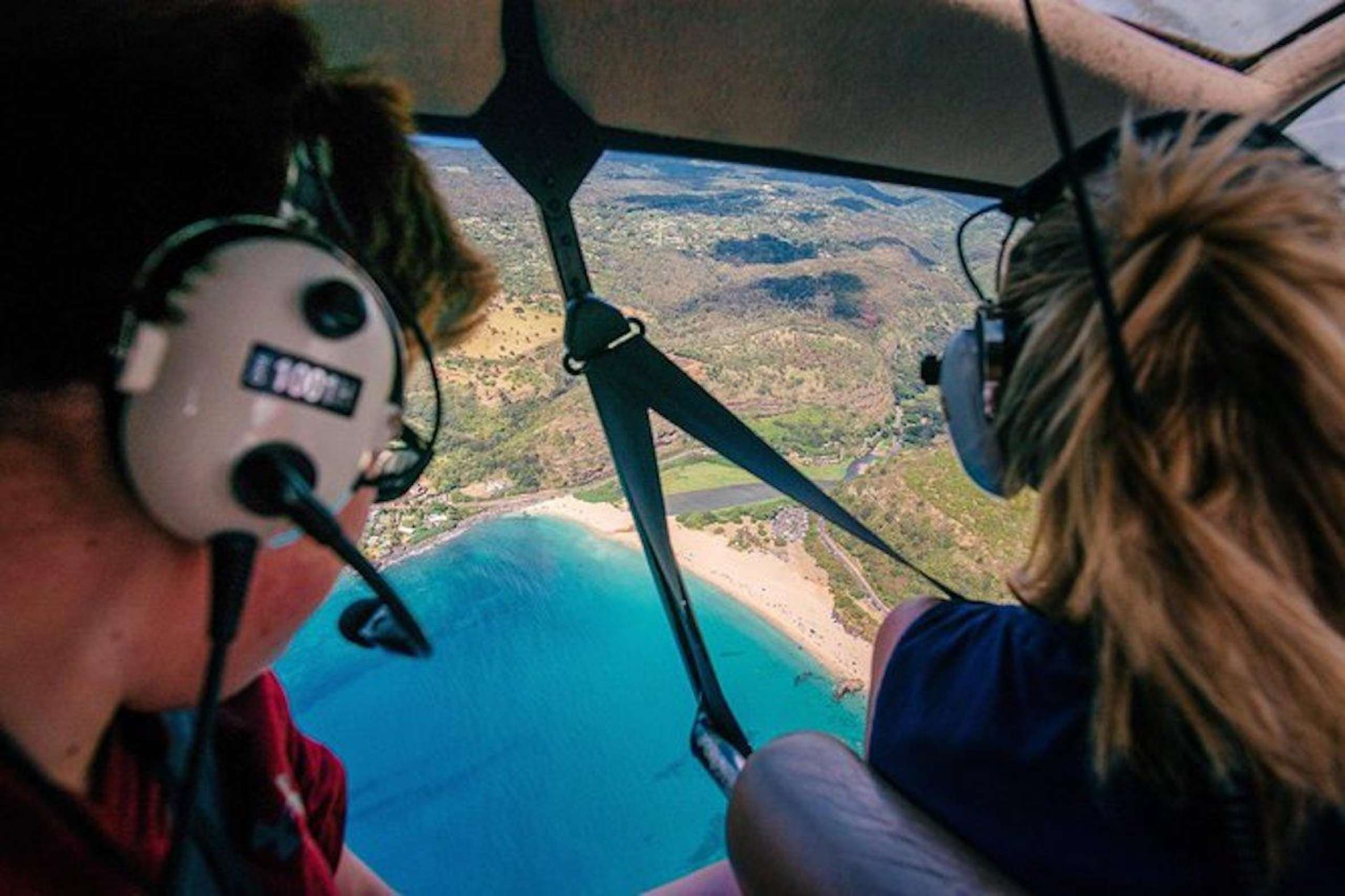
Nothing loose travels in the cabin. Phones and cameras must be tethered to your body with a wrist or neck strap, and the tours here include straps and cases for cell phones. Selfie sticks, extra lenses and bags stay behind.
Motion sickness
Eat a light meal a few hours before takeoff and skip alcohol the night before. Take any motion-sickness medication before the flight, not after symptoms start. In the air, keep your eyes on the horizon.
Photo tips
A 24-80mm zoom covers most shots, and a 14-28mm wide zoom earns its place with the doors off. Use image stabilization, keep the camera clear of the airframe, and wear dark solid colors to cut window reflections.
02
BookingHow far ahead, and what happens if plans change
1
Cancellation
You can cancel up to two days ahead for a full refund. If low clouds or winds ground a flight, the operator reschedules or refunds instead of flying into bad weather, so book early in your trip to leave buffer days.
03
Before you goPapers, health, what to bring
2
What to wearCan stop the day
Closed-toe shoes and a jacket or sweatshirt are required on every open-door departure. Hats and any loose clothing stay behind. Long hair must be tied back in a ponytail, braid or bun before you board.
Wind chill
Expect the air to feel cooler at altitude, and the wind adds a bite through the open door. Dress in layers and zip up. The trade winds are part of the experience, and a solid jacket keeps the ride comfortable.
04
On the dayWhere to be, when, and how you get there
1
Check-in
Kona departures check in at the Big Island Jet Center, with parking in the large lot south of the building. Arrive about an hour before takeoff for weigh-in and the safety briefing. From Kailua-Kona town it is a short drive.
05
During the tourWhat is expected of you
2
Seating
Weight and balance rules set your seat, so nobody picks their own spot or sits with their party by choice. On doors-off bookings, your seat may or may not be right next to an open door.
Tipping
A tip for the pilot is customary and optional. Passengers commonly leave a per-couple amount on landing, and the ground crew shares tips left at the desk.
A doors off travel guide - routes, safety and gear for the Big Island
Open-door flying over the Big Island puts you one harness away from the wind, and the rules on weight, age and camera straps decide the day before takeoff does. Here is what to book, what to wear and what the terms mean for your money.
Honalo· 19.72° N, 156.04° W
If you only remember three things
1
Arrive 60 minutes before takeoff for weigh-in and the safety briefing, and book a morning slot for the calmest air.
2
Book the flight early in your trip, because a weather cancellation leaves days to reschedule.
3
Nothing loose flies in an open cabin: every phone and camera needs a wrist or neck strap.
Choosing your doors-off route and flight length
Three doors-off flights run out of Kona, and the main difference is how much island they show you in the air.
The shortest is a 30-minute coastal loop that stays over the shoreline: Kailua Bay, Magic Sands Beach, the ancient Kaloko Fish Ponds, and the coffee farms along the coast.
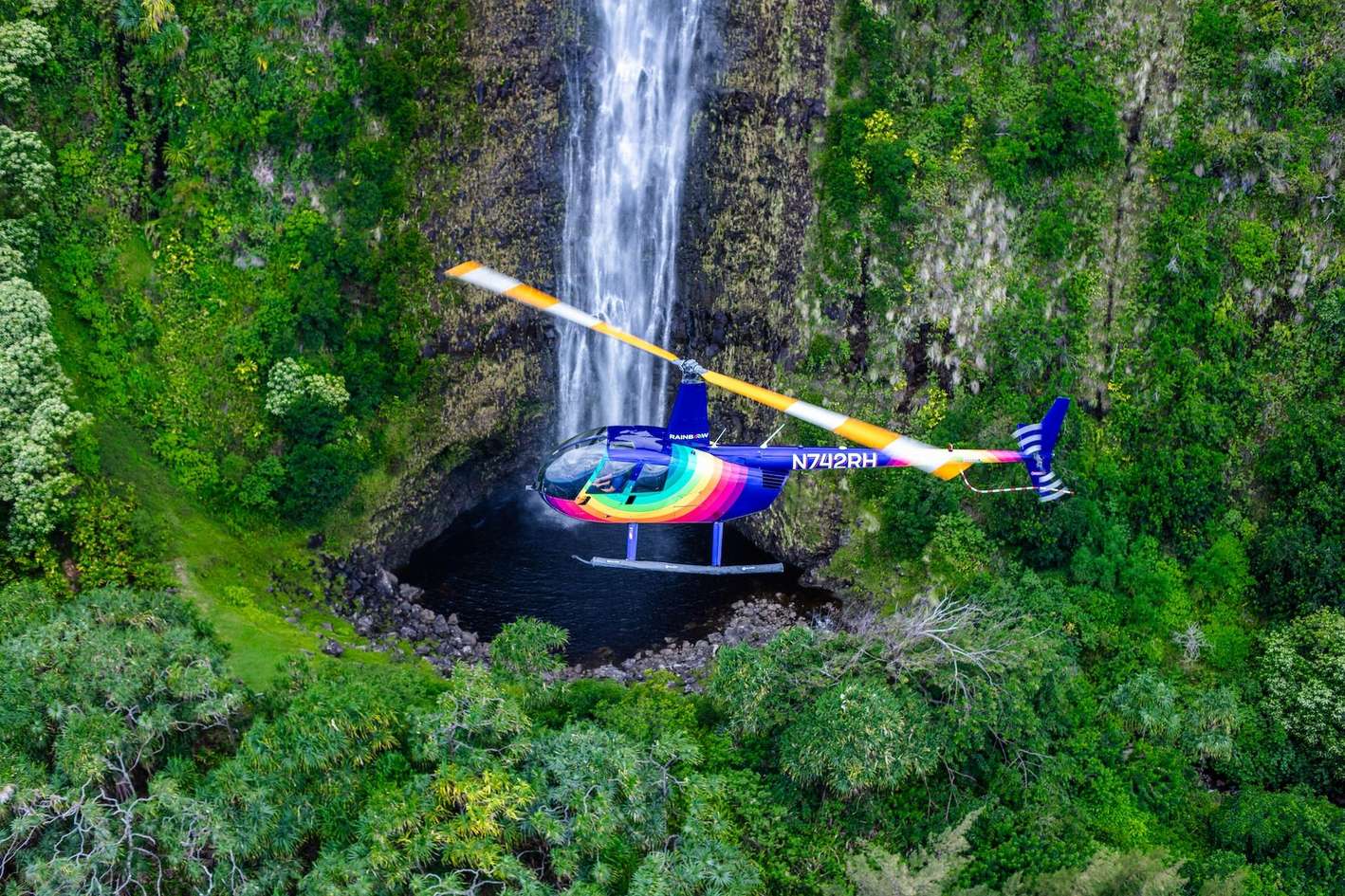
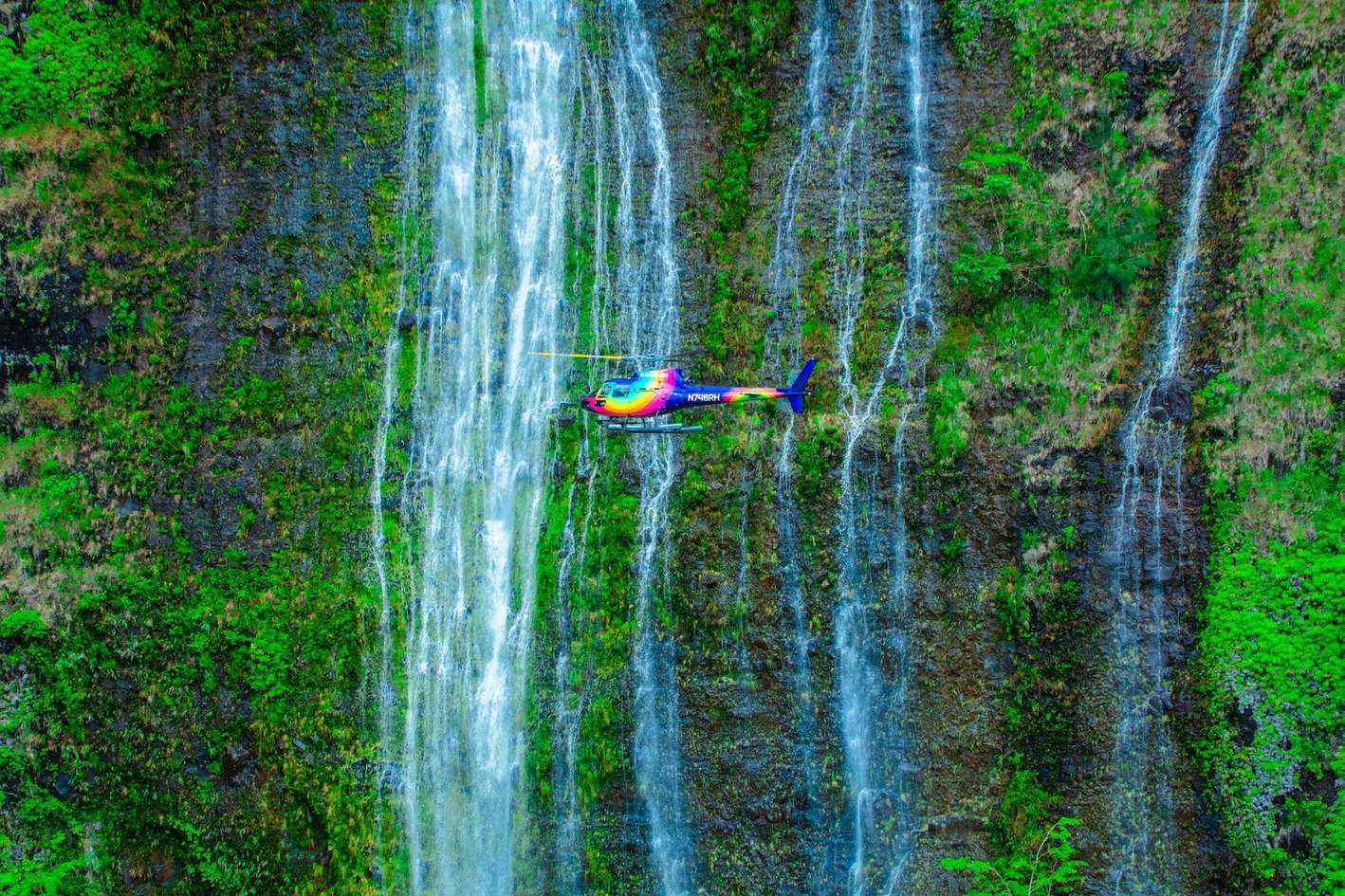
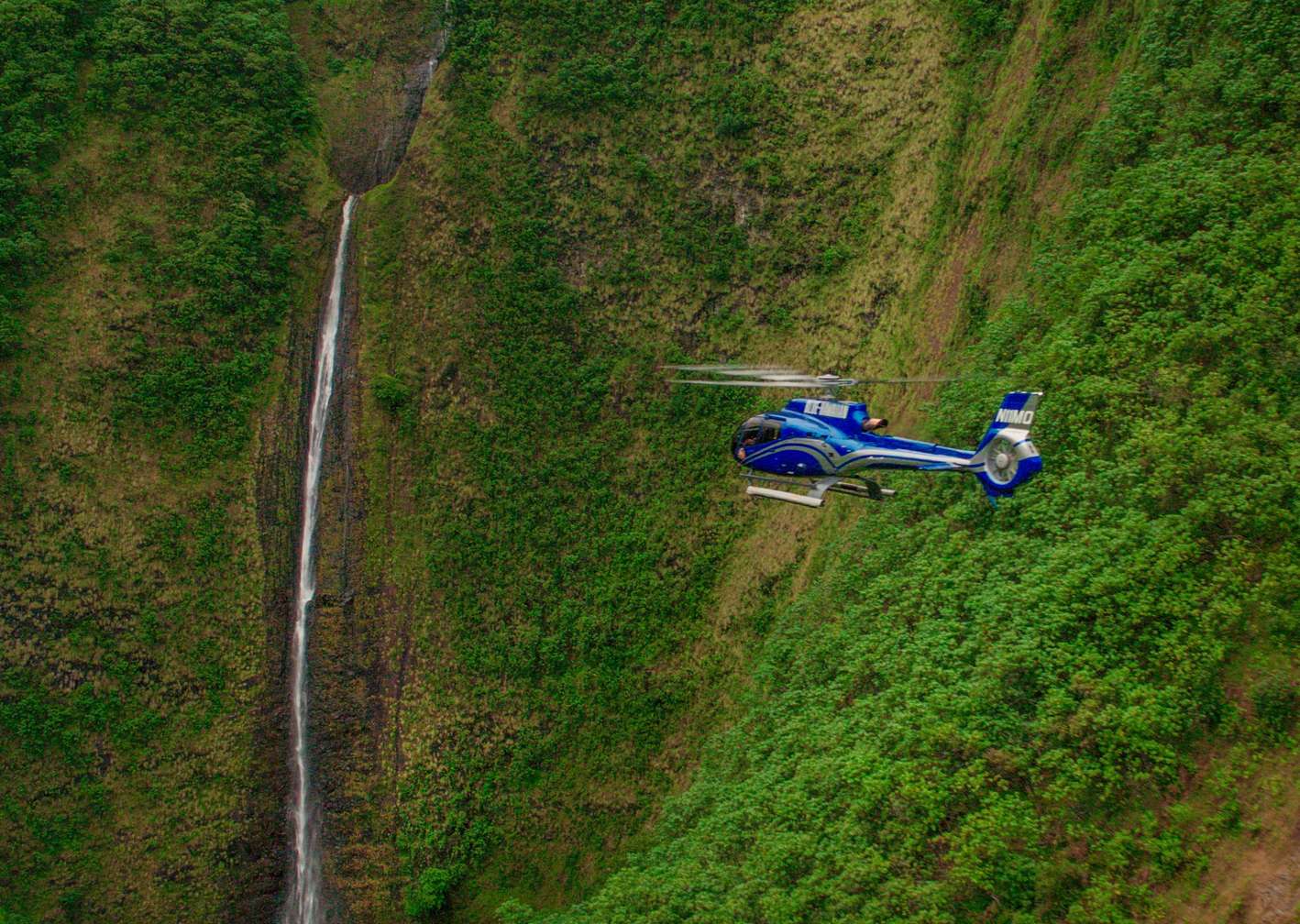
The 60-minute Hualālai volcano route adds the volcano itself, Ka'upulehu Crater, the Captain Cook Monument and the Place of Refuge, so you get both the coast and the volcano in one hour. The 90-minute Kohala, volcanoes and waterfalls flight is the big one: it crosses four volcanic mountains, tropical valleys and the Kohala waterfalls.
"Kona doors-off flights side by side"
Kailua Bay, Magic Sands Beach, Kaloko Fish Ponds, coffee farms
A first taste of open-cabin flying on a tight schedule
60-minute Hualālai volcano route
Adds Hualālai and Kaʻupulehu Crater, Captain Cook Monument and Place of Refuge
Best for a first full open-door flight from Kona
90-minute Kohala, volcanoes and waterfalls
Four volcanic mountains, green valleys and Kohala waterfalls
Best for the most scenery in the air
Kailua Bay, Magic Sands Beach, Kaloko Fish Ponds, coffee farms
60-minute Hualālai volcano route
Adds Hualālai and Kaʻupulehu Crater, Captain Cook Monument and Place of Refuge
90-minute Kohala, volcanoes and waterfalls
Four volcanic mountains, green valleys and Kohala waterfalls
A first taste of open-cabin flying on a tight schedule
60-minute Hualālai volcano route
Best for a first full open-door flight from Kona
90-minute Kohala, volcanoes and waterfalls
Best for the most scenery in the air
The rows above line the three up, and matching one to your trip comes down to the time you have and the landscape you came for.
If you are based on the Kona side and want the volcano, remember a flight from Kona that reaches Kīlauea runs about 1 hour 45 minutes overall, while a flight from Hilo sits next to the volcano and can do the same volcano scenery in about 50 to 55 minutes of flying.
The 30-minute coastal loop is a good first flight; the 90-minute tour is the one people book when they know this is the aerial day of the trip.
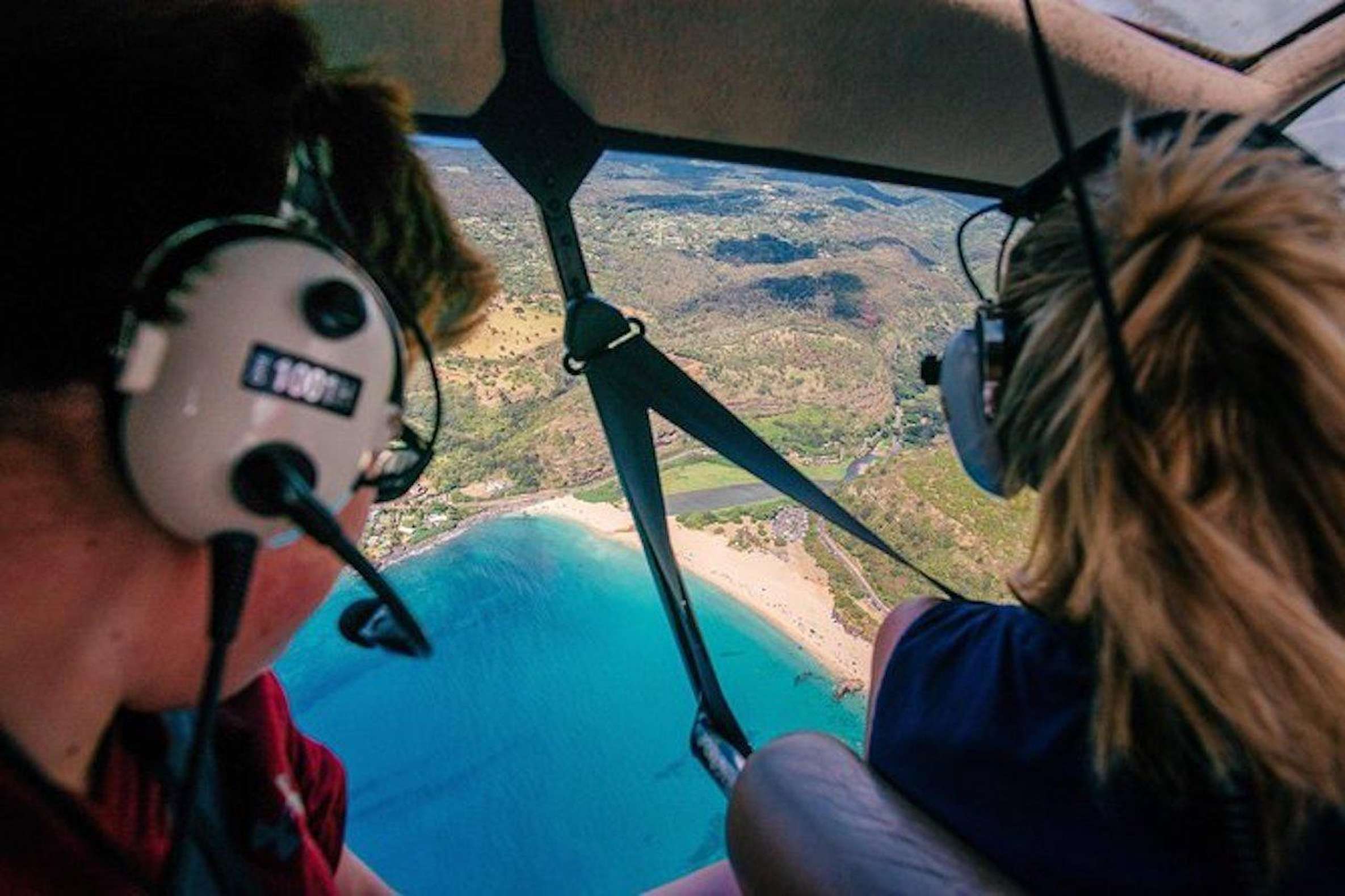
The doors-off part of the question is easier to answer than most people expect. The door is on the passenger side of the cabin; you are held in your seat by a harness belt, and the harness is what surprises first-timers most.
Once you are airborne the belt disappears from your attention, and within a minute or two most passengers stop thinking about the open side at all.
The wider record is steady. Fatal air tour accidents in Hawaii average fewer than one per year across high daily flight volumes, and the risk of injury on a commercial tour flight sits at or below the risk of a daily interstate commute.
Hawaii air tours fly under federal rules specific to the islands: pilots may only fly at heights and speeds that allow a safe landing after engine power loss, flights generally stay at least 1,500 feet above the surface, and a performance plan is completed before every flight.
Flights that cross open water carry approved flotation gear, and the pilot briefs you on ditching and emergency egress before any over-water leg.
An engine failure does not mean a fall. Helicopters glide, and pilots train in autorotation techniques that let them bring the aircraft down safely without engine power. Reputable operators cancel or reroute when rain and low cloud close in, and island weather shapes a doors-off flight as much as the route itself does.
"What first-timers don't know"
Harnesses
Your four-point harness belt pulls tight on the ground, and once airborne the open side feels like a wide window
Headsets
Ask for a push-to-talk headset; the wind through an open cabin keeps voice-activated mics from working
Boarding
Keep low and clear of the tail rotor and upslope sides when you walk to the helicopter; ground staff walk you through it
Read those rows with your own trip in mind: the harness row tells you what the first minute feels like, the headset row is worth requesting at check-in, and the boarding row is the one that keeps everyone safe on the ground.
A few rules decide who boards an open-cabin flight, and they are worth checking before you pay. Some tours publish an age rule for open doors, and on those it sits around age 12, with the exact rule specific to each tour.
Operators require an extra seat for an individual weighing 250 lb or more, or when two passengers each under 250 lb together reach 420 lb, and on the Oahu-based Big Island helicopter tour passengers over 240 lb are assigned a second seat.
Health matters too. Vertigo, claustrophobia, and a strong fear of heights are poor fits for a cabin with no exterior barrier, and some people feel exposed enough that the flight is not fun.
If you are unsure whether someone in your party can handle it, watch open-door flight footage before you book.
Children and teenagers who enjoy roller coasters usually love the open door. ::alert "The one thing that can stop the visit" Scuba diving | If you scuba dive within 24 hours of your flight, you can be denied boarding, so schedule the dive after the flight
Other hard limits are quieter: passengers who cannot sit upright are not permitted on certain tours, and a heavy cold or flu can rule you out. When one of these rules applies to you, the scuba limit, the weight threshold or a minimum age, confirm it with the tour operator before you pay.
Nobody picks a seat on a doors-off flight. Operators assign seats from your weight and the aircraft's balance calculations, and federal weight distribution rules dictate the exact placements, so a couple or family cannot guarantee sitting together.
The lightest passenger is frequently placed in the front middle seat, which is worth knowing before anyone feels shortchanged.
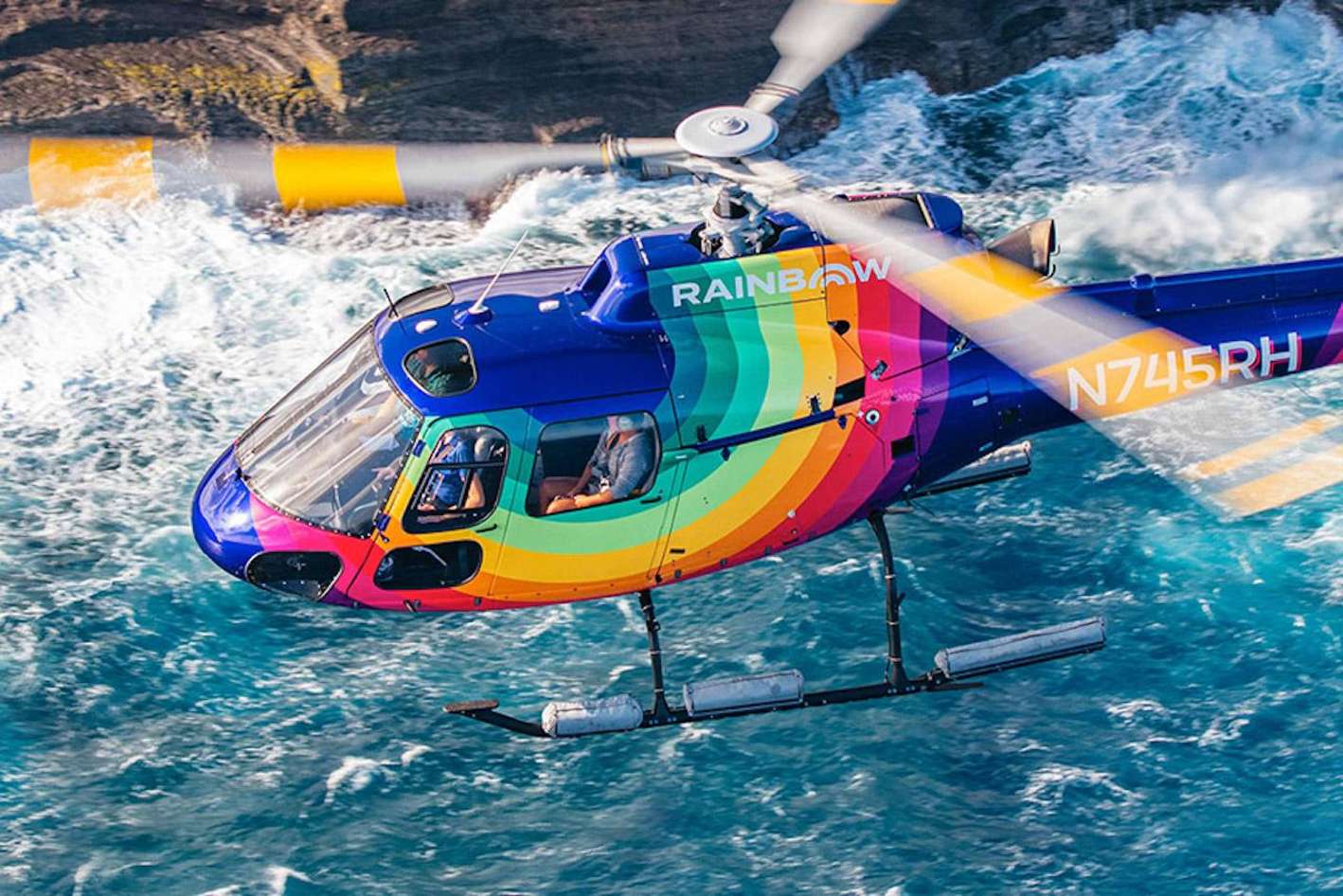
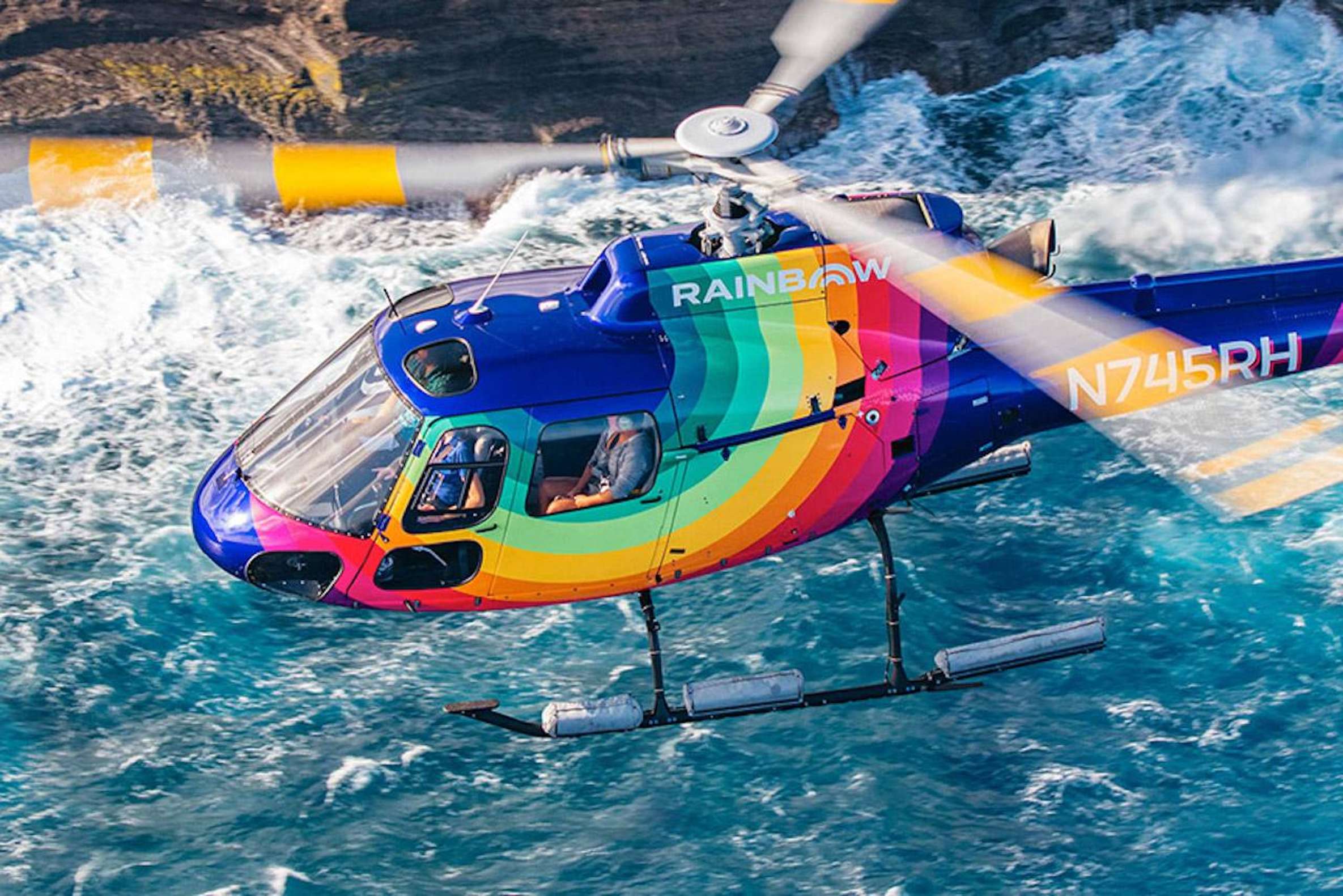
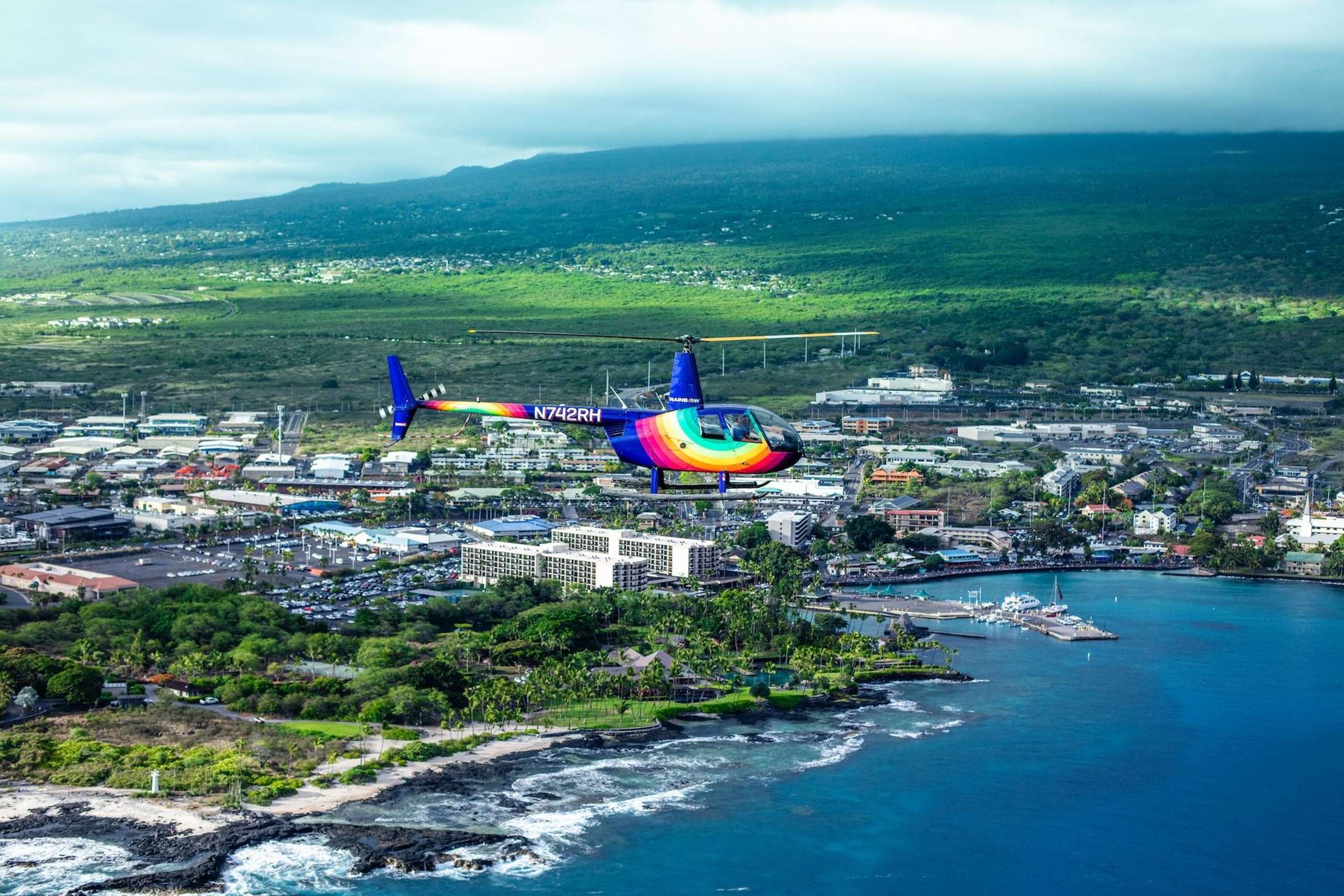
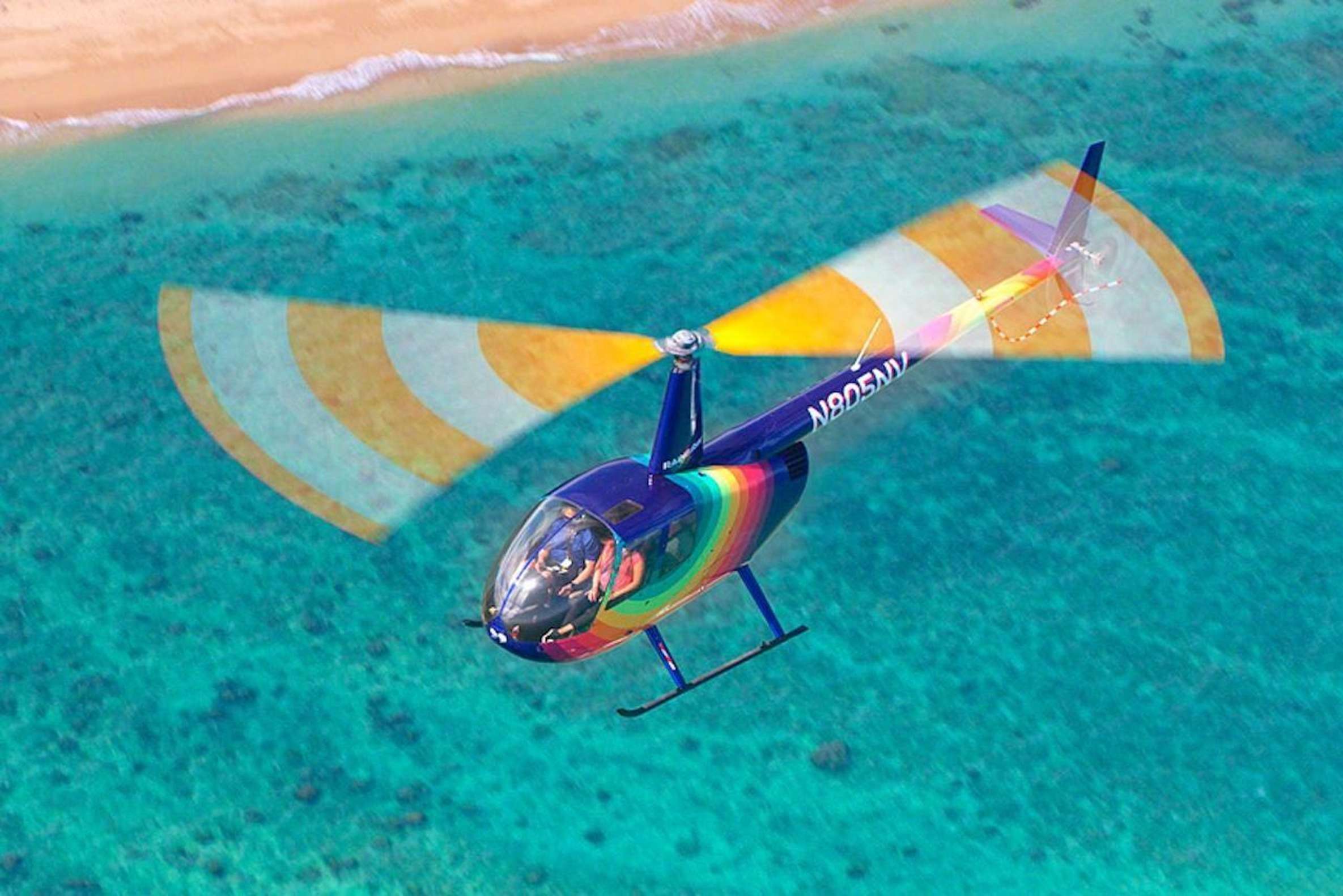
Aircraft layouts shape what that seat gets you. Smaller four-seat helicopters, such as the Robinson R44, give every passenger an open-view window seat with no middle seating at all, which is why doors-off tours in them work so well for photography.
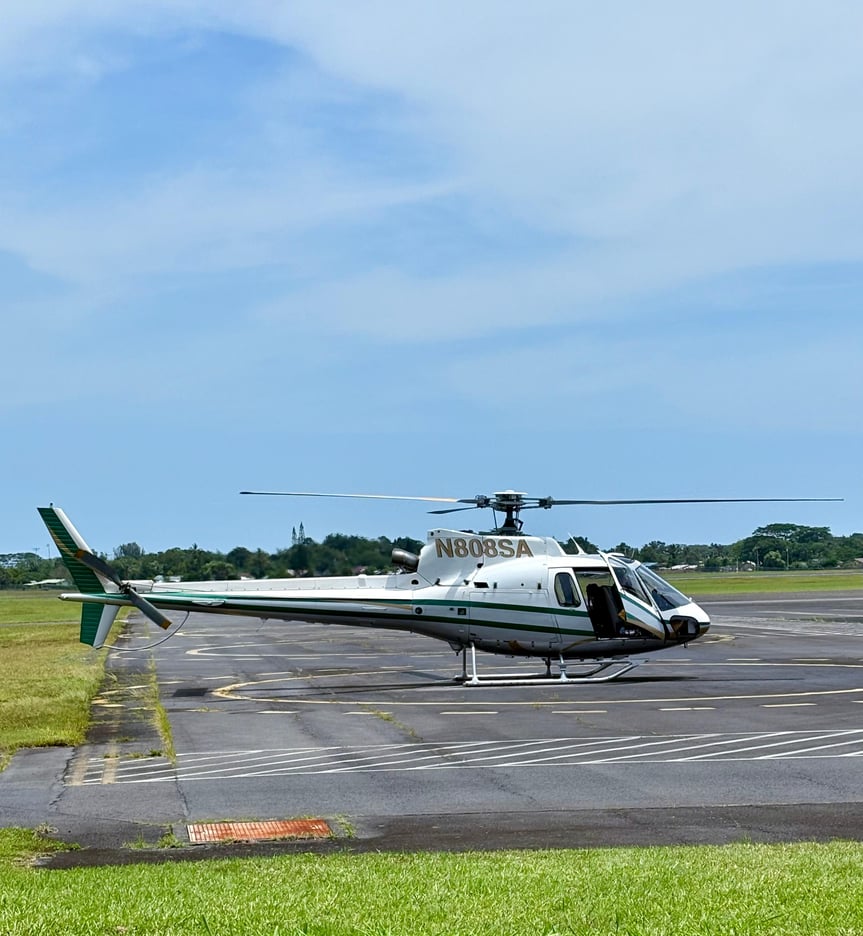
Larger six-passenger touring helicopters, like the A-Star and EcoStar, carry four in the back and two in front, and their middle rear seats have views that can be partly blocked by the passengers beside you. The EcoStar adds raised, theater-style rear seating and wraparound front glass.
A middle seat is not a lost flight. Passengers in the front middle photograph easily over the instrument panel and stay out of the direct wind gusts, and the view forward runs through the windshield.
In compact light utility helicopters the front center seat is very narrow, which can feel cramped for larger individuals, so if that is you, expect it and dress comfortably. Some visitors prone to motion sickness mention it to the ground staff; a forward seat with an unobstructed horizon sometimes helps.
Tour for this
Hilo: Hawaii Volcanoes National Park Flight4.2★ (272) · 1 hour · Free cancellation
What to wear on doors-off flights and how to keep your camera
Expect the cabin to run 10 to 15 degrees cooler than the ground, with rushing wind increasing the chill in an open cabin, and up to 20 degrees cooler depending on elevation.
Long pants, a long-sleeved shirt and a windproof jacket or windbreaker over comfortable clothing carry the day. Closed-toe shoes are required. Loose garments, scarves, hats and anything that can flap are out, and long hair must be tied back tightly in a ponytail, braid or bun.
The camera rules are just as firm. No loose items fly in the cabin.
Every camera, phone and recording device must be tethered to you with a wrist or neck strap for the whole flight, and operators on these tours provide specialized straps and cases for cell phones.
Leave behind or stow extra lenses, selfie sticks, purses, bags, water bottles, hats, visors, scarves, hair clips and strapless sandals. Eyeglasses and sunglasses are fine; the headsets hold them tight against your temples, though some flyers bring an eyewear strap for extra security.
A few habits come from people who have flown these routes often. Wear solid dark colors, which reduce window reflections in any doors-on legs and show up less in photos.
Hold your camera just inside the cabin rather than pushing it out into the slipstream, and keep a wide-angle lens on; the open frame is the whole point of the flight. Never set a lens cap or any unsecured accessory down inside the cabin.
Getting to the heliport for your doors-off check-in
The doors-off tours from Kona check in at the airport's general aviation area, south of the main passenger terminals. You walk in the front doors of the brown Big Island Jet Center building, and parking sits in the large lot south of the building.
The widget below counts the drive from the two common starting points. It counts road minutes only, so read it against the hour you need on the ground.
Plan the hour on the ground, not just the drive. Arrive 60 minutes before takeoff for check-in and the safety briefing, which includes the weigh-in that feeds your seat assignment. A Hilo departure carries the same requirement at one operator, so a full hour before departure applies on both sides of the island.
If you are crossing the island to fly out of Hilo, the drive from Kona takes about 1.5 hours, and it runs longer when weather closes in on the saddle.
Tour for this
Big Island: Kilauea Volcano Eruption Heli Tour - Door On/Off4.4★ (5) · 1.5 hours · Free cancellation
What happens if the weather turns on a doors-off flight
Island flying lives with clouds, rain and vog, and a good operator treats them as routing information. Pilots decide whether flights run based on safety and visibility near departure time. Passing, isolated showers along the Hamakua Coast are normal and usually do not stop tours from flying.
When low cloud or thick vog blocks a summit or valley, pilots reroute toward what the weather does allow, often older coastal lava flows and rainforest waterfalls, which frequently flow more vigorously after passing showers.
The park's air-tour plan shapes what happens over the volcano. On routes covered by it, a pilot whose weather prevents flying at the prescribed altitude must safely exit the route and either take another route where weather allows or leave the plan boundary.
During active eruptions, temporary flight restrictions can close the airspace above Kīlauea entirely, and authorized air tours avoid the summit.
Your money is covered in most cases, and the widget below sets out what the tours' terms say when weather steps in. Read it before you book, because the policies differ.
"What the tours' terms mean for your booking"
If this happens
What happens then
Weather cancels the flight
Most operators offer a reschedule or a full refund with no penalty
One operator reschedules to another day
If you cannot attend the new time, you get a full refund
Some operators change the route or flight time
Weather-related changes to the route, points of interest or flight time carry no refund or discount from one operator
That range in policy is the reason to book early in your trip and keep buffer days. A cancellation with three days left is a reschedule; a cancellation on the last day is a full refund and a lost experience.
Tour for this
Waikoloa: Big Island Spectacular Helicopter Tour4.2★ (10) · 105 minutes - 2 hours · Free cancellation
Motion sickness and nervous flyers on doors-off flights
Helicopter flights are generally smooth, and many travelers who get sick in cars or boats feel nothing in the air. The exceptions are the turns.
Repeated banking in Kohala's valleys, thermal updrafts off the volcano slopes, and circling over a caldera can stir the inner ear, and passengers susceptible to vertigo may feel woozy during tight banking.
Timing decides whether the remedy works. Ginger chews or non-drowsy anti-nausea medication taken before takeoff settles the inner ear during banking and turns; medication is most effective ahead of the flight, because once nausea begins, slower stomach emptying can interfere with absorption. Ask a doctor or pharmacist what suits you.
Around that, keep the routine simple: eat a light meal a few hours before takeoff, stay hydrated, limit alcohol and caffeine, get real sleep the night before, and skip smoking. In the air, keep your eyes on the horizon and avoid reading or a screen.
Two open-cabin specifics. Motion sickness behaves about the same whether the doors are on or off, so the open cabin itself is not the cause.
And do not spend the whole 50- to 60-minute flight behind your camera viewfinder; watching through a screen while the world moves around you raises the risk of airsickness and costs you the flight itself. Look up, look out, then take the shot.
Before and after your doors-off flight on the Kona coast
A doors-off flight out of Kona leaves the rest of the day wide open, and the sights around the departure point fill it well. The widget below shows what sits within a short walk of the start and what is worth a drive.
Coffee is the natural pairing. Mountain Thunder Coffee Plantation sits just a few minutes from Kona Airport and runs free educational farm tours, and two tours build coffee directly into the day: one private flight lands at a coffee farm for a private tasting, and the Coastal Sights tour visits the Kona Gold Coffee Plantation.
If your flight is a morning slot, a coffee tour afterward fills the afternoon cleanly.
One small etiquette at the pad: tipping the pilot is optional but common. Travelers usually hand a cash tip to the pilot on the tarmac as they step off, per couple or per solo passenger, and ground crew generally share anything left at the desk. Bring small bills so the moment takes ten seconds.
Driving yourself
Rent a car in Kailua PierCompare cars from the rental companies in one search, then pick yours.
The morning window is the one that decides what you see. Between 8 am and 11 am the winds over Kona and the Kohala ridges stay calm, turbulence stays minimal, and visibility is at its best before clouds gather over the interior.
From midday the pattern reverses: daytime heating strengthens sea breezes and upslope flows, cloud builds over the mountain slopes and valley rainforests, and localized showers follow. Late afternoon brings lower sun angles that carve strong shadows across the valleys, which photographers like, though clouds often still linger.
Visibility and wind conditions across the day
Morning Peak8 am to 11 am
Calm winds, minimal turbulence, and the clearest views before clouds gather.
Afternoonnoon to 4 pm
Increased cloud cover and localized showers over mountain slopes and rainforests.
Late afternoon4 pm to 6 pm
Lower sun angles create dramatic shadows across valleys, though clouds often linger.
QuietBusyThe busiest
The rows above lay the day out hour by hour; read them next to the mechanism. Northeast trade winds push moist air up the mountain slopes, and cumulus cloud accumulates over interior ridges through the afternoon, peaking between 2 pm and 4 pm.
West of the island, daytime heating drives a persistent belt of clouds and rain across Hualālai's slopes by afternoon, so a Hualālai or Ka'upulehu Crater flight that runs late in the day frequently has to stick to the coastline instead.
Book the earliest slot you can live with. Morning departures before 11 am give the calmest air and the clearest skies over the ridges, and an early flight over Mauna Loa and Mauna Kea stands the best chance of clear summit views before clouds cap the upper slopes.
Clear mornings are the norm but not a promise; conditions vary day to day.
Doors-off seats are the scarce ones. Most major operators run only closed-cabin flights, so open-cabin flights must be booked through specialized operators, and that smaller supply meets the same demand as everything else in peak season.
The rhythm is predictable. During peak summer, June through August, and the winter holiday stretch of December through January, helicopter time slots on the Big Island typically sell out 2 to 4 weeks in advance, and the prime morning departures often book out 30 days to 6 weeks ahead.
The quiet months flip the pressure: November and January sit near the low end of the busy scale, and early December is the quietest stretch on the calendar, which makes open-cabin availability much easier to find.
Late September and October run busy at the top of the scale, so those months need the same advance booking as summer.
How busy it gets, month by month
September: 5 out of 5 for how busy it gets.
HighestAug to Oct
In betweenMar to May, Jul, Nov
LowestJun, Dec to Feb
Darker: a higher how busy it gets score, out of 5
Tap a month to read it.
The rows above turn the calendar into a planning table, and the takeaway is simple: decide your doors-off date the moment you fix your trip dates.
In the busy months, lock a morning slot four or more weeks out. In the quiet stretch, a week or two is usually enough, and you gain the flexibility to move the flight if the weather turns.
Both configurations fly the same routes out of Kona, and most tours that carry a doors-off option sell a doors-on one too. The choice comes down to what you want from the flight itself.
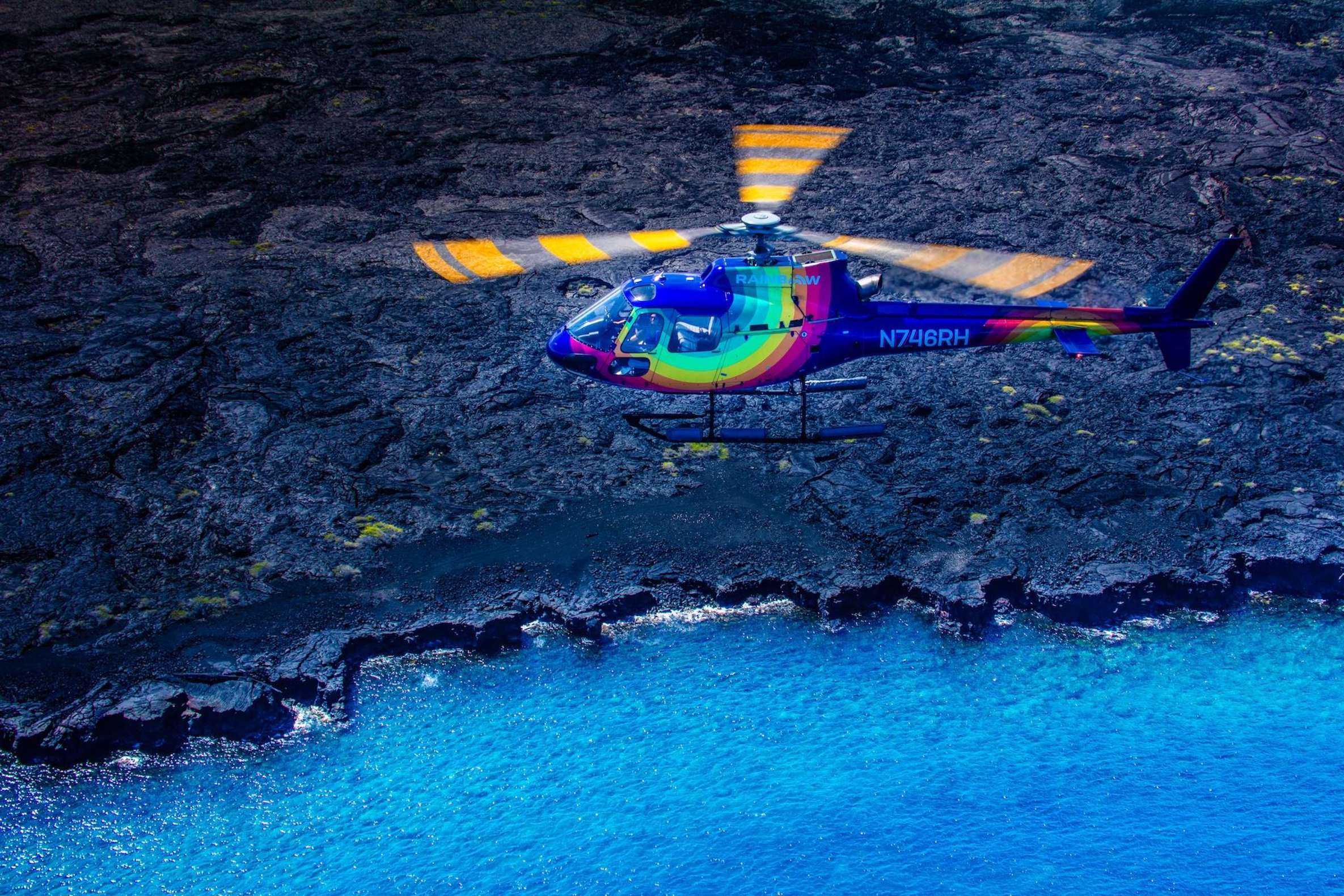
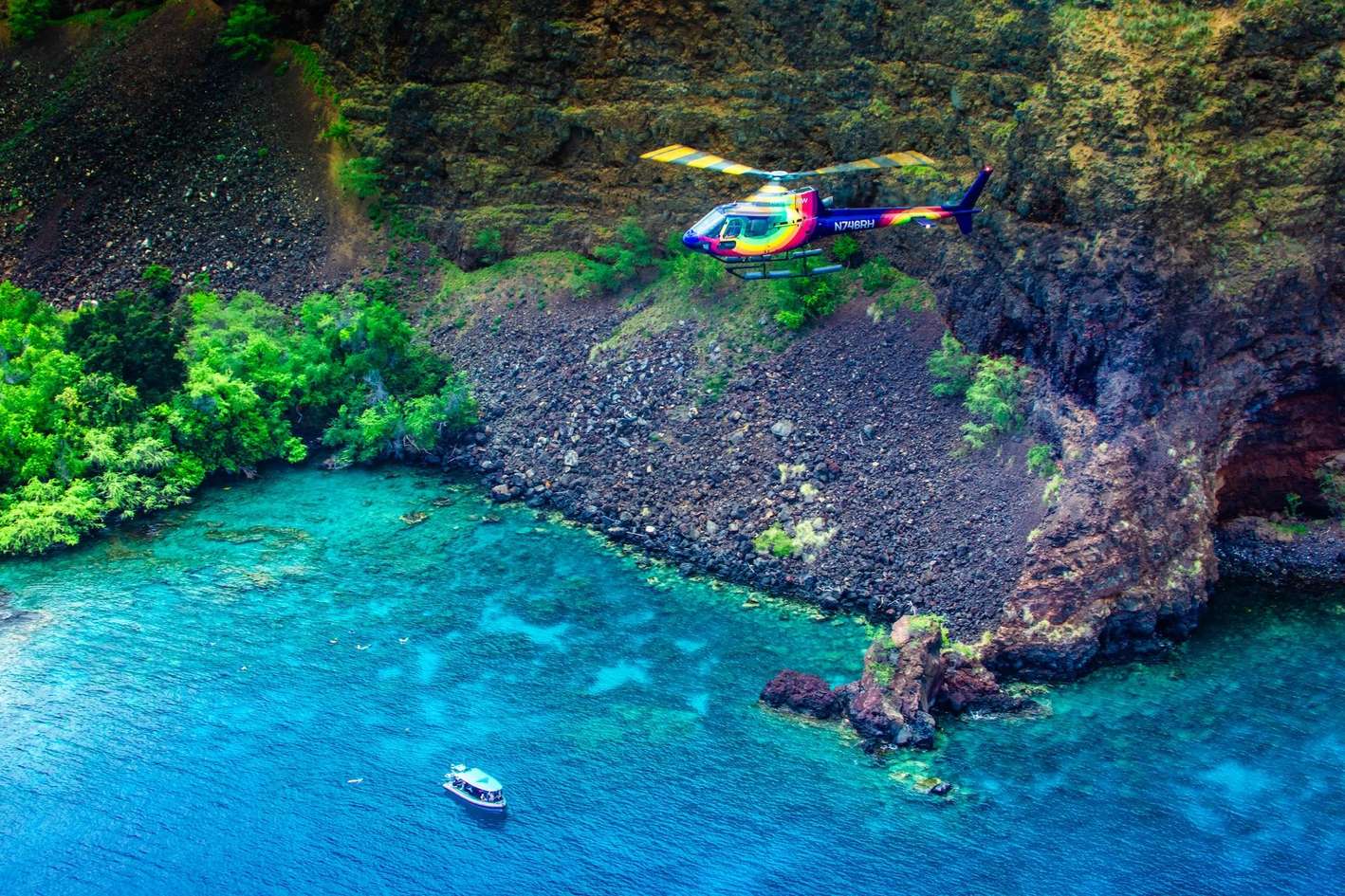
Doors off is for the frame. With no glass between you and the valley, a wide-angle lens catches the Kohala waterfalls or the Hualālai slopes without reflection, and the wind on your hands is the part passengers describe most.
It costs you preparation: the layering, the tethered camera, the tied-back hair, and a cabin that runs 10 to 15 degrees cooler.
It also asks something of you; the exposure without an exterior barrier is real, and people who struggle with vertigo or a fear of falling can find the exposure hard to enjoy.
Doors on keeps the flight calm and simple. The cabin is climate-controlled, casual clothing is comfortable, a jacket would run too warm, and loose items stay in your bag.
Photography works through the glass, where dark clothing reduces reflections and a wide-angle lens still helps. Weight and balance rules shape seating either way, so a window seat is never a personal choice in either configuration.
A useful rule of thumb: choose doors off if photographing without glass is the point of the flight, doors on if the scenery is the point and you want to share it with children or anyone uneasy at height.
Many couples book one of each across two days, which the quiet months make easier to arrange.
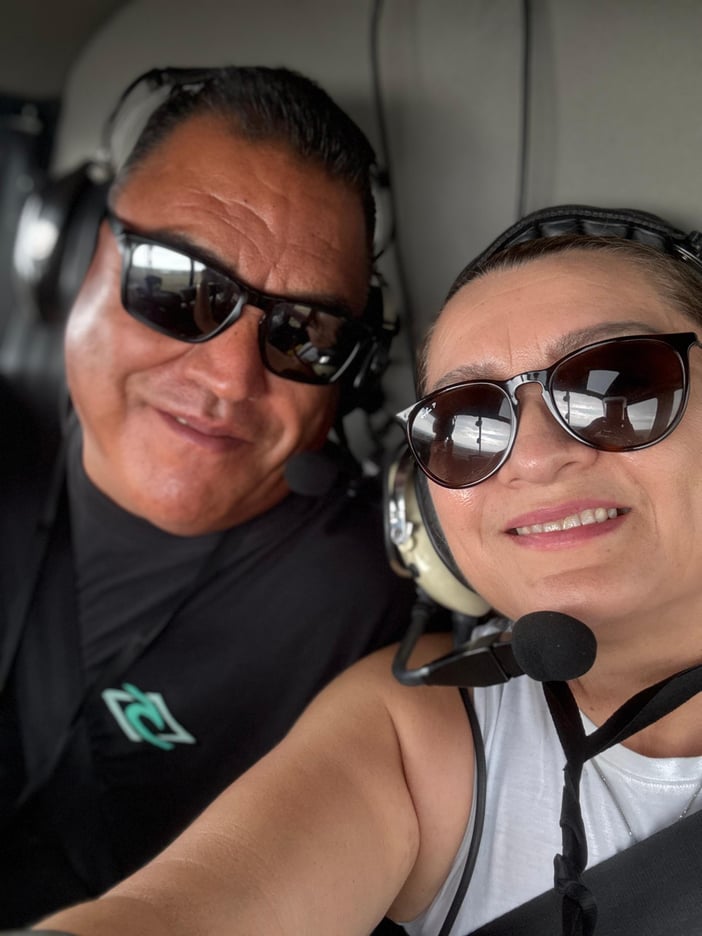
Such an exciting ride! Our pilot Justin explained every place and its history. The ocean colors were unbelievable thanks to clear weather. Clouds kept us from the volcano, but the coastline was worth it!
A doors-off flight over the Big Island is the most direct way to see valleys and waterfalls no road reaches, and the Kona routes let you size the experience to your day: a 30-minute coastal loop, an hour over Hualālai, or 90 minutes across the Kohala valleys.
Book a morning slot early in your trip, dress for 10 to 15 degrees of wind chill, tether every camera, and confirm the weight and age rules for your aircraft before you pay.
Go ifYou want photos of valleys and waterfalls with no glass in the frameYou are comfortable with height and open exposure, and you can book a morning slot early in your tripYou will follow the loose-item rules: every phone and camera tethered, nothing loose in the cabin
Skip ifYou or someone in your party struggles with vertigo, claustrophobia or a strong fear of fallingYou scuba dive within 24 hours of the flight timeA child in your party is younger than the tour's minimum age for an open door, around age 12 on tours that publish a rule
Doors off helicopter tour FAQ - Kona rules, wind and photo questions
Quick answers on open-door flights from Kona: weight rules, camera straps, cold, and where you sit.
Honalo2026
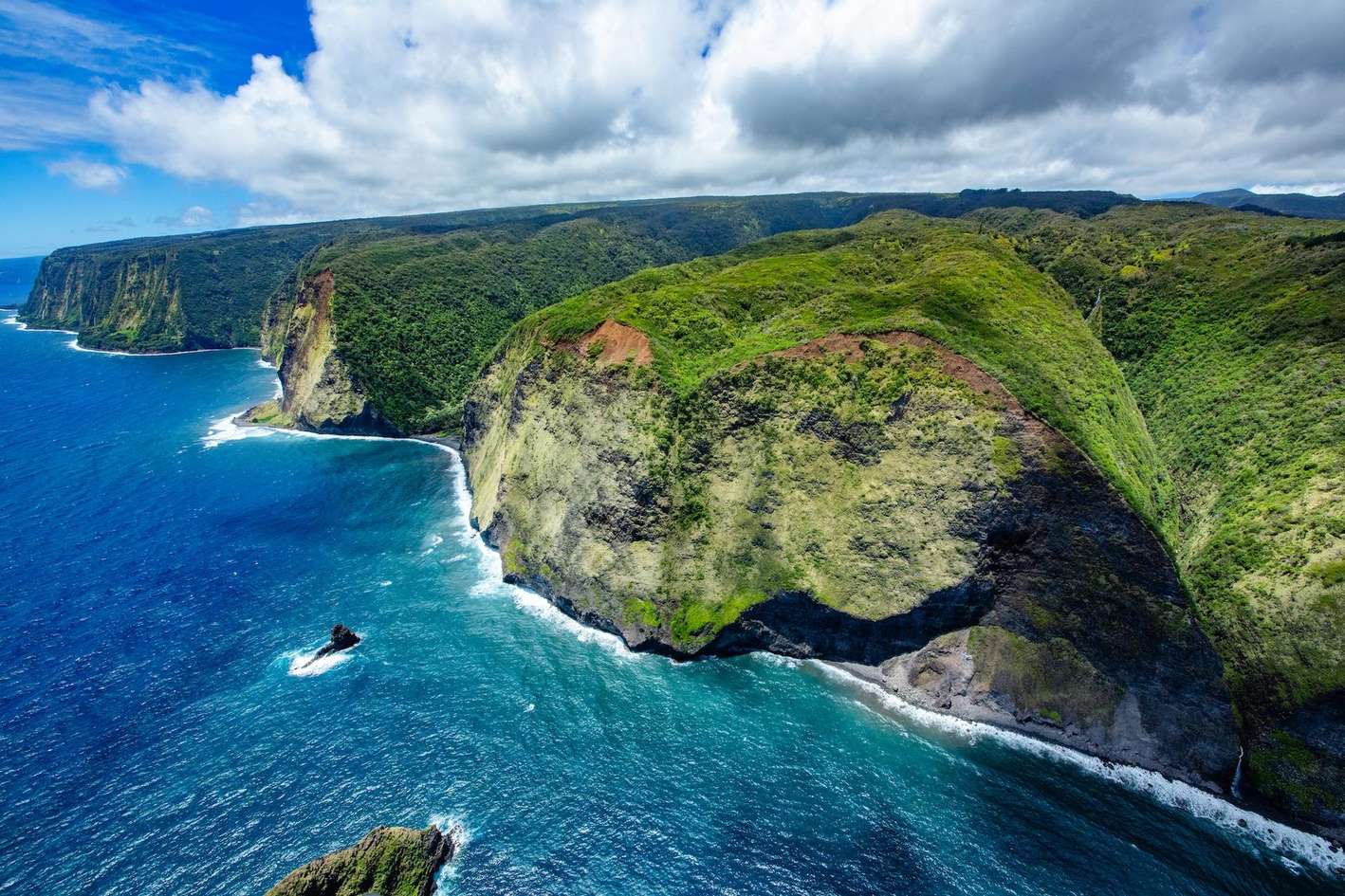
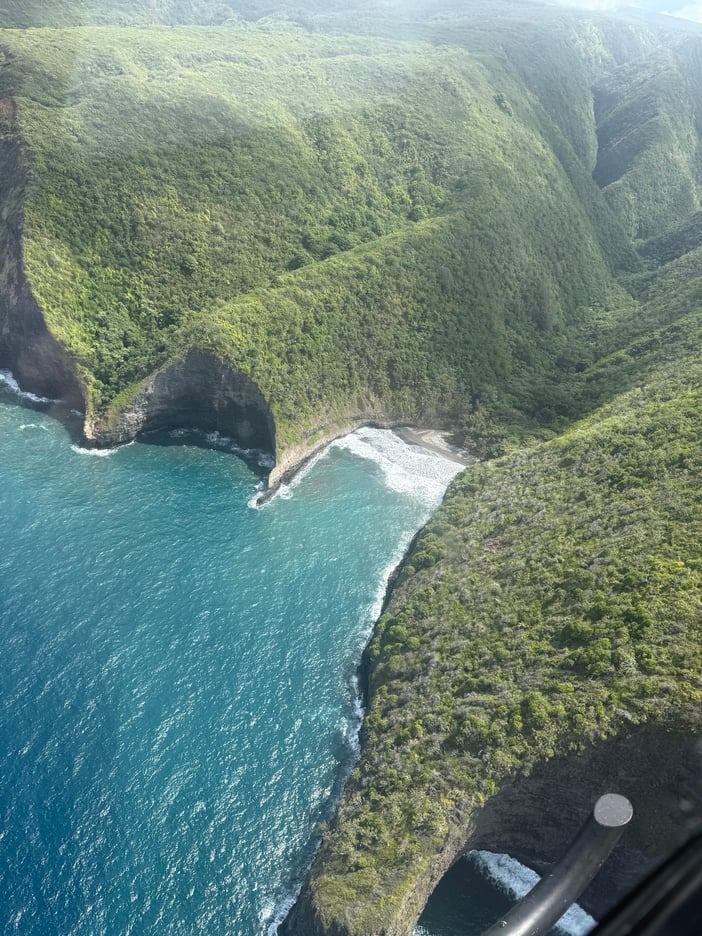
The wind hits the second the doors come off, and Pololū's cliffs fill the frame with no glass in the way. Bring a strap and a jacket.
Do I have to weigh at least a certain amount to fly with the doors off?
Yes. Every passenger 24 months and older buys a full-fare seat either way.
Can I pick the seat next to the open door?
No. The operator assigns seats by passenger weight to balance the aircraft under FAA rules, so no one can reserve a spot beside the door. When you book a doors-off flight, your seat may or may not sit directly at an open one.
How do I keep my phone and camera safe in an open cabin?
Anything loose stays behind. Phones and cameras must be tethered to your body with a wrist or neck strap for the whole flight. These Kona tours include straps and cases for cell phones, so you do not need to buy your own.
What camera gear is banned on a doors-off flight?
Selfie sticks, gimbals, extra lenses, bags, purses, hats and water bottles all stay at the base or in a locker. Bring a phone or small camera with a strap, sunglasses and closed-toe shoes, and tie long hair back in a ponytail or bun.
Is a doors-off flight really better for photography?
It is, for two reasons. You lose the glass glare and reflections that show up in cabin photos, and you can shoot subjects lower on the horizon, like the sea cliffs at Pololū Valley, without any obstruction in the frame.
What does an open-door flight feel like compared to a normal one?
You feel the ocean breeze and, near the waterfalls, the mist itself. Banking turns feel sharper, and the drop when the helicopter tilts registers more strongly. Many people describe the rush as far bigger than a doors-on ride over the same route.
Will I be cold with the doors off over Kona?
Bring a jacket regardless. Air cools with altitude, and a common estimate puts it at about 5.5 degrees Fahrenheit per 1,000 feet, softened a bit by the island's humid air. Wind adds a chill on top of that, which is why operators list warm clothing and a jacket as required.
Can I wear my glasses and sunglasses with the doors off?
Yes. Eyeglasses and sunglasses are both fine because the aviation headsets hold them firmly against your temples. Some flights suggest an eyewear strap if your pair sits loose.
Can I hear the pilot's commentary over the wind?
You wear a headset the whole flight, but open-door wind buffeting makes voice-activated intercom chatter hard to hear clearly. Push-to-talk headsets cut that problem by not transmitting the wind noise, so commentary still comes through.
Is the middle seat a problem on a doors-off flight?
It can be. From a center seat, shooting out the sides is harder, and you look forward through the glass windshield rather than an open doorway. If your photos matter most, mention that at check-in, though weight and balance rules always decide the final seating.
Are there health rules that stop me from flying doors off?
Two that come up often. You cannot fly within 24 hours of scuba diving, because cabin air pressure raises decompression risk. Intoxicated passengers are refused boarding and charged in full, so save the drinks for after the flight.
Do I have to weigh at least a certain amount to fly with the doors off?
Yes. Every passenger 24 months and older buys a full-fare seat either way.