
1 hour·English
5.0(2)
Hilo: Hilo Waterfall Experience Helicopter Tour
Free cancellationHelicopter flightState of Hawaii Certified Tour Guide/pilot
Check your family in for a flight, not a turnaway. Know the age floors, the weight rules and the nausea fixes before you book, then pick a doors-on flight from Hilo or Waikoloa where kids ride on laps and pilots with steady hands narrate every crater and waterfall. Book the morning slot that fits your crew.
"It was a dream. Perfect weather, and our pilot Timm was outstanding, flew calm and safe and gave great commentary. Highly recommend!"
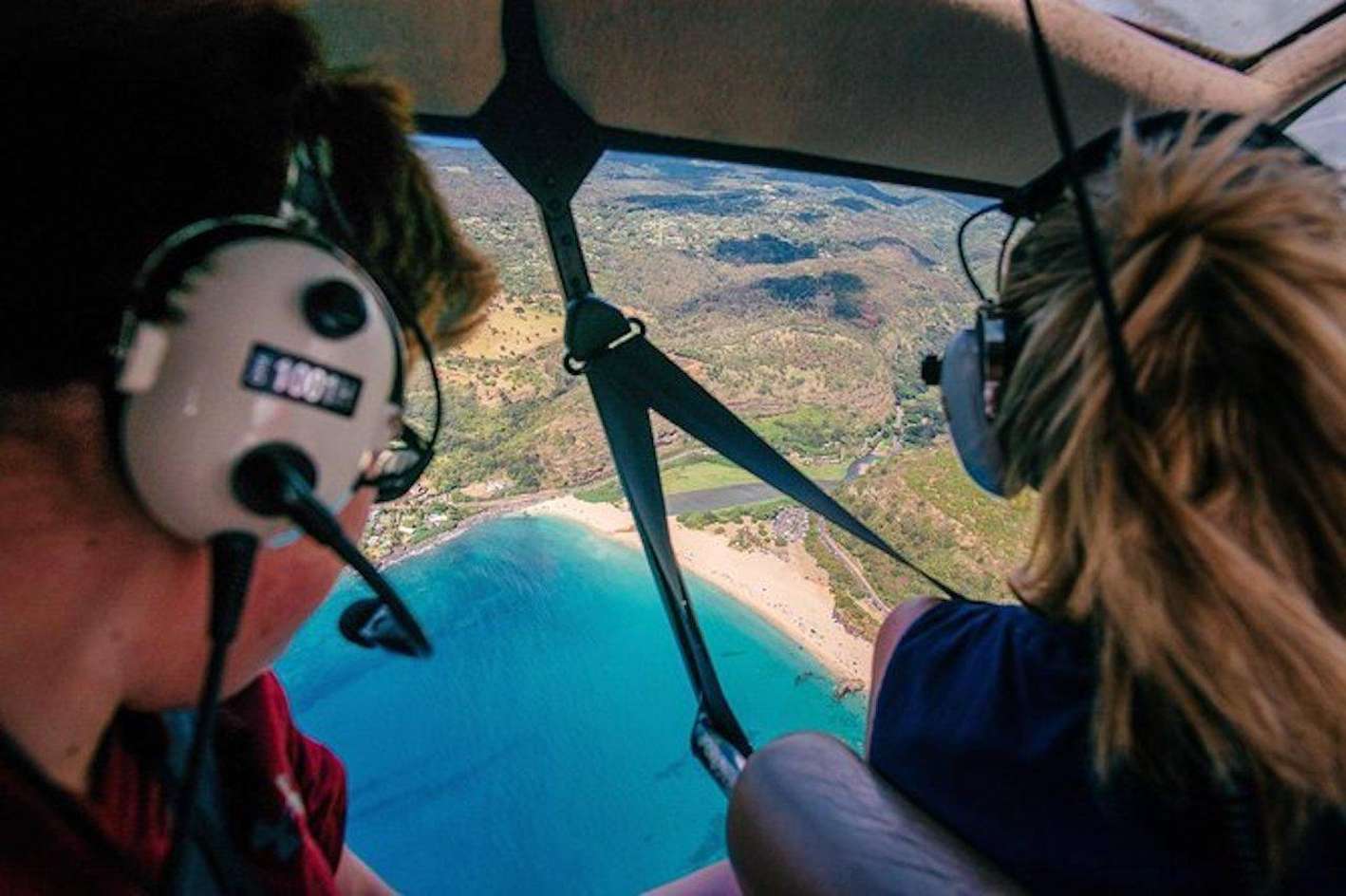
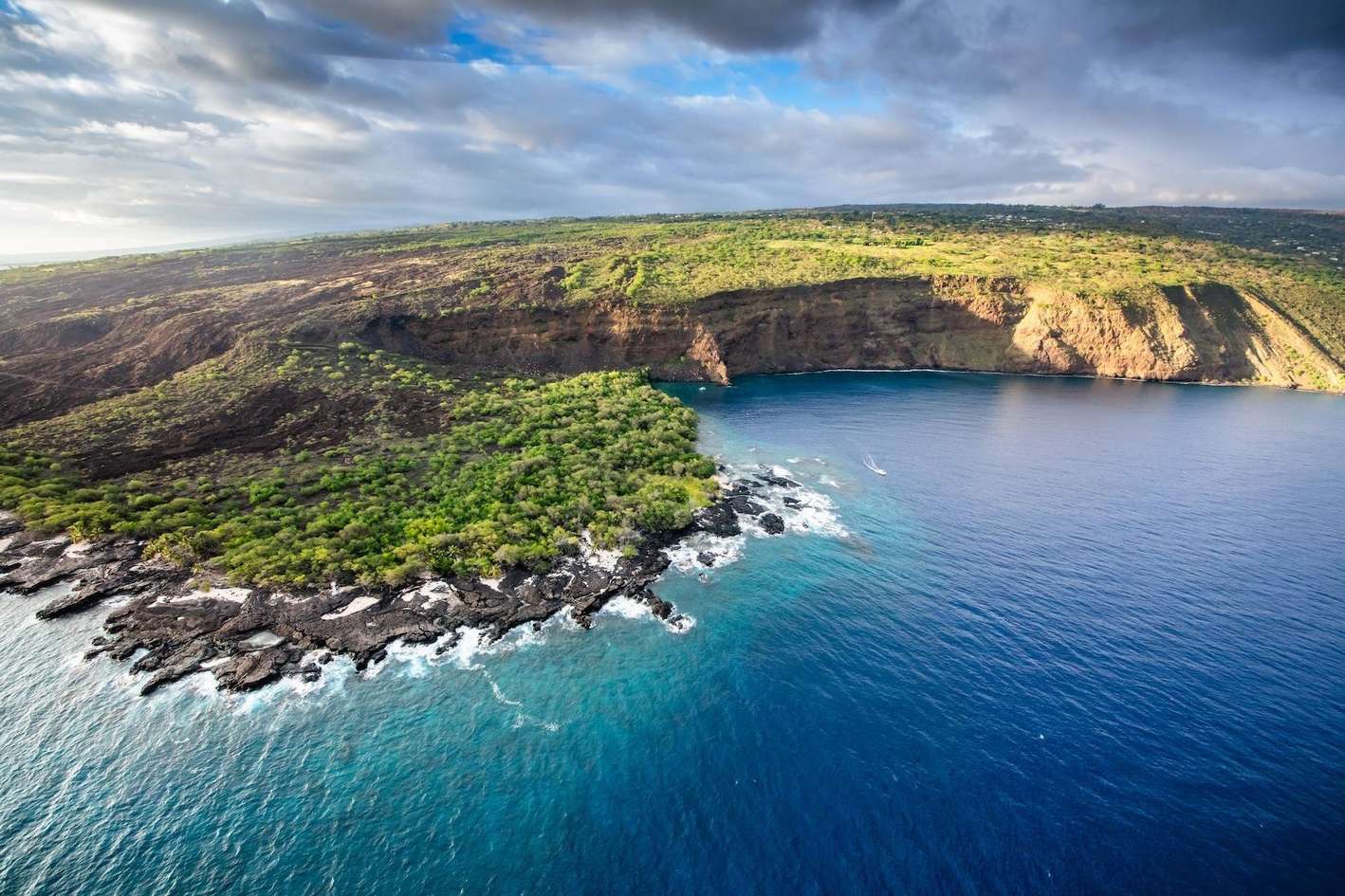
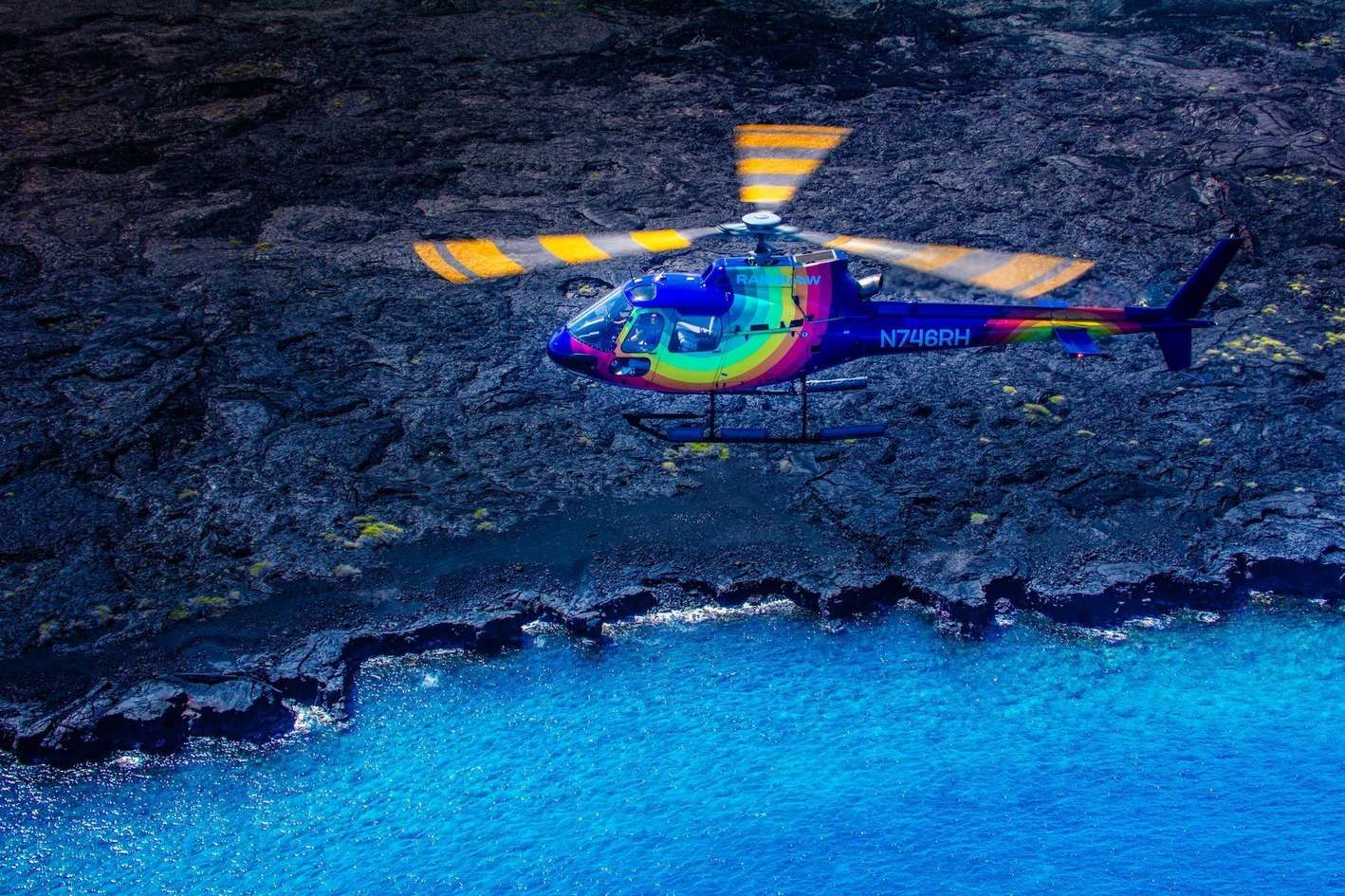
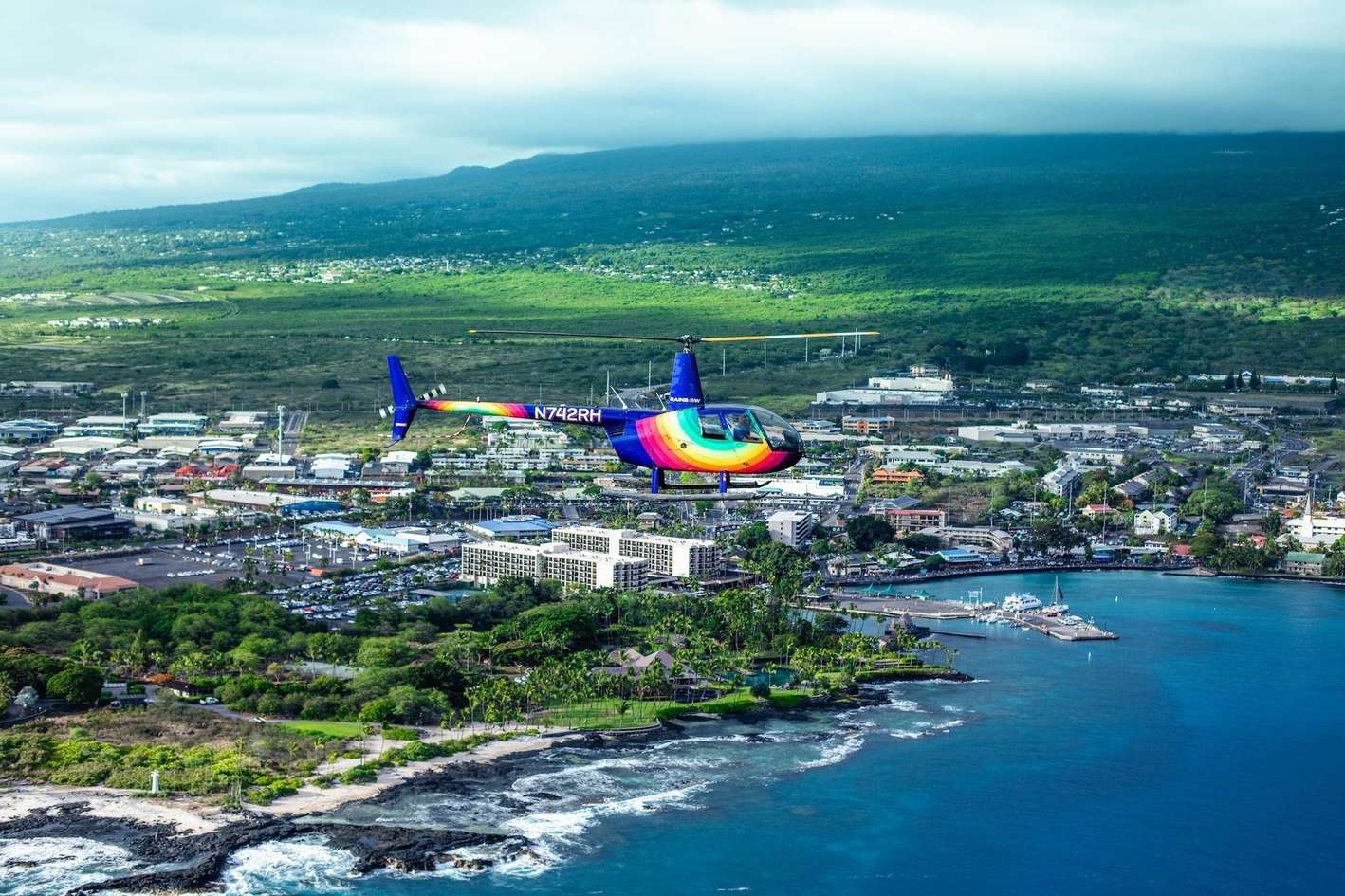
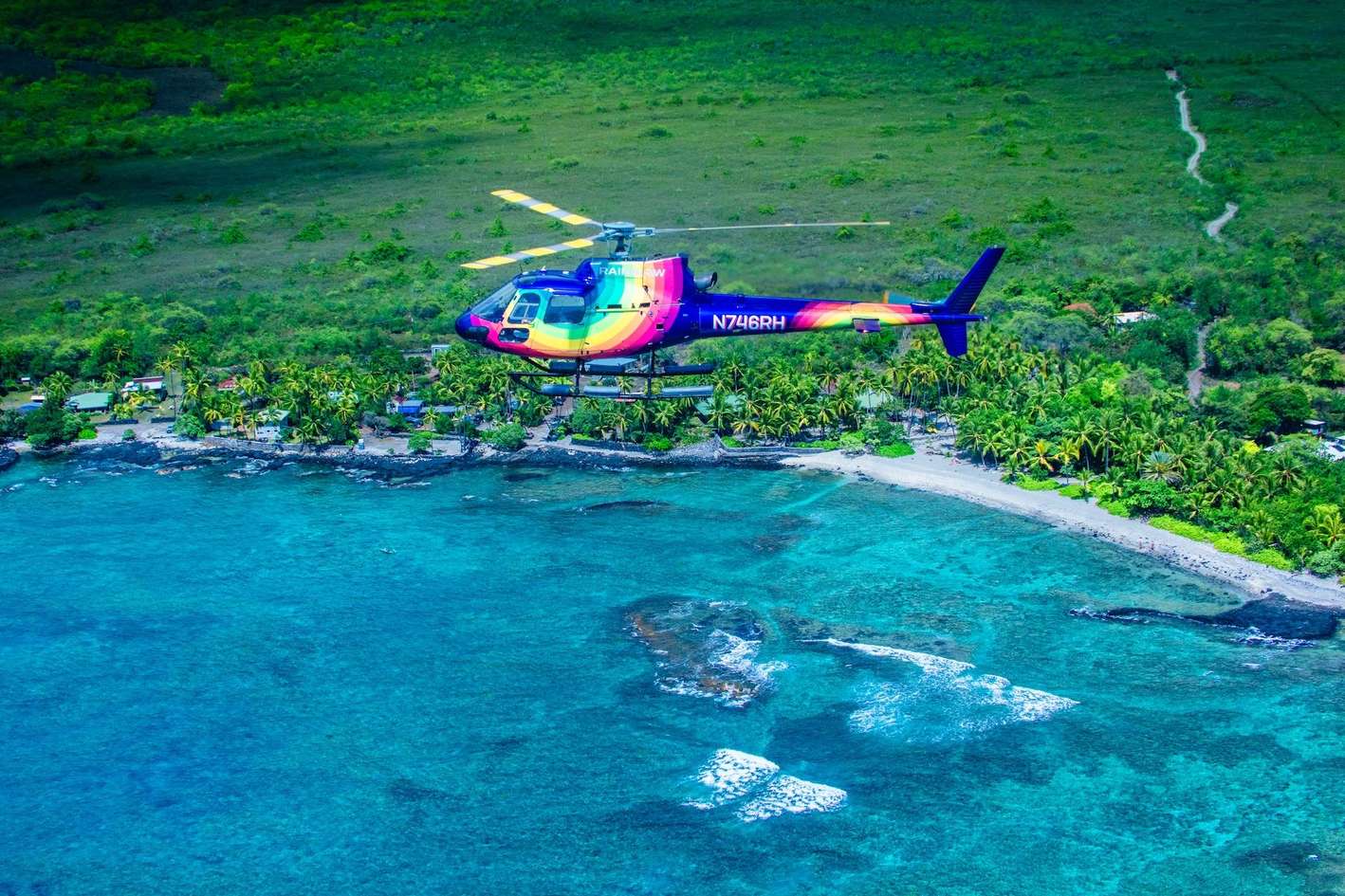
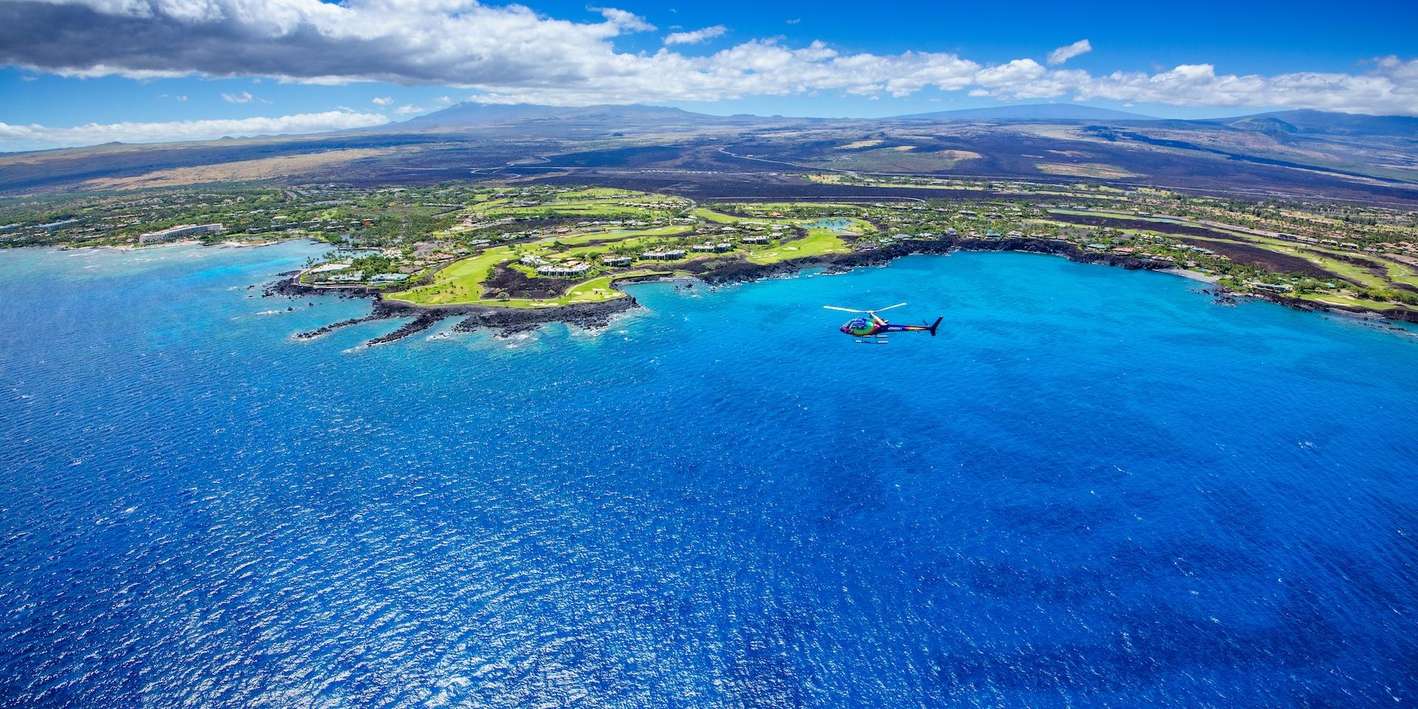
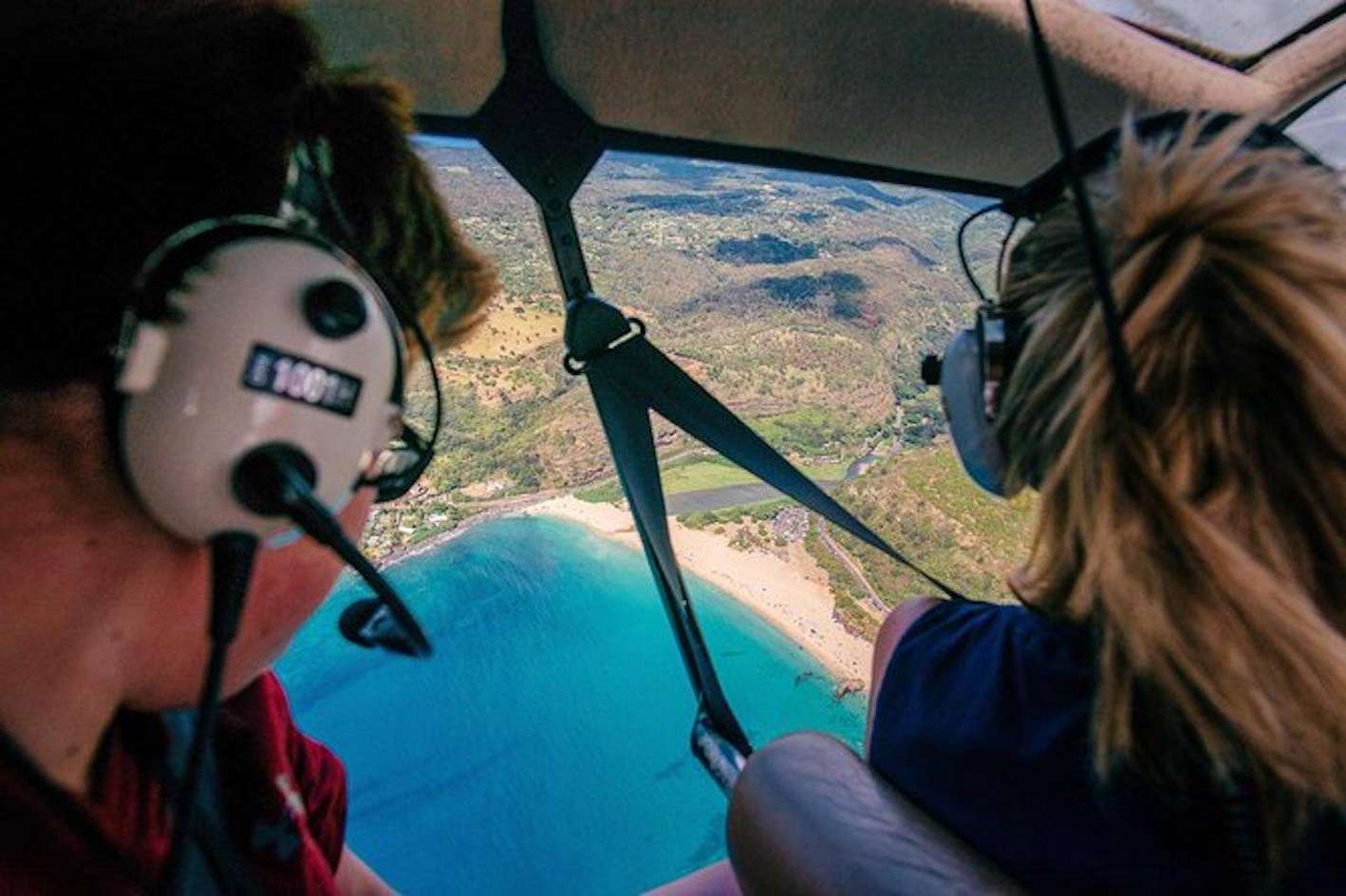
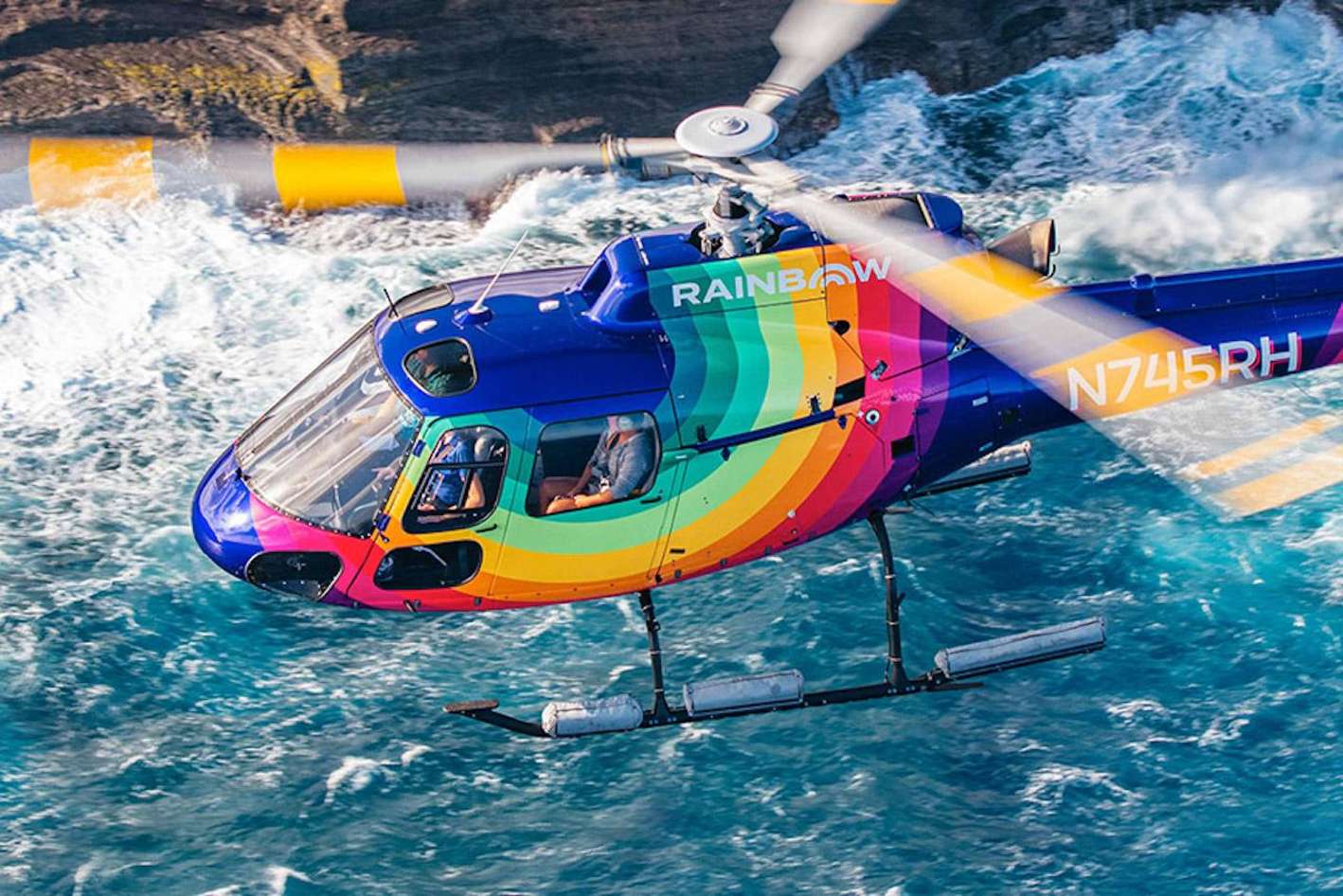
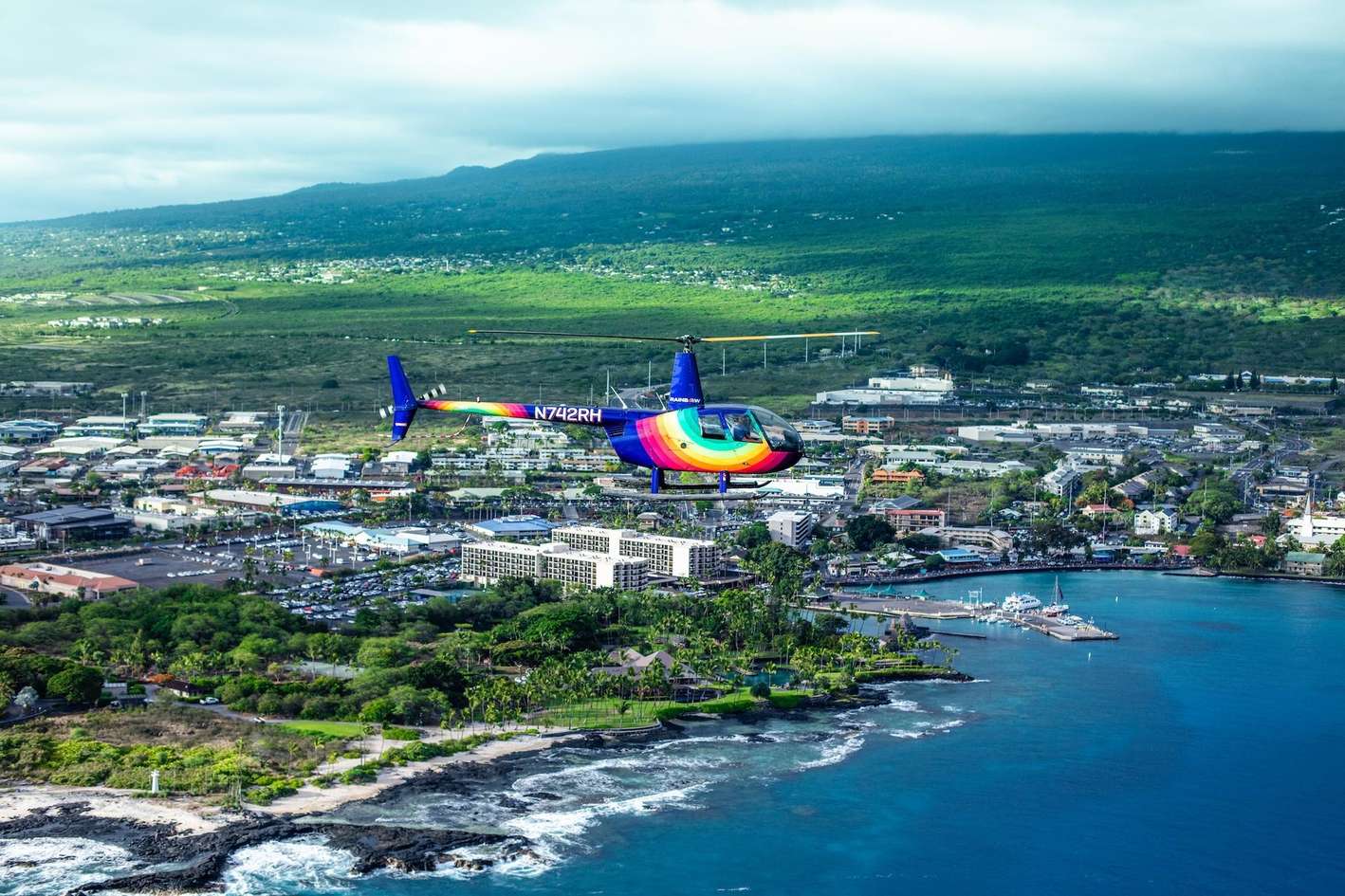
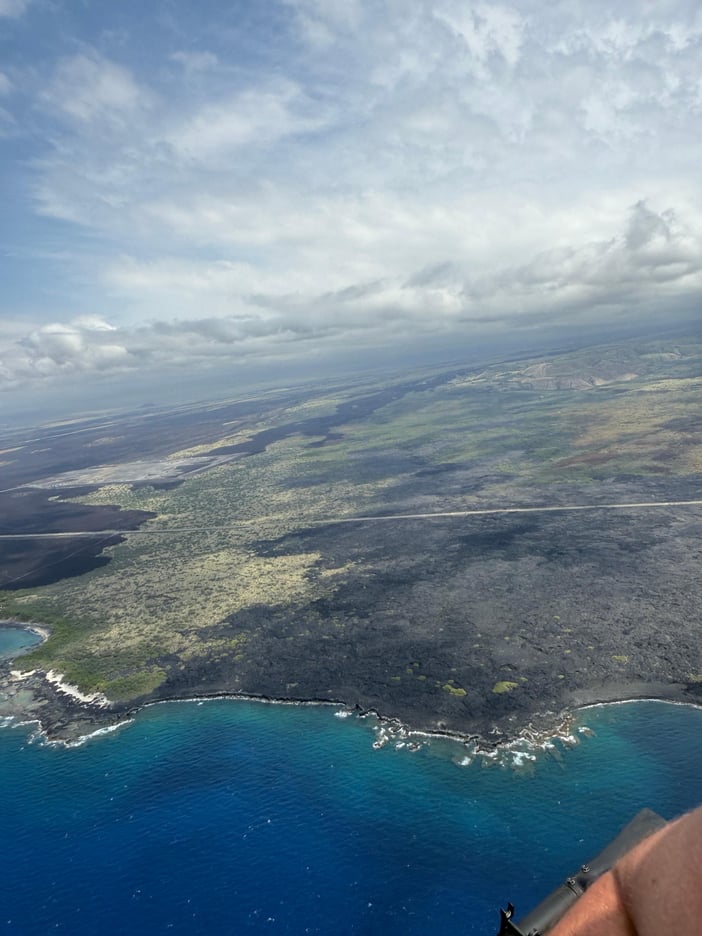
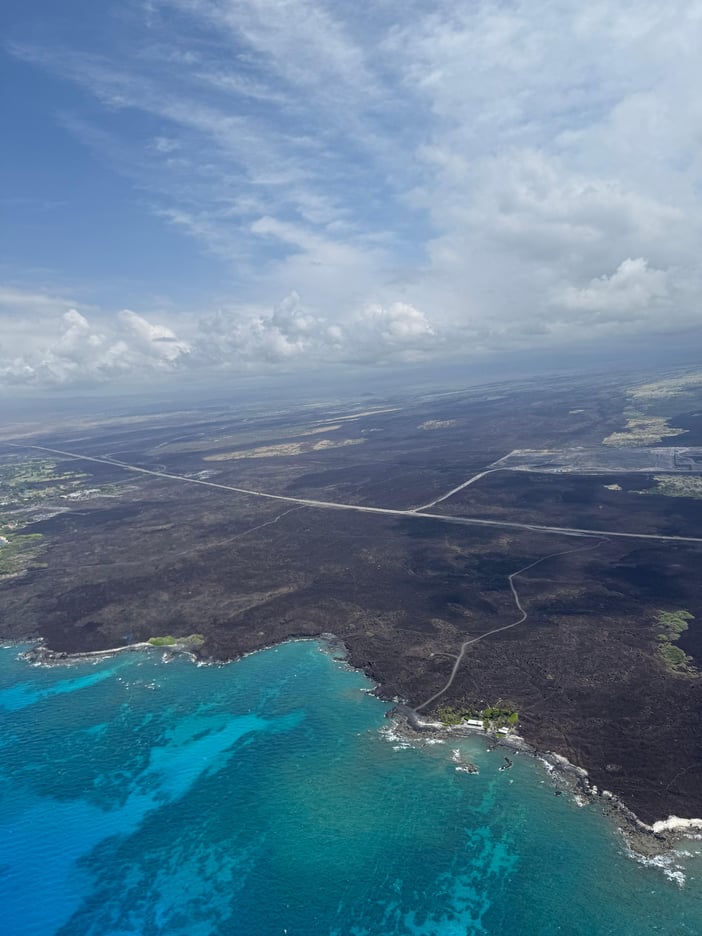
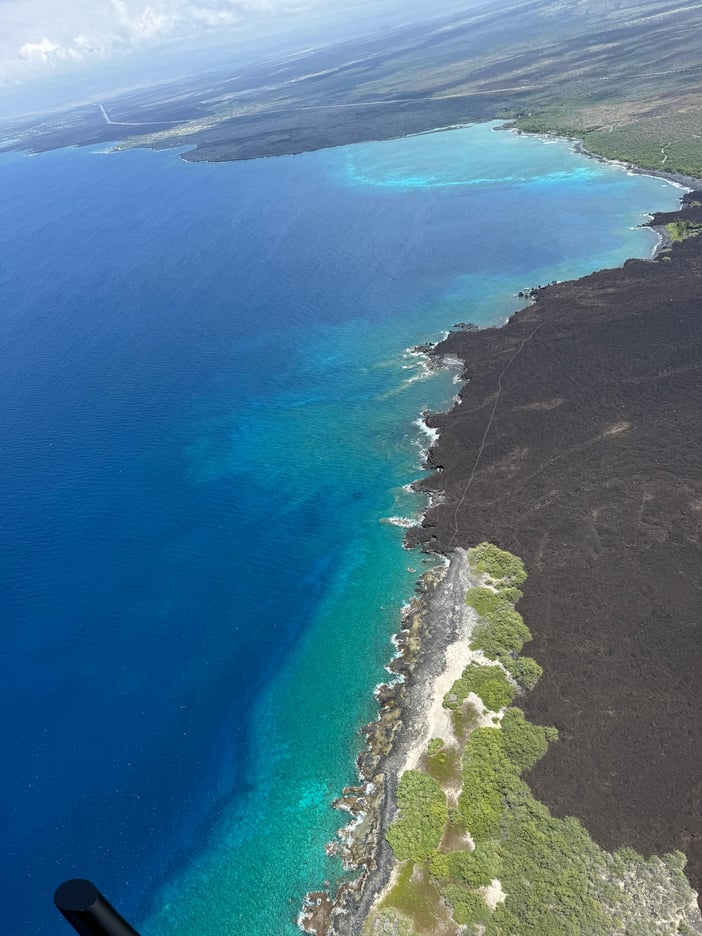
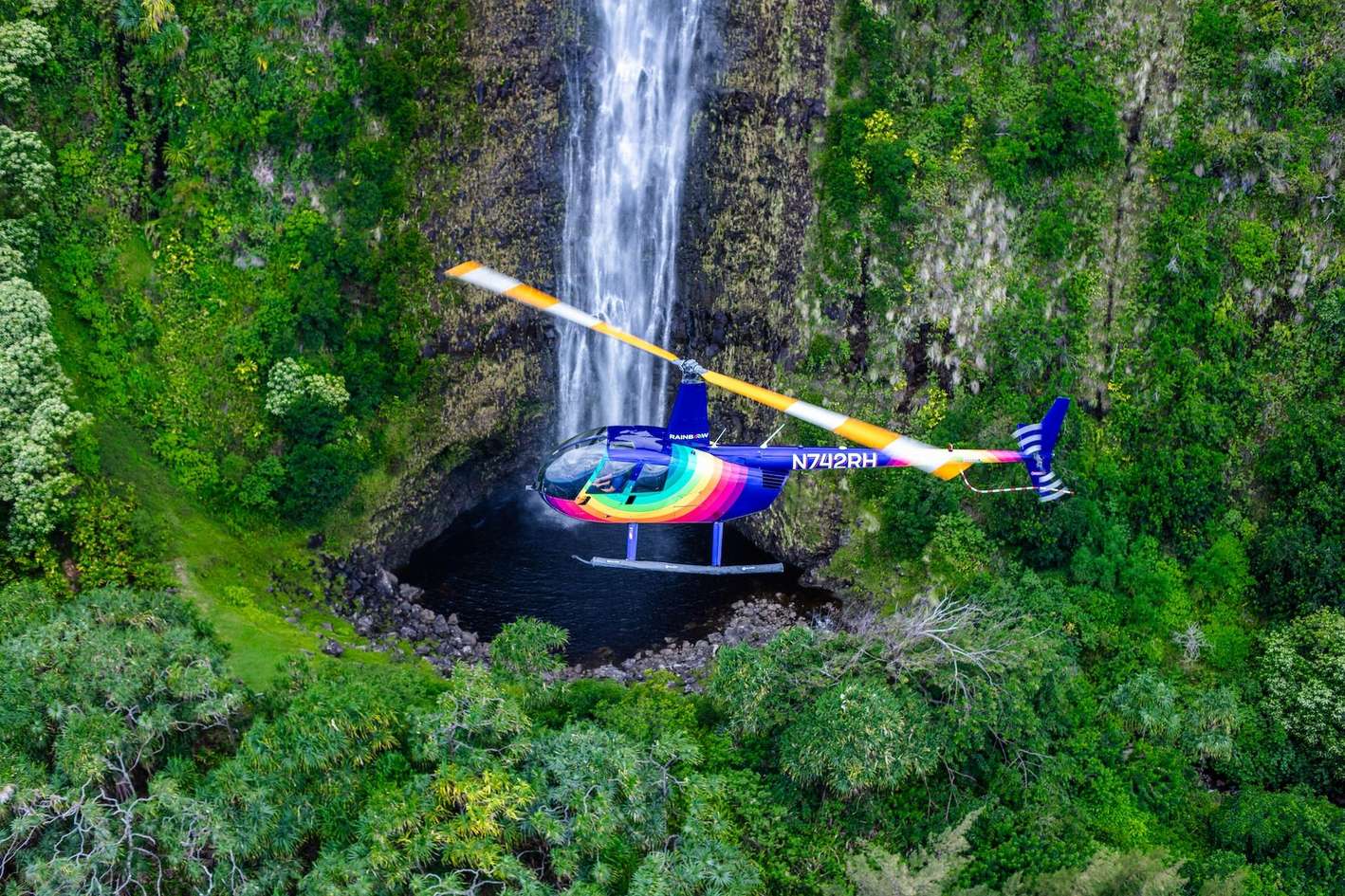
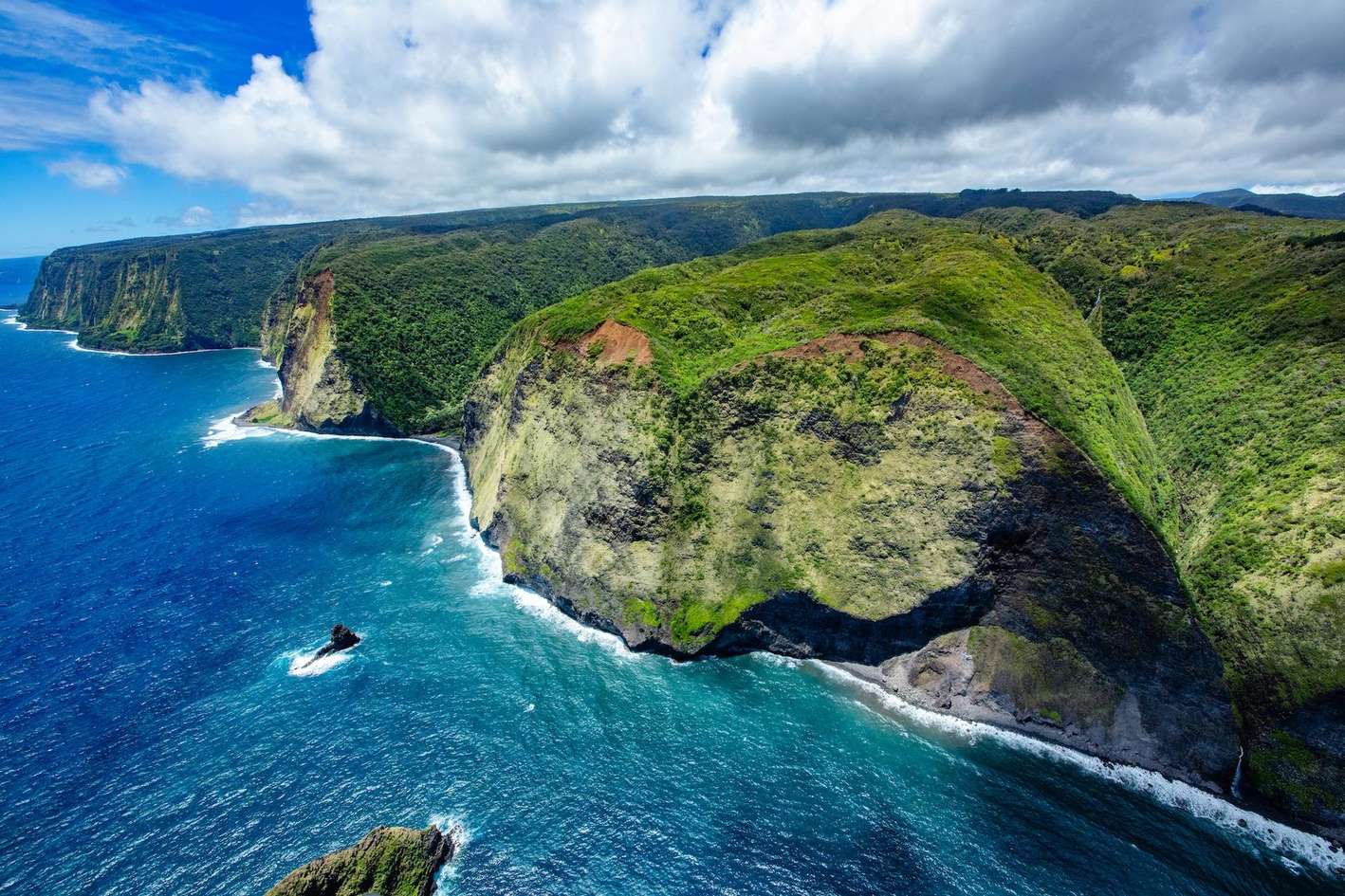
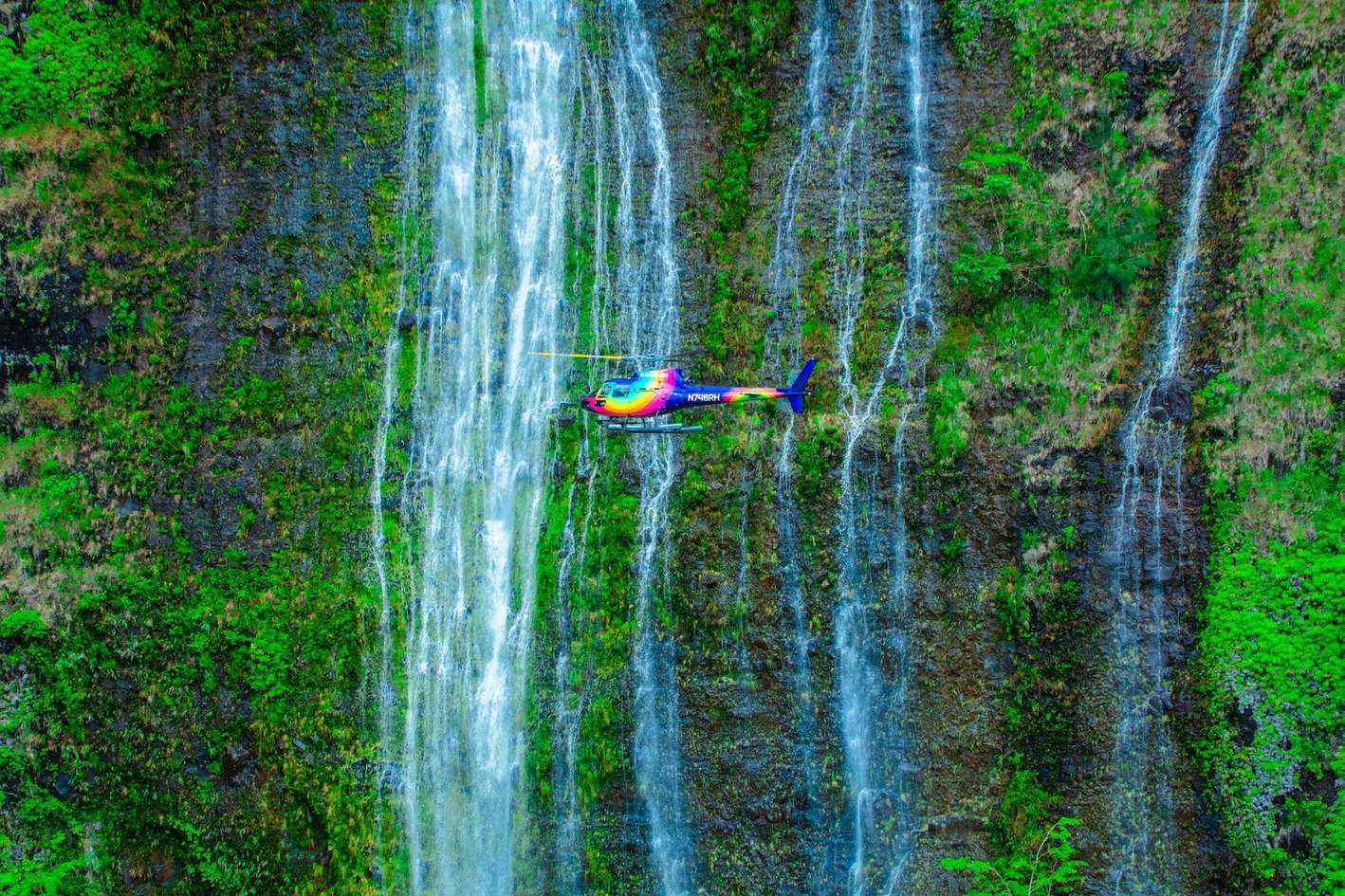
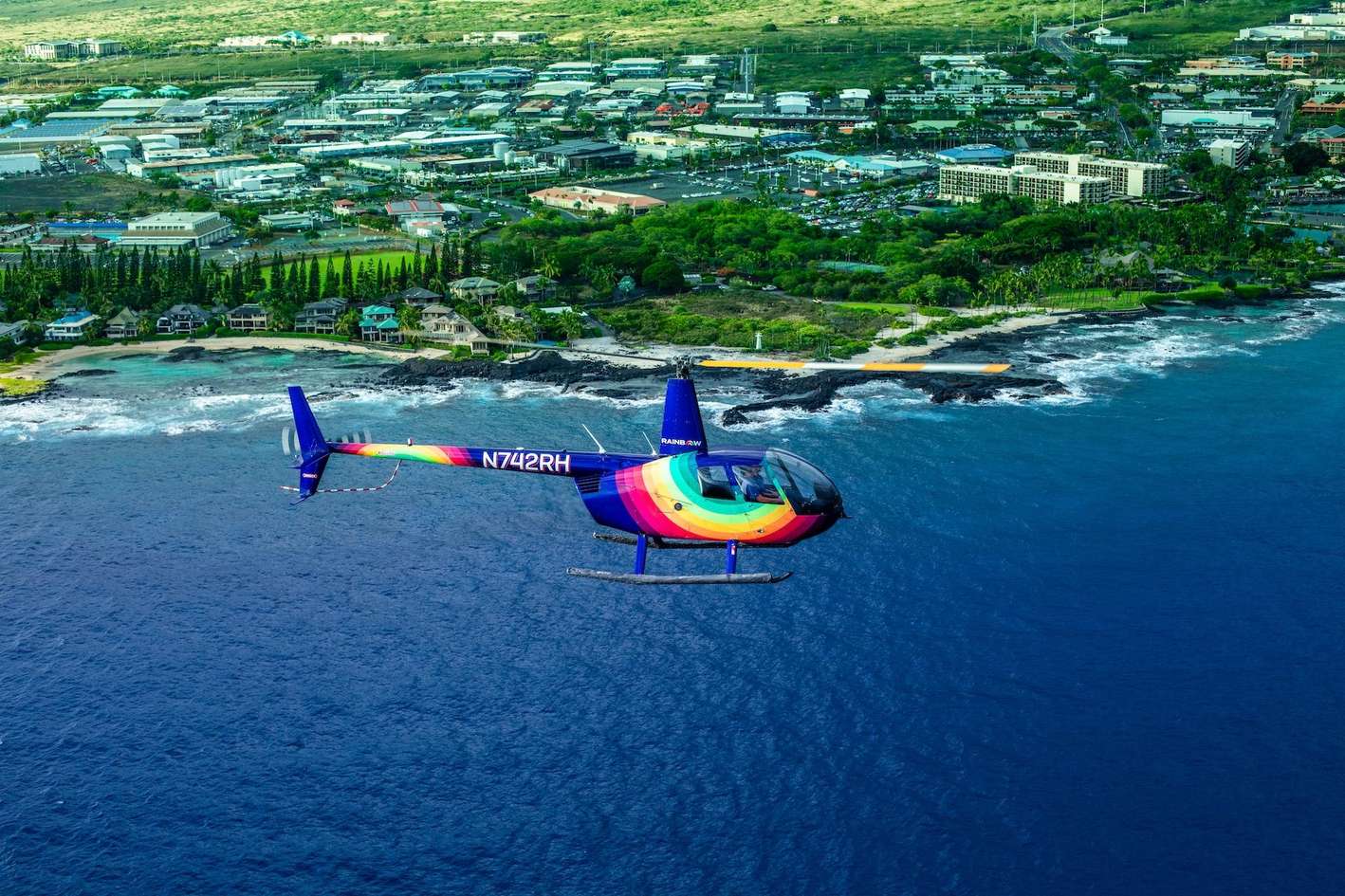
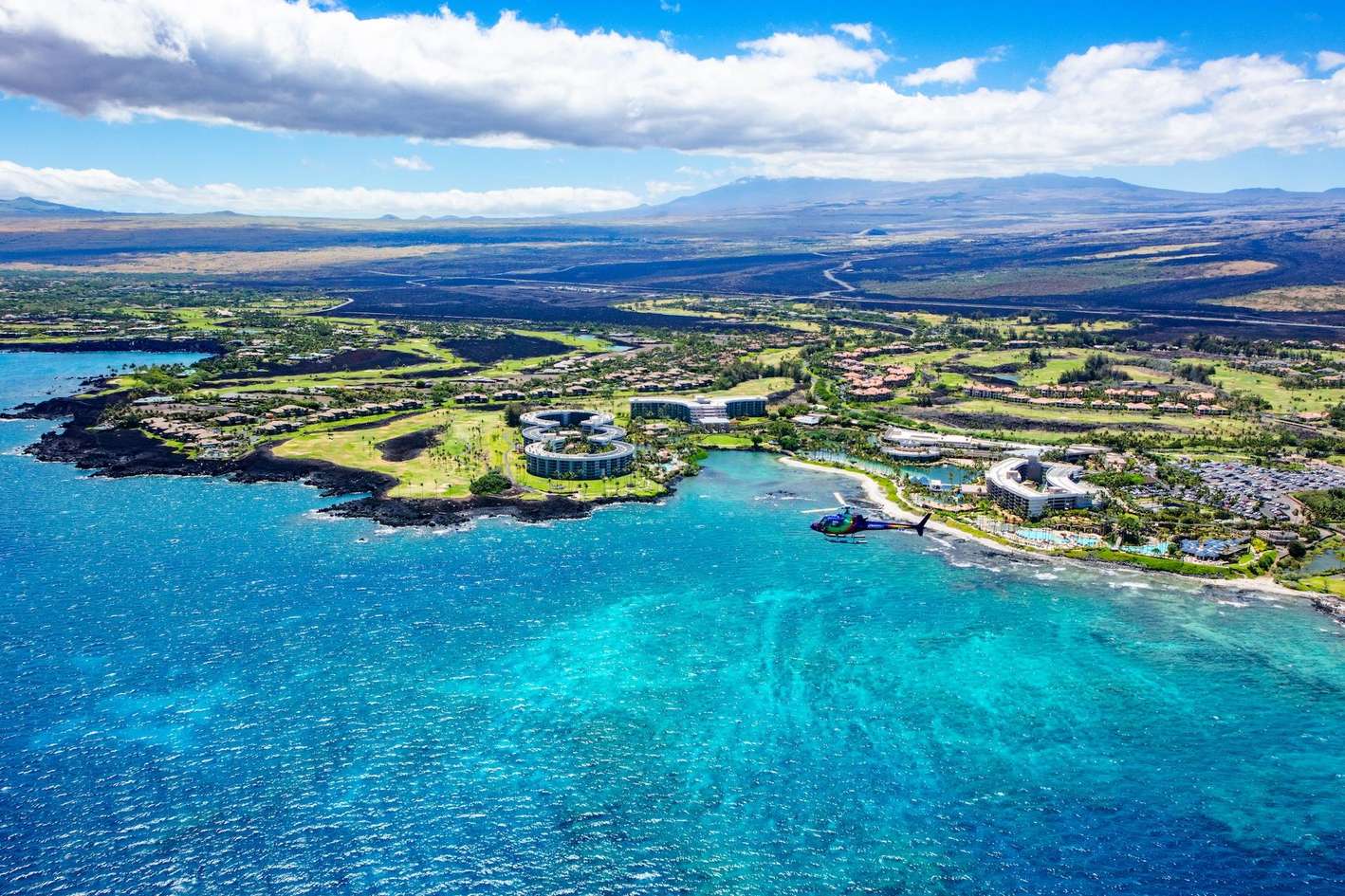
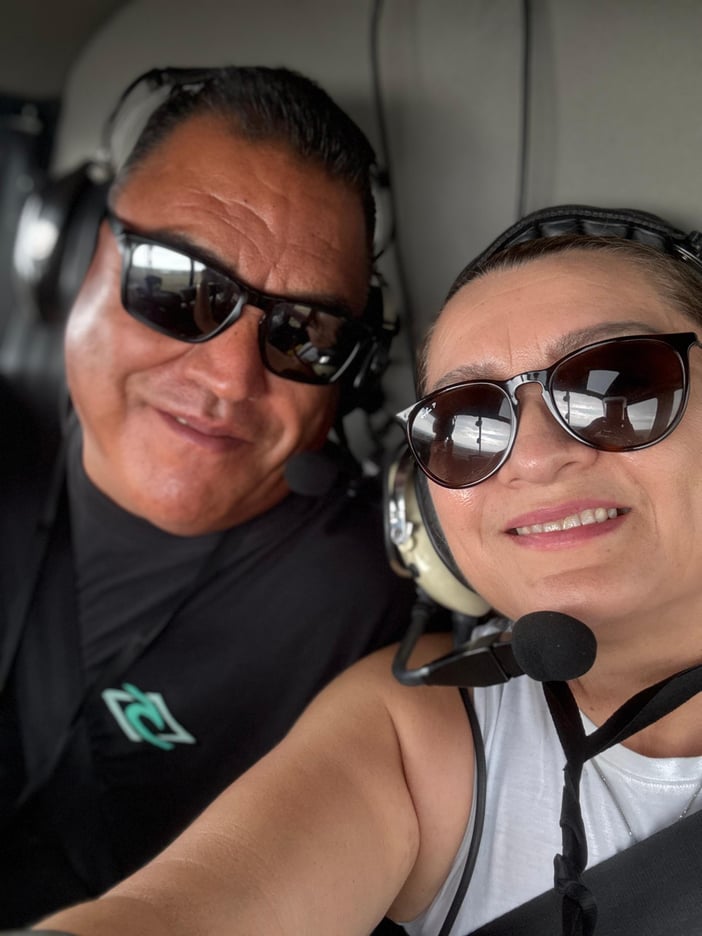
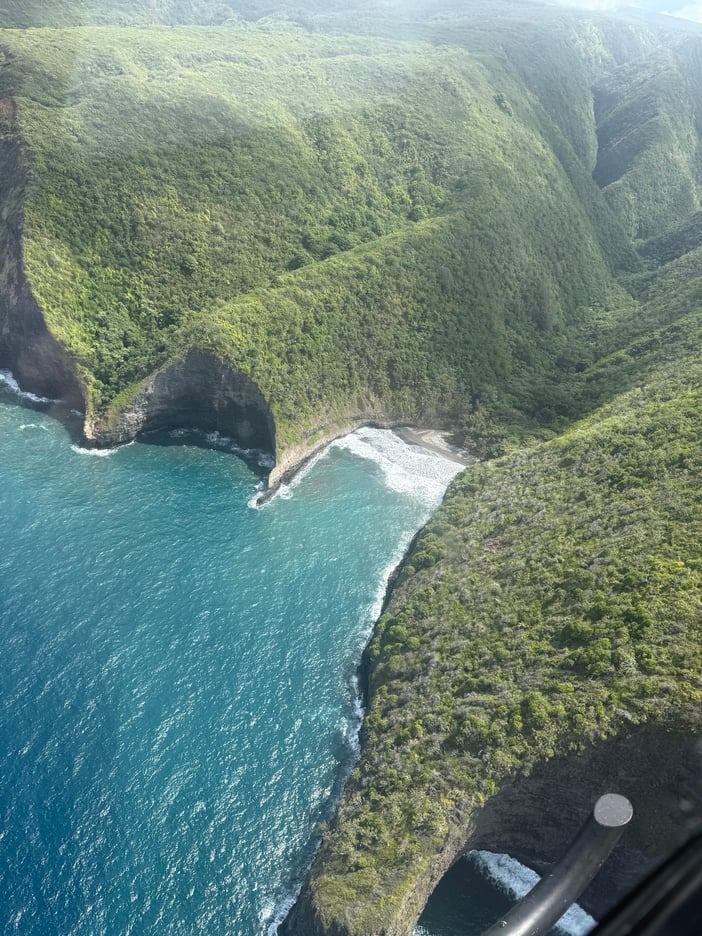
A lap infant flies free on doors-on flights, while doors-off seats carry hard age and weight lines. The chapters below settle every rule in the order you will hit it, so nobody in your party gets turned away at the heliport.
Infants up to 23 months fly free on a parent's lap on doors-on flights; at 24 months every passenger pays for a full seat.
Doors-off flights draw a hard age line, around 12 on the Big Island tours that publish a rule, and 80 to 100 lb minimum weights by aircraft.
A second seat is required over 240 lb on most flights, or when two passengers together exceed 420 lb; one Hilo volcano flight sets its line at 250 lb.
Check-in is 45 to 60 minutes before takeoff, and everyone is weighed discreetly at the desk, so declare honest weights when booking.
Take ginger or motion sickness pills before takeoff; after nausea starts, medication works poorly.
Schedule your dive day at least a full 24 hours before any helicopter tour you book, and place your flight later in the itinerary so one dive cannot cost you a seat.
The rules split cleanly by door. On a closed-cabin family flight, the only line that matters is the infant one: babies up to 23 months ride free on a lap, and from 24 months old every passenger needs a paid seat.
Open-door flights are stricter on every count, because a passenger at an open doorway has to be old enough, heavy enough, and steady enough to sit secured in the wind.
| Doors-on | Doors-off | |
|---|---|---|
| Minimum age | infants under 2 may sit on a lap | about 12, on the tours that publish a rule |
| Infant policy | up to 23 months, free on lap | FAA allows a child under 2 to be held only during taxi, takeoff and landing |
| Minimum weight | none published | 80 lb in a Robinson R44, 100 lb in an Airbus AStar |
| Second-seat line | over 240 lb, or a pair over 420 lb combined | the same lines, checked at check-in |
The weight lines are physics, since pilots need the aircraft balanced to fly it. Check each member of your party against the table before you book anything, because a teenager a year too young for the open-door flight is fine on the closed-cabin volcano flight the same morning.
On paper, the FAA allows a child under 2 to be held on an adult's lap during taxi, takeoff and landing, and doors-on tours on this island run with exactly that rule: an infant under 23 months sits on your lap at no charge.
From the second birthday on, the child needs a full-fare seat like anyone else.
In practice, the honest question is whether a lap flight suits a baby at all. Everyone aboard wears a headset against the engine noise, and your infant gets one too, but the cabin is loud, the takeoff is steep, and there is no walking around.
Parents who have done it say the real test comes around age four or five: if your child tolerates loud mechanical noise, heights, and being buckled in for an hour, the flight works.
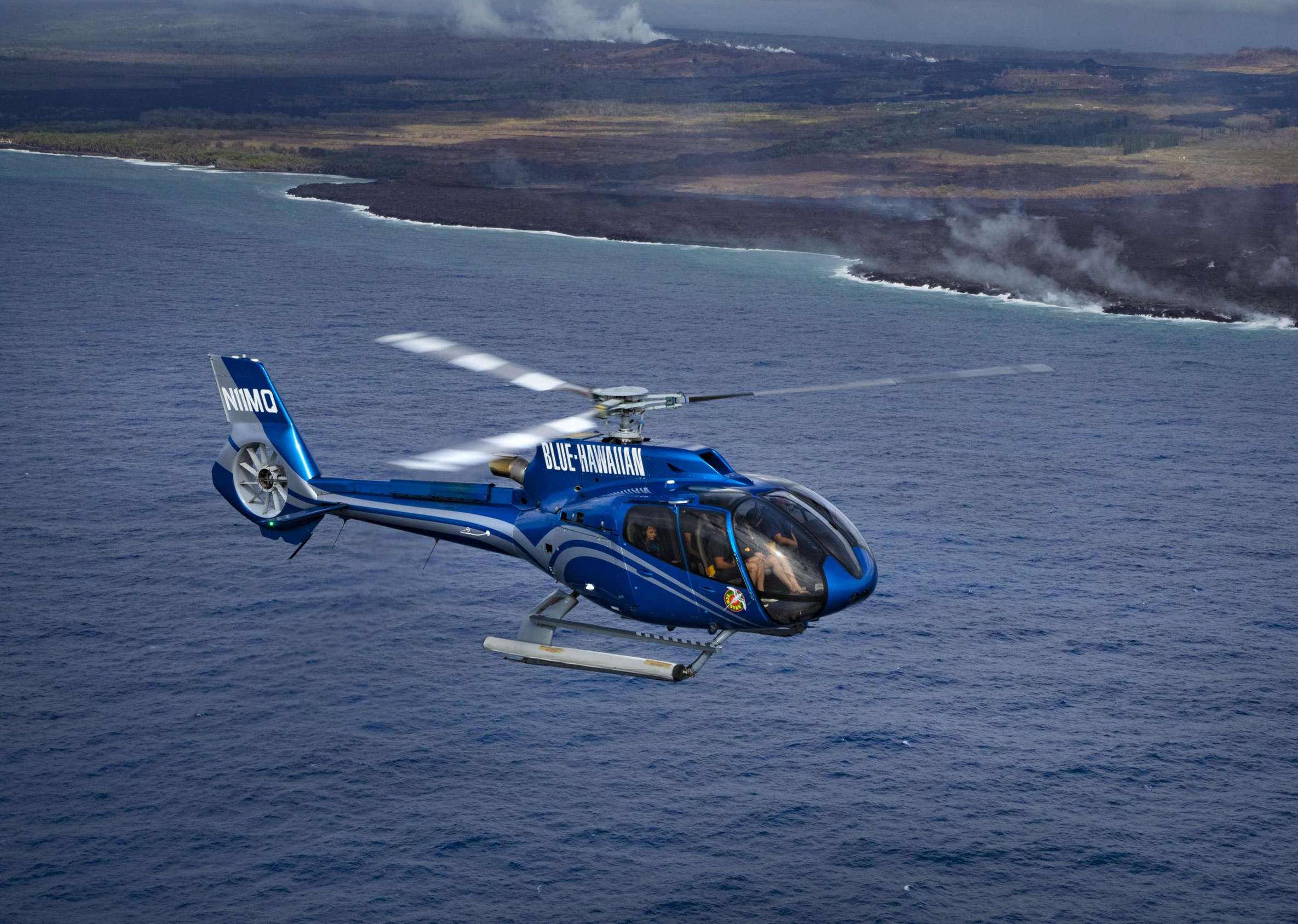
The Hilo: Discover Hilo Helicopter Tour is the short, calm version of the island for a young family: 50 minutes over Kilauea and the waterfalls above Hilo, with noise-canceling headphones and a two-way line to the pilot, so a nervous little one can hear a familiar voice the whole way.
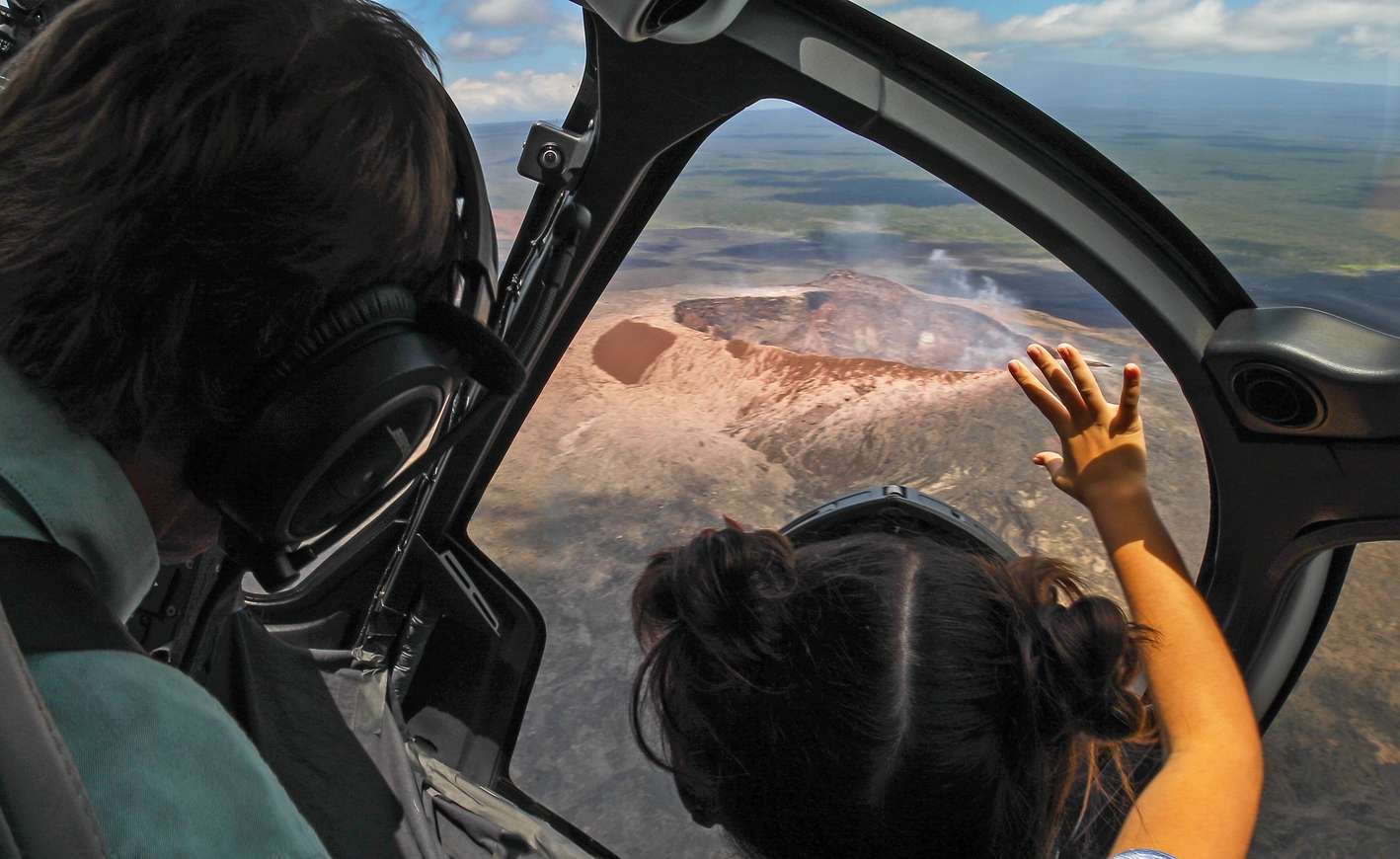
The open-door flight is where the age lines harden.
On the Big Island tours that publish a rule, plan on children being at least 12 to sit next to an open doorway, and on Kauai, where the format also runs, the floor is 10 with edge seats reserved for 16 and up.
The aircraft add their own line: 80 lb minimum in a smaller Robinson R44, 100 lb in an Airbus AStar, because a light passenger strapped at an open door is a balance problem as much as a safety one.
There is also a FAA detail worth knowing: vest-and-harness child restraints are not approved for aircraft, so a small child cannot simply be strapped down in place of meeting the age rule.
The upgrade itself costs extra on top of the base fare, and people who have done it say the fee was worth every dollar for the feeling of the wind and the unobstructed camera angle.
If your group mixes a 12-year-old with a 9-year-old, book the Kailua-Kona: Hualalai Volcano Doors On/Off Helicopter Tour with doors on, or split the group across two flights an hour apart.
Two numbers decide whether someone needs an extra seat. On most Big Island flights, a passenger over 240 lb books a second seat, and so does a pair whose combined weight passes 420 lb.
On one Hilo volcano flight the single line sits at 250 lb, with the same 420 lb rule for two lighter passengers together. Either way, the second seat is charged, so arrange the extra seat right after booking.
The thresholds genuinely differ from flight to flight: the Oahu-to-Big-Island day trip assigns a second seat over 240 lb, while the Hilo volcano flight waits until 250 lb.
Once aboard, nobody picks their own seat. Pilots assign positions from the weighed weights to balance the aircraft, which is why couples are sometimes split. The upside: in a four-seat Robinson R44 every passenger gets an open-view window, and the larger EcoStars put rear passengers in raised, theater-style seating.
Front seats are not always the prize people assume, since the straight-down view through the bubble glass is a lot for anyone uneasy with heights.
The weigh-in people dread never happens the way they imagine it. Every passenger steps on a scale at check-in, but the scales sit discreetly behind the desk, staffed so your number is not announced to the hangar, and the figure goes straight into the pilot's balance calculation without commentary.
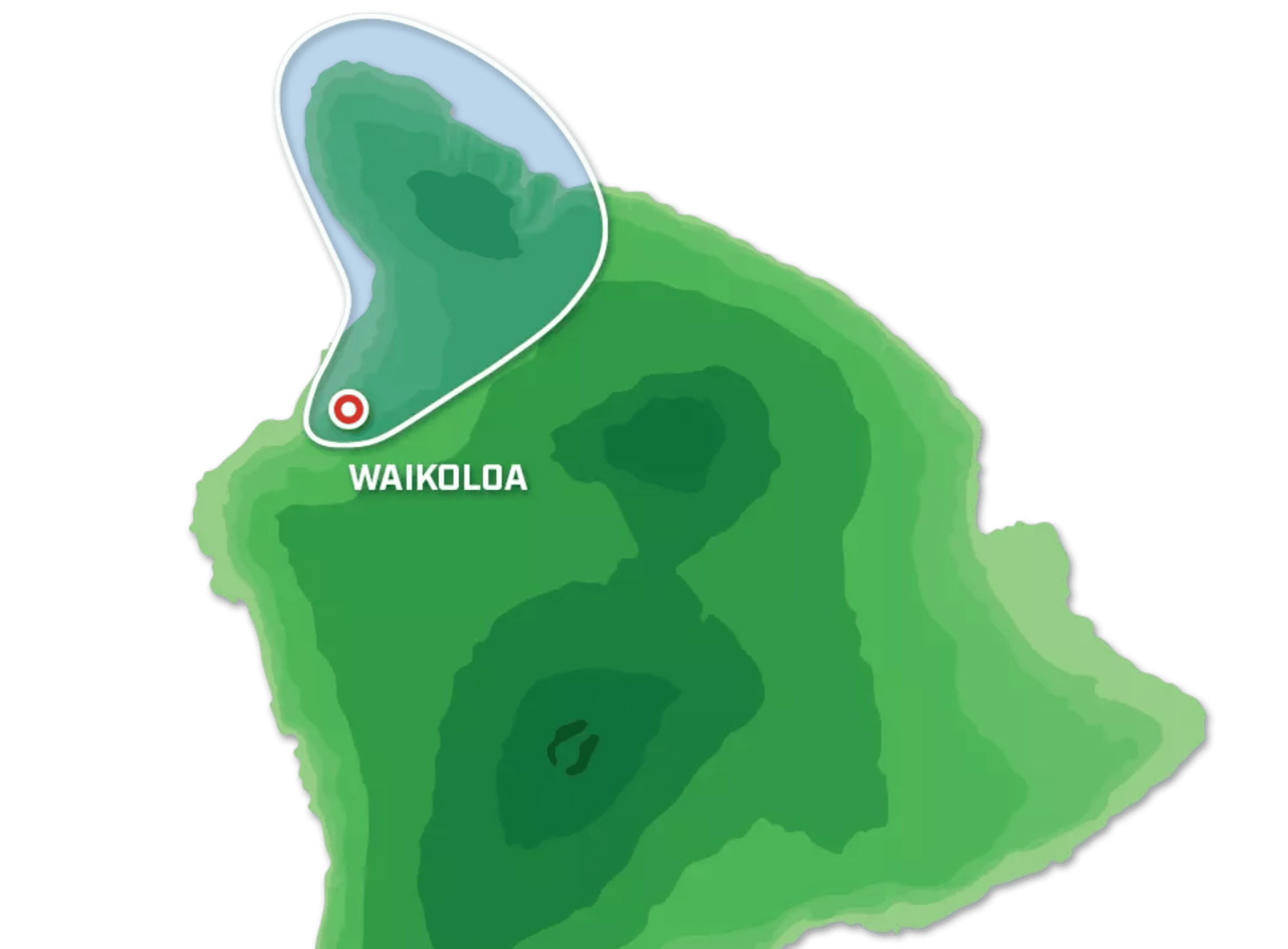
Arrival times are the part that can actually sink a booking. Plan on 45 minutes before a Hilo flight and 60 minutes before Waikoloa or Kona, and one Hilo operator simply requires a full hour. Late arrivals can be turned away with no refund, because the weight plan and the safety briefing are already locked.
If your weight has changed since you booked, say so quietly at the desk. Pilots adjust the balance sheet in seconds, and a fresh number beats a passenger trying to hide it with a heavy jacket in their pockets.
The declared weight you enter online is an estimate; the scale is the truth, and it is handled politely either way.
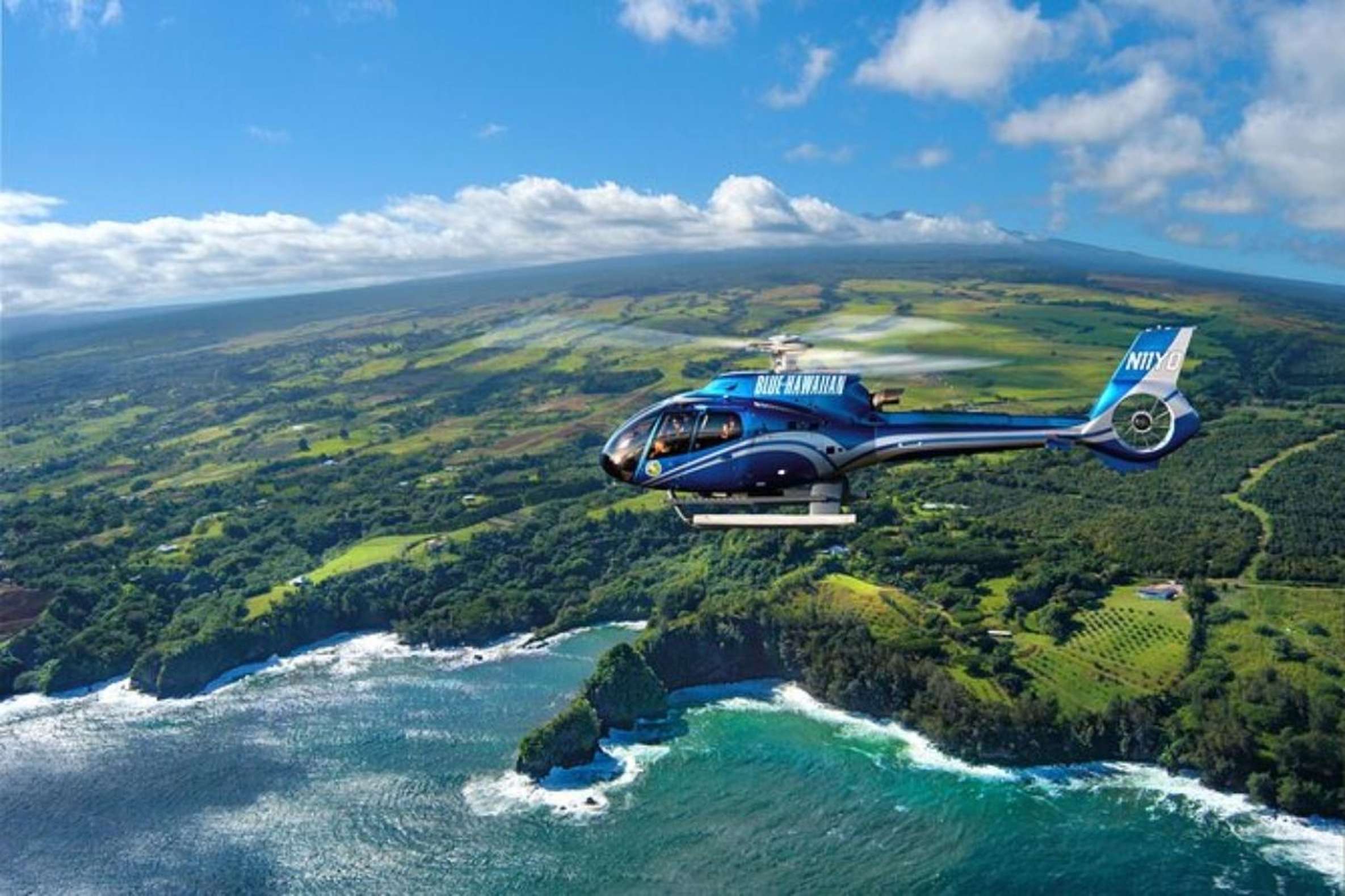
Age and weight get all the attention, but the medical exclusions deny boarding just as surely.
A fresh scuba dive is the one that catches travelers off guard: no helicopter flight within 24 hours of diving, because the lower cabin pressure raises the risk of decompression sickness. A morning dive off Kona means the flight waits until the next day.
Several tours also list conditions that rule them out outright: vertigo, claustrophobia, a current cold or flu, pregnancy, and anyone unable to sit upright for the whole flight.
One Hilo volcano flight lists all of these exclusions in its own terms, so check the rules on the exact tour before you book, because they differ from operator to operator.
None of this is arbitrary. A caldera flight banks and climbs, cabin pressure changes, and a blocked ear on descent is miserable at altitude. If someone in your party carries a condition on the list, choose a tour whose rules they pass, because hoping for an exception at the briefing rarely works.

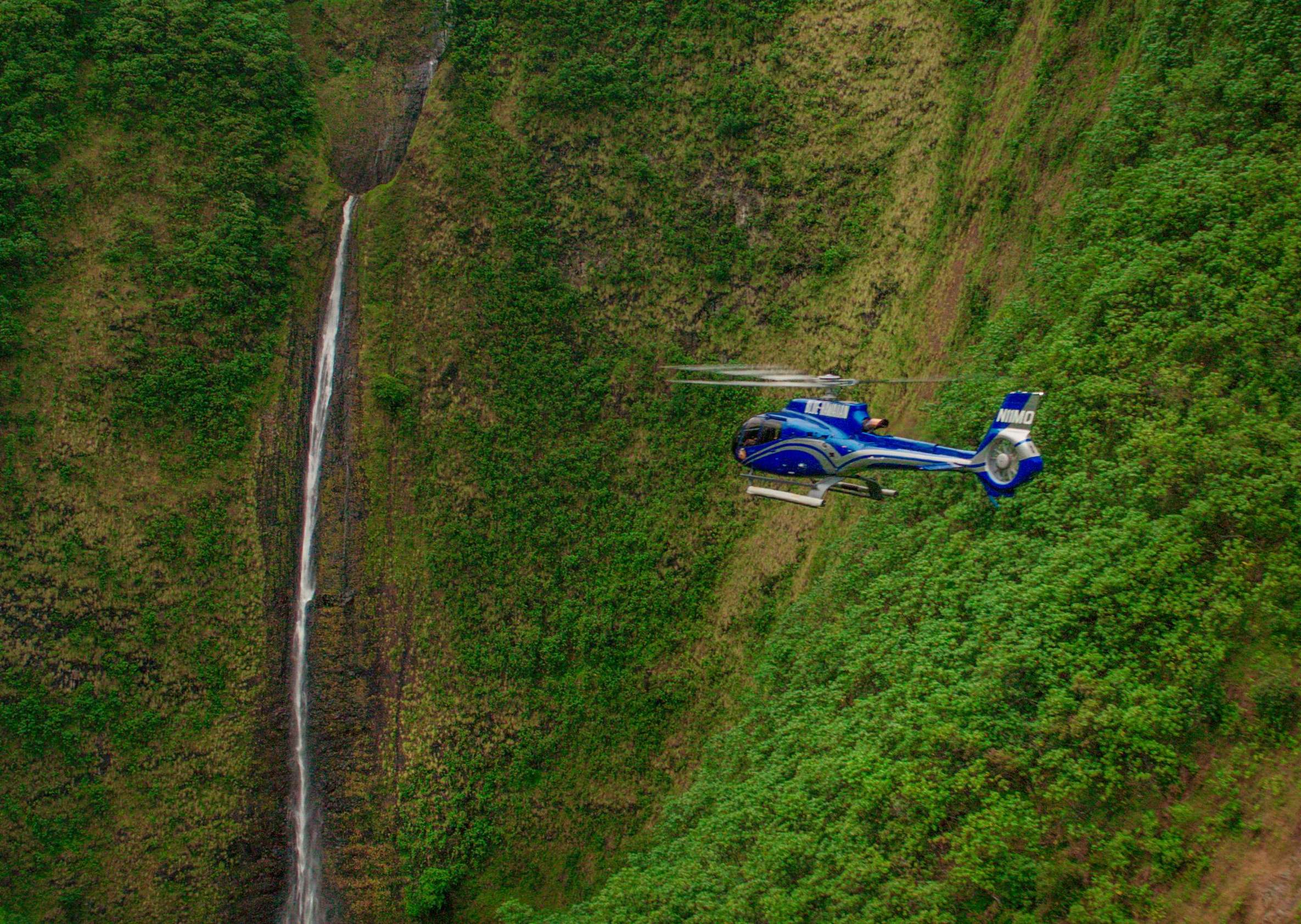
For most people, no. Helicopter flights are smooth by nature, and plenty of travelers who get sick in cars and on boats feel nothing in the air.
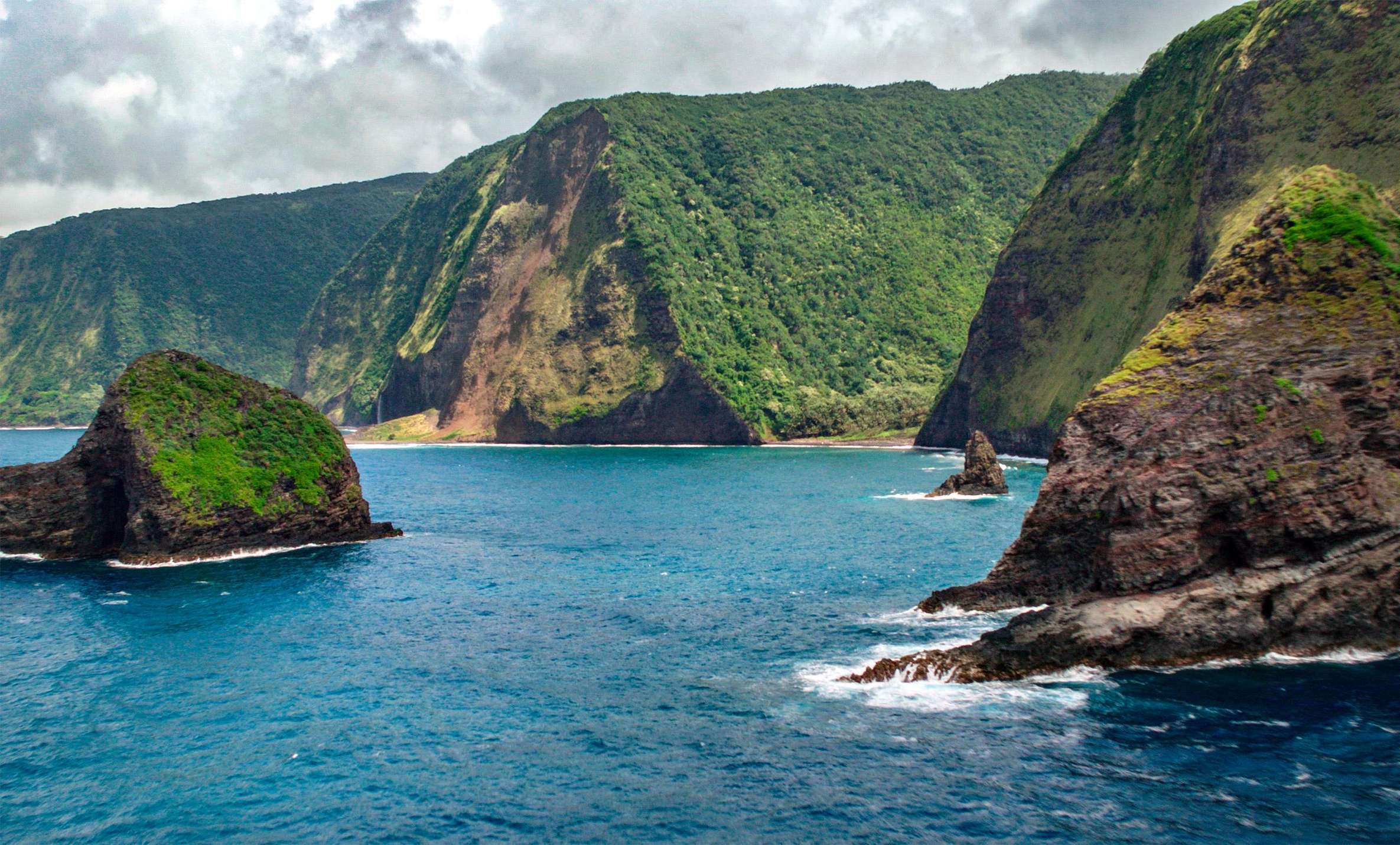
The moments that can turn a stomach are the tight banking turns over the Kohala valleys and the circling over a caldera, where mountain updrafts and trade winds push the aircraft around a little.
Timing decides most of it. Afternoon flights over inland lava fields hit the strongest thermal bumps, roughly from 1 to 5 pm, while morning departures fly through calmer air. Book the 8 to 11 am slot and you remove the biggest cause before you board.
Medication works only before the symptoms do. Take ginger chews or a non-drowsy remedy before takeoff, since a queasy stomach absorbs pills slowly; a scopolamine patch needs 8 to 16 hours of lead time.
In the air, keep your eyes on the horizon, limit rapid head movements, and skip the in-flight reading. If motion sickness is severe, mention it at the desk: ground staff can sometimes steer you to a forward seat, where an unobstructed horizon does most of the curing.
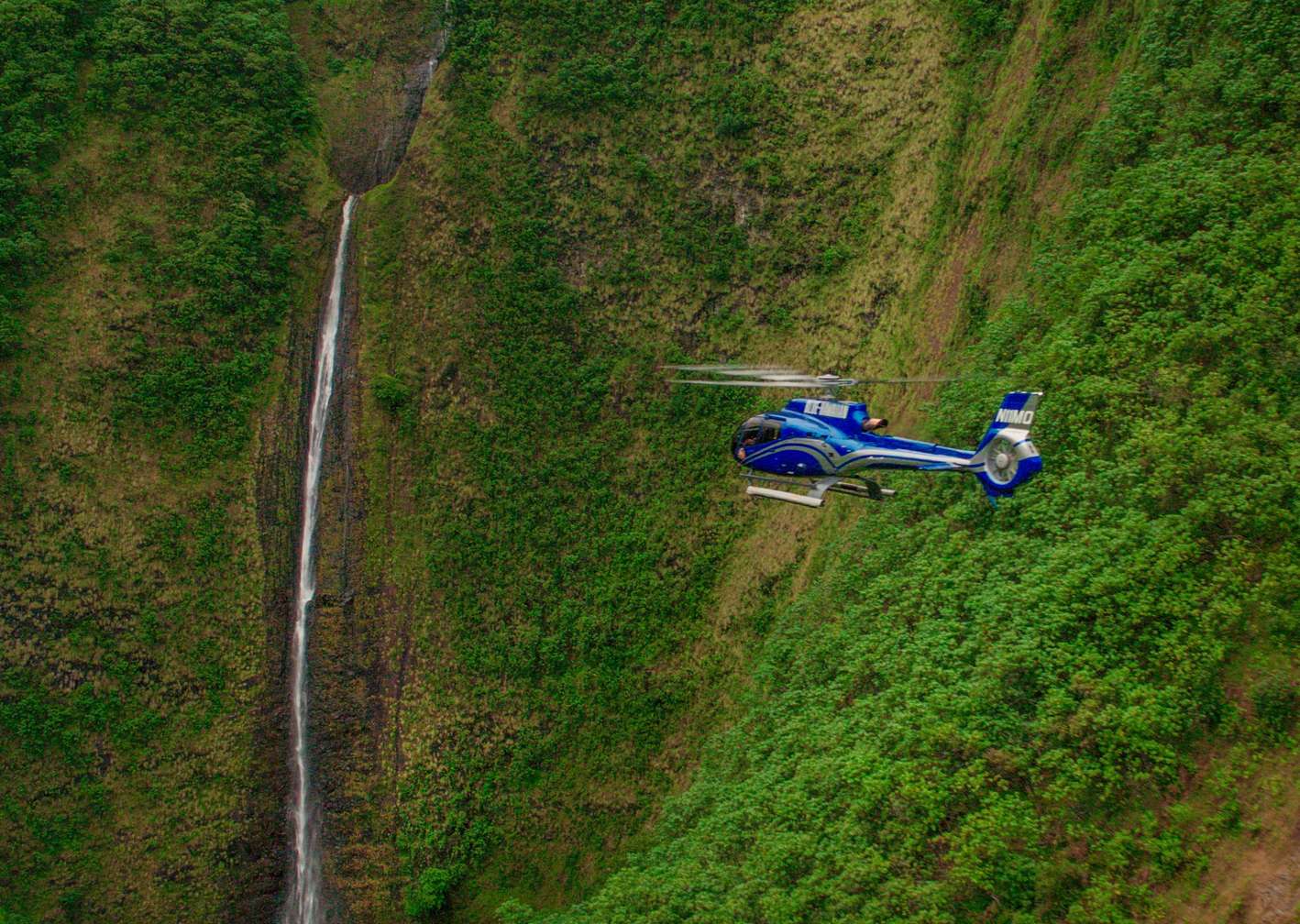
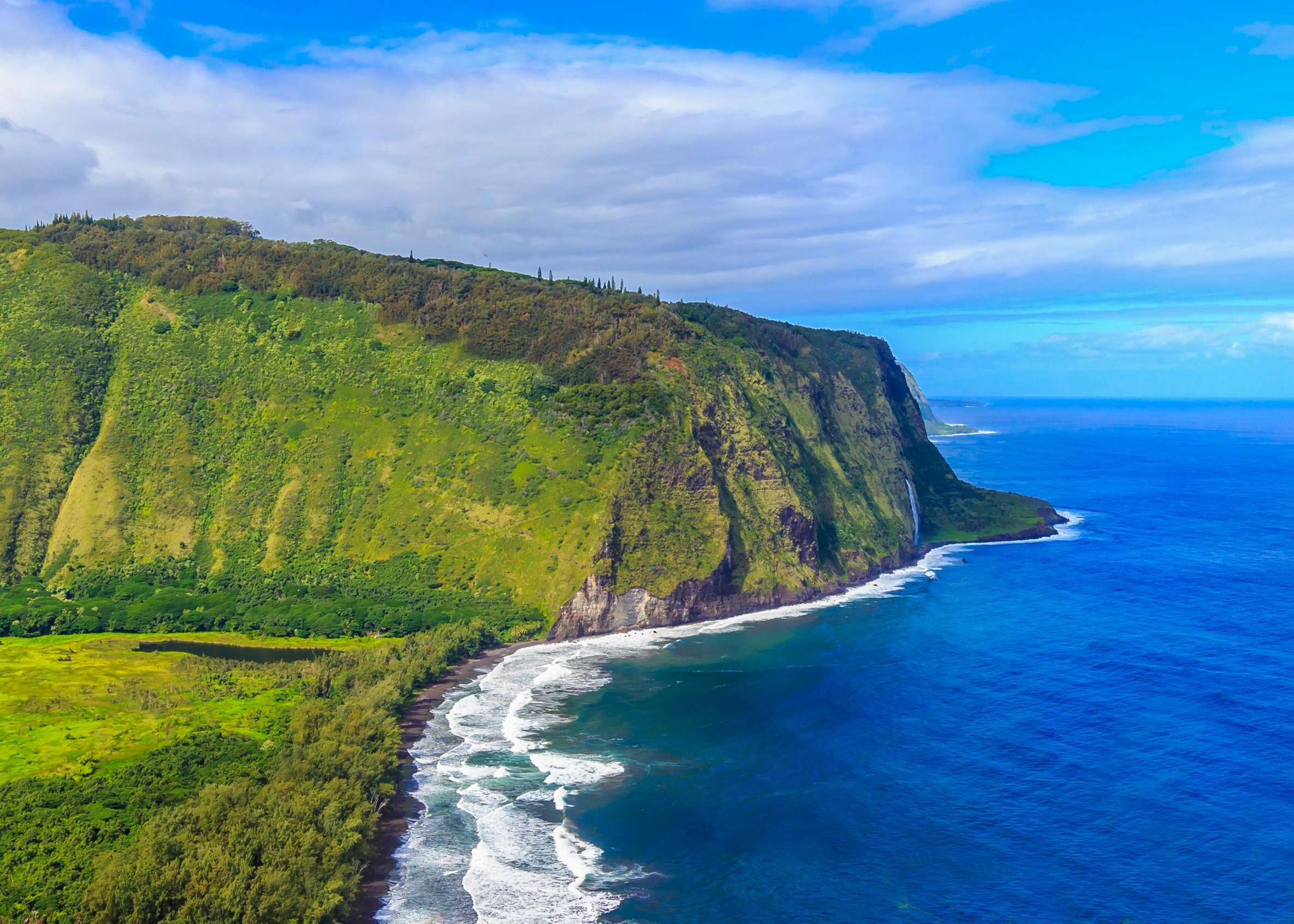
Doors-on and doors-off flights dress differently, and the tarmac crew enforces both. A closed cabin is climate-controlled, so casual clothes are right and a heavy jacket will cook you; the only ask is a dark top, so your shirt never ghosts into the window glass of your photos. It is a recommendation.
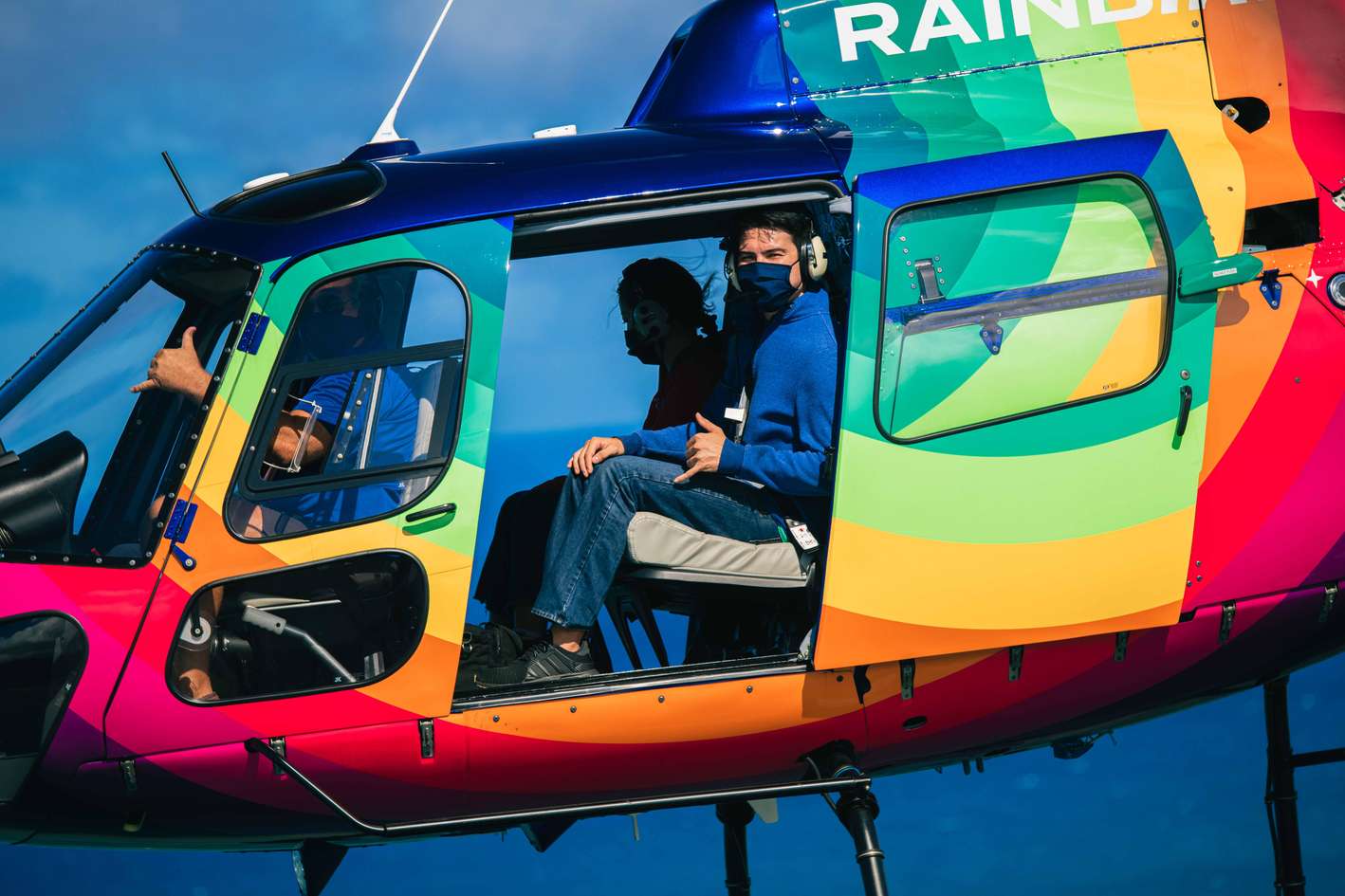
Open-door flights are another climate entirely. Cabin temperatures run 10 to 15 degrees cooler than the ground, up to 20 over high ridges, and the wind does the rest. Long pants, a zippered windbreaker, and closed-toe shoes with secure backs are required, and flip-flops, hats, scarves, skirts, and anything loose that can fly stay behind.
Long hair goes back in a tie, and any phone or camera must wear a wrist or neck strap for the whole flight. Sunglasses are fine, because the headset holds them.
The Kona doors-off tours hand out straps and cases for phones at check-in, which saves one purchase, but pack the jacket yourself; a freezing passenger at 3,000 feet spends the flight wishing they had.
Getting into a tour helicopter means a few portable stairs and a crouch under the turning rotor, and that is the part that decides whether a traveler with new knees or a wheelchair can fly. The good news is that both Big Island airports have worked this problem for years, provided you ask ahead.
At Kona International Airport, aircraft board from ground level, and passengers with mobility impairments can arrange a boarding lift, with skycaps available to help at the gate both on and off. Contact your airline in advance so the lift and the help are waiting.
At Hilo International Airport, the path runs differently: escalators or an elevator take you up to the second-level gates, and aircraft board there through level-entry loading bridges, so there are no stairs at the aircraft at all. Hilo airlines provide skycap porter service the same way, on request.
The one rule that holds everywhere is timing. Assistance is arranged, not improvised, so make the call when you book the flight, not the morning of it.
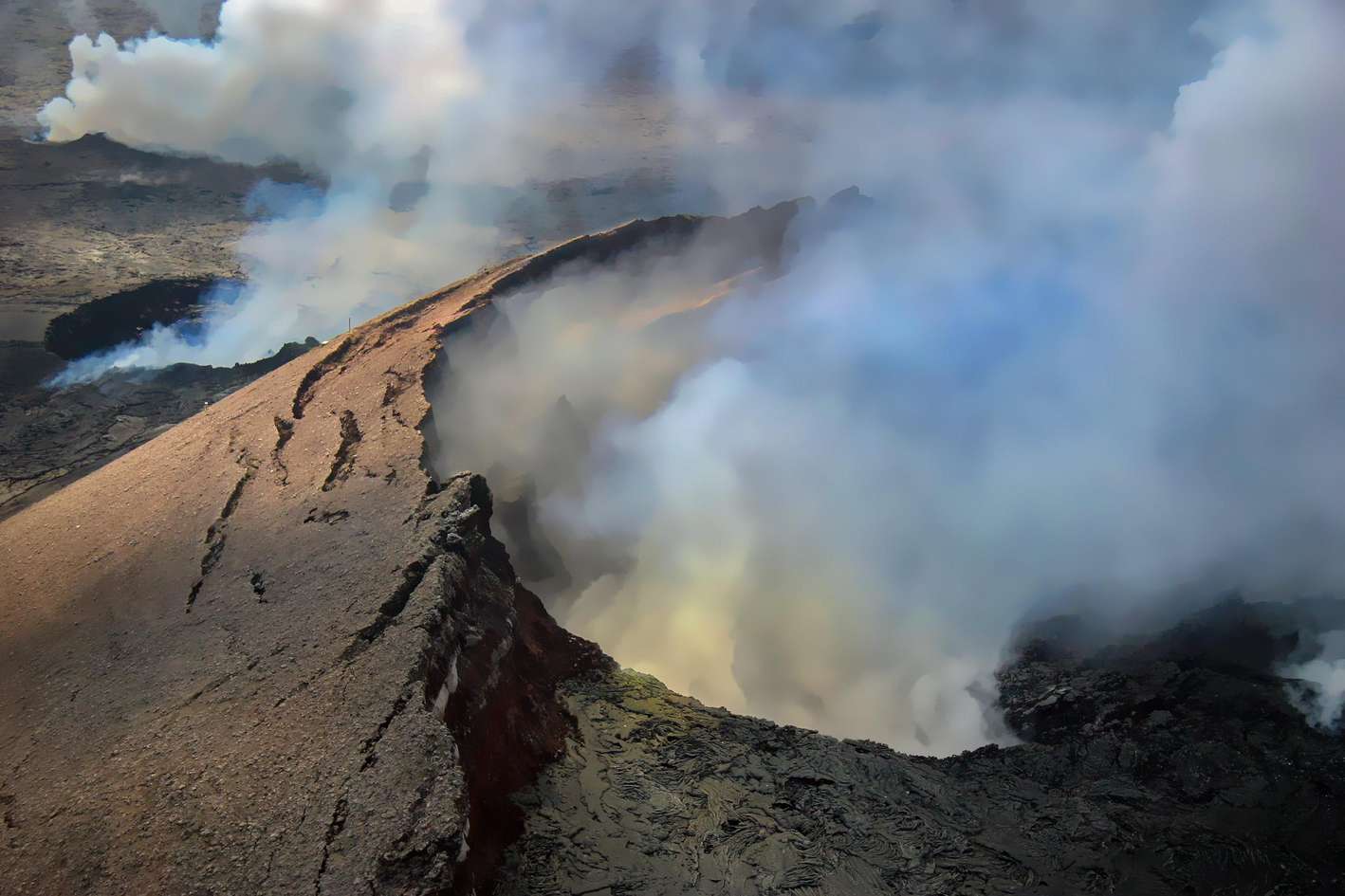

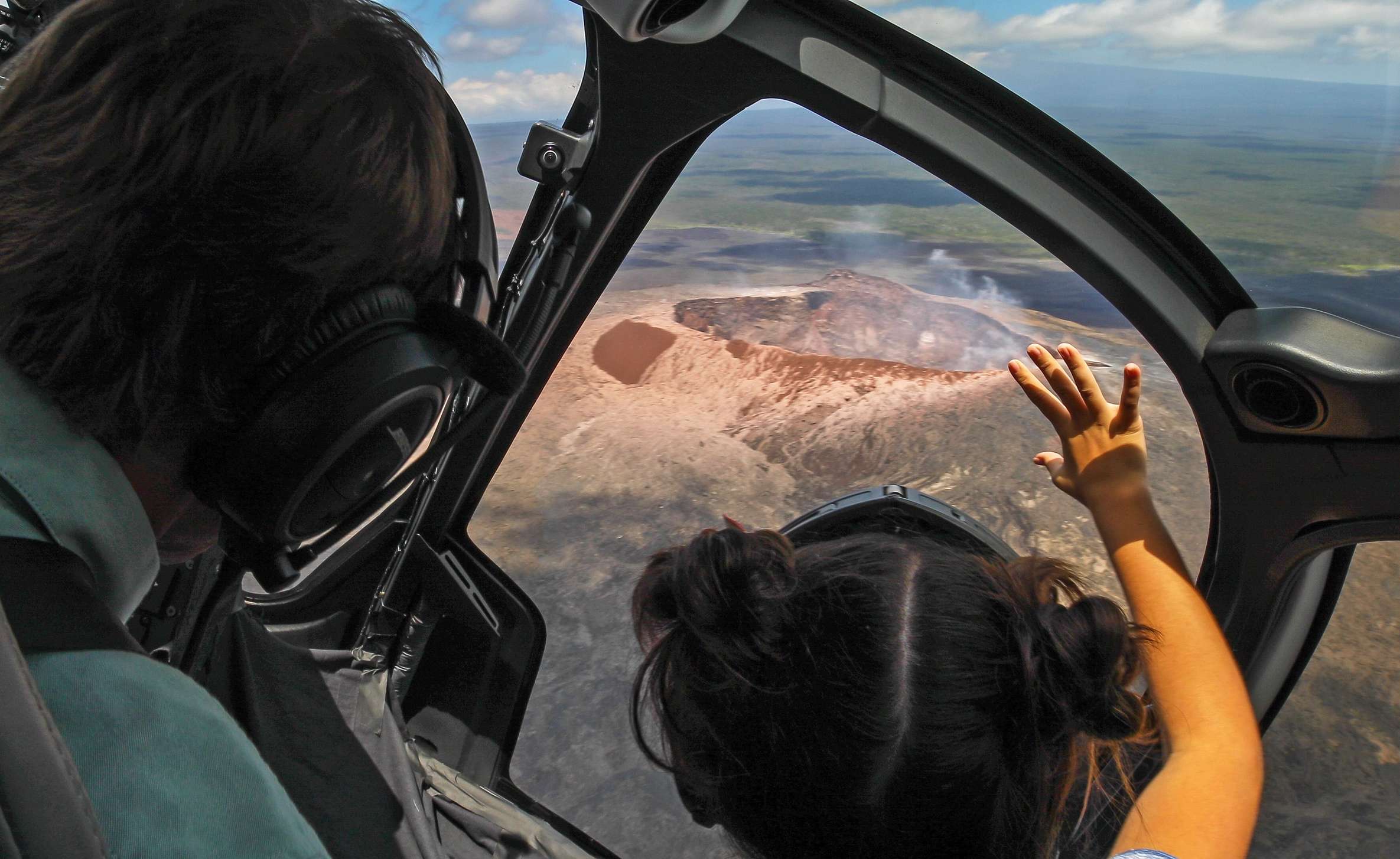
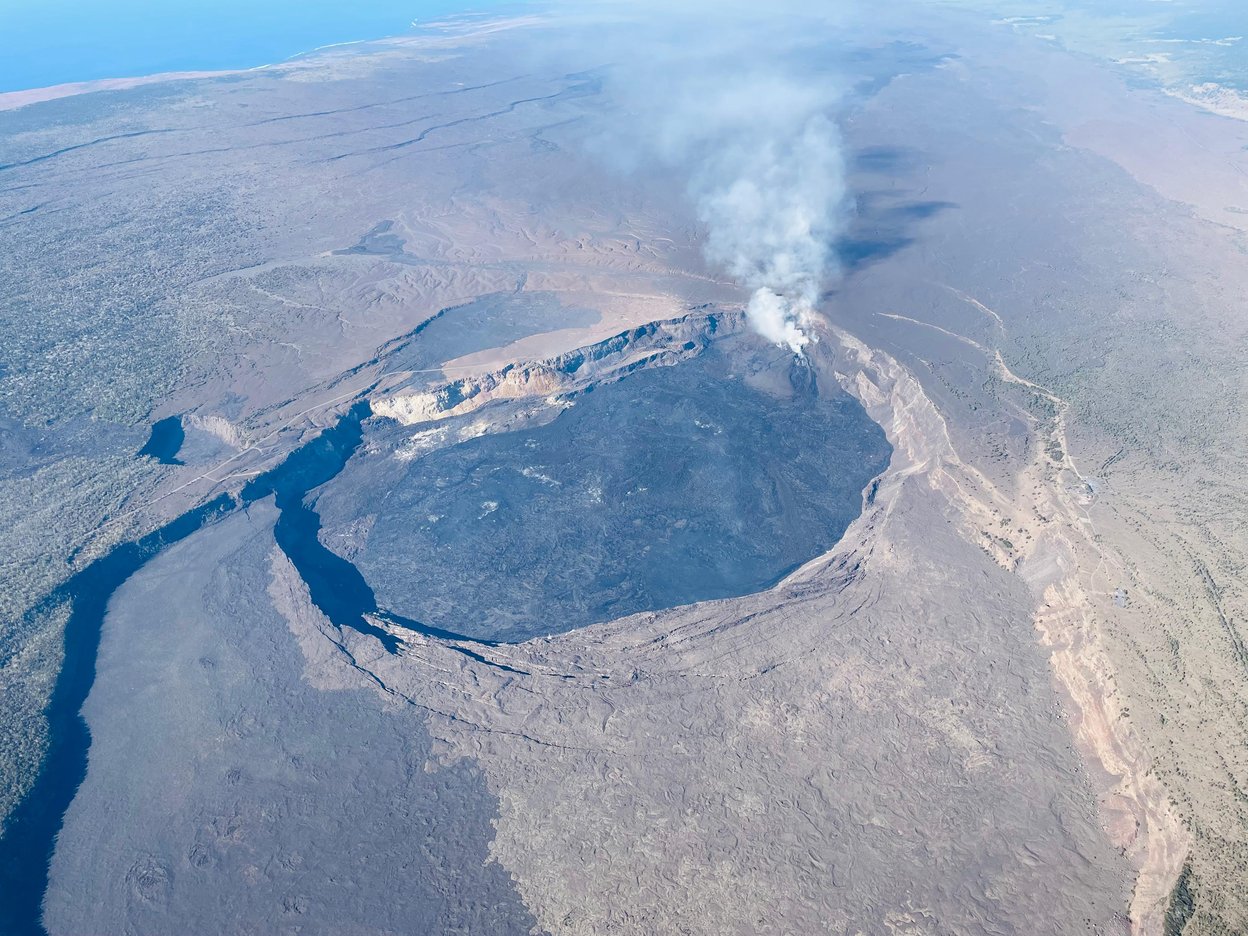
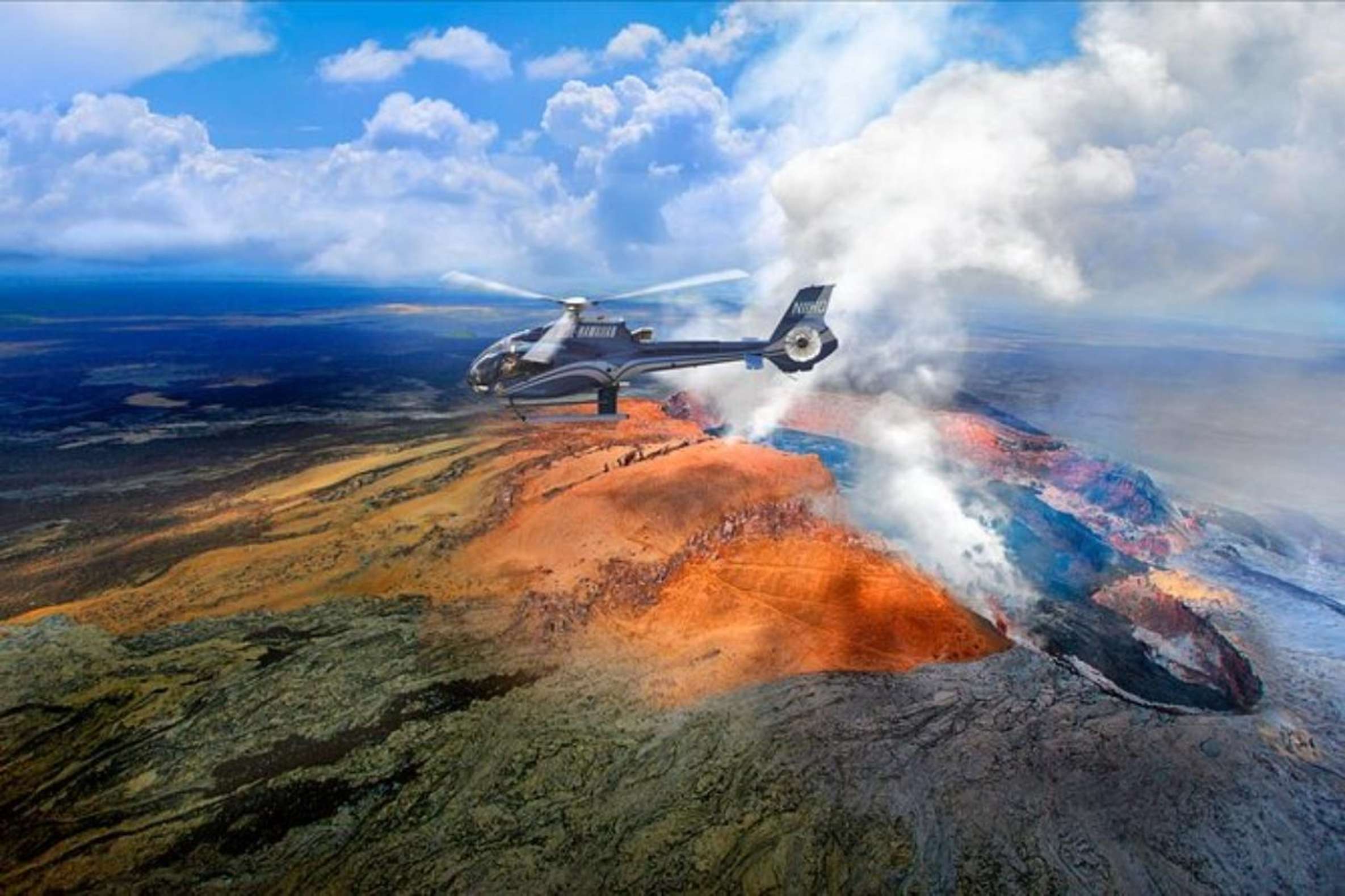
People who fly in a quiet stretch give an honest answer: you will not see molten red lava. Kilauea erupts in short windows, and between them the flight shows steam vents, vast crater formations, and miles of hardened black flows from earlier eruptions, which some travelers find repetitive after the first twenty minutes.
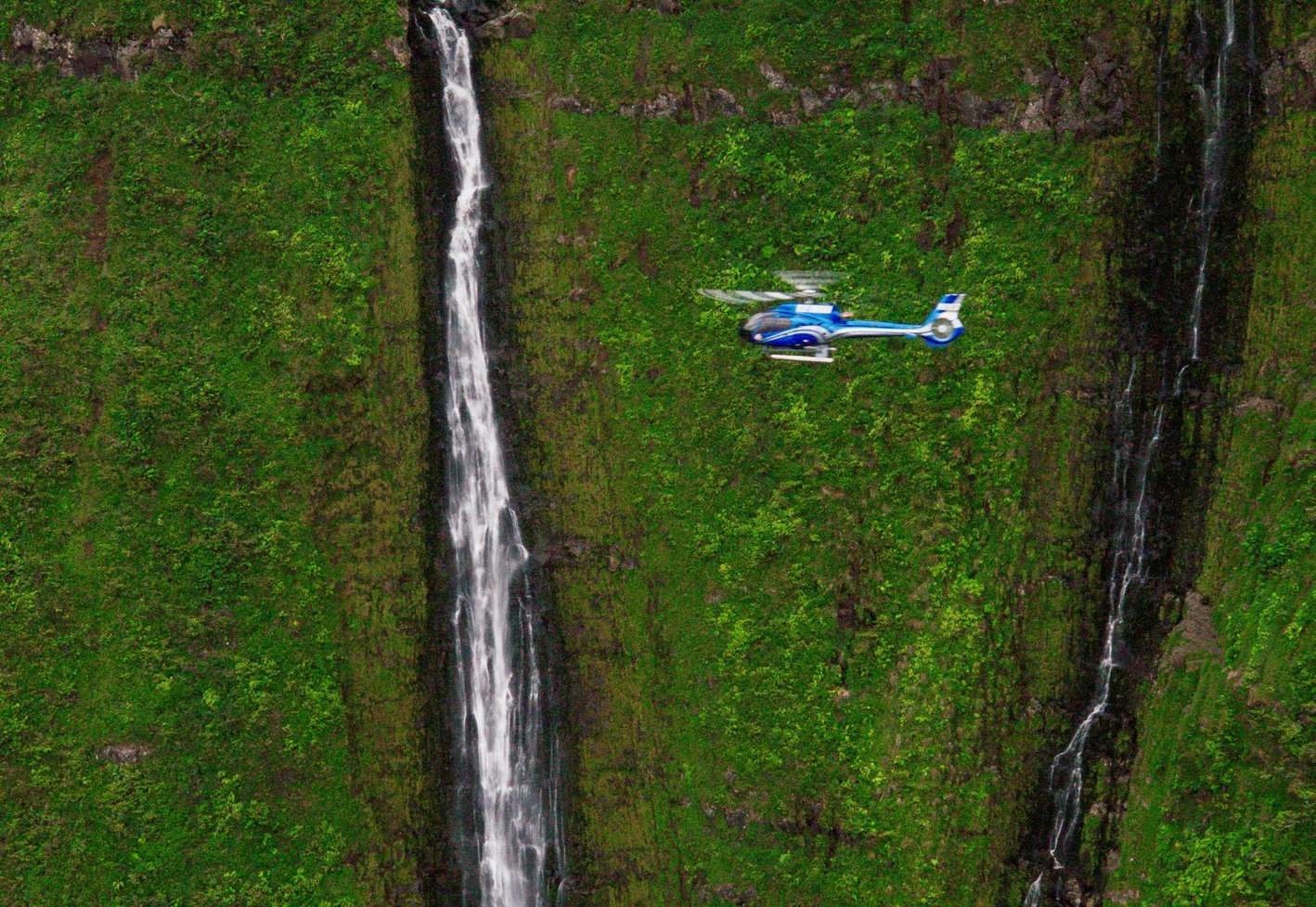
Most visitors still call the flight worth it, and their reasons are specific. The island's roadless terrain is the real draw: waterfalls dropping into ravines you cannot reach on foot, the deep green valleys of the Kohala coast, and the strange, recent landscapes the 2018 eruption left behind.
On quiet-volcano days, many people say the Kohala valleys and waterfalls upstage the craters entirely.
It also compares well against the other islands. The Big Island is the only one in Hawaii where volcanic terrain can be seen from the air at all, and if you have already flown over Kauai's cliffs or Maui's valleys, a volcano flight adds something neither one has.
Just book it knowing what a quiet day looks like, and pick a route with valleys on it.
The Hilo side lives with rain, and pilots cancel or reroute rather than push into low cloud.
When vog or cloud blocks the crater, flights often swing toward the windward coast instead, where older lava flows and rainforest waterfalls run hard after a shower. A changed route still flies; only a grounded flight costs you the day.
Your money depends on who cancels and why. A weather cancellation earns a full refund or a free reschedule on most flights, but read the terms: one operator refunds nothing for a changed route, shortened flight, or swapped sights, while another refunds in full if it moves your tour to a day you cannot make.
September: 5 out of 5 for how busy it gets.
Tap a month to read it.
The calendar matters as much as the policy. Peak summer and the December holidays sell out two to four weeks ahead, with prime morning slots often gone six weeks out.
Book the first or second morning of your trip, not the last day: buffer days absorb a cancellation, and an early flight hands you an aerial map of the island for everything you plan by land afterwards.
| If this happens | What happens then |
|---|---|
| Low clouds or vog close the crater route | pilots reroute to coastal lava flows and waterfalls; one operator gives no refund for a changed route or flight time |
| The operator cancels for weather | a full refund or a free reschedule |
| You cannot make the rescheduled slot | one operator refunds in full if it moved you to another day you cannot attend |
| Prime morning slot in peak season | book two to four weeks out, up to six weeks for the best mornings |
That last row is the one to act on. A slot booked six weeks out for your first morning costs nothing extra in stress, and it buys the buffer days that turn a weather cancellation into a new date rather than a lost experience.

A Hilo morning flight pairs naturally with the rest of the east side, because everything worth seeing sits close together.
Hawaii Volcanoes National Park lies about 45 minutes from Hilo airport, so a volcano flight followed by an afternoon on the crater rim is an easy same-day plan, and it saves the two-and-a-half-hour drive from Kona.
Back in town, the sights cluster within ten minutes of each other. Rainbow Falls, an 80-foot falls in Wailuku River State Park, sits 1.5 miles from downtown, and the Boiling Pots river pools lie two miles upriver, so both fit in one 45-minute outing.
Akaka Falls, at 442 feet on a paved half-mile loop, waits about 25 minutes north.
Between them, the free Japanese gardens on Hilo Bay, the farmers market that opens at 7 am, and the lava tube at Kaumana Caves fill an afternoon without any driving to speak of.
That is the pattern regulars follow: fly early while the air is calm, watch the island assemble itself below you, then spend the rest of the day touching the places you just saw from above.
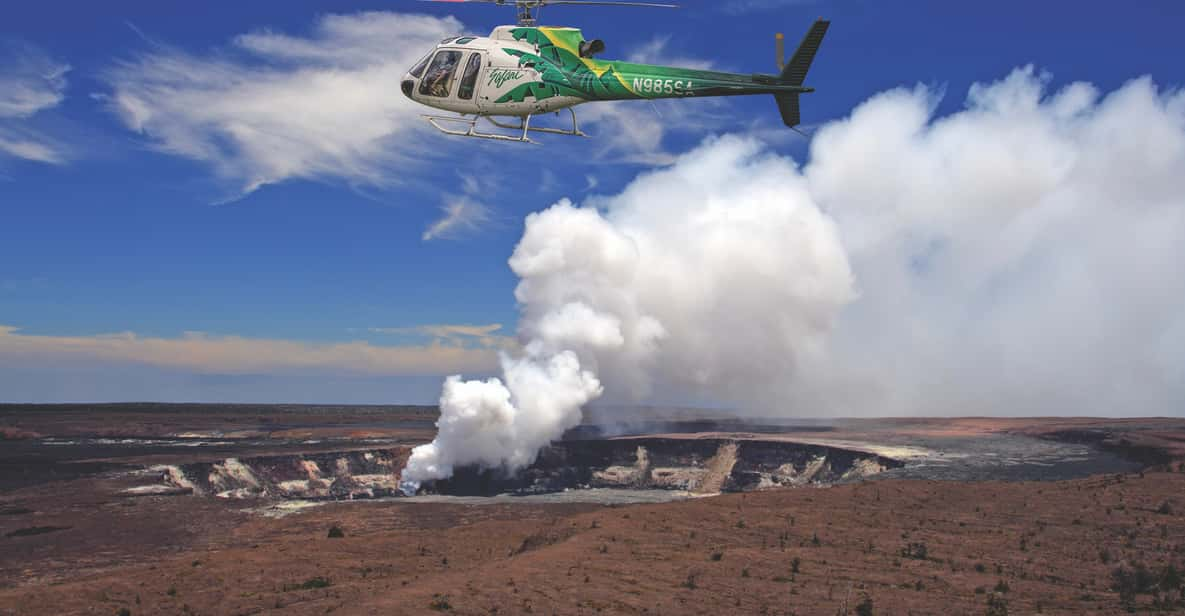
Book a morning slot early in your stay, dress dark and closed-toe, and take your ginger before takeoff. Meet those lines and there is no reason a family of nearly any age cannot share the flight.
See how flights over Kilauea and the park work, from Hilo or Kona, and what eruption season adds.

Staying on Oahu? Compare full-day volcano trips that fly you over and back from Honolulu.
Find out where the Kona departure terminals sit and how early to arrive with your kids for check-in.
Sort the west-side flights by route and duration to match the ages in your group.

Hilo departures sit closest to the volcano, and these flights suit families wanting shorter time aloft.
Worried about flying with children? Read the crash record and the rules that govern every Hawaii air tour.
Deciding if the flight earns its cost? Compare island scenery and when a tour is worth booking.

Work out the full cost per seat, including the second seat rule for heavier passengers.
Quick answers on age limits, weight rules, and staying comfortable in the air.
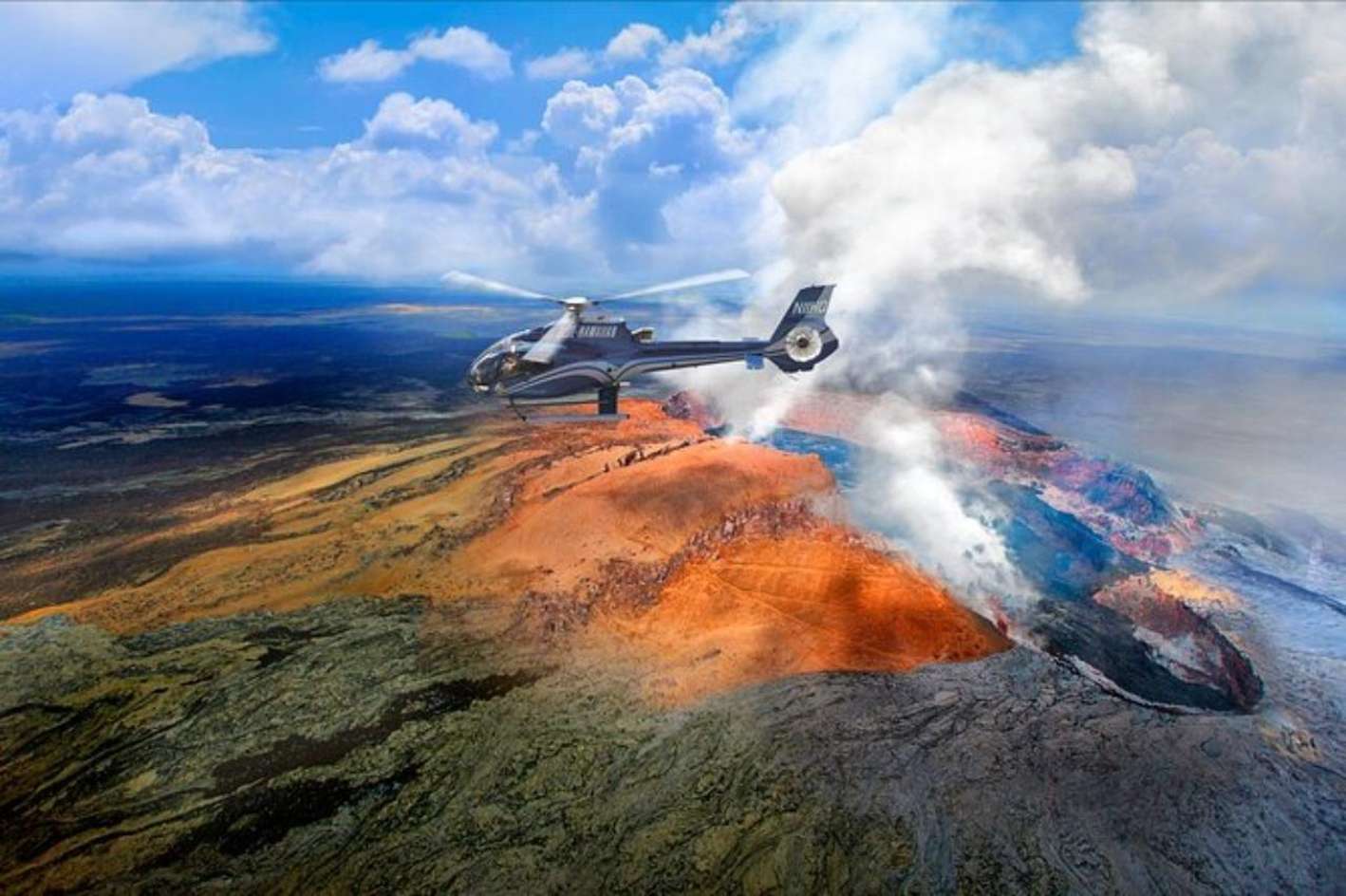 Hilo2026
It depends on the flight. Infants up to 23 months can sit on a parent's lap for free on several tours, and children 24 months and older need their own paid seat. Most tours that publish a rule allow young children in the cabin.
Yes. Plan on children being at least 12 years old for a doors-off flight on Big Island tours that publish an age rule; one operator specifies age 12 to sit next to an open door. A doors-on tour is the safe choice for younger kids.
Federal aviation rules allow a child under 2 to be held by an adult on the ground, during takeoff, and during landing without a restraint device. Several Big Island tours admit infants up to 23 months on a lap at no charge. Check the specific tour before you book, since rules differ.
The exact number depends on the aircraft, so declare weights honestly when you book.
Seating is assigned at check-in from your declared weights, because the aircraft must be balanced correctly to fly safely. Federal weight-distribution rules set the exact assignments, which means you cannot choose a seat or be guaranteed to sit next to the rest of your party.
Usually not. The flight is smooth, so many travelers who get carsick or seasick feel fine in the air. Bumpy moments happen during tight banking turns and over updrafts, especially in the deep Kohala valleys. Ginger chews or non-drowsy motion sickness medicine taken before takeoff helps.
Book a morning departure. Air over inland volcanic terrain and dark lava fields grows bumpy as the sun heats the slopes, with the strongest thermal activity from about 1 to 5 pm. Morning flights also tend to have clearer views before afternoon clouds build.
Pregnant women, people with vertigo, claustrophobia, or a bad cold or flu, and passengers unable to sit upright are advised against flying on many tours. Anyone who has been scuba diving within the previous 24 hours may be denied boarding, because lower cabin air pressure raises the risk of decompression sickness.
Cabin air pressure is lower than at sea level, and that raises the risk of decompression sickness after a dive. Tours on this island list a 24-hour wait between diving and flying. Schedule your dive day and your flight day apart.
Closed-toe shoes with secure backs are required, and flip-flops or open sandals are prohibited. The cabin is windy and cold aloft, so layer up with a windproof jacket. Tie long hair back, and skip hats, scarves, and loose clothing that could blow out the open door.
Yes, but only with a wrist or neck strap attached to you. Loose items like purses, water bottles, selfie sticks, and extra lenses must be left behind or stowed. Some operators provide phone straps and cases at check-in. On doors-on flights, items still need to be secured per FAA guidance.
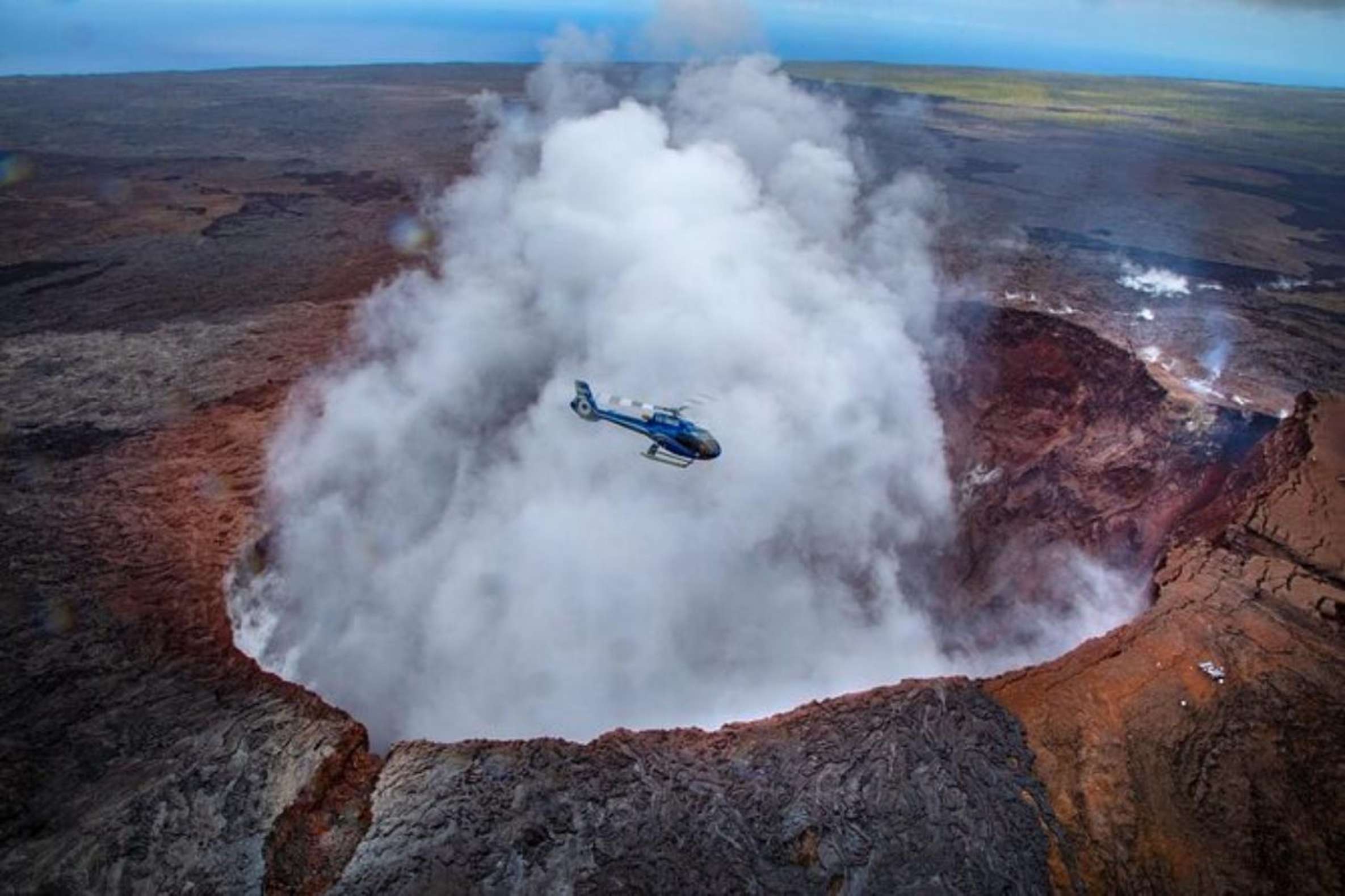
Fifty minutes over Kilauea from Hilo Heliport, with infants under two riding free on a lap and full cancellation up to 24 hours ahead.