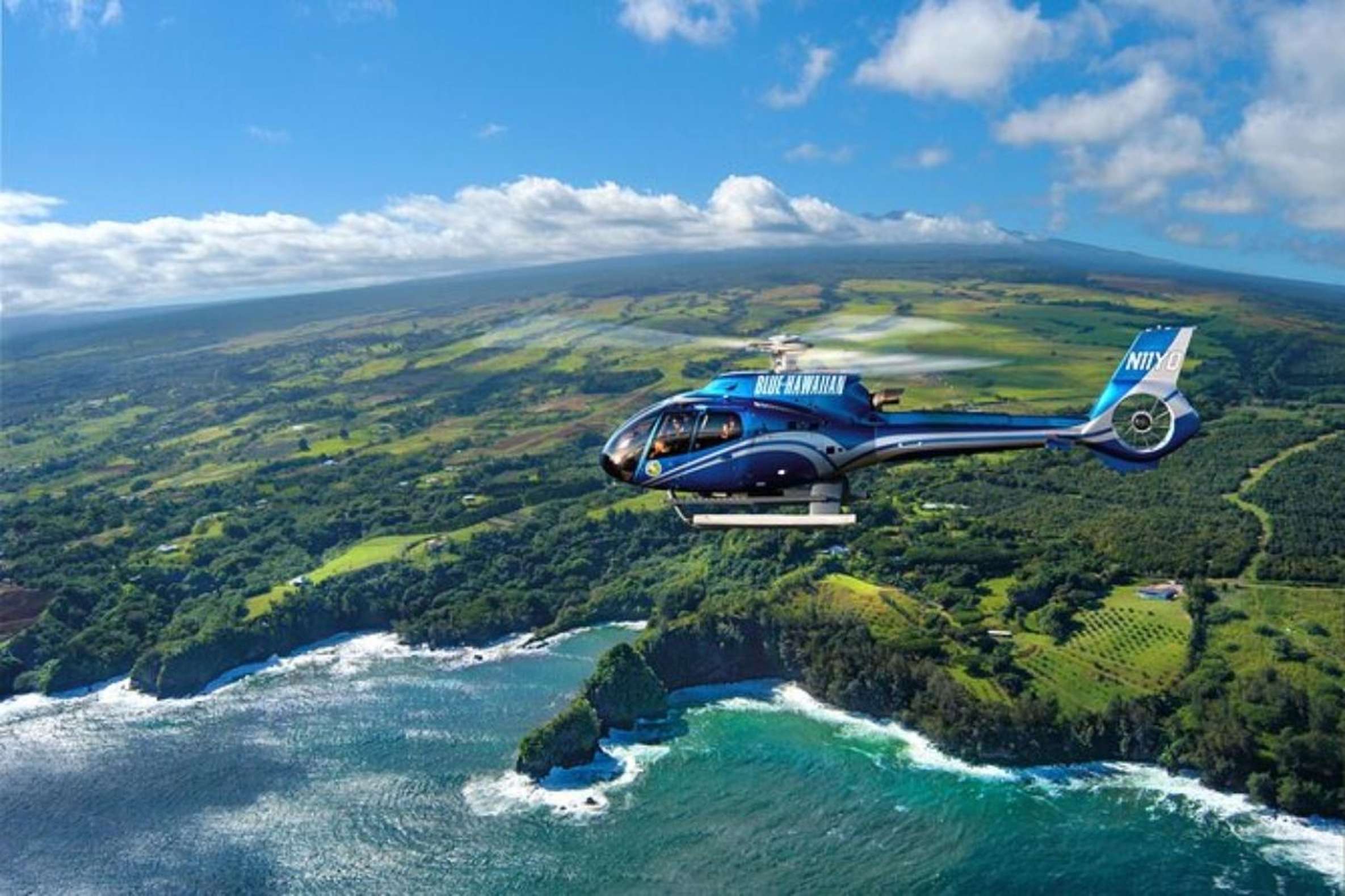
Big Island Helicopter Tours Prices - Flight Costs and Rates
Compare Big Island helicopter tour prices by departure base, flight time and route before you book. Readers plan budgets around what each tier includes, from 30-minute coastal loops out of Kona to full volcano flights from Hilo, and book the one that matches the views they want to pay for.
"Crew was really nice and helpful when one of us couldn't fly due to weight limits, so a relative stayed behind. Four of us were first-timers and everyone loved the ride."
4.5★average rating359traveler reviews100%free cancellation25countries travelers came from
Prices and flight costs at a glance
Every flight here is guided, with a pilot narrating over headsets, so the choice comes down to length and focus. Short Hilo flights zero in on the volcano. Longer Kona and Waikoloa routes sweep the coastline, valleys and craters in one go, and suit travelers who want the whole island from the air.
importantWeight limits can trigger an extra seat charge assessed after booking, and a scuba dive within 24 hours of your flight can get you denied boarding.
Give your true weight when booking and ask about the operator's thresholds before you pay, and plan any Kona dive at least a full day before takeoff.
Big Island helicopter tour prices by flight and base
Cheapest
1 hour·English
4.2(272)
Hilo: Hawaii Volcanoes National Park Flight
The lowest starting rate for a full hour over the park: Hilo sits next to the volcano, so almost all the flight time is sightseeing.
Big Island helicopter tour prices and what they cover
7 stops12 places
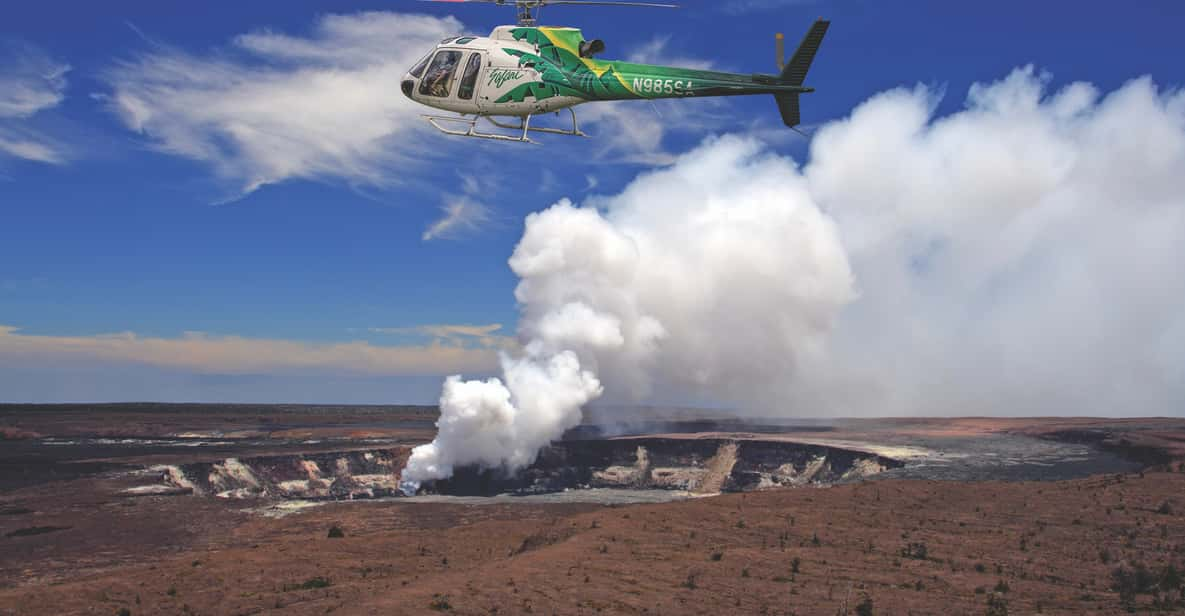
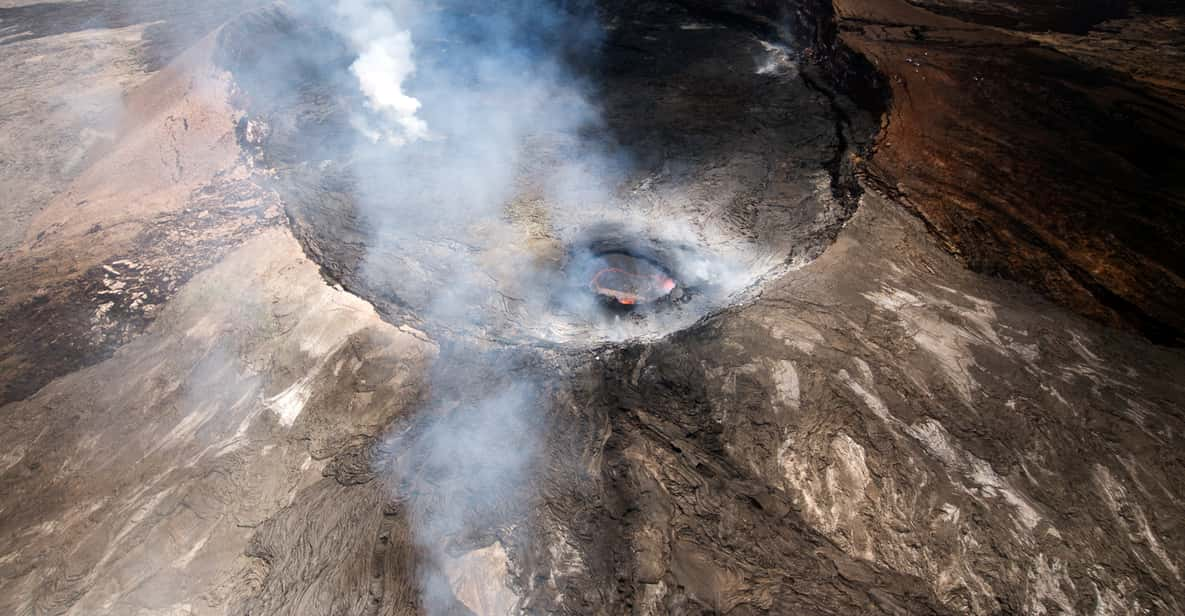
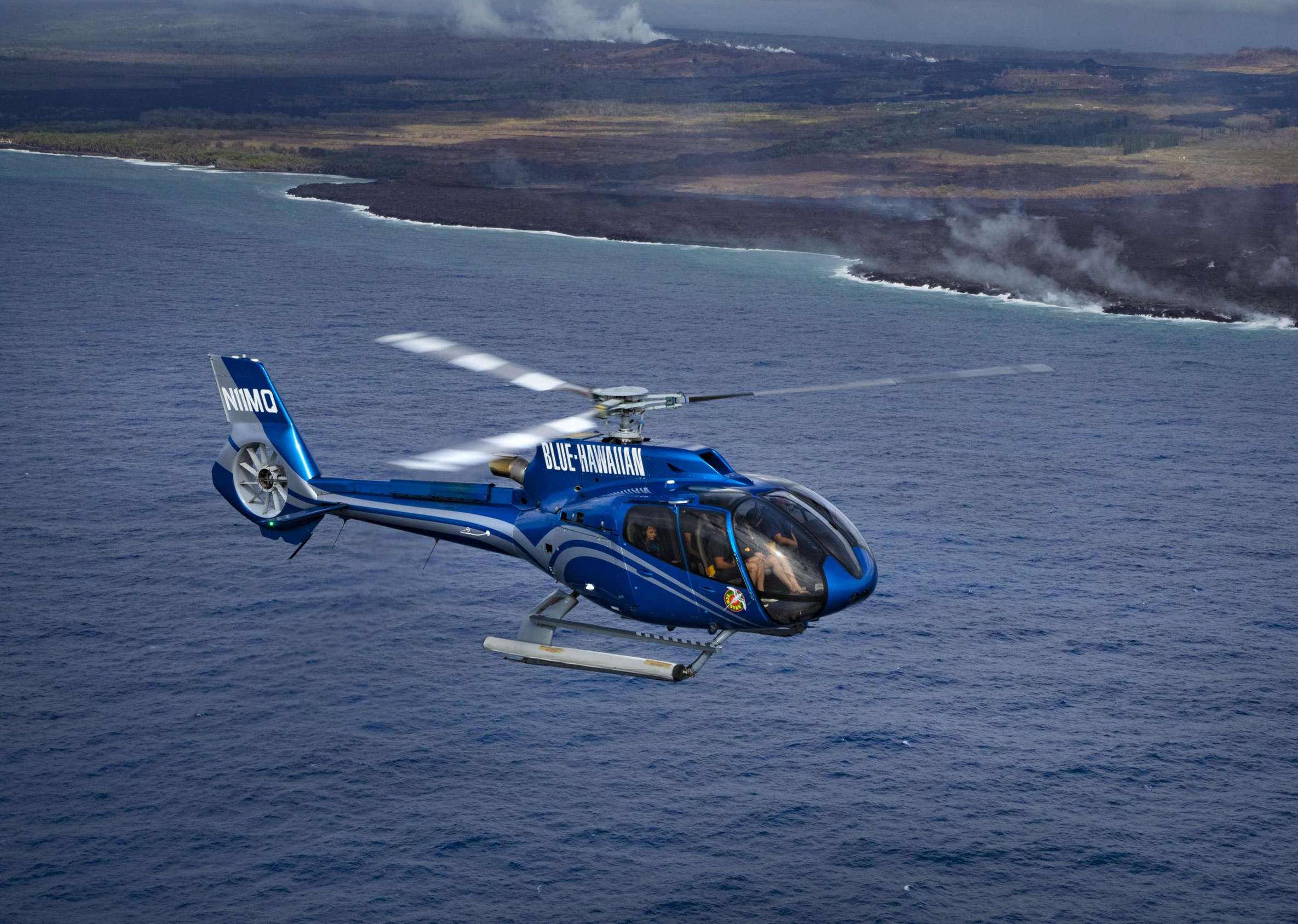
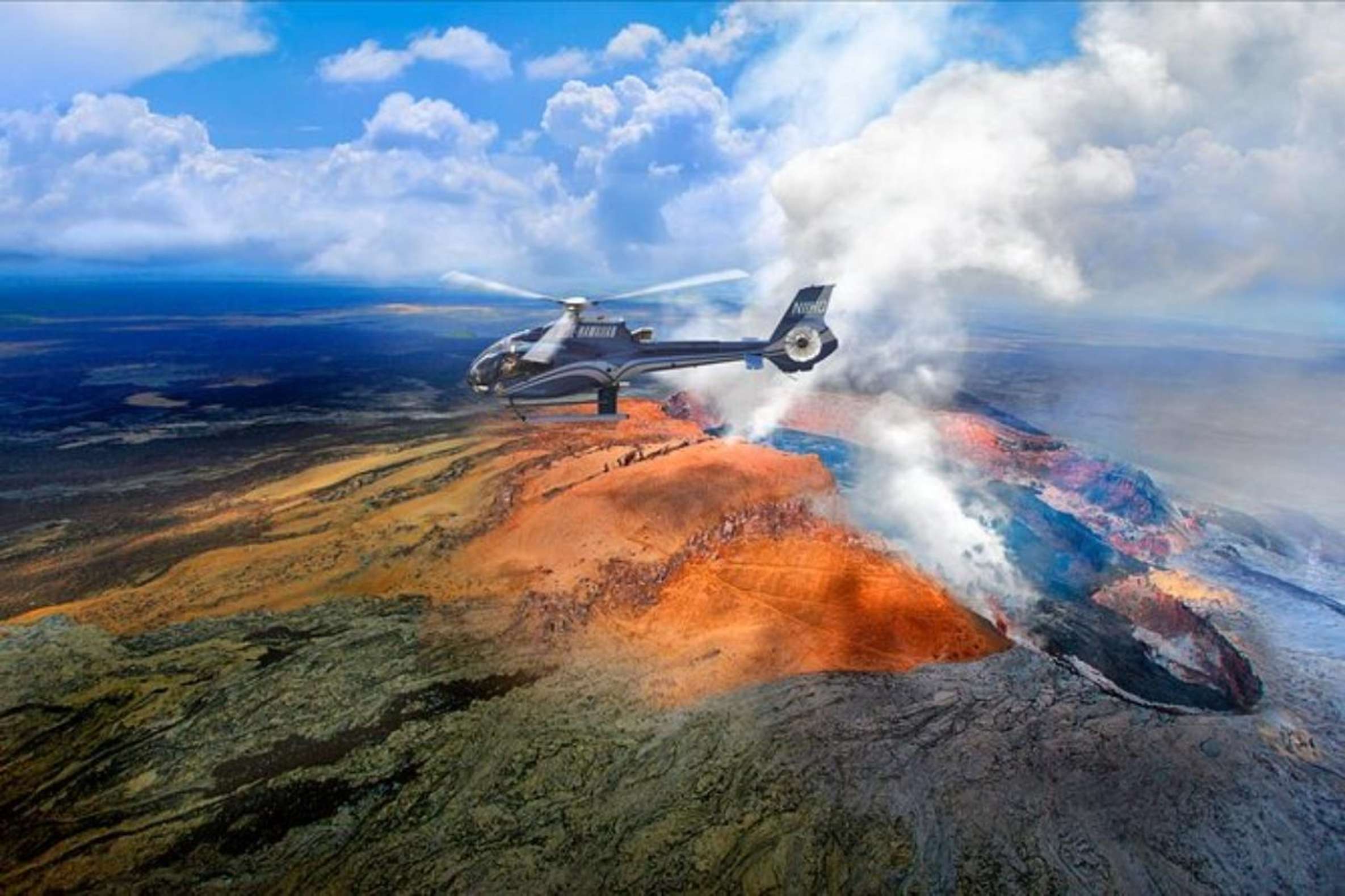
A one-hour flight out of Hilo takes you straight to Hawaii Volcanoes National Park, the closest departure base to Kilauea.
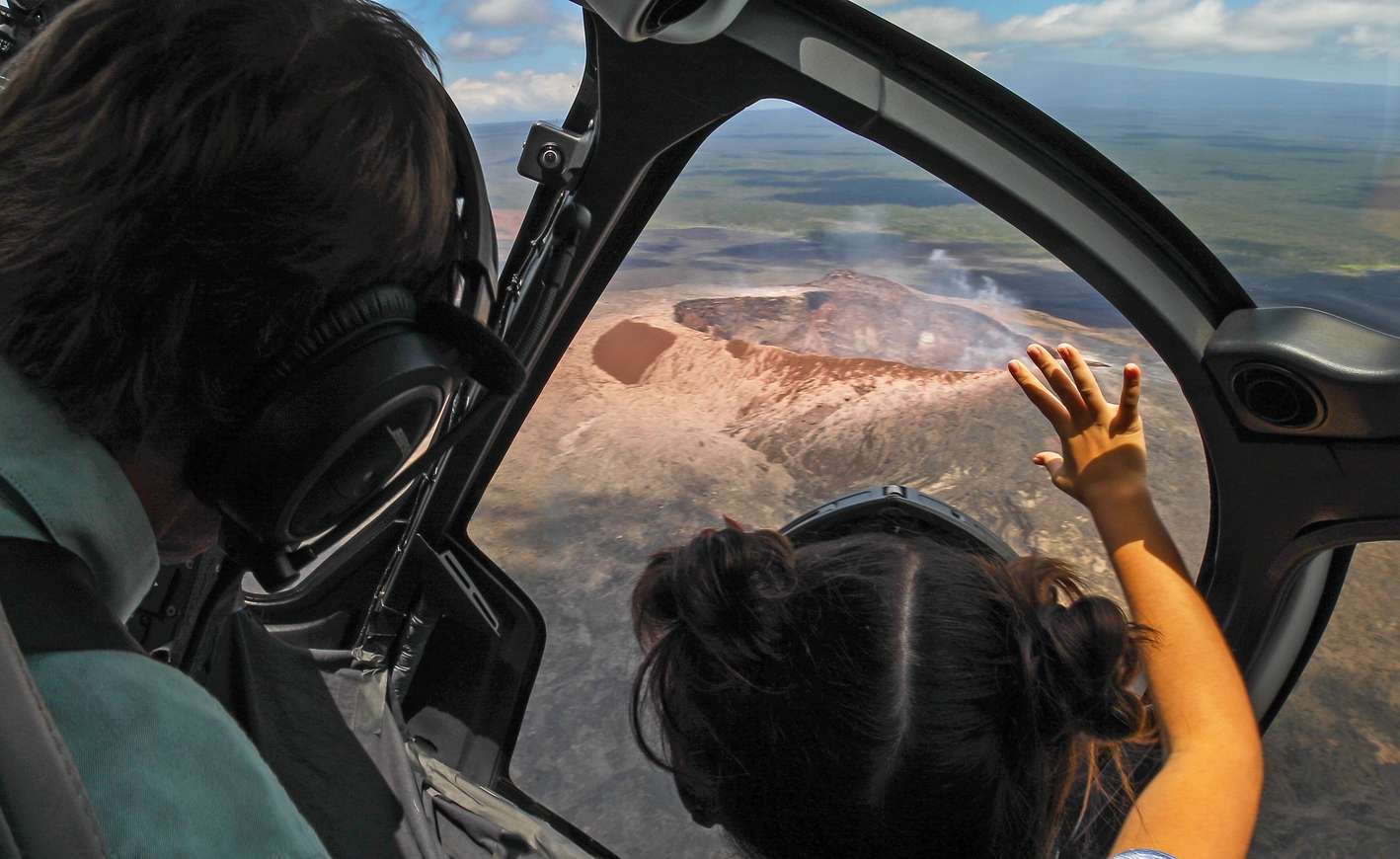
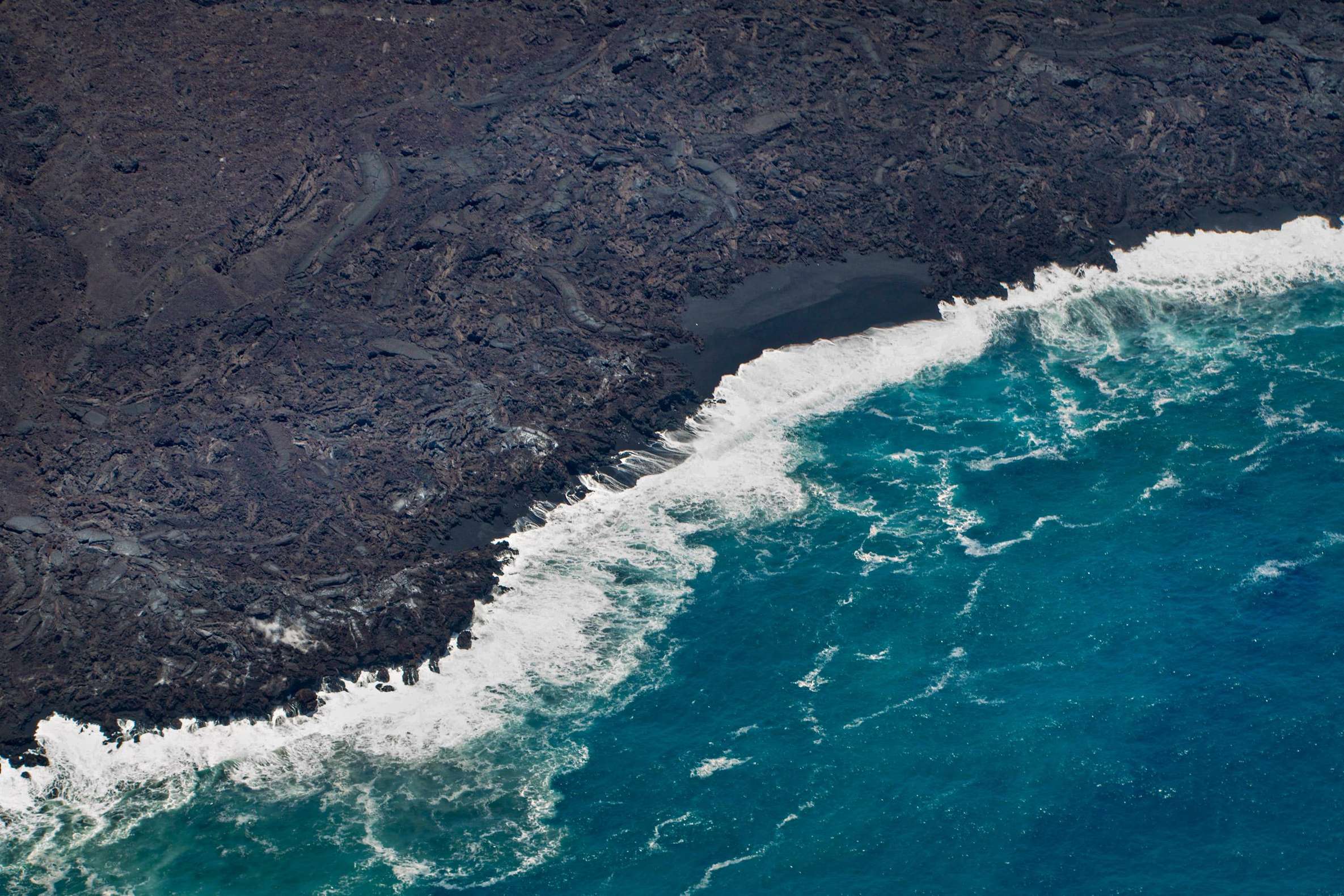
The route covers black sand beaches where lava once met the sea, waterfalls dropping into jungle ravines, and the vast caldera itself. Your pilot narrates through noise-canceling headphones, and you can ask questions over the two-way line.
Flights run weather permitting, and crater views depend on the sky that day. The tour includes the helicopter ride only, so plan on tipping the pilot when you land and bringing a passport or ID. Check-in opens an hour before departure at the Hilo heliport.
Meeting point2220 Kekuanaoa StThe flight returns to the same Hilo heliport. Tip the pilot here if you wish, and you still have the whole day for the town and waterfalls nearby.2Hawaii Volcanoes National ParkThe flight heads directly into the park, which stretches from sea level to the volcano summits. You get an aerial view of terrain that takes days to cover by road.3Kilauea, HawaiiThe caldera of one of the world's most active volcanoes. Expect steam vents and hardened flows between eruption phases; the crater still fills the frame.From this tour4Pu‘u ‘Ō‘ō, HawaiiThe volcanic cone on Kilauea's east rift zone, built by decades of eruptions. You circle it and see how new lava fields keep reshaping the land below.5Mauna KeaThe island's tallest volcano, viewed from the air with its summit high above the clouds. The pilot points it out across the saddle from the park.From this tour6Mauna LoaThe world's largest active volcano fills the horizon on the far side of the route. From the air you grasp its sheer scale better than from any road.From this tourDrop-off2220 Kekuanaoa StThe flight returns to the same Hilo heliport. Tip the pilot here if you wish, and you still have the whole day for the town and waterfalls nearby.Street View
Where the other tours go
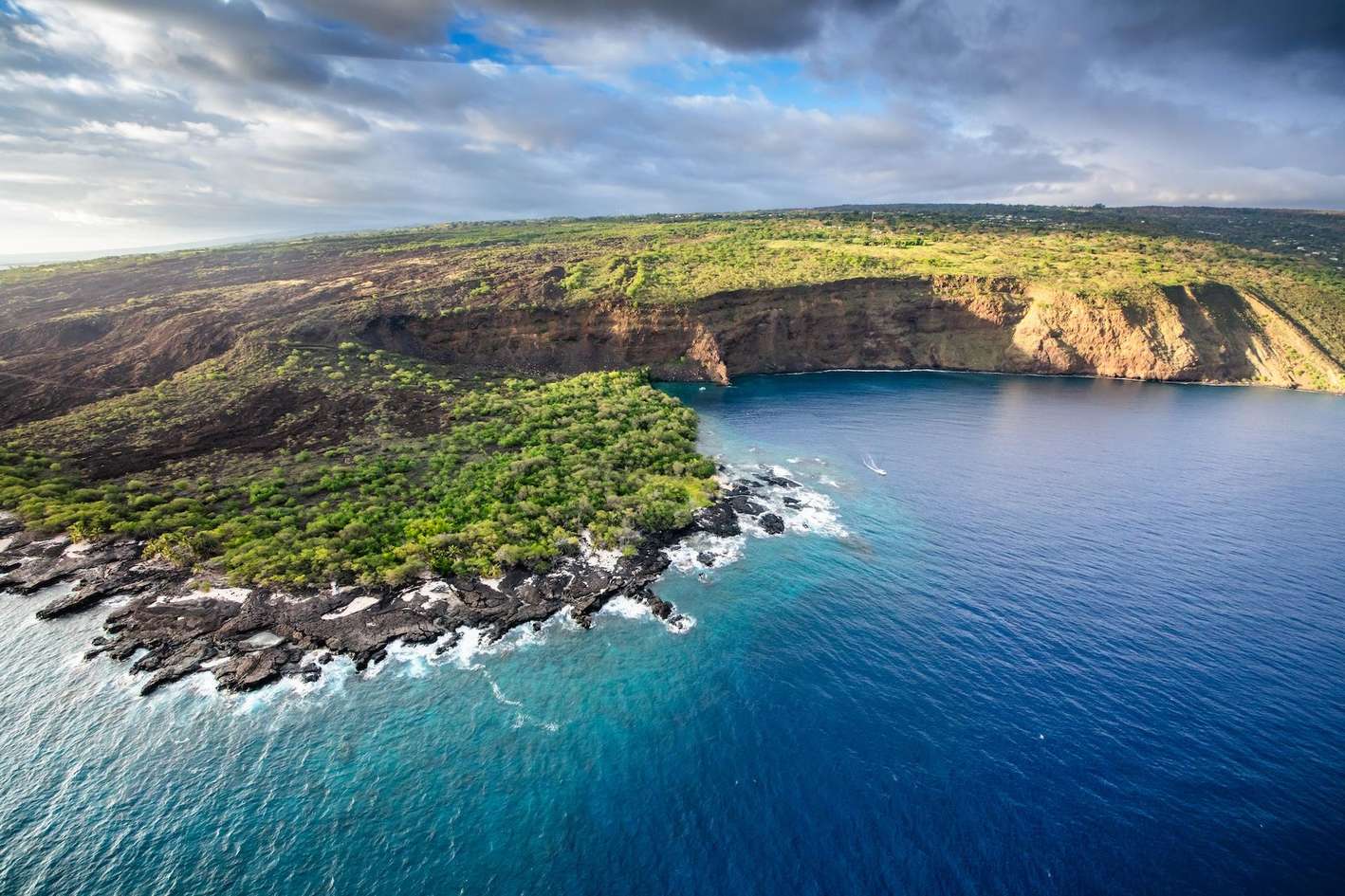
Kailua-KonaKaloko-Honokōhau National Historical ParkKealakekua Bay State Historical Park
Kailua-Kona: Scenic Coastal Helicopter Tour, Doors On or Off
Their pilot made the flight, explaining the island's history, geology and lava fields as they flew.
Best surprise
Several first-time flyers arrived nervous and left saying the ride felt smooth and the views carried them through.
Most common wish
A few travelers wished the flight ran longer so they could reach the waterfalls they only saw from a distance.
Booking a Big Island helicopter tour - prices, steps and tips
01
Pick your date and time slot
Choose the first or second morning of your trip, not the last day. If low clouds or rain cancel the flight, you have spare days to rebook instead of flying home disappointed.
Pro tipFlights between 8 and 11 am get the calmest air and clearest views before clouds build in the afternoon
Common mistakeBooking for your final day, when a weather cancellation leaves no room to reschedule
02
Book early in peak season
In summer and over the winter holidays, reserve two to four weeks ahead. Prime morning slots often fill a month or more out, so pick your date and lock it in.
Pro tipThe first morning slot of the day is usually the smoothest ride and the first to sell out
03
Choose doors on or doors off
Most tours on this page list both configurations at the same rate. Doors off gives photographers open views and no window glare; doors on suits anyone nervous about the wind chill.
RecommendedWear a windproof jacket and closed-toe shoes, and tie back long hair, if you pick doors off
ImportantChildren under 12 may not be allowed in a doors-off seat, and loose items like hats and bags stay behind on the ground
04
Pay and read the cancellation terms
Most Hilo flights let you cancel up to 24 hours before departure for a full refund, while some Kona tours ask for two days. Check the window on your tour before you confirm, because it differs.
Common mistakeSkipping the cancellation line, then losing a refundable booking when Hilo rain rolls in
05
Check in at the heliport
Arrive about an hour before your flight time for the weigh-in and safety briefing, and bring a passport or ID card. Late arrivals can lose the seat with no refund.
Pro tipMention if you get motion sick; ground staff can sometimes put you in a front seat with a clear horizon
ImportantIf you have been scuba diving within 24 hours, you cannot board, so plan your dive days around the flight
Helicopter tour prices - what to know before you book
Tickets cover the flight, pilot commentary, headsets and, on the Kona flights, phone straps and parking. Not included: heliport transportation, tips, and the in-flight video or photo packages sold after landing.
Tipping
Gratuities are not in the ticket price. The custom on landing is a flat sum for the pilot, per couple or per solo flyer, rather than a percentage of the fare. Ground crew share whatever is left at the desk.
Loose items
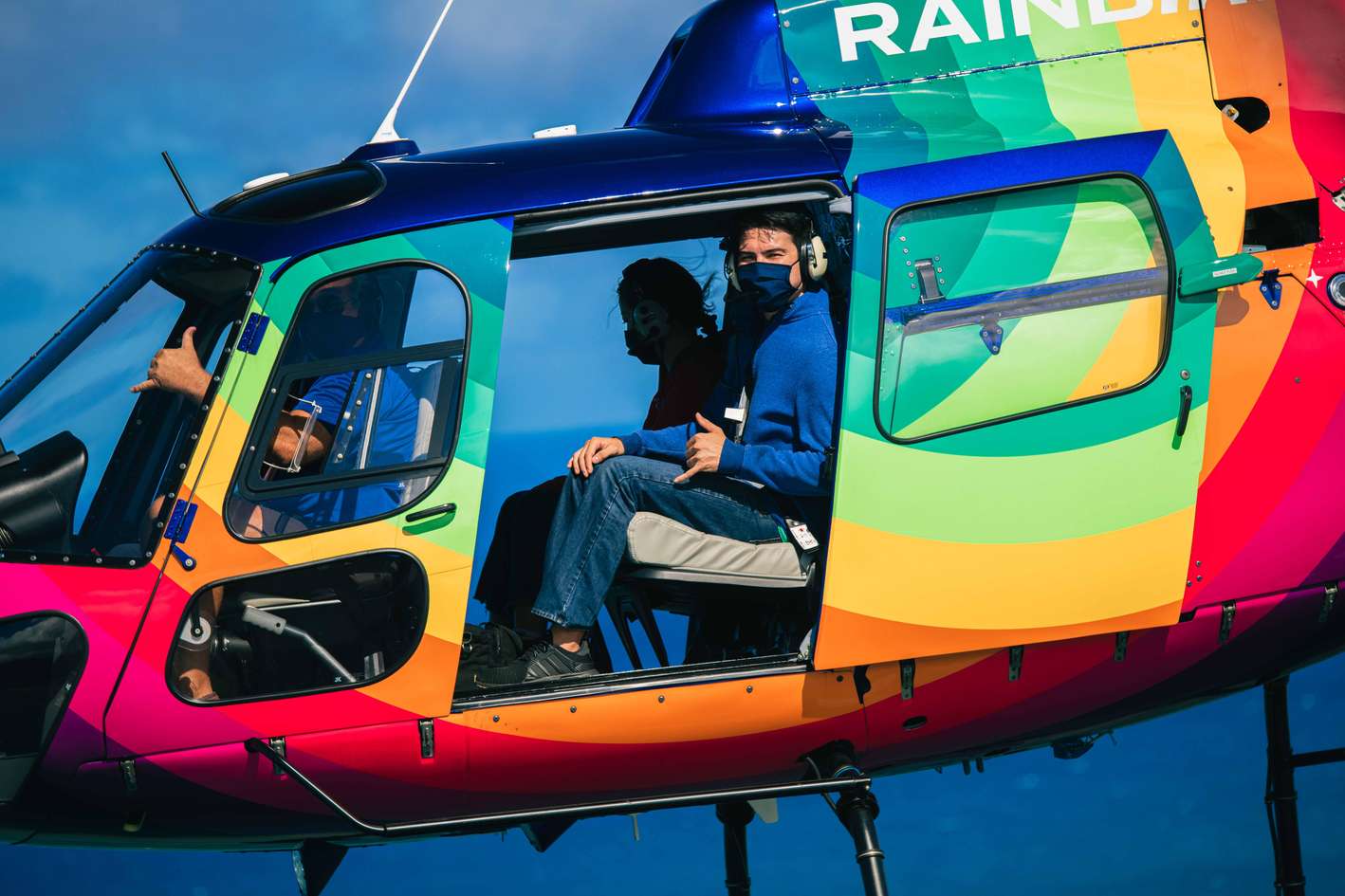
Doors-off cabins allow no loose items: hats, bags, purses, water bottles, selfie sticks and spare lenses stay behind or get stowed. Phones and cameras must be strapped to you, and the Kona tours provide the straps and cases.
Motion sickness
Helicopters fly smoothly, but tight turns over Kohala's valleys and the banking near craters can still bother some passengers. Ginger candy or non-drowsy medication taken before boarding works best, and keeping your eyes on the horizon helps.
02
BookingHow far ahead, and what happens if plans change
2
Cancellation
Most tours let you cancel free up to 24 hours ahead, a day or two on the Kona coastal flights. If weather grounds the flight, you get a full refund or a rescheduled slot, so book for early in your trip and keep a spare day.
Booking ahead
Prime morning slots sell out weeks ahead in summer and the December holidays, sometimes a month or more. Book the earliest departure you can and keep your flexibility for a weather reschedule.
03
Before you goPapers, health, what to bring
3
Health limitsCan stop the day
You cannot fly within 24 hours of scuba diving, and tours are unsuitable for pregnancy, vertigo, claustrophobia, and severe motion sickness. Bring a passport or ID card to check in.
Weather
Low cloud, rain and vog can hide the volcano summits, and pilots will reroute or cancel when visibility drops. Expect the route to flex with the sky, and some Hilo mornings to be rainier than the Kona side.
Clothing
Wear dark, solid colors, since light clothing can reflect in the windows and show up in photos. Doors-off flights are colder at altitude, so bring a jacket, closed-toe shoes and a hair tie for long hair.
04
On the dayWhere to be, when, and how you get there
1
Check-in
West-side and Waikoloa departures ask you to check in a full hour before takeoff, Hilo flights 45 minutes. Arriving late can cost you your seat, so plan the drive across the island with time to spare.
05
During the tourWhat is expected of you
1
Seating
You cannot pick your own seat. FAA weight-and-balance rules decide where everyone sits, so couples and families are not guaranteed to sit together. Front seats go to whoever the balance calculation puts there.
From helicopter tour prices to touchdown on the Big Island
Big Island flight rates run from short Hilo volcano hops to two-hour island sweeps, and the gap confuses nearly everyone. What each tier covers, what the fare leaves out, and when to book decide whether the splurge pays.
Hilo· 19.72° N, 155.04° W
If you only remember three things
1
Book a morning slot between 8 and 11 am for the calmest air and open craters.
2
Check in a full hour before Hilo takeoffs; late arrivals can lose the seat.
3
Budget for tips, a video package and the drive if you chase a Hilo departure.
Are Big Island helicopter prices worth the splurge?
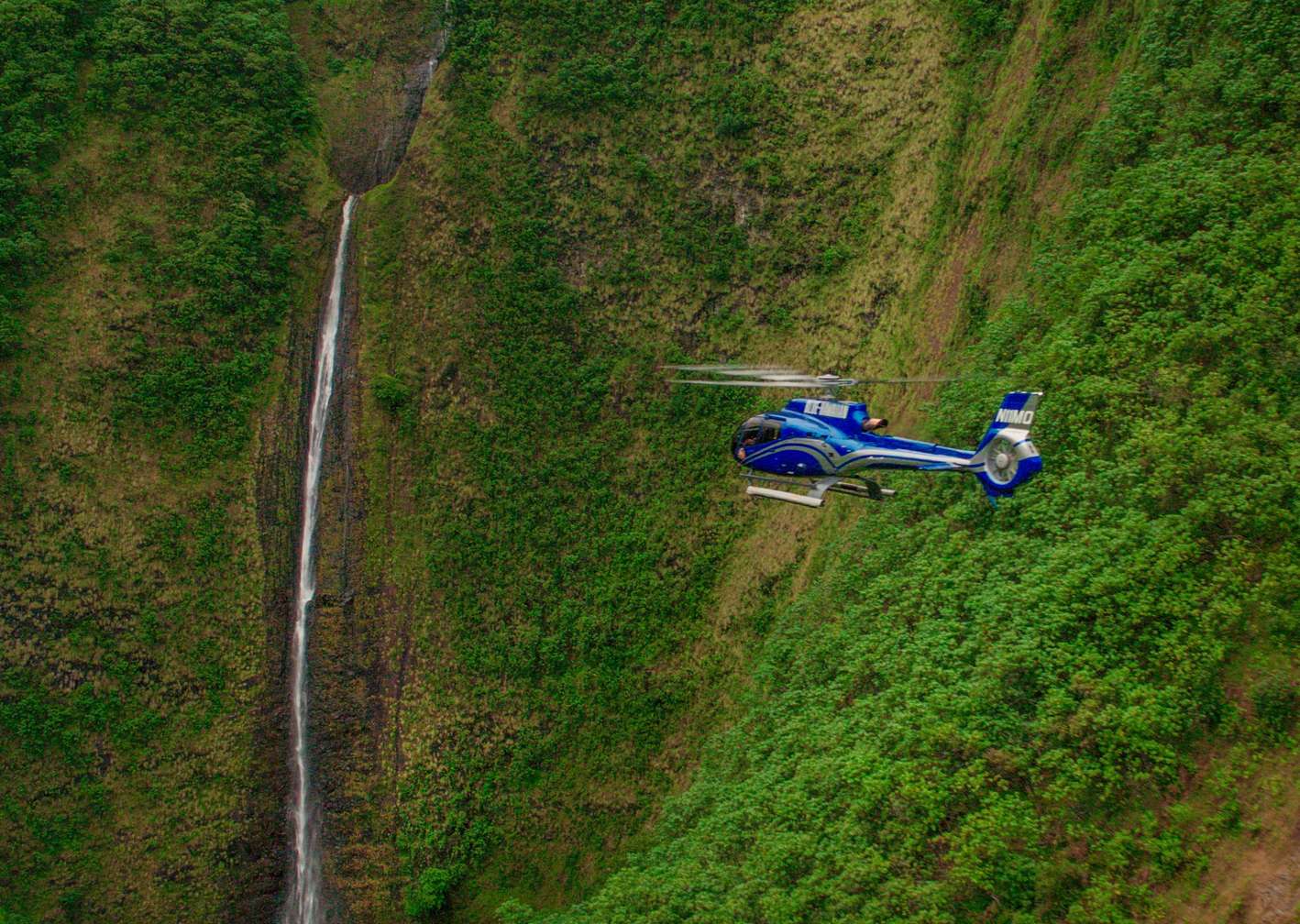
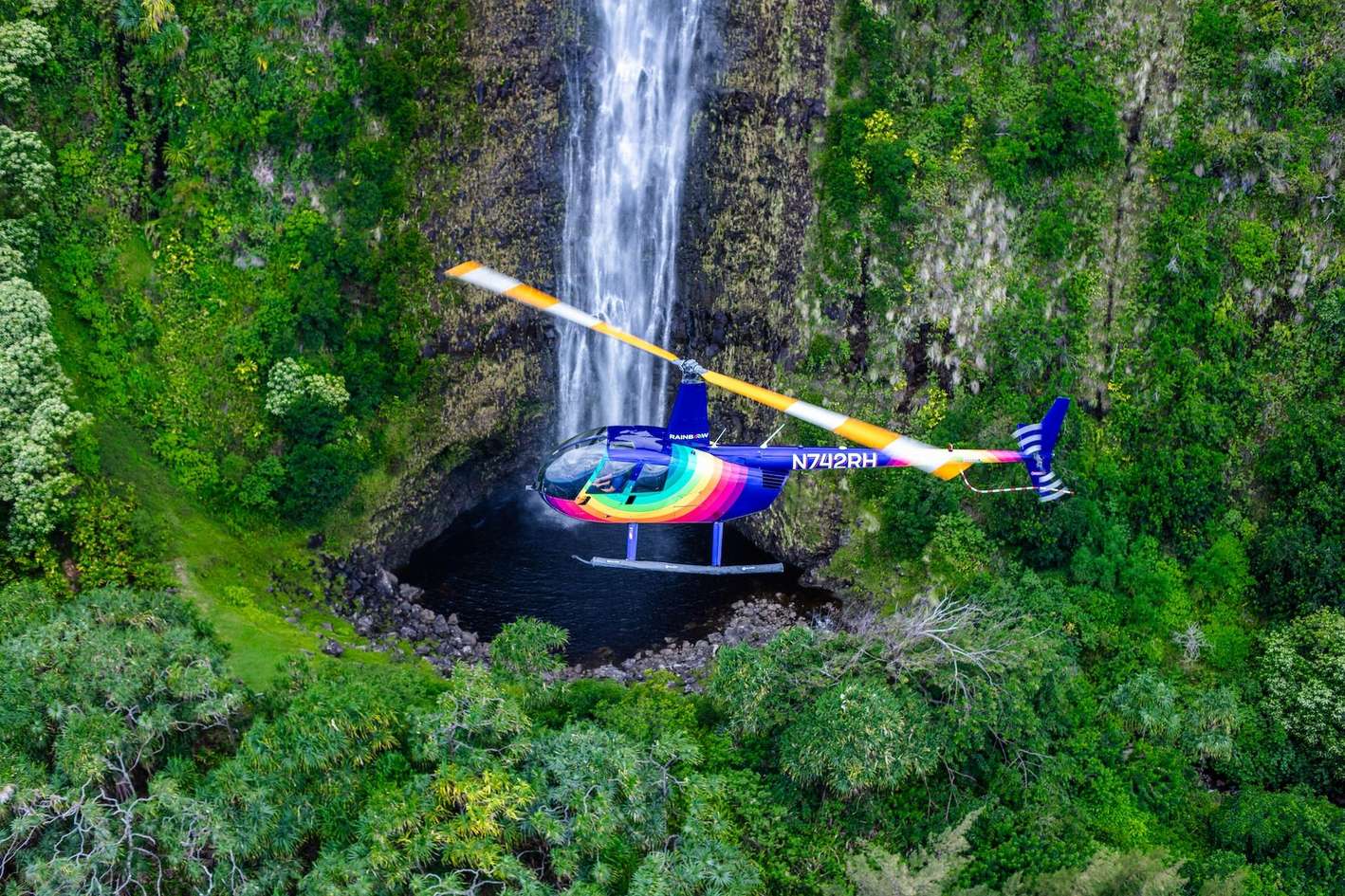
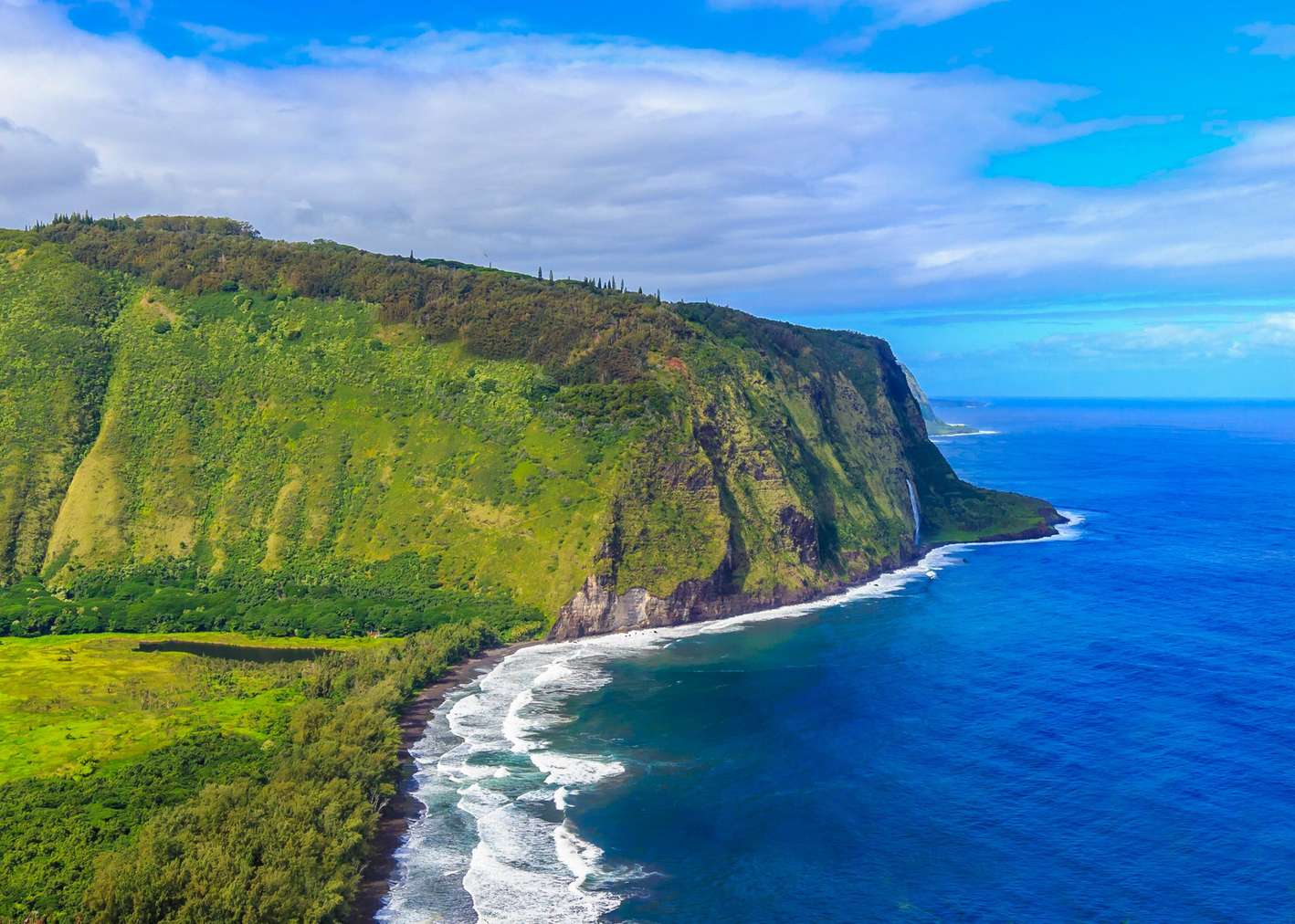
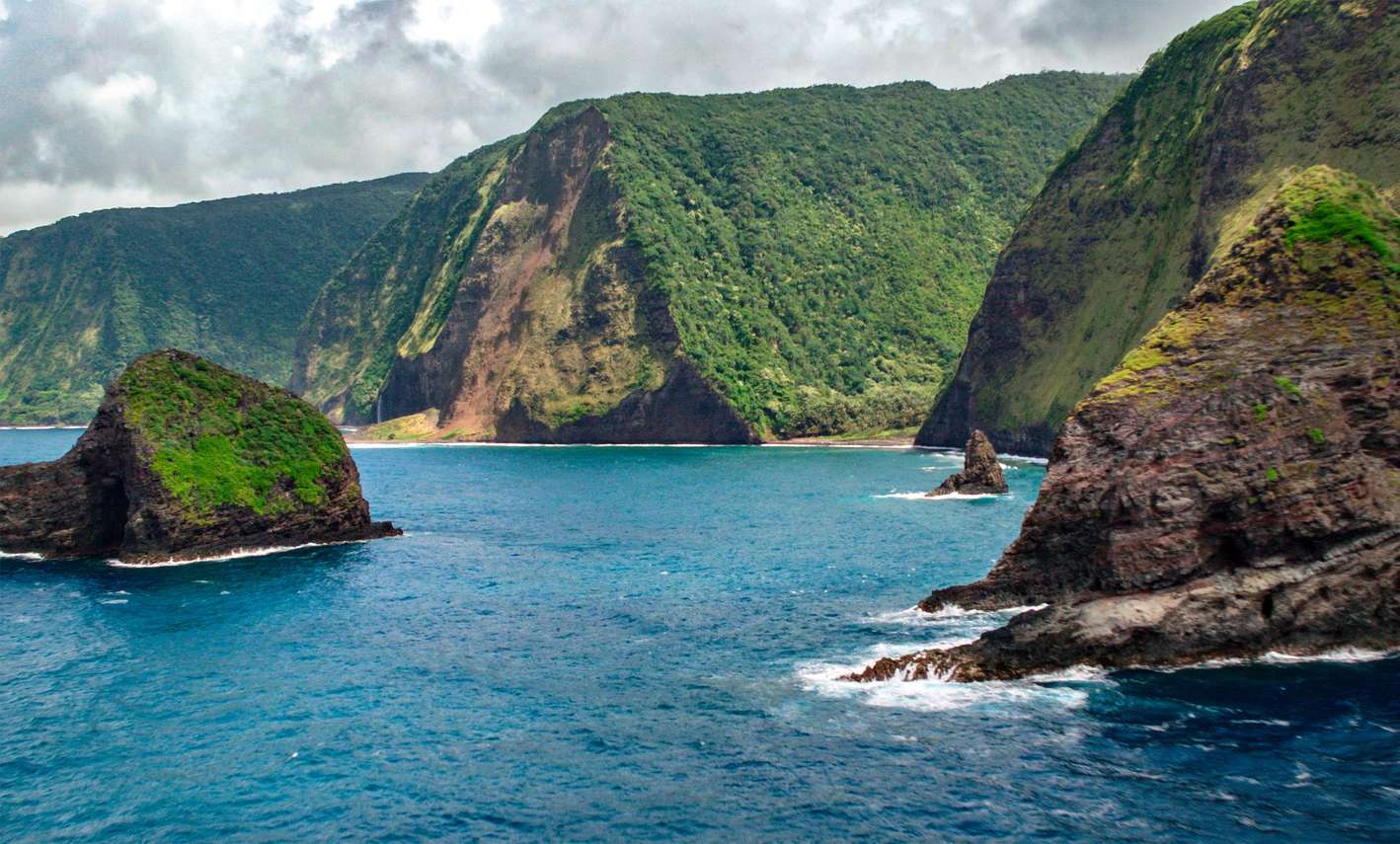
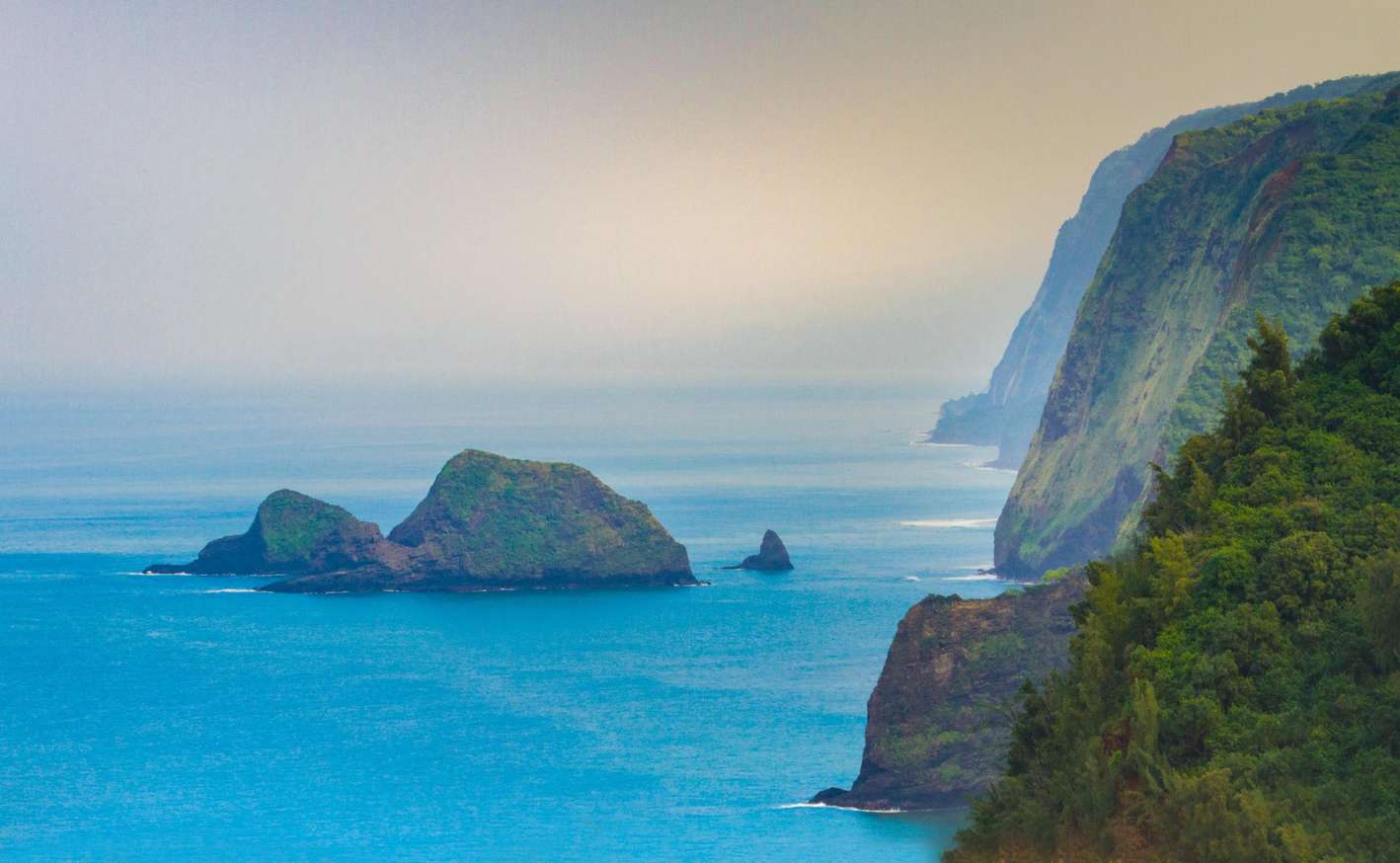
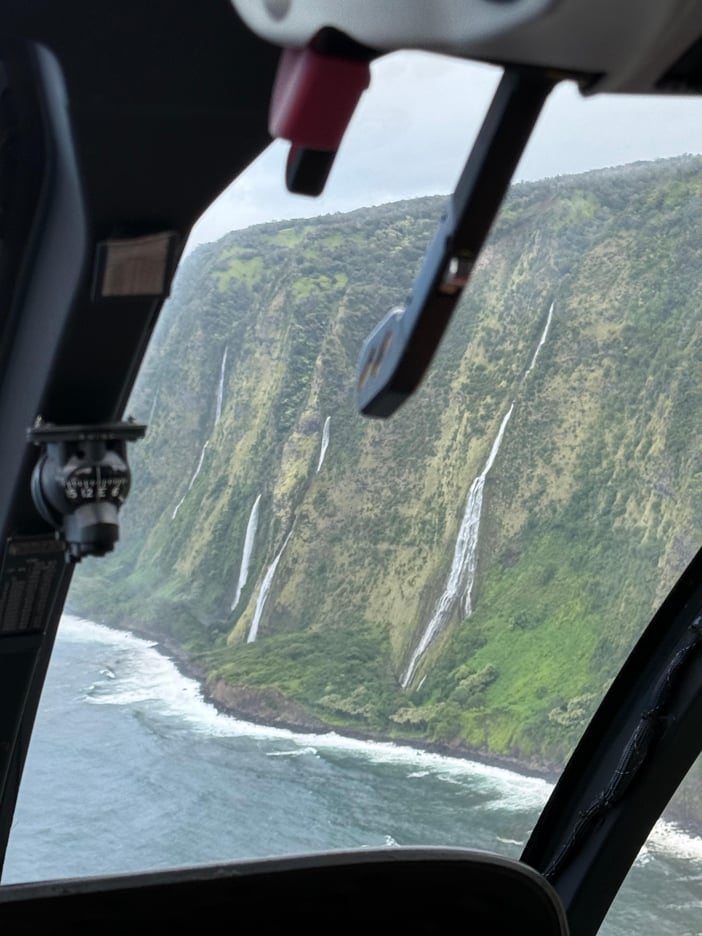
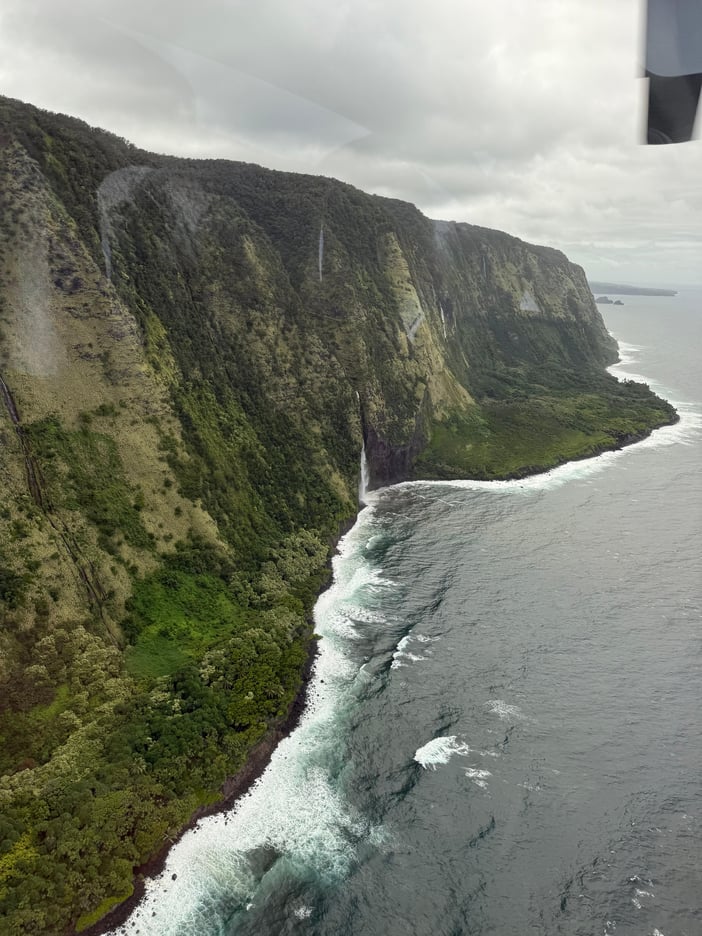
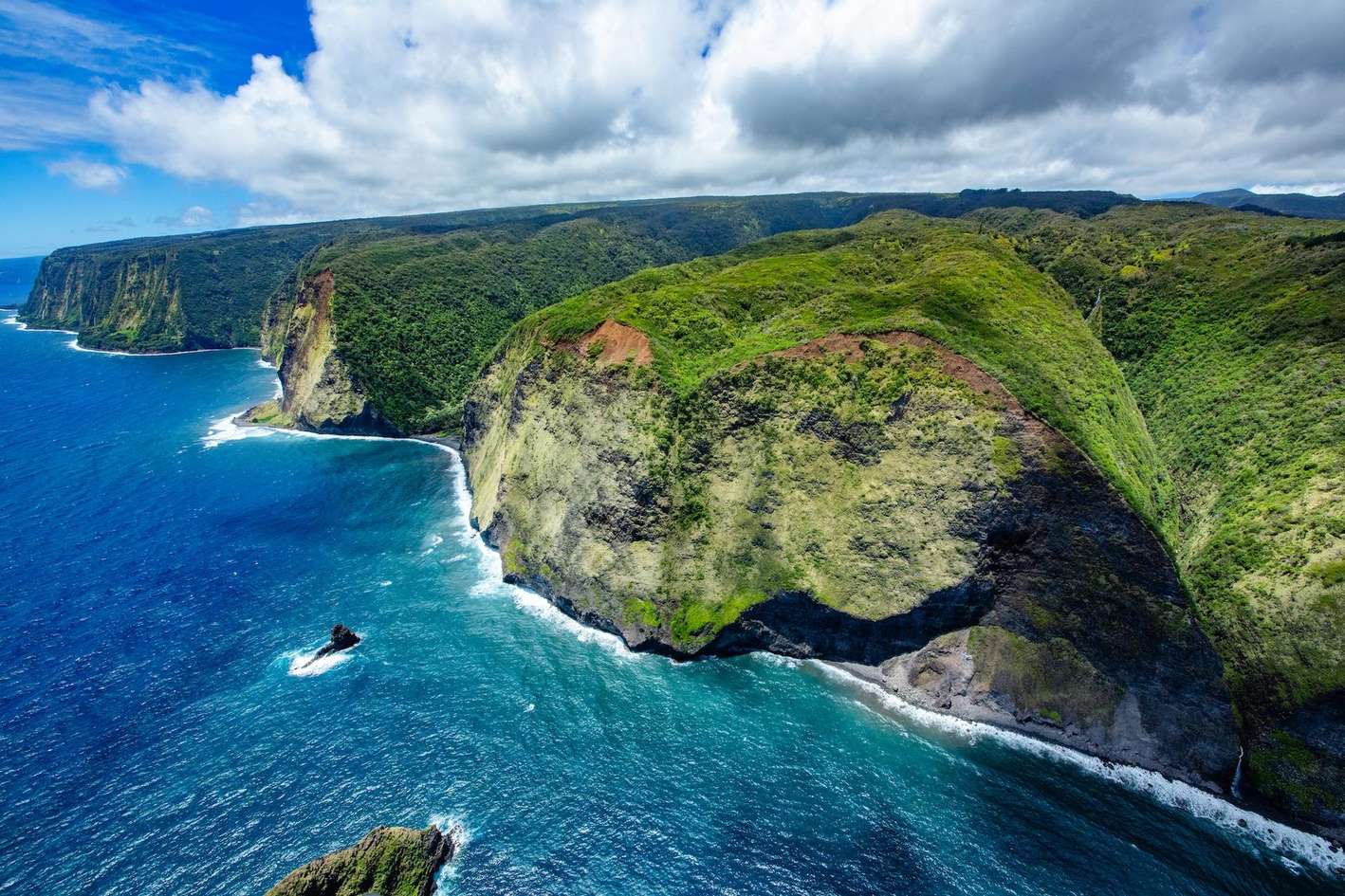
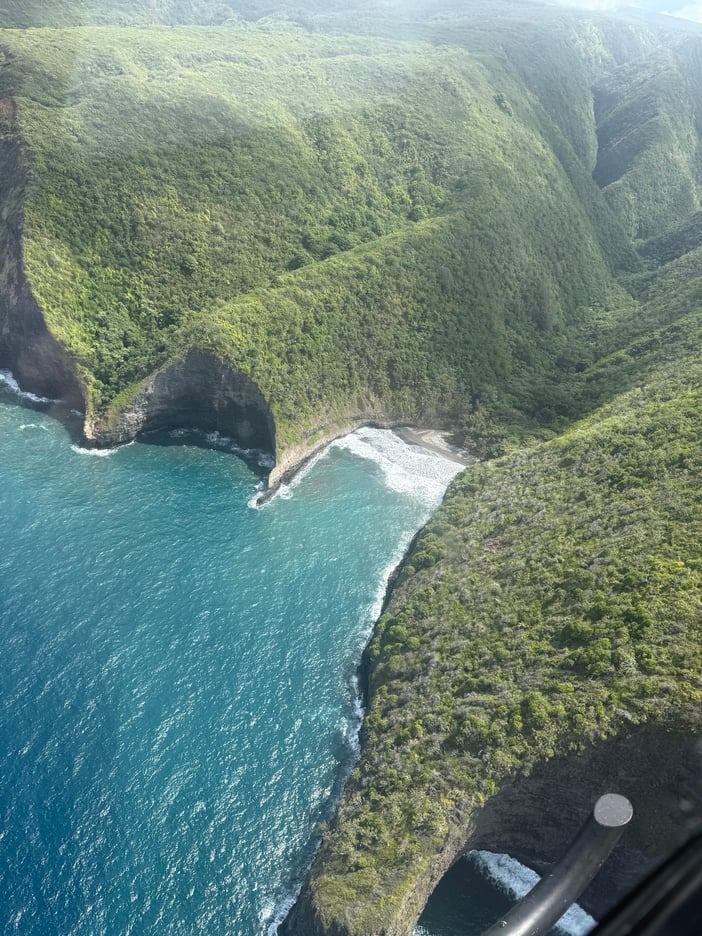
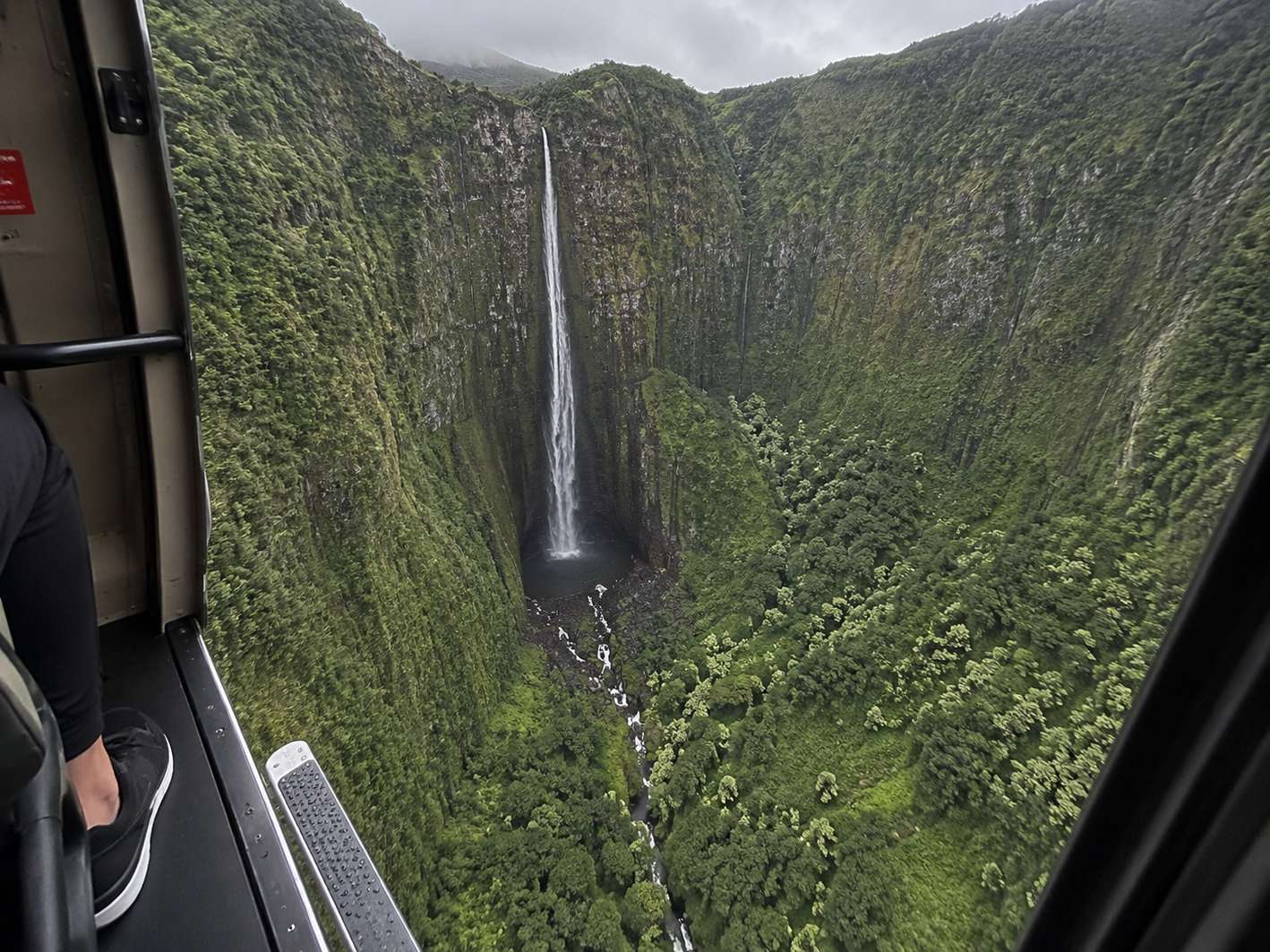
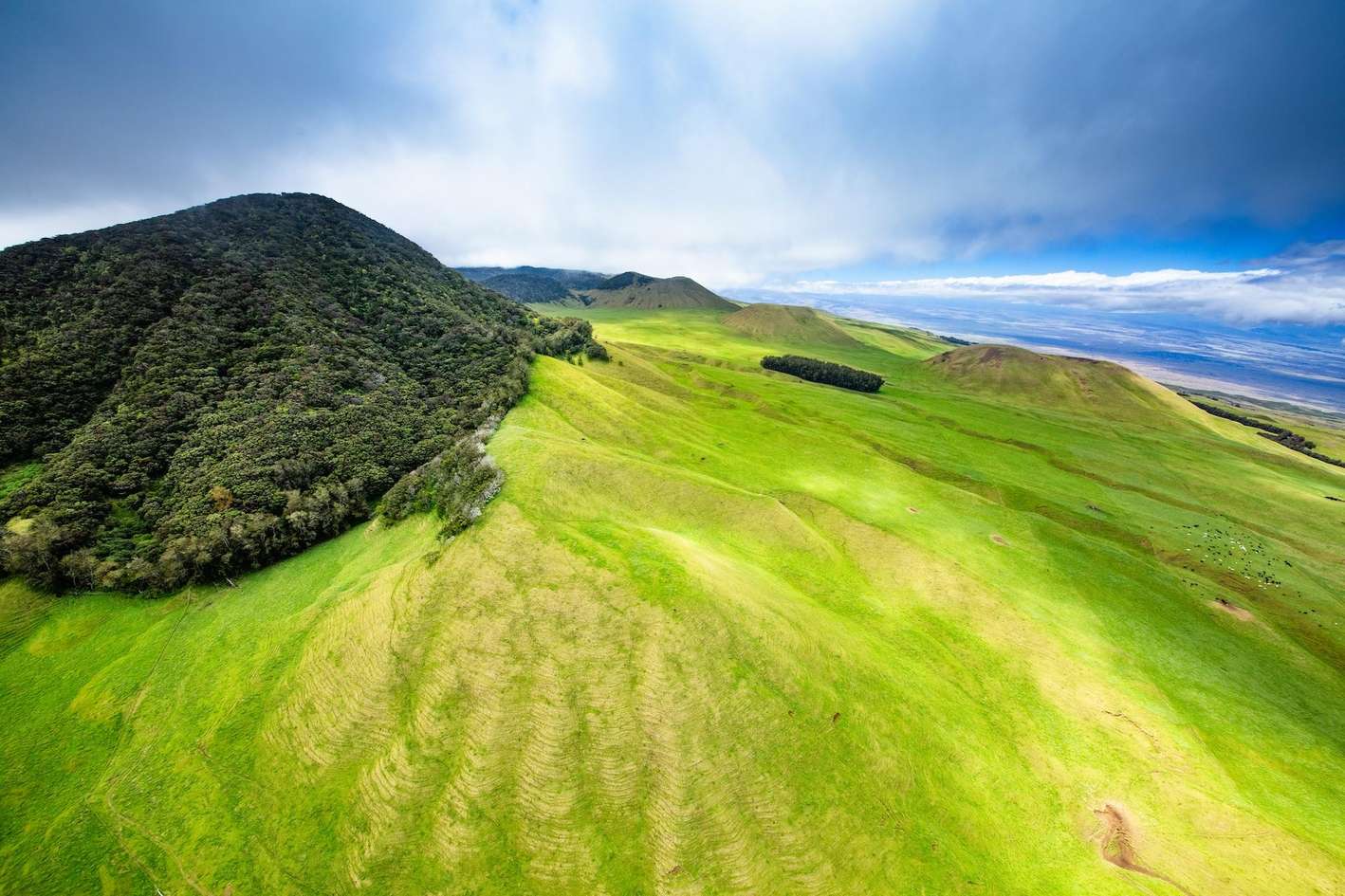
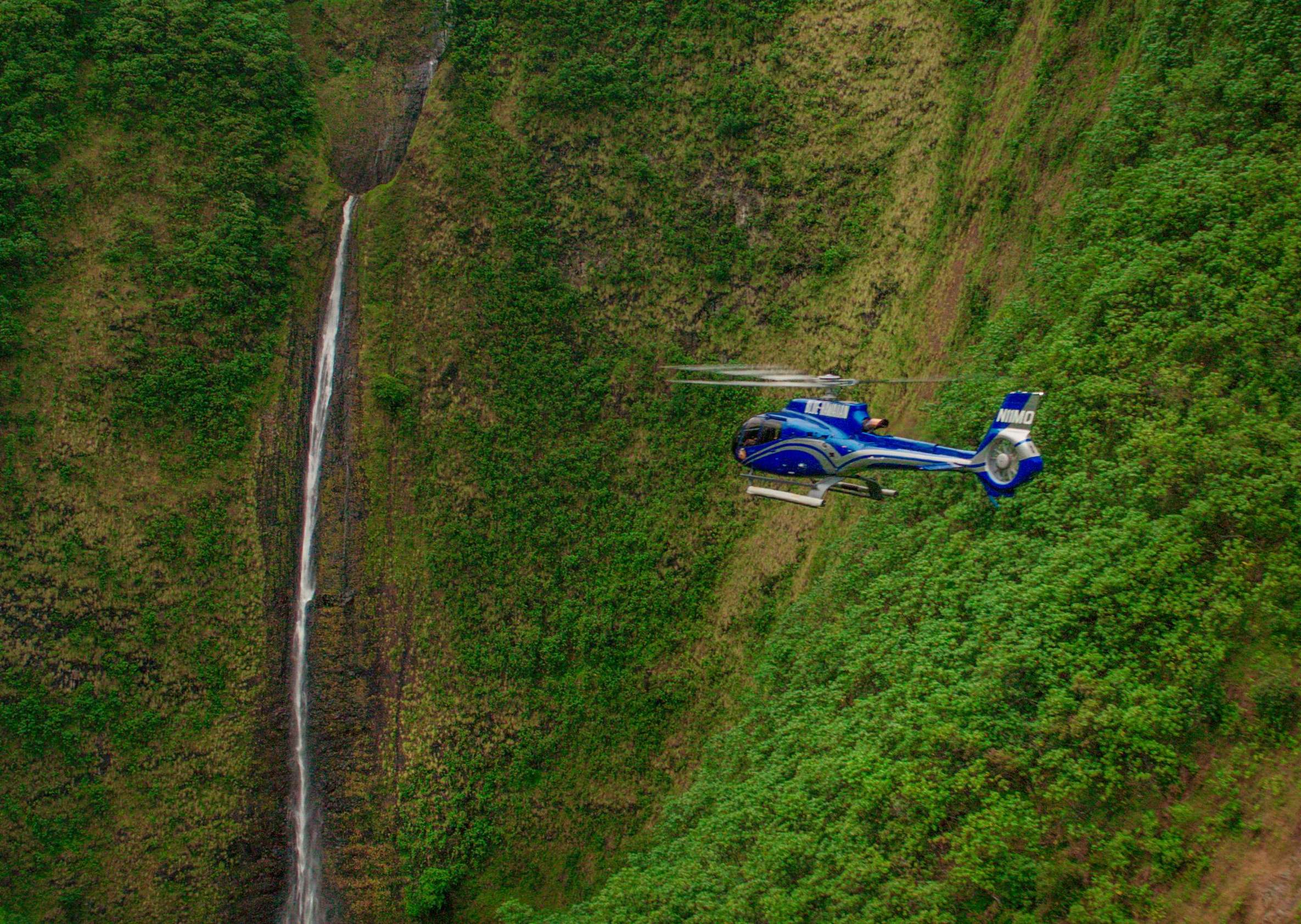
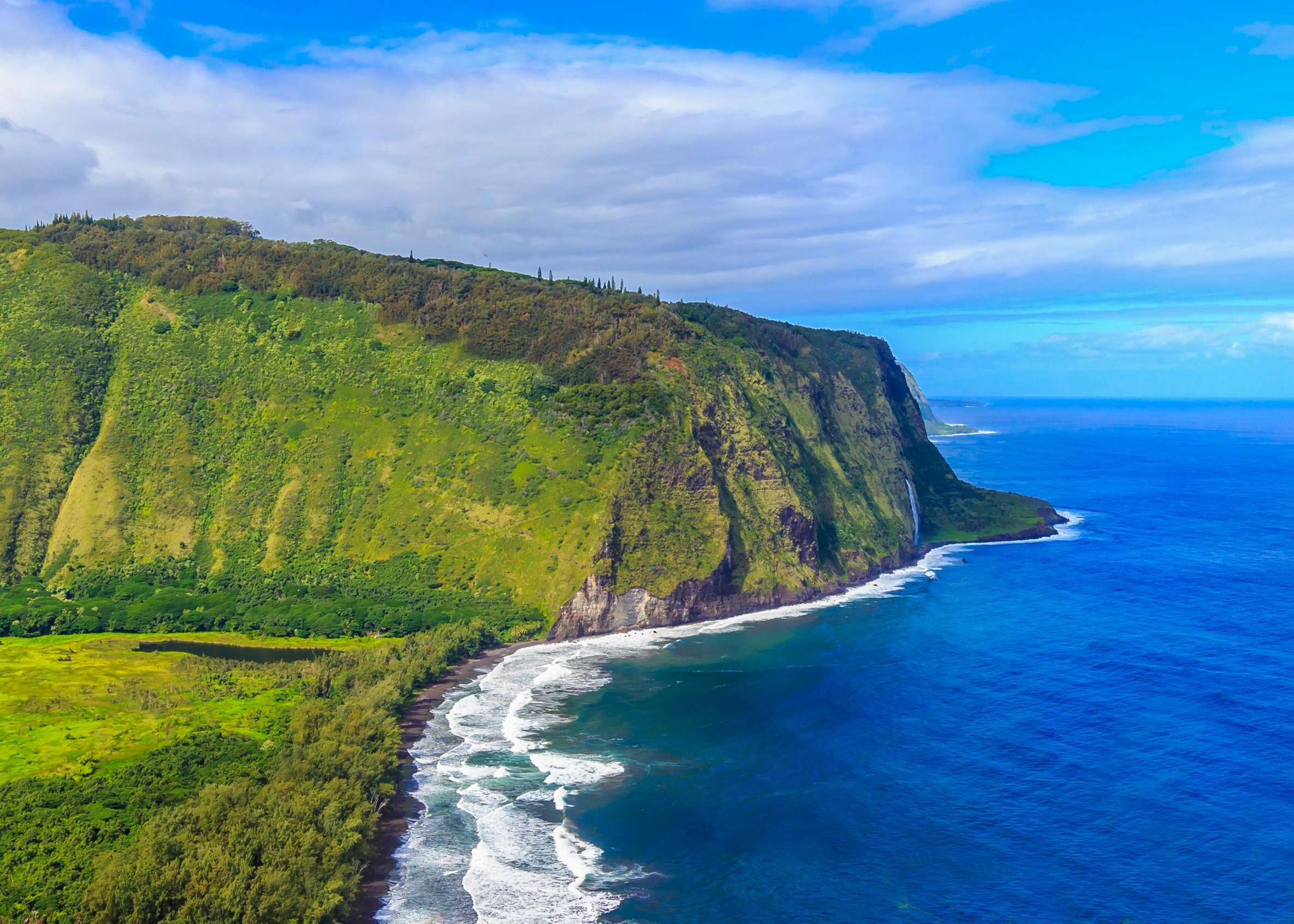
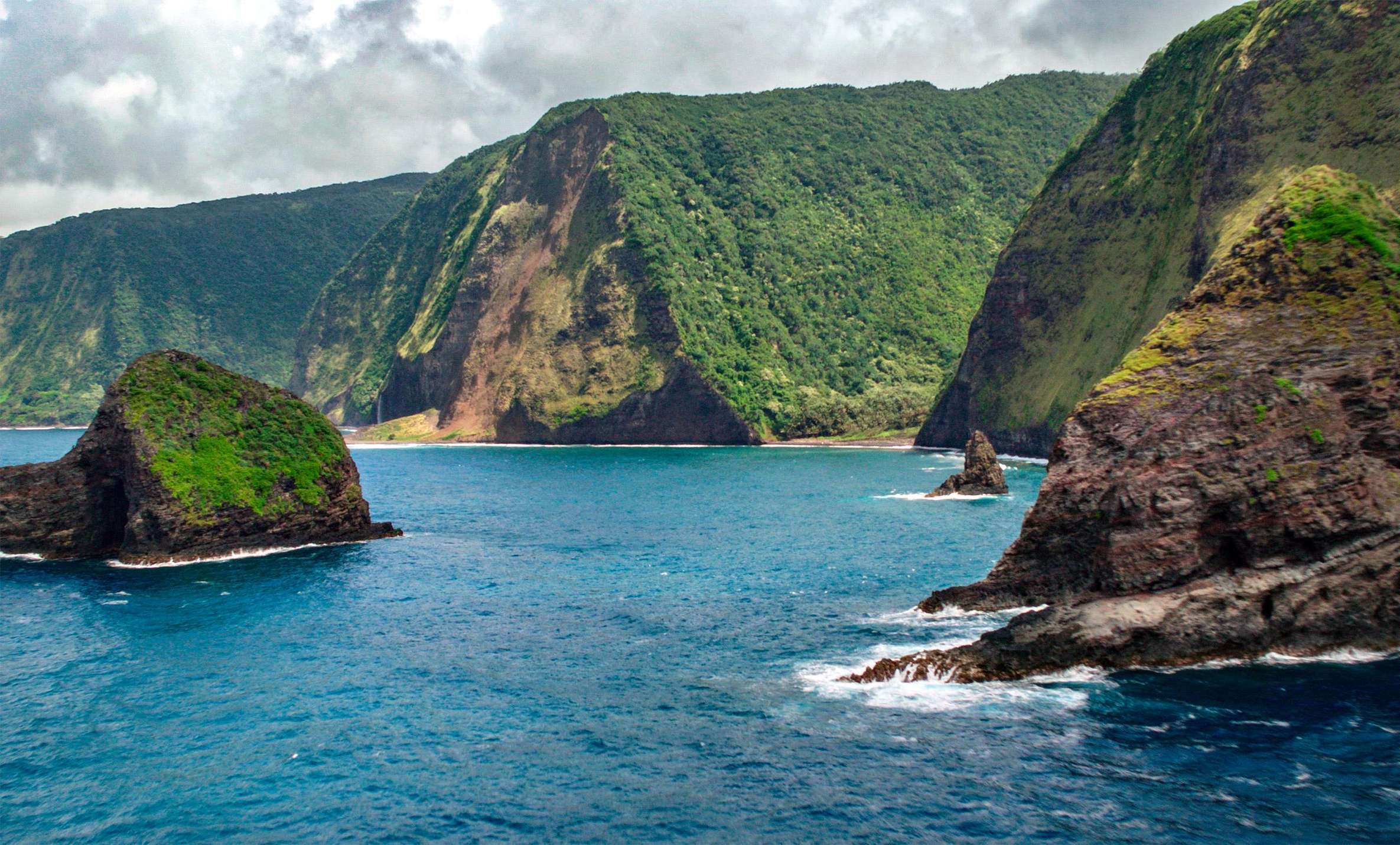
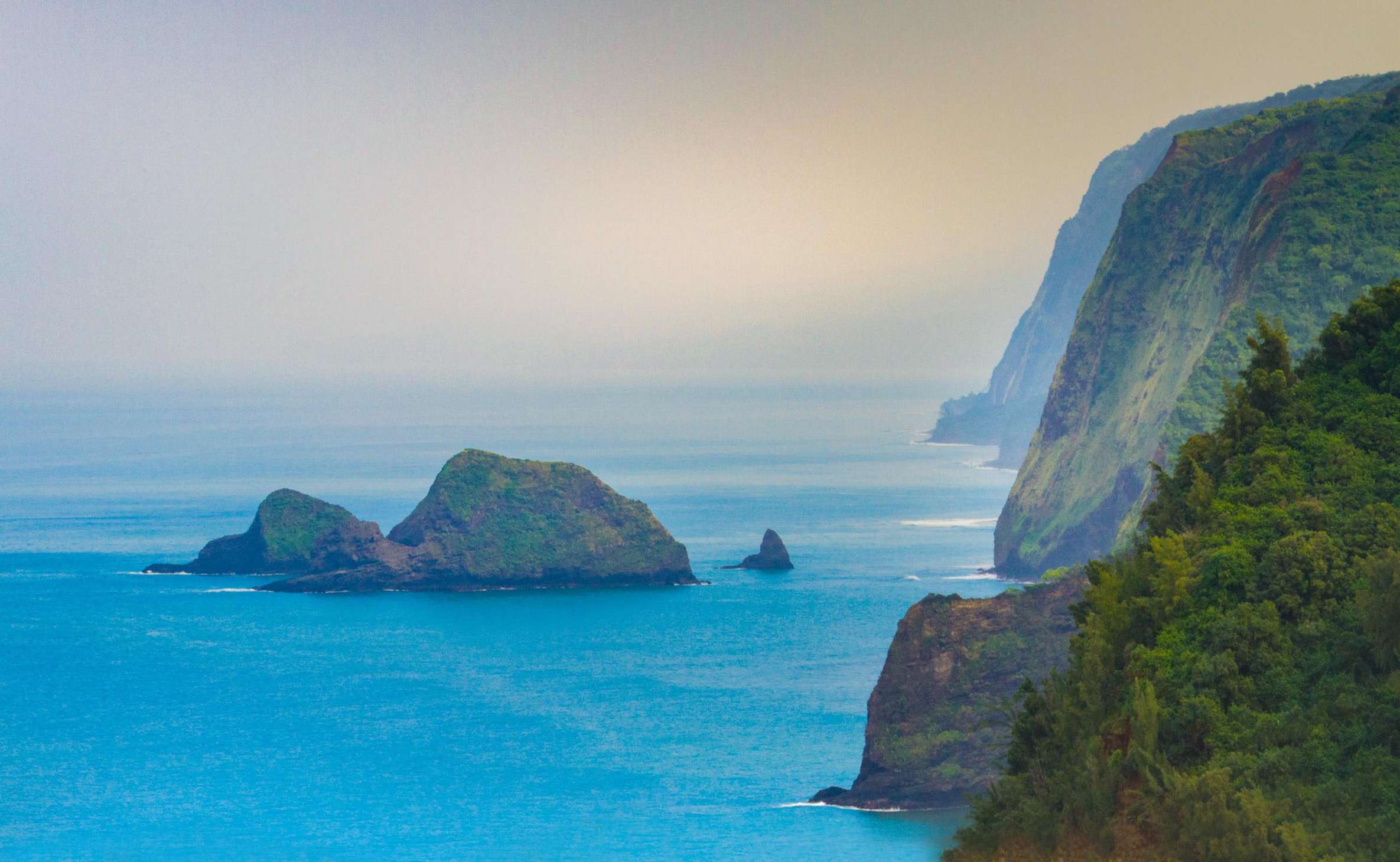
The valleys north of Kohala hide waterfalls that drop deep into amphitheaters no road touches, between walls two to four thousand feet high; some of those valleys can be reached only by boat or helicopter.
That is the core of the price question. The rental car stops where the pavement stops, and on this island the pavement stops early.
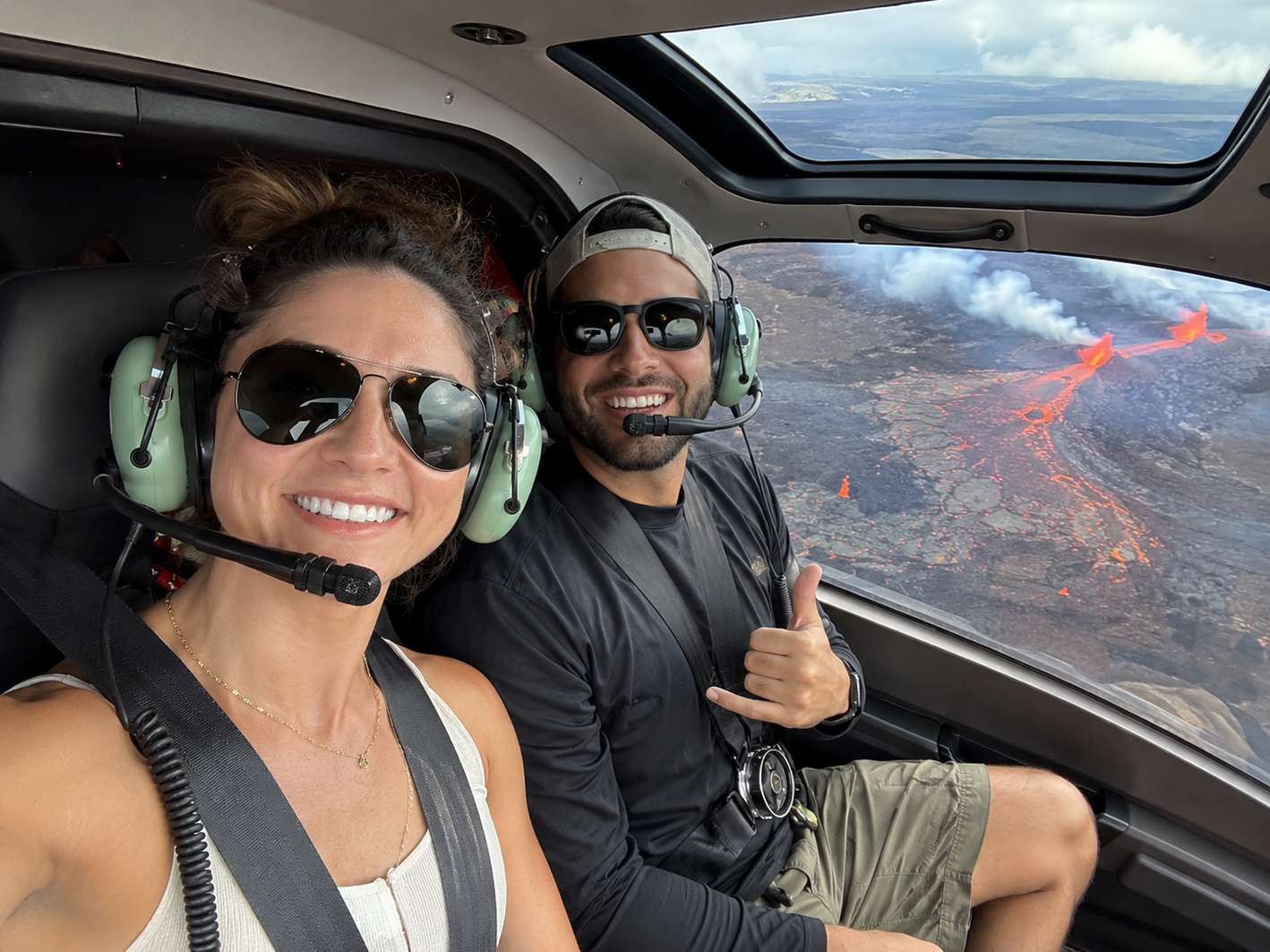
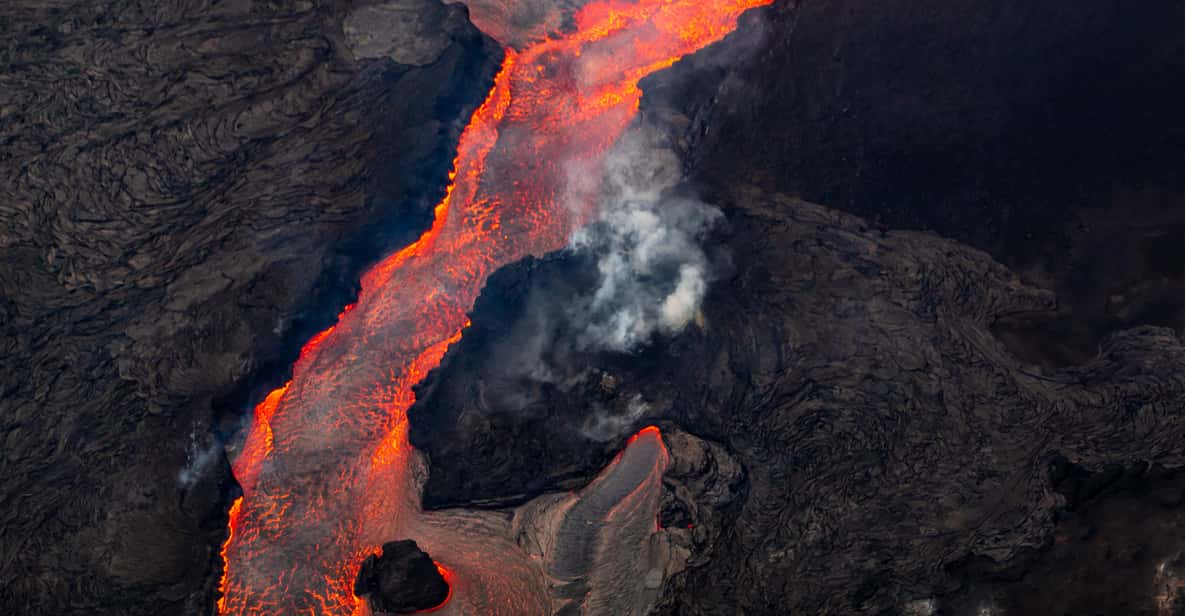
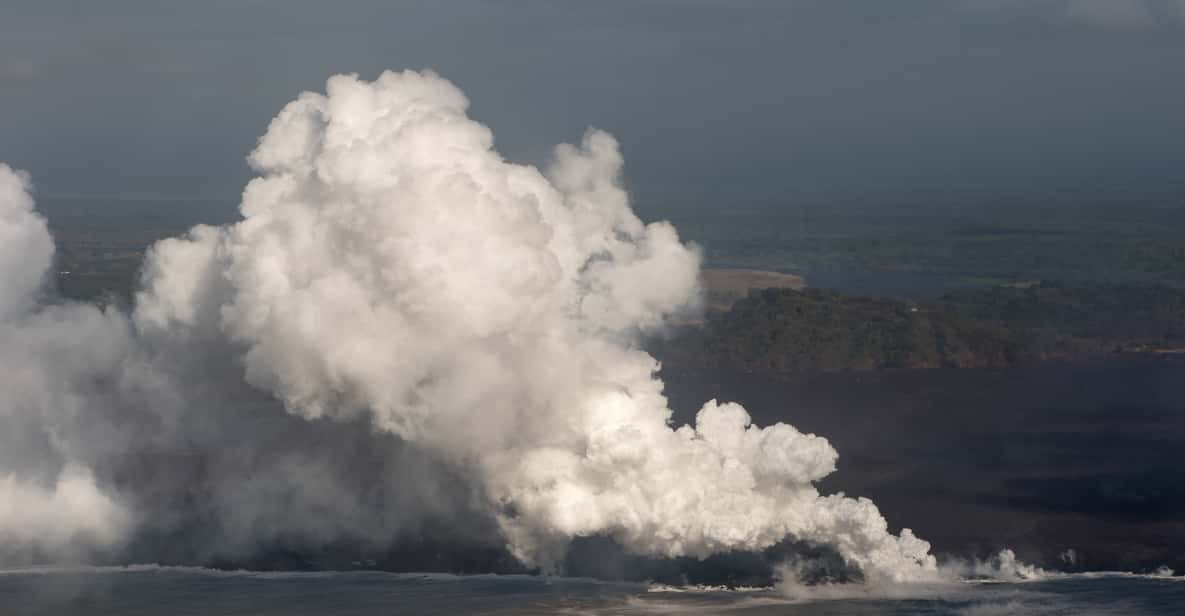
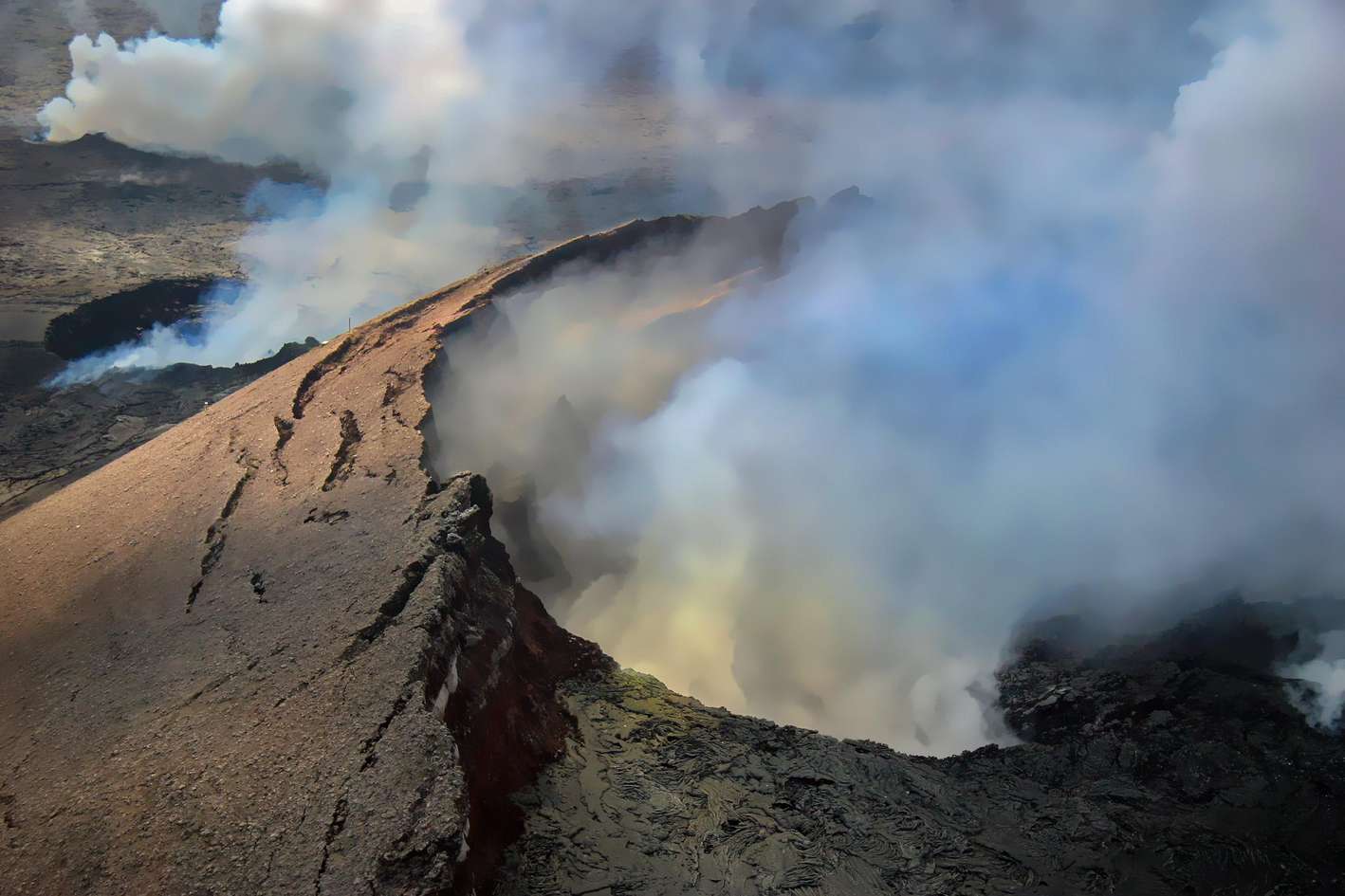
Lava is the other half of the calculus. This is the only Hawaiian island where molten rock can appear from the air at all, though surface flows are not guaranteed on any flight.
When Kilauea sits quiet, regulars say the green cliffs and waterfalls of Kohala outshine the craters, and the long crossings of black lava fields can start to look the same.
If the whole island's range is the draw, the splurge earns its keep: lava fields, coastline and rainforest all pass beneath you in a single hour. If only a live eruption will do, check current volcanic activity before you book.
Regulars put it plainly when friends ask what the fare actually buys.
A traveler's note
Fantastic trip! Pilots Ben and Joey knew so much about the Big Island and volcanoes. Weather cooperated, we saw everything! We chose the open-door tour for something different. So glad we did!
That roadless country is the reason the flight earns a line in the budget at all: no rental car, no lookout and no boat reaches the inside of those valleys.
Hilo is where the short flights live. A volcano run out of the east-side heliport is a quick out-and-back: up to Kilauea and the waterfalls near it, then back along the same route, which is why the hour is spent over terrain instead of in transit.
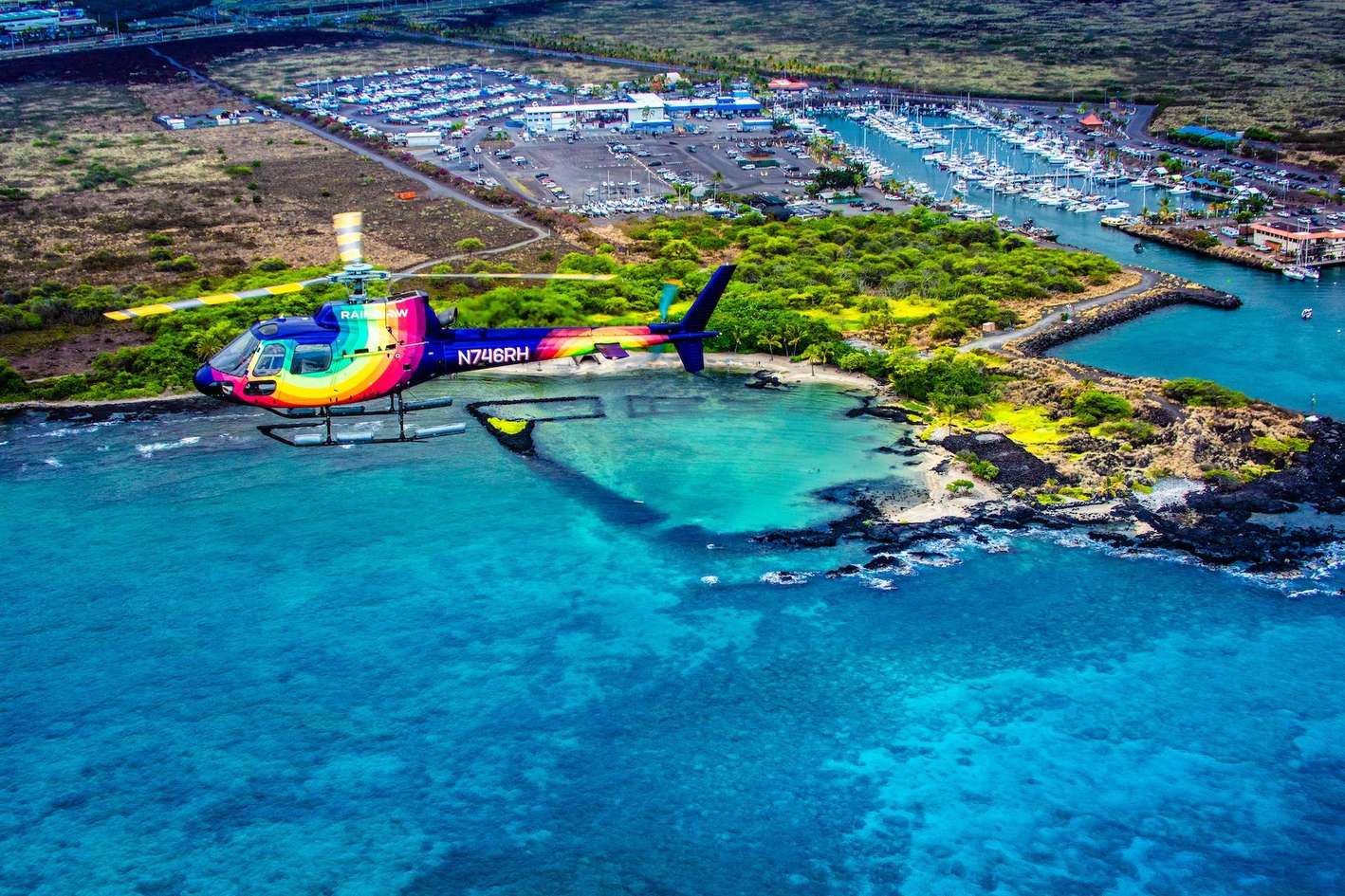
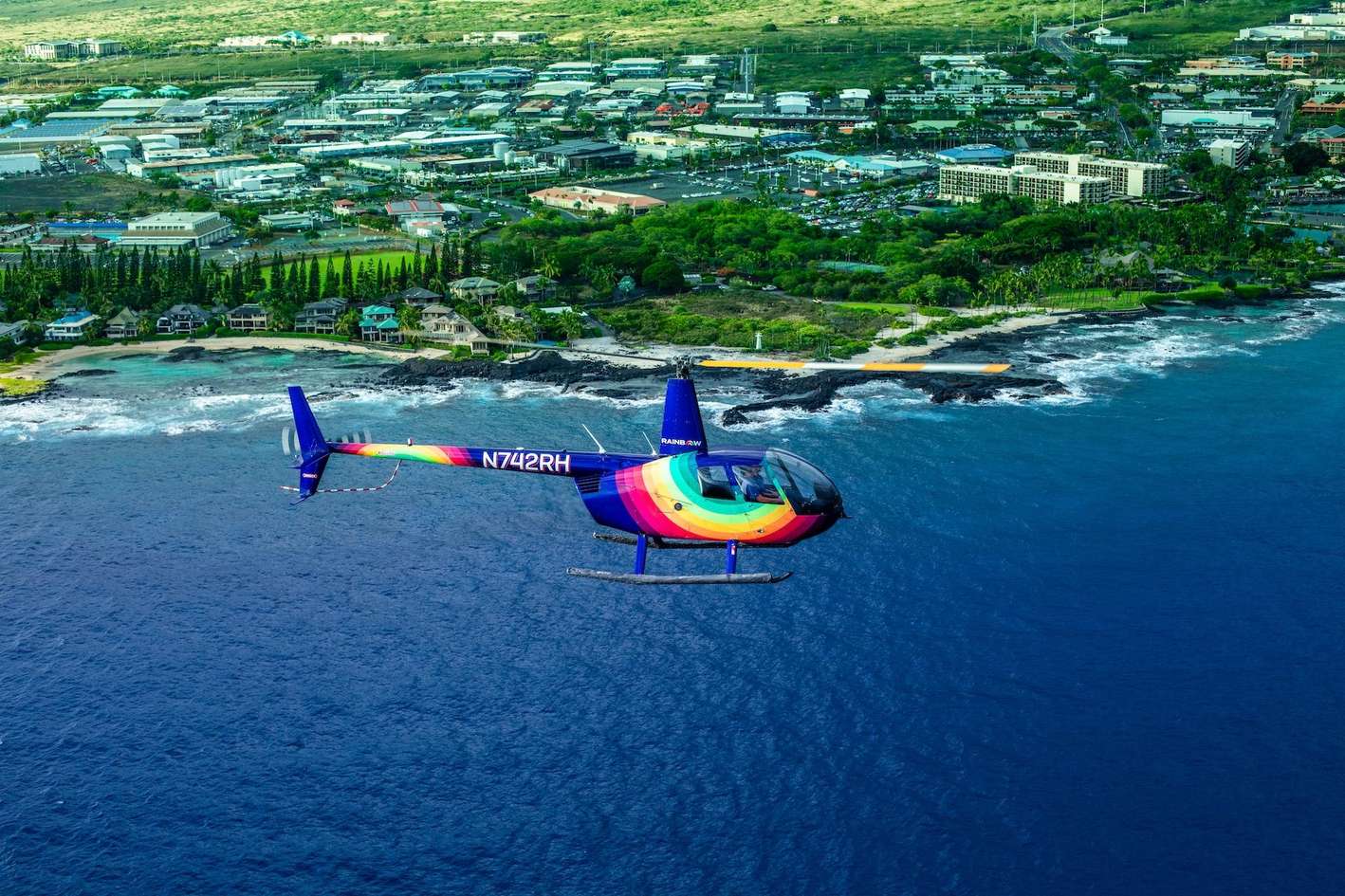
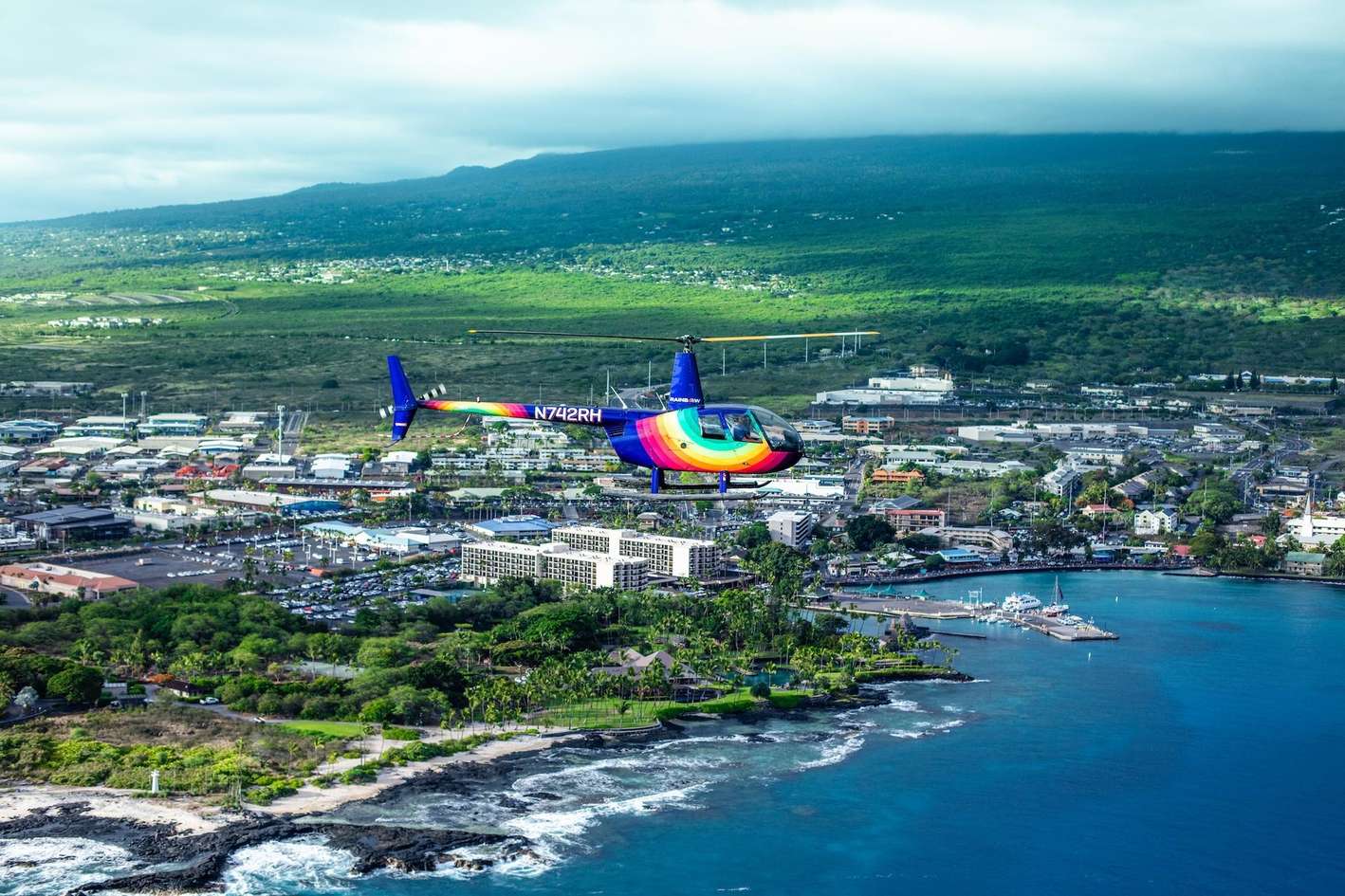
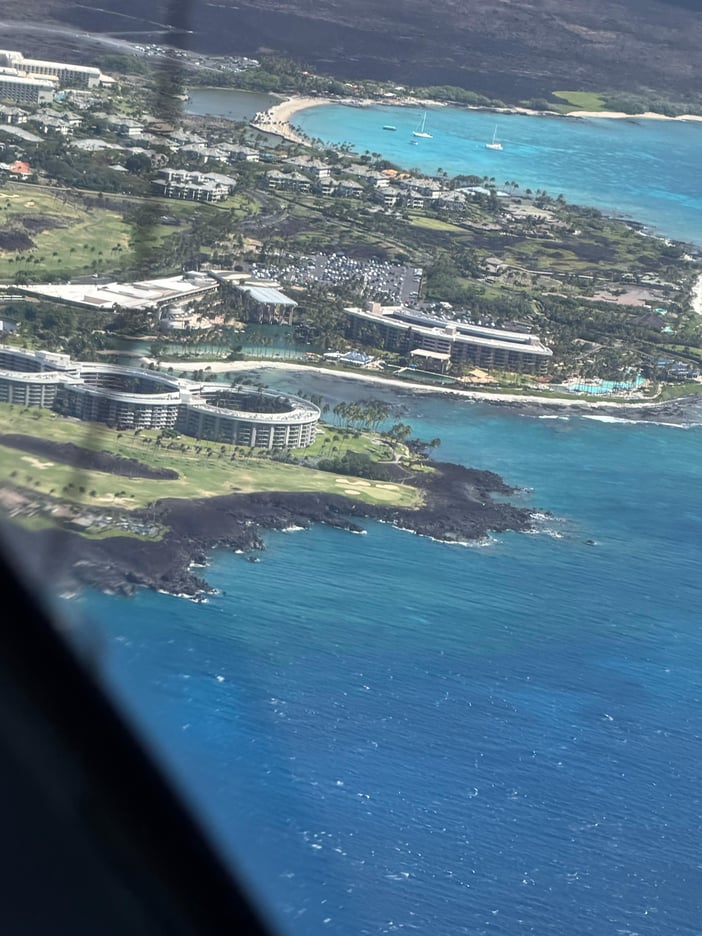
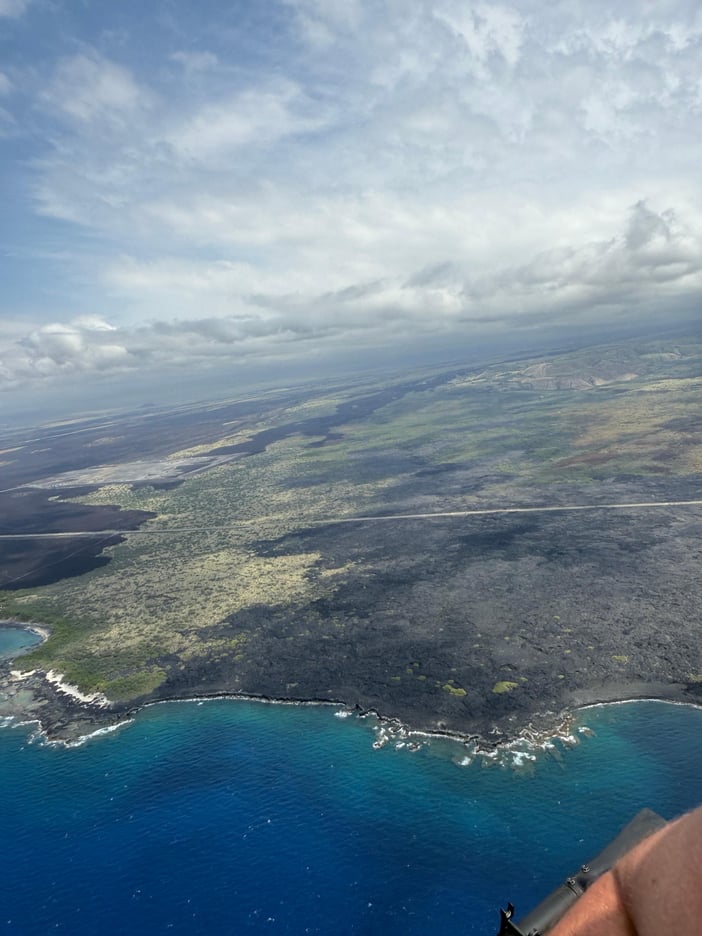
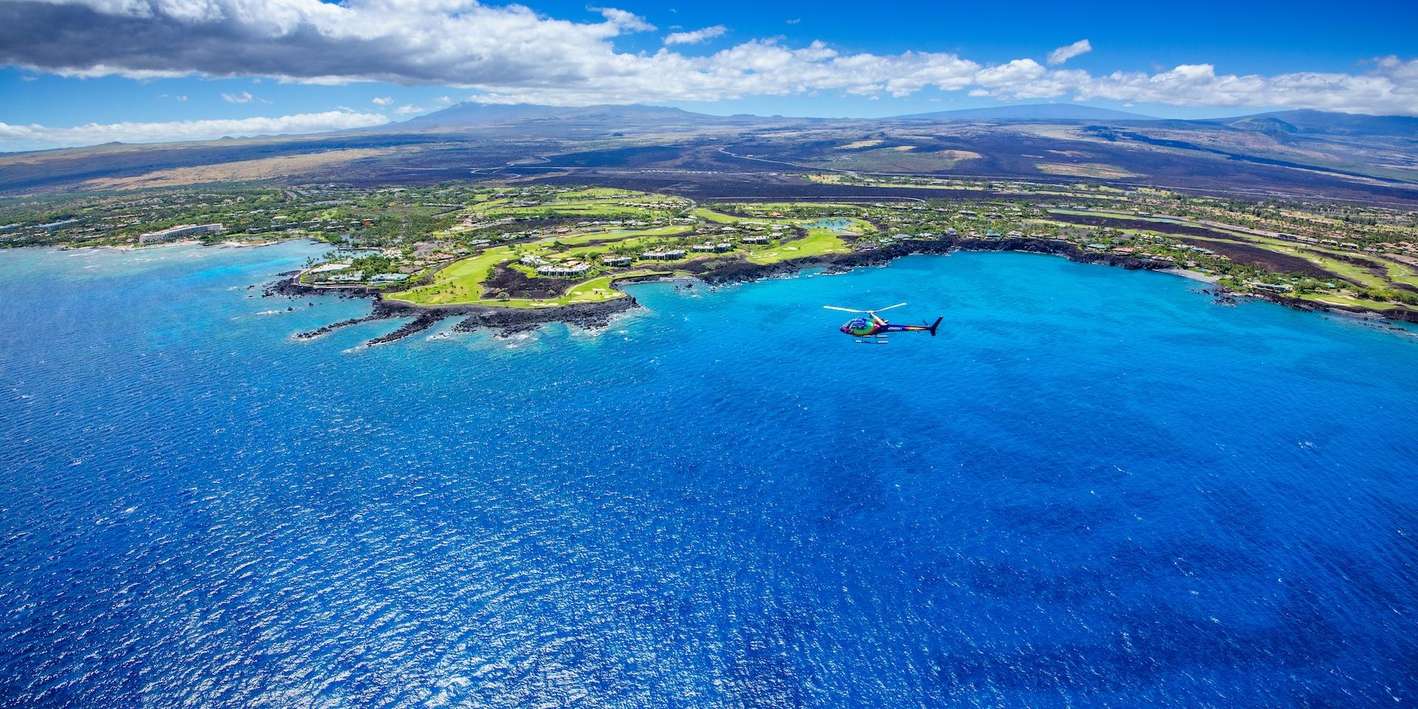
Kona loops work differently. A 30-minute coastal circuit covers Kailua Bay and the coffee farms, and adding Hualalai stretches it to 45 or 60 minutes. West-side volcano routes command noticeably higher rates because the aircraft has to cross the whole island first.
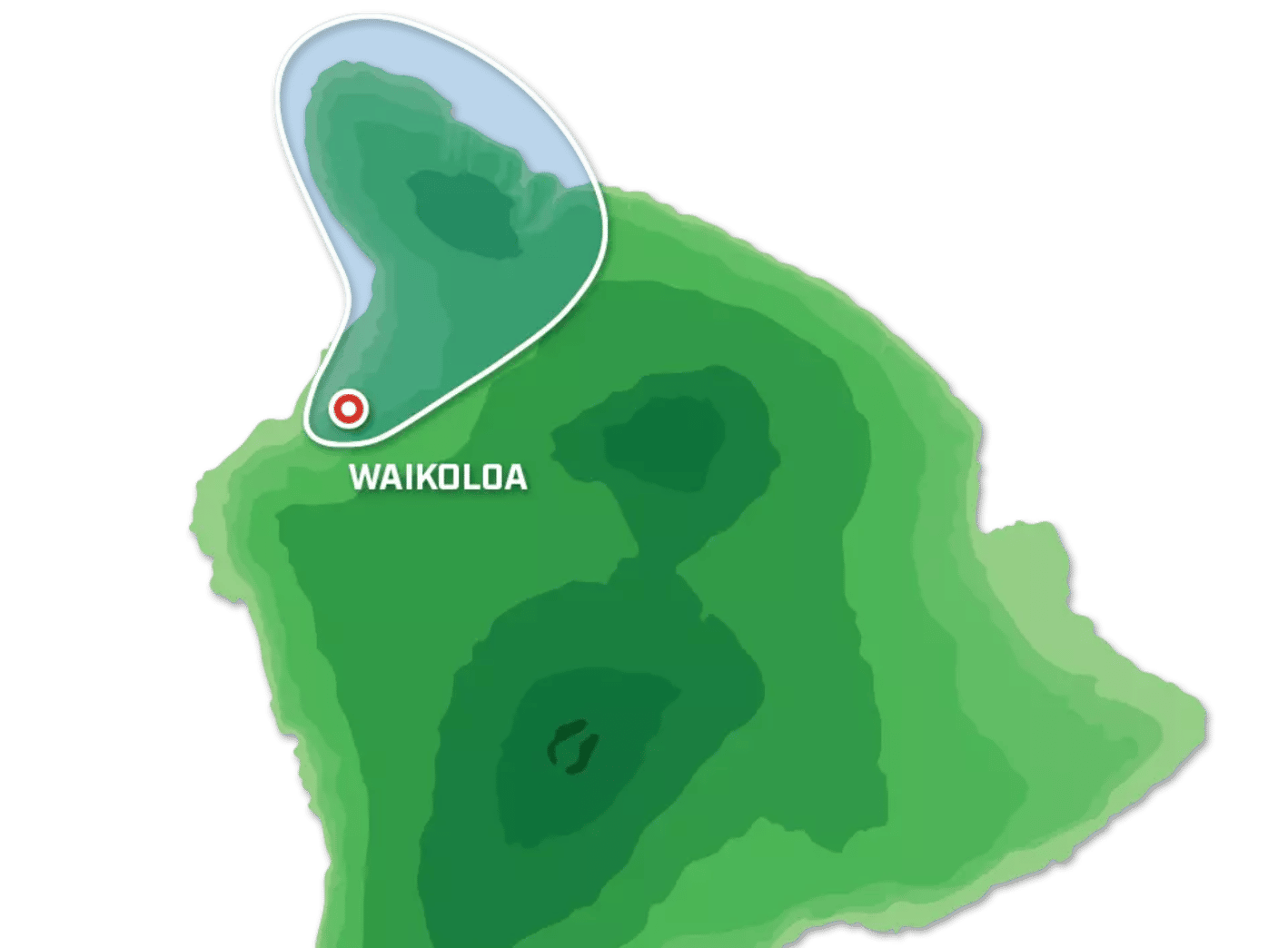
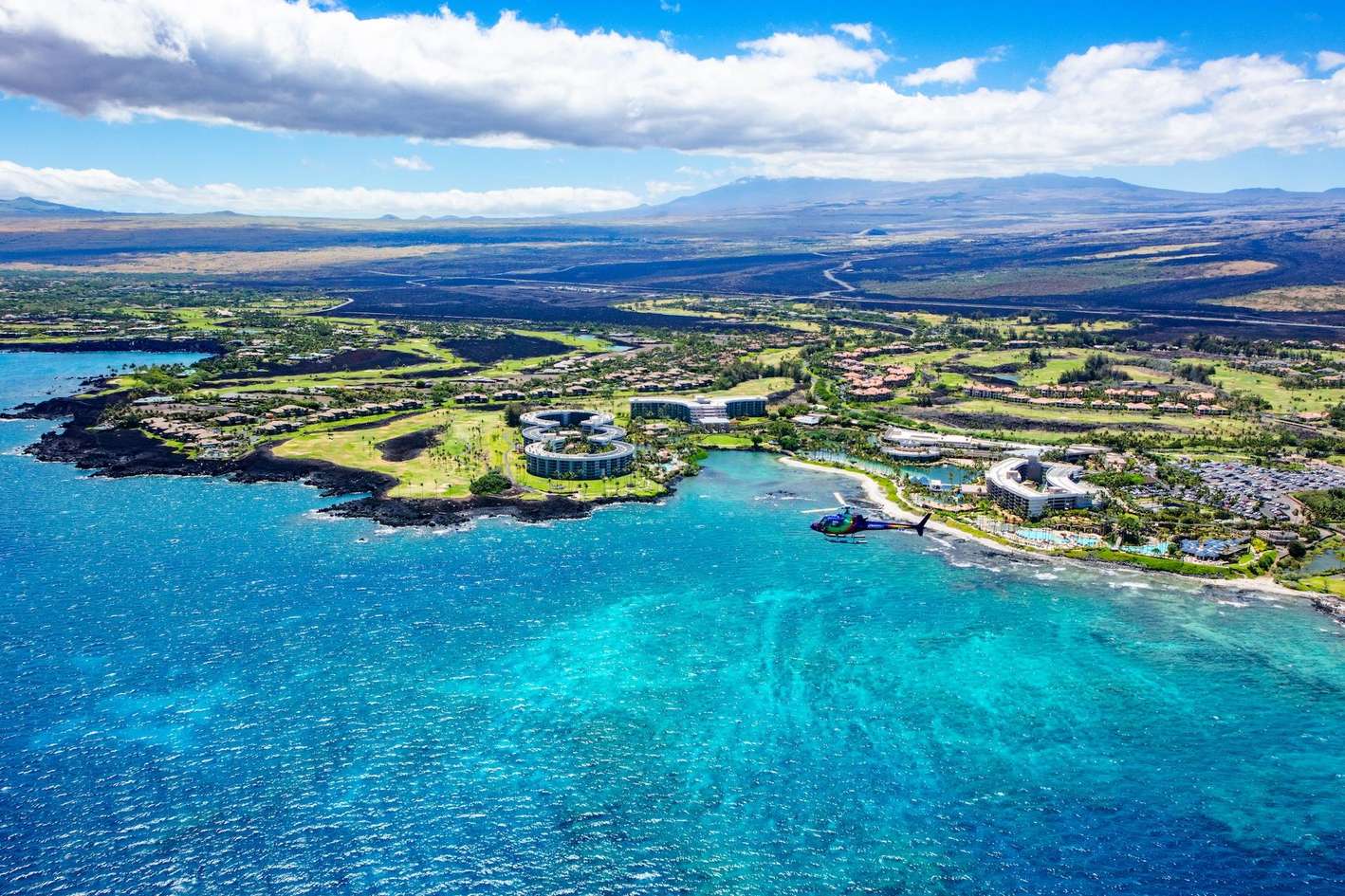
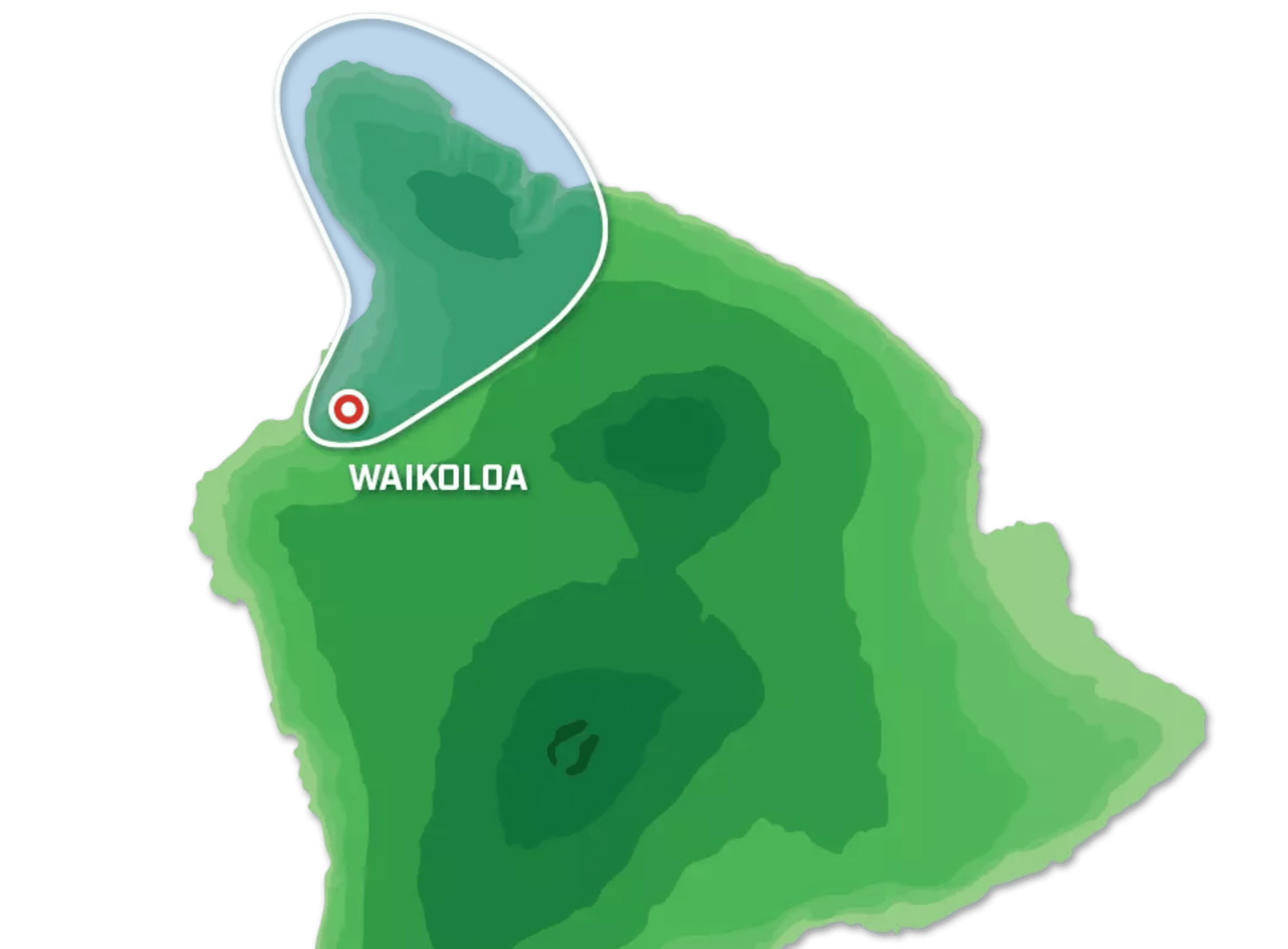
The longest flights sweep everything at once. The Waikoloa: Big Island Spectacular Helicopter Tour flies roughly 105 minutes to two hours over the Hamakua Coast, the Kohala Mountains and an active volcano, with a headset and a pilot guide included.
One number shapes the fare for some parties.
Put the options side by side and the pattern shows itself fast. ::compare Big Island helicopter options side by side, from Hilo volcano hops to Waikoloa island sweeps | Hilo volcano flight | Kailua-Kona coastal loops | Waikoloa island routes Flight time | about 50 minutes to an hour | 30 to 60 minutes | 50 minutes to two hours Key sights | Kilauea caldera, Mauna Kea and Mauna Loa | Kailua Bay, coffee farms, Hualalai | Hamakua Coast, Kohala valleys, active volcano Route shape | narrow out-and-back | coastal loop with optional summit | broad island sweep Fare tier | lowest | entry to mid | mid to top
A narrow volcano hop and an island sweep are different days, so place your budget against the day you want, and the tier sorts itself.
Tour for this
Waikoloa: Big Island Spectacular Helicopter Tour4.2★ (10) · 105 minutes - 2 hours · Free cancellation
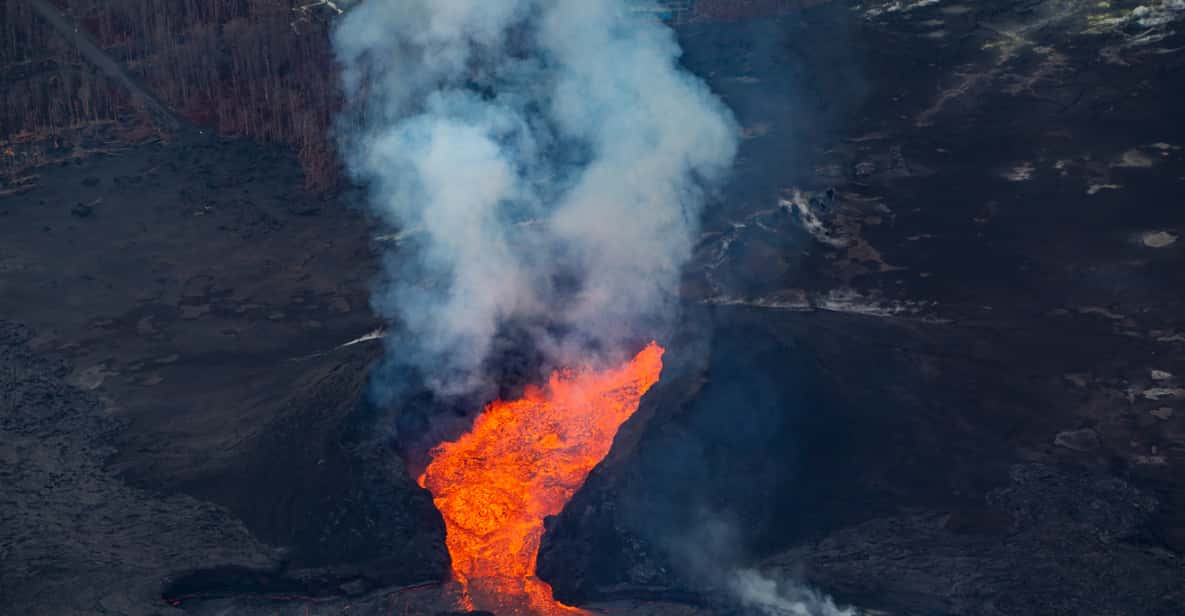
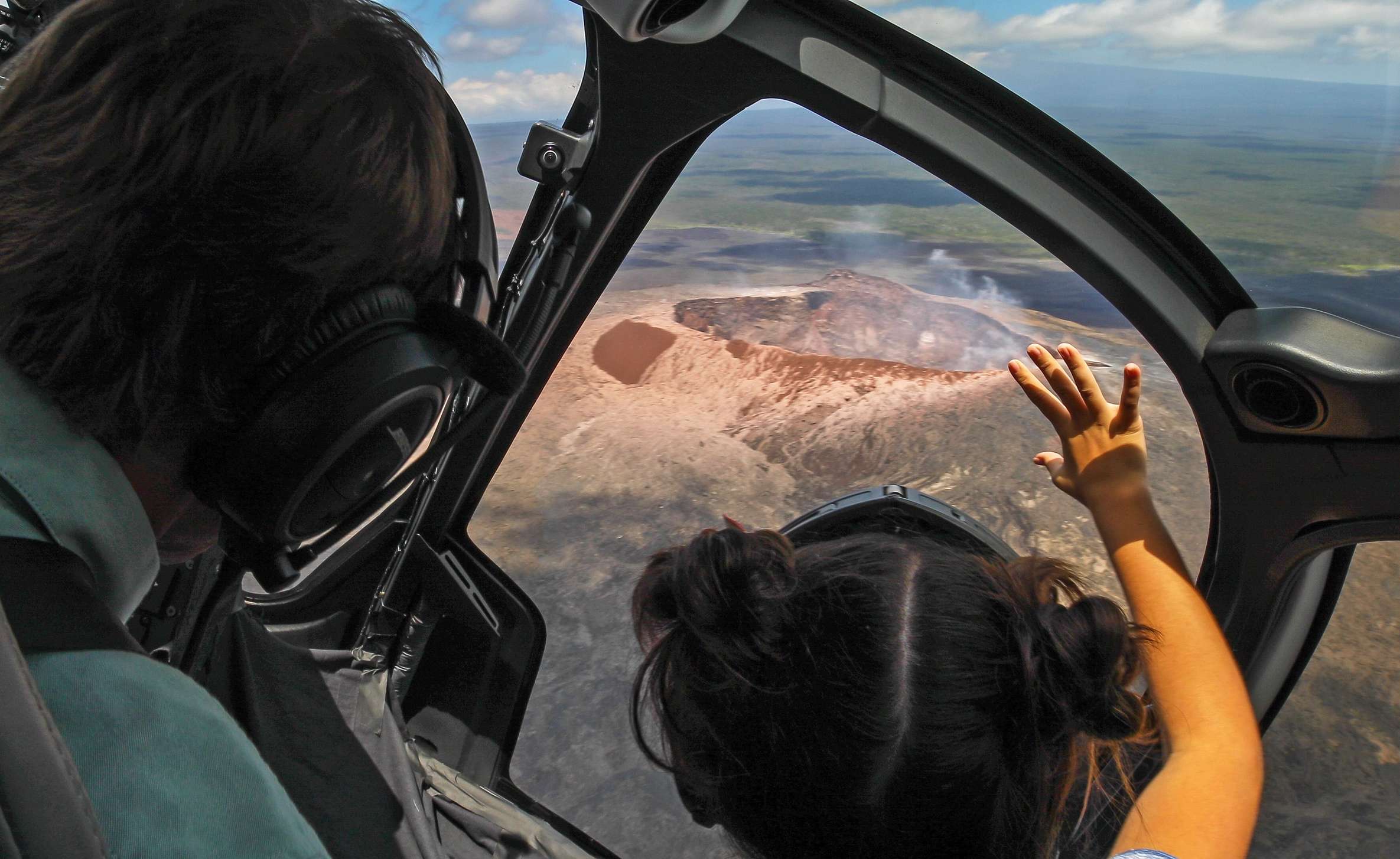
Every volcano fare carries the same fine print from nature: Kilauea erupts in brief windows, and molten red surface lava is rare from any aircraft.
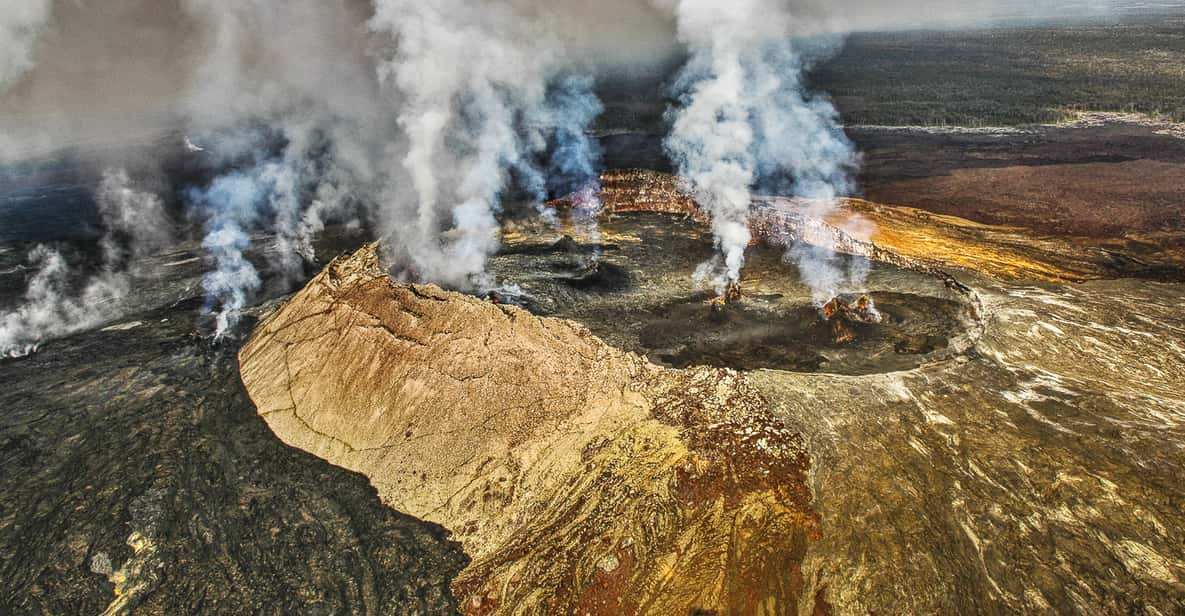
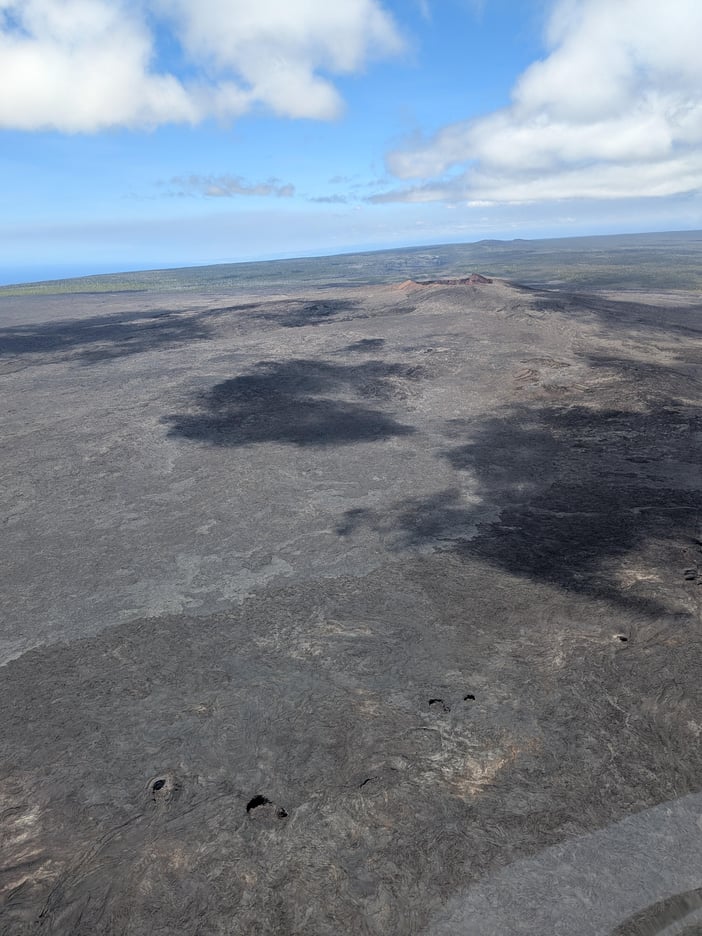
When the mountain sits quiet, the flight still shows steam vents, the vast caldera and fields of hardened flows from past eruptions, and regulars call the crater formations worth the trip on their own.
A second limit applies during eruptions themselves. Temporary flight restrictions can close the airspace above the caldera, extending two nautical miles from Halemaʻumaʻu with a ceiling of 5,000 feet, and authorized tour routes are not permitted directly over the Kilauea summit. The view stays close, but never directly overhead.
The fix is simple: put the park on the ground the same day. Rim lookouts give paved, zero-step views straight from the parking lots, and the Kilauea Iki hike drops through rainforest onto a hardened lava lake.
Pair the flight with those rim lookouts and both halves of the volcano land in one day.
That nearby list shows how little walking the close sights take. Uekahuna sits a minute from the lot, so a morning of flight pairs easily with an afternoon of rim stops.
Tour for this
Hilo: Hawaii Volcanoes National Park Flight4.2★ (272) · 1 hour · Free cancellation
Weather decides more of this flight than the route does. Morning hours between 8 and 11 am bring the calmest winds and clearest skies over both the craters and the Kohala valleys.
After midday, trade winds and the sun's heating build cloud over the interior ridges, peaking in the middle of the afternoon, and Hualalai often grows a cloud belt that forces tours to stick to the coastline.
Hilo runs on its own clock. Rain and gray skies are frequent on the windward side, and late morning near 11 am is the local sweet spot between the early showers and the building cloud.
The daypart pattern explains why every pilot pushes for the early slot.
Flight conditions by time of day
Morning Peak8 am to 11 am
Clearer skies, better crater visibility, and calm winds mean the smoothest flights.
Midday11 am to 1:30 pm
Winds begin picking up and solar warming starts developing localized cloud cover.
Afternoon1:30 pm to 4:30 pm
Trade winds accelerate to produce bumpier air and clouds frequently blanket valleys and craters.
QuietBusyThe busiest
The daypart table puts numbers to that pattern. Book the earliest slot you can, and the odds follow you through the day.
The calendar matters as much as the clock. In June through August and the December holidays, slots sell out two to four weeks ahead, and prime mornings often go thirty days to six weeks out. Book the flight for early in the trip, so a canceled day has room to rebook.
Demand follows its own calendar too.
How busy it gets, month by month
September: 5 out of 5 for how busy it gets.
HighestAug to Oct
In betweenMar to May, Jul, Nov
LowestJun, Dec to Feb
Darker: a higher how busy it gets score, out of 5
Tap a month to read it.
The month chart shows September and October carrying the heaviest demand against a quiet December, which is worth knowing if your dates are flexible.
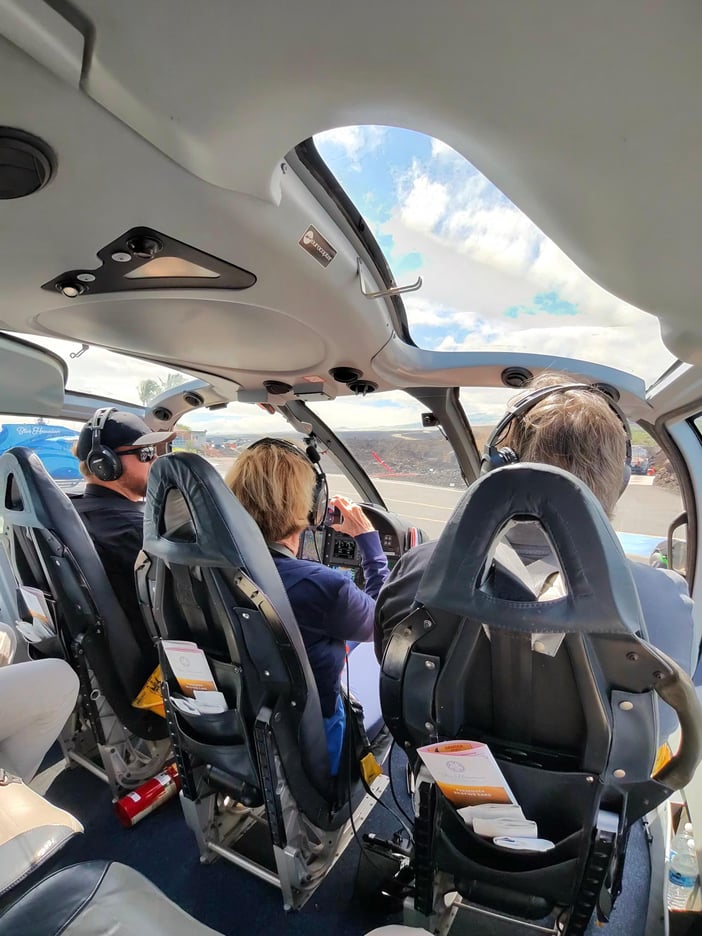
Two choices sort most of this out: doors on or off, and which departure base. Doors-off cabins remove the window glare that photographers fight, and they put wind in the cabin; doors-on flights in a turbine aircraft stay calmer and quieter, which nervous flyers prefer.
A fixed-wing scenic flight is the middle path: it costs roughly half a helicopter seat and covers more ground, but it flies higher and cannot hover.
Base follows interest. For volcanoes, Hilo wins, because the heliport sits next to the park and the hour is spent over terrain instead of in transit. For a wider sweep of valleys, cliffs and volcano together, Kona or Waikoloa fits better.
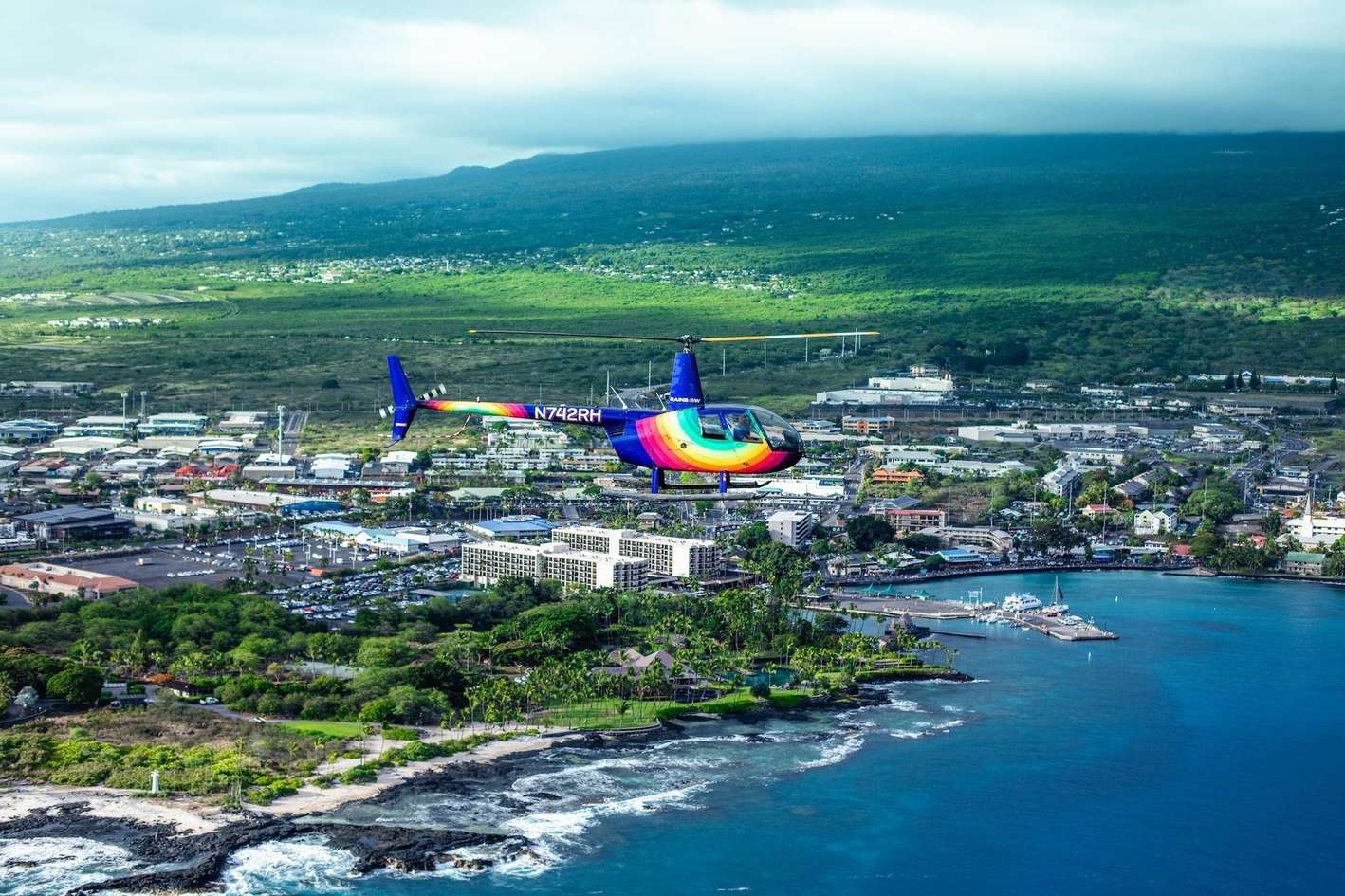
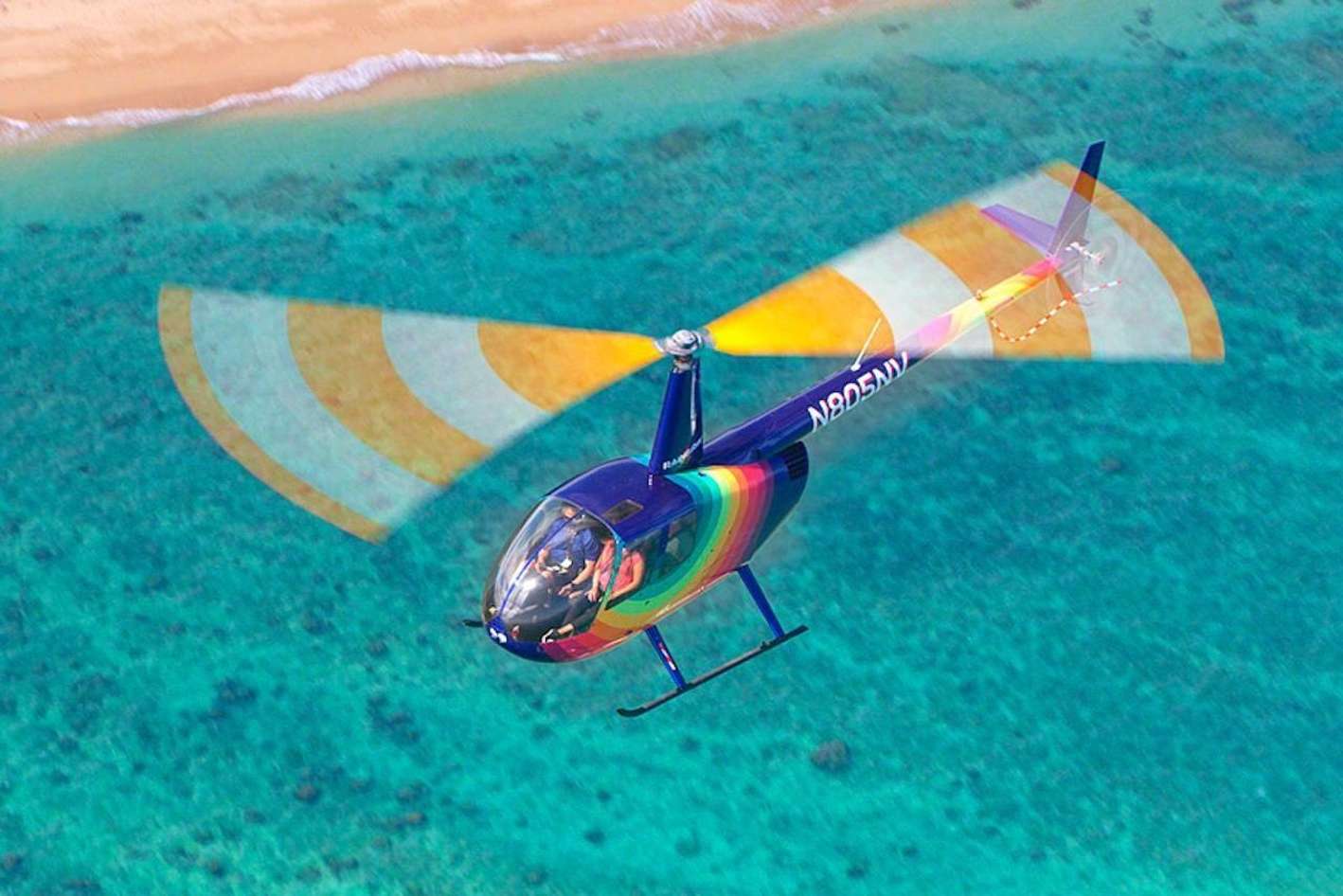
Aircraft size matters too. A small four-seat Robinson R44 gives everyone an unobstructed view, while larger six-seat cabins carry middle rear seats with partial obstructions. Seating is assigned at check-in by weight, so nobody picks a seat.
The value anchor here is the Hilo: Hawaii Volcanoes National Park Flight, a one-hour volcano run at the low end of the fare range.
Run down the checks before you click book, and the wrong flight never happens.
What to check before booking, and how the Hilo volcano flight answers each
Check
Why it matters
Our pick
Doors on or off
doors off cuts glare for photographers, doors on is calmer and warmer
doors on only, a closed cabin
Departure base
Hilo sits next to the volcano, Kona flights cross the island
Hilo, the shortest hop to Kilauea
Flight length
short out-and-backs, minimal transit
one hour, out and back
Seat selection
seating set by weight at check-in
seating set at check-in
Weather terms
routes depend on conditions
full refund up to 24 hours ahead
The Hilo volcano flight answers most of those checks for the value-minded traveler: it flies the shortest hop to the crater and keeps the cancellation window generous.
Where to find the cheapest helicopter prices on the Big Island
The arithmetic favors Hilo, and the clock pushes back. Driving Saddle Road from Kailua-Kona to Hilo takes about 103 minutes each way over 125 kilometers without traffic, and the airport itself advises planning 1.5 to 2.5 hours for weather and elevation. Round trip, that is roughly three and a half hours behind the wheel.
The saving is real. Hilo volcano fares run substantially below Kona's, and the per-person difference comfortably beats the cost of the fuel, so the drive pays if you can spare the time. The park is about 28 miles from the Hilo airport, a 45-minute drive, against two to two and a half hours from Kona.
The risk sits in the middle of the plan. A cancellation for wind or cloud can strand the whole drive, and a minimum passenger count can do the same. People who make this run pair it with east-side stops so the day stands on its own if the flight drops.
Driving yourself
Rent a car in HiloCompare cars from the rental companies in one search, then pick yours.
Three costs sit outside the advertised fare. Tips come first: pilots are customarily tipped a flat sum on landing, the same single amount per couple or solo traveler, and the custom replaces any percentage of the ticket. Ground crew generally share whatever is left at the desk.
Transport to the heliport is excluded on several flights. In-flight video and photo packages are sold separately after landing. Weight surcharges are assessed after booking when a guest crosses the operator's limit, so a party with heavier members should expect that line in the total.
Many pilots depend on those gratuities to top up modest base pay, which is why regulars treat the tip as part of the true cost of the flight.
The pilot's weight math decides your seat. Operators assign seating from passenger weights and aircraft balance under FAA rules, which is also why no operator can promise that a couple or family sits together.
Health rules are equally firm. Vertigo, claustrophobia, pregnancy, a cold or flu, or any inability to sit upright can rule a passenger out on certain tours.
The one that catches visitors unprepared is diving. ::alert The 24-hour diving rule that can stop boarding outright Scuba diving within 24 hours of takeoff | cabin pressure raises decompression risk, so boarding can be denied; dive the day after the flight
Schedule the dive for after the flight and the problem never exists. Cabin pressure raises decompression risk, which is why the ban reaches past the water itself.
Tour for this
Big Island: Kilauea Volcano Eruption Heli Tour - Door On/Off4.4★ (5) · 1.5 hours · Free cancellation
The two cabin types pack differently. Closed cabins are climate-controlled, so casual clothes work and heavy jackets get warm; wear dark solids, because bright fabric reflects in the glass and shows up in photos.
Doors-off flights run 10 to 15 degrees cooler at altitude, and the wind pushes the chill further, so long pants, a long-sleeved layer and a windproof jacket are the kit. Loose scarves and hats are barred either way.
First-timers get caught by the loose-item rules. Bags of any size, purses, selfie sticks, extra lenses, binoculars and tablets stay behind, and phones or cameras ride on a wrist or neck strap; some operators provide the straps and cases at the base.
Closed-toe shoes are required for doors-off flights, long hair goes into a bun or ponytail, and sunglasses stay on because the headset holds them. An eyewear strap helps anyone in prescription glasses.
None of it costs much to prepare, and all of it is checked at the pad.
The day starts at the check-in desk with a weigh-in. Hilo operators ask for a full hour before takeoff, some list 45 minutes, and Waikoloa flights check in 60 minutes out, when you are weighed and briefed. Late arrivals on some tours forfeit the seat with no refund.
How the flight day unfolds, with the check-in offsets for each base
1
1 hour before
check in at the heliport desk and get weighed
a full hour for Hilo departures, 45 minutes on some Hilo flights, 60 minutes at Waikoloa
2
Safety briefing
ground crew walks you through boarding
keep clear of the tail rotor, crouch under the main rotor, stay off the upslope side
3
Liftoff
headsets on, route runs clockwise
the pilot hovers and turns so both sides of the cabin get the views
4
Landing
step out and settle up
ground crew shares tips left at the desk
5
After dark
the park airspace closes
tours do not fly over Hawaii Volcanoes National Park at night
The boarding walk has its own rules from ground staff, and the tail rotor at the rear is the danger area most people forget.
Once airborne, the clockwise route with hovering keeps both sides of the cabin in the game. Environmental airspace rules end the day early over the park, so the last tour departs well before sunset.
Weather writes the last chapter more often than anyone plans. Low cloud, rain and thick vog hide the summits, and pilots cancel, delay or reroute instead of pushing into it. Passing showers on the Hamakua Coast rarely stop a flight; low visibility and high wind do.
When the crater stays socked in, pilots typically steer toward windward sights instead: older coastal lava fields and rainforest waterfalls, which often run harder right after the rain that canceled the crater view.
What happens when the day changes, from cancellations to route shifts
If this happens
What happens then
Weather cancels the flight
a full refund or a reschedule, your choice
Cloud blocks the crater mid-flight
the pilot reroutes to coastal lava fields and waterfalls; one operator refunds nothing for a changed route
The operator moves the tour to another day and you cannot attend
full refund with no penalty
You arrive after check-in closes
some tours forfeit the seat with no refund
Money follows the day: a canceled flight returns in full or moves to a new date, but a flight that flew a different route than planned may still count as flown. Read the cancellation terms on your booking before the weather arrives.
A Hilo flight leaves half a day, and Hilo spends it well. Rainbow Falls sits 1.5 miles from downtown, an 80-foot drop where rainbows form in the mist, and Boiling Pots lies two miles up the same river; the two pair in a single 45-minute stop.
Akaka Falls drops 442 feet and is viewed from a paved 0.4-mile loop about 25 minutes north of town.
The town itself covers the rest. Liliʻuokalani Gardens sits free on the bay, the farmers market opens daily at 7 am on Kamehameha Avenue, and the Pacific Tsunami Museum keeps 10 am to 4 pm hours. Most of these sights cluster within ten minutes of each other.
The national park is about an hour's drive away, so a morning flight, an afternoon at the rim and dinner back in Hilo fit one day. Come between November and March and the Hamakua waterfalls carry their heaviest flow; summer keeps a steady, moderate run instead.
Book the flight early in the trip and take the first morning slot, and the odds of calm air and open craters follow.
The Hilo volcano flight anchors the low end of the fare range and pairs with a full east-side day. Go if landscape variety is the point. Skip it if only live lava will do, and check current volcanic activity first.
Go ifYou want roadless valleys and sea cliffs no rental car reachesYou can fly early in the trip, with room to rebook after weatherYou will take a morning slot between 8 and 11 am
Skip ifOnly active molten lava will satisfy you and the mountain is quietYour last free day is the flight day, with no room to rebook
Our pick to book
Hilo: Hawaii Volcanoes National Park Flight4.2★ (272) · 1 hour · Free cancellation
Common questions about Big Island helicopter tour prices
What the ticket covers, what it leaves out, and how departure bases and flight lengths shape what you pay.
Hilo2026
The whole island turns under the door: lava fields one minute, waterfalls the next. Book early in your trip so wind and clouds can't cost you the flight.
How much does a helicopter tour cost in Hawaii, and what is the cheapest way to fly on the Big Island?
The shortest flights set the entry point. A 30-minute loop over the Kona coastline carries the lowest starting rate on Hawaii Island, and the short volcano flights out of Hilo come in just above it.
Why are helicopter tours that leave from Hilo cheaper than the ones from Kona?
Hilo sits next to Hawaii Volcanoes National Park, so the helicopters spend their airtime over the volcano instead of crossing the island. Kona and Waikoloa flights pay for that transit with longer routes and higher fares.
Is it worth driving across the island to catch a cheaper Hilo departure?
Often, yes. The per-person savings on a volcano flight comfortably beat the fuel cost of the Saddle Road drive, which runs a little over an hour and a half each way from Kailua-Kona without traffic. Choose the Hilo departure when the fare matters more than your morning.
What extra costs are not included in the advertised ticket price?
A few. Tips are separate, several flights leave heliport transportation out, and in-flight video or photo packages are sold after you land. Passengers over the operator's weight limits can also face an additional seat or weight-and-balance charge, assessed after booking.
How much should I tip the pilot?
Tipping is customary but optional. The local habit is a set cash amount handed to the pilot when you land, per couple or per solo flyer, rather than a percentage of the ticket. Ground crew generally share anything left at the desk.
What do the most expensive private charters include that shared tours do not?
The top tier buys the helicopter for your party and a landing. One luxury charter covers five volcanoes, waterfalls and the Kohala Coast, then touches down for an hour with a catered meal, champagne and flower leis. Another lands at a Kona coffee farm for a private tasting.
Can I get a guaranteed front seat by paying more?
Some operators sell first-class or guaranteed front-row upgrades for an added fee. They are subject to combined passenger weight caps, since the aircraft has to stay balanced, so the upgrade is not a sure thing until you check in.
Is a helicopter tour still worth the price if Kilauea is not erupting?
Molten lava is rare in the air because eruptions come in short windows. Without one, you fly over steam vents, vast crater formations and hardened historical flows, and the flight still shows roadless valleys and waterfalls you cannot reach by car. Whether that matches the ticket is your call.
Do I see more of Kilauea from a helicopter than from the park's ground lookouts?
They are different views, and one does not replace the other. Ground lookouts sit right on the crater rim, some a zero-step walk from the parking lot. The helicopter puts lava flows, vents and the shape of the volcano in context that the ground cannot.
Do cheap tours mean worse helicopters or worse views?
Price tracks duration and distance more than quality. The low-cost Hilo volcano flights still use touring aircraft with big viewing windows and pilot commentary; they simply fly a short out-and-back route. Longer flights cost more because they cover more island.
Do I have to weigh in or pay a weight fee when I book?
Every operator weighs passengers at check-in to balance the aircraft, and seating follows that math. If a passenger is over the operator's limit, or two passengers together exceed a combined cap, an extra seat or fee is arranged after booking.
Only two of the thresholds are published, so check your tour's rules if weight is a concern.
Are there hidden fuel surcharges or heliport taxes I should budget for?
None show up in the research for these flights. What is genuinely extra is the short list above: tips, transport to the heliport, photo packages and weight-related seat charges.
Big Island helicopter tour prices - where to fly next



 Your best match